As an Amazon Associate, we earn from qualifying purchases. Some links on this site are affiliate links at no extra cost to you. Our recommendations are based on thorough research and editorial judgment.

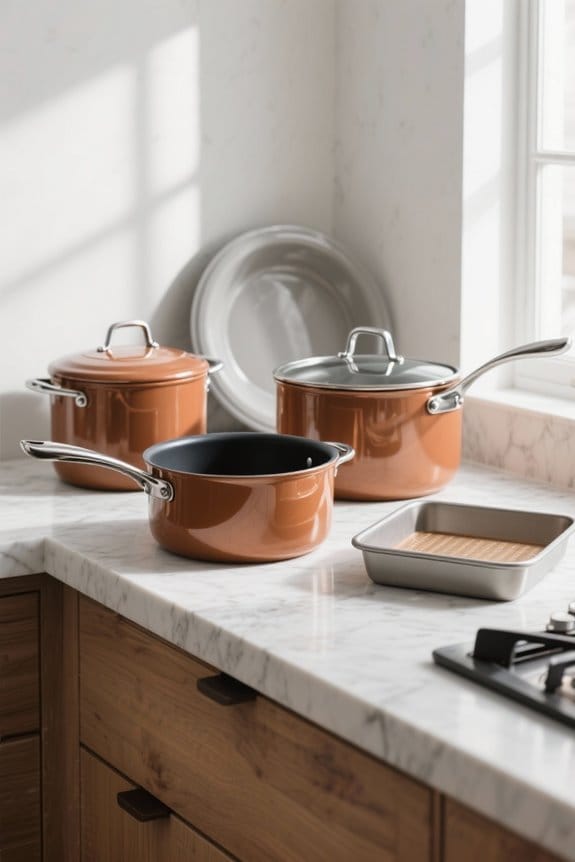
How Enamel Coating Protects Metal Surfaces

Enamel coating protects metal surfaces by creating a strong, durable barrier against corrosion and environmental damage. This coating consists of a mixture of silica and minerals, which form a glass-like finish during high-temperature firing. Its non-porous surface makes cleaning easier and enhances heat resistance. Additionally, it resists scratching and fading, maintaining aesthetic appeal over time. Understanding the benefits of enamel coatings can help in selecting the right materials for various applications.
Key Takeaways
- Enamel coating creates a glassy protective layer, preventing moisture and pollutants from corroding metal surfaces.
- The excellent adhesion of enamel coatings minimizes chipping, peeling, and cracking, maintaining surface integrity.
- Enamel provides exceptional heat resistance, making it suitable for high-temperature applications and preventing degradation.
- The smooth, non-porous finish of enamel simplifies cleaning and enhances aesthetic appeal across various applications.
- Layered enameling techniques, including ground-coating, ensure durability and improve bonding with the metal substrate.
What Is Enamel Coating?
You may be interested



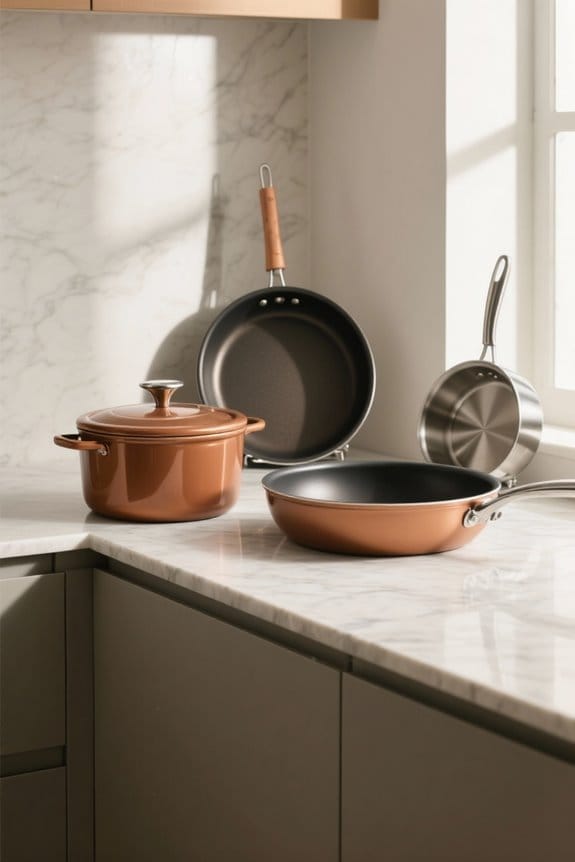
Enamel coating is a protective layer made from a glassy substance that fuses to metal surfaces. This high-temperature process creates a durable finish that withstands corrosion and environmental damage. By forming a barrier, enamel prevents moisture and pollutants from reaching the metal beneath. The adhesion of enamel to these surfaces is essential for its effectiveness. Surface preparation techniques like shot blasting enhance this bond, ensuring long-lasting performance. Enamel coatings are not only practical but also visually appealing, available in various colors and finishes. They maintain integrity and resistance to wear over time. Overall, enamel coatings offer a reliable solution for protecting metal surfaces while enhancing their durability and aesthetic value. Enameled cast iron cookware exemplifies this exceptional heat distribution and versatility, making it a popular choice for various cooking techniques.
Composition of Enamel
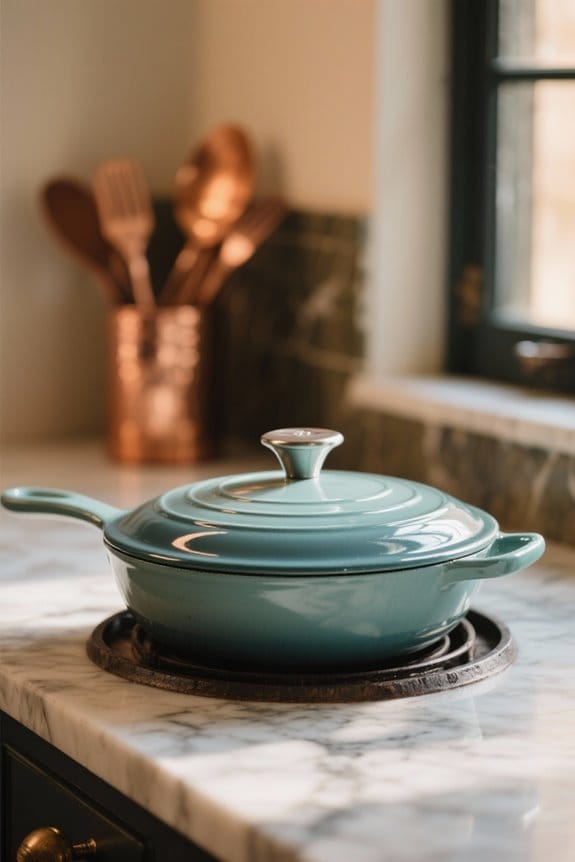
The composition of enamel involves carefully selected minerals that contribute to its effectiveness as a protective coating. It primarily contains silica, feldspar, and borax, which together create a glass-like sheen when fused to metal surfaces. The chemical composition includes fluxes and binders that enhance adhesion and increase durability and resistance to wear. Enamel is designed to offer corrosion protection, ensuring longevity in exposed environments. By incorporating opacifiers and coloring agents, manufacturers also attain aesthetic qualities. Additionally, the enamel is subjected to high temperatures, typically ranging from 1100 to 1300 degrees Celsius, during production. This process enhances properties like hardness and chemical resistance, making it suitable for various applications while maintaining visual appeal. Enameled cast iron offers excellent heat distribution and retention, making it a popular choice for cookware due to its durability and versatility.
The Process of Enameling Metal
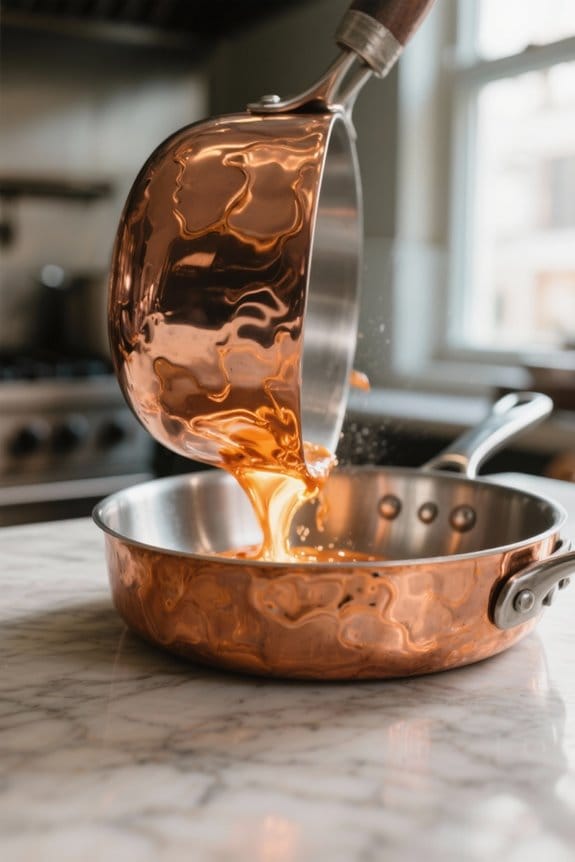
Applying a glass-like coating to metal surfaces is a precise process known as enameling. This process involves applying a mixture of silica and other minerals to the metal substrate. Techniques such as dip coating or spraying are commonly used. After application, the metal is fired at high temperatures, typically between 780 °C and 850 °C. This firing fuses the enamel coatings to the metal. Surface preparation plays an essential role in this process. Steps like shot blasting and degreasing guarantee proper adhesion by removing contaminants. Enamel coatings are layered, beginning with a ground-coat for better adhesion. Control of firing conditions is critical to avoid residual stresses that affect thermal expansion and corrosion resistance. The properties of the enamel depend on its composition. To ensure durability and longevity, regular maintenance and careful handling of enameled surfaces are crucial, as they can be prone to chipping and wear over time.
Recommended Products

5-Stage turbine produces 9.5Psi

Professional Spray Gun features convenient side Pattern Control Knob to adjust size of fan pattern from small to large

22 PIECE SET: Includes 8” and 9.5” frying pans; 11” frying pan with lid; 11” grill pan with lid; 11” chef’s pan with lid; 11” square griddle pan; 1.5qt and 3.25qt saucepans with lids; 3.25qt sauté pan with lid; 5.4qt and 7.8qt stock pots with lids; small, medium, and large pan protectors.
Benefits of Enamel Coatings
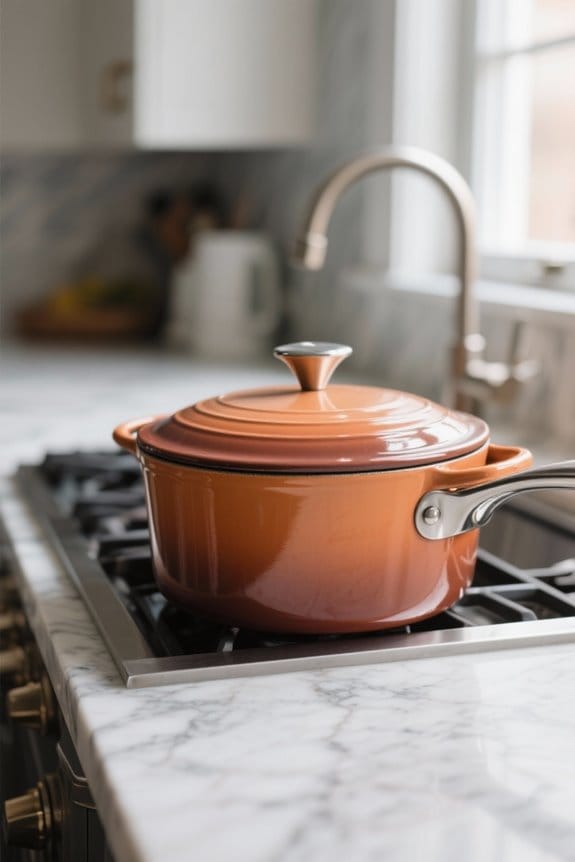
Coated metal surfaces benefit greatly from enamel coatings. These coatings provide exceptional corrosion resistance by creating a protective barrier. This barrier isolates metal surfaces from moisture, chemicals, and pollutants. Additionally, enamel coatings enhance durability, offering excellent adhesion that resists chipping, peeling, and cracking. This improves the lifespan of coated items. The glossy finish of enamel coatings keeps their aesthetic appeal intact over time. They resist fading due to UV exposure, maintaining color and gloss. Enamel-coated surfaces are versatile and can withstand extreme temperature variations. This makes them suitable for both interior and exterior applications. Regular maintenance and proper application greatly enhance the protective qualities, ensuring long-lasting performance, even in harsh conditions. Enamel coatings can be compared to stainless steel pots which also offer durability and resistance to corrosion, making them a reliable option for long-term use.
Recommended Products

FIREPROOF & IMPACT TESTED FOR MAXIMUM SAFETY: Fireproof Rated 350 1-hour for documents and paper, tested for fire at 1700 degrees Fahrenheit and explosion tested at 2000 degrees Fahrenheit. Impact Rated. The impact test includes dropping the cabinet 30 feet onto concrete rubble, then reheating in the fire

The extra power allows for less thinning of viscous paints and achieves finer atomization5-Stage Turbine produces 9 5psi featuring Variable Speed Control Dial allows user to adjust motor speed
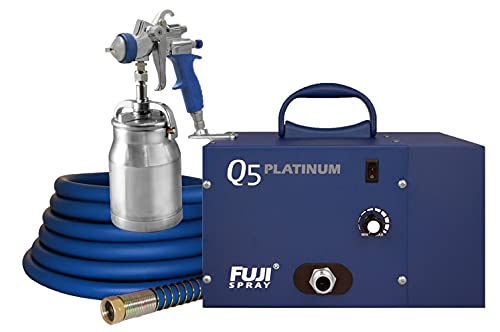
5-Stage Turbine produces 9 5psi featuring Variable Speed Control Dial allows user to adjust motor speed
Applications of Enamel Coated Surfaces
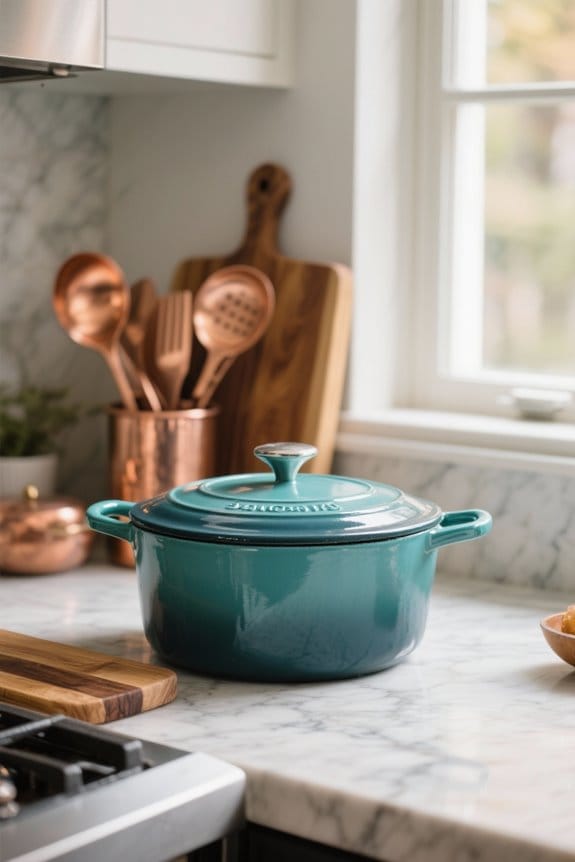
Enamel coatings find extensive applications across various industries due to their protective properties. In household appliances, enamel coated surfaces offer heat resistance, guaranteeing longevity in ovens and refrigerators. Automotive parts utilize these coatings to enhance mechanical strength and protect against corrosion, particularly in harsh environments. Enamel coated outdoor furniture is designed to resist UV radiation and fluctuating weather, maintaining a glossy finish over time. In modern construction, enamel-coated architectural panels combine durability with aesthetic appeal, serving both functional and design needs. Additionally, industrial applications often rely on enamel coatings for storage tanks and pipelines. These coatings ascertain safe operations while offering excellent resistance to corrosion and chemicals, reinforcing the overall durability of the systems in which they are used. A quality enamel coating provides an extra layer of protection that can enhance heat distribution, similar to the benefits seen in high-performance roasting pans, ensuring even cooking and long-term performance.
Recommended Products

The six high-powered BTU burners & 1 Griddle Cooktop that give you the ultimate cooking flexibility: front left (single) 12,000 BTU, front middle (single) 18,000 BTU, front right (single) 12,000 BTU, rear left (single) 12,000 BTU, rear middle (single) 12,000 BTU, rear right (single) 12,000 BTU, griddle burner 15,000 BTU. The range gives you the power to master any meal.

𝐏𝐑𝐎𝐅𝐄𝐒𝐒𝐈𝐎𝐍𝐀𝐋 𝐏𝐄𝐑𝐅𝐎𝐑𝐌𝐀𝐍𝐂𝐄: The Massimo 48-inch Dual Fuel Range brings professional styling and performance to your home kitchen with a durable and beautiful 304-grade stainless steel design.
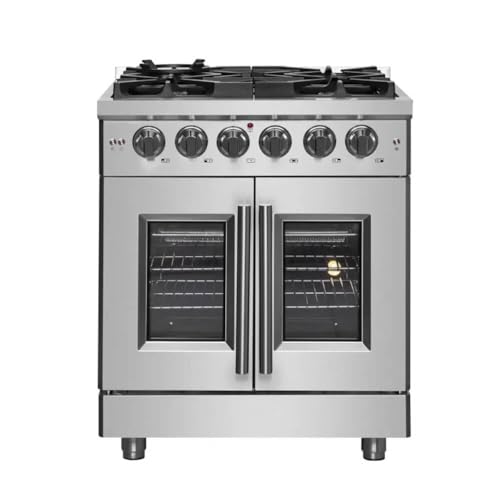
𝐂𝐎𝐎𝐊𝐓𝐎𝐏: Cooktop has 5 Italian sealed brass burners with a total stove top output of 100,000 BTU. Surface Burners Include Five 20,000 BTU Max and 1,000 BTU Min, Automatic Ignition and Re-ignition, Black Enameled Cooktop. The heavy-duty continuous cast iron grates allow for even heat distribution and maximum stability of cookware mobility over a recessed enamel cooktop surface which keeps spills and splashes contained and easier to clean
Enhancing Durability With Enamel
Metal surfaces benefit greatly from the protective qualities of enamel coatings. Enamel creates a glassy barrier that shields metal from moisture and corrosion. This barrier markedly enhances the durability of metals, making them resistant to scratches, chipping, and peeling. The high-temperature firing process fuses the glass to the metal, forming a strong adhesion that withstands wear. Enamel coatings endure extreme weather, resisting UV radiation and environmental pollutants that harm other finishes. The excellent adhesion properties also keep the enamel intact, maintaining a glossy finish. This guarantees that metal surfaces retain their appearance while providing long-lasting protection. Overall, enamel coatings serve as an effective solution for anyone seeking to enhance the durability and longevity of metal surfaces. Additionally, the heat retention properties of enameled coatings are ideal for quality cooking, as they ensure even heat distribution and flavor enhancement in various recipes.
Maintenance Tips for Enamel Coatings
Proper maintenance is essential for preserving the integrity of enamel coatings. Regular cleaning is vital for enamel on steel surfaces. Using a soft cloth or sponge with mild detergent helps remove dirt and grease effectively. Avoid harsh chemicals and abrasive materials, as they can scratch the enamel and increase the risk of corrosion. For stubborn stains, soaking items in warm soapy water followed by gentle scrubbing is effective. It’s important to inspect enamel coatings regularly for chips or cracks. Prompt action should be taken to repair any damage to prevent further deterioration. When using enameled cookware, choose plastic or wooden utensils to maintain the enamel’s integrity and avoid scratching the surface. Consistent maintenance prolongs the life of enamel coatings. Enameled cast iron braisers are known for their superior heat retention and even cooking results, making them a valuable addition to any kitchen.
Recommended Products

For use inside or out on a variety of surfaces including sanded grout, flagstone, terra cotta, limestone, sandstone and more to protect against water, stains and slippage

Enameled cast iron delivers superior heat distribution and retention; Ready to use, requires no seasoning

Set includes: 8, 10, & 12-inch fry pans, 2 & 3-quart sauce pans w/ lids, 4-quart saute pan w/ lid, 4-quart soup pot w/ lid, and an 8-quart stockpot w/ lid
The History of Enamel Coating
Dating back thousands of years, the fusion of glass to metals has a rich history. The art of enameling first appeared in ancient Egypt and Persia, primarily for adornments on gold. By the early 1800s, the process expanded to include base metals like silver and copper. This paved the way for enameling on sheet iron and steel around 1850 in Austria and Germany. As the 1900s progressed, the use of enamel surged in manufacturing household appliances and architectural panels. The effectiveness of enamel coatings in preventing corrosion and wear became evident over time. Modern techniques have evolved in tandem with advancements in steel production, focusing on environmental considerations while maintaining both functionality and aesthetic appeal in metal surfaces. Enamel coatings are akin to how ceramic casserole dishes utilize lead-free ceramic for high-temperature resistance, ensuring durability and safety in cooking applications.
Enameled Steel Vs Other Coating Options
Enamel coating has established itself as a leading choice for protecting metal surfaces. Enameled steel offers superior corrosion resistance, creating a strong barrier against moisture and pollutants. Unlike traditional painted coatings, it eliminates the need for extensive surface preparation, providing a smoother, non-porous finish that simplifies cleaning. In addition, enameled steel boasts exceptional heat resistance, making it ideal for cookware and appliances. This property often surpasses that of other coatings. Additionally, the durability of enameled steel is remarkable. It shows greater scratch resistance compared to plastic coatings, ensuring longevity in various environments. With a range of colors and finishes, enameled steel enhances aesthetic versatility, making it suitable for diverse applications while maintaining its protective qualities. Some enameled cookware, such as the Martha Stewart Thayer 12-Quart Enamel On Steel Stock Pot, is oven-safe up to 450F, showcasing its superior heat resistance capabilities.
Recommended Products

Enameled cast iron delivers superior heat distribution and retention; Ready to use, requires no seasoning

Enameled cast iron delivers superior heat distribution and retention

Future Trends in Enamel Coating Technology
Innovations in enamel coating technology are shaping the future of metal surface protection. Upcoming advancements emphasize low-temperature sintering techniques, like silicon carbide/enamel composites, to strengthen bonding and improve corrosion resistance. Self-healing enamel coatings are also being developed to autonomously repair micro-damage, thereby extending the lifespan of coated surfaces. Enhanced surface preparation methods, such as advanced micro-roughening, aim to provide superior adhesion between the enamel and metal substrates. In addition, the use of environmentally sustainable materials is increasing. This shift meets stricter regulations while maintaining high performance and reducing waste. Advanced testing methods, including 3D optical profiling, support ongoing evaluations. These trends promise improved enamel formulations and application processes, benefiting various industries reliant on durable metal protection. The versatility of cast iron cookware demonstrates how enamel coatings enhance cooking performance and durability, aligning with these technological advancements.
Frequently Asked Questions
What Is the Purpose of Enamel Coating?
Enamel coating serves to protect and enhance various metal surfaces, boasting exceptional durability, strong surface adhesion, and diverse color variety. Proper application methods and maintenance tips can greatly prolong its lifespan and aesthetic appeal.
How Does Enameling Prevent Rusting?
Enameling prevents rust through effective corrosion resistance techniques, ensuring metal surface protection. Factors such as enamel durability and various enamel finishes contribute to its overall effectiveness, representing a critical rust prevention method in diverse applications.
Why Is Enamel Paint Good for Metal?
Enamel paint is advantageous for metal due to its durability benefits, easy application techniques, diverse color options, essential surface preparation, and favorable comparisons to powder coating, resulting in aesthetically pleasing and long-lasting protection for metal surfaces.
How Does Metallic Coating Prevent Metal From Corrosion?
Approximately 80% of metal corrosion can be mitigated through effective coatings. These coatings create a protective barrier that enhances surface adhesion, reduces metal fatigue, and minimizes environmental impact, considerably increasing corrosion resistance in various applications.