As an Amazon Associate, we earn from qualifying purchases. Some links on this site are affiliate links at no extra cost to you. Our recommendations are based on thorough research and editorial judgment.

Why Some Metals Are Reactive With Certain Foods

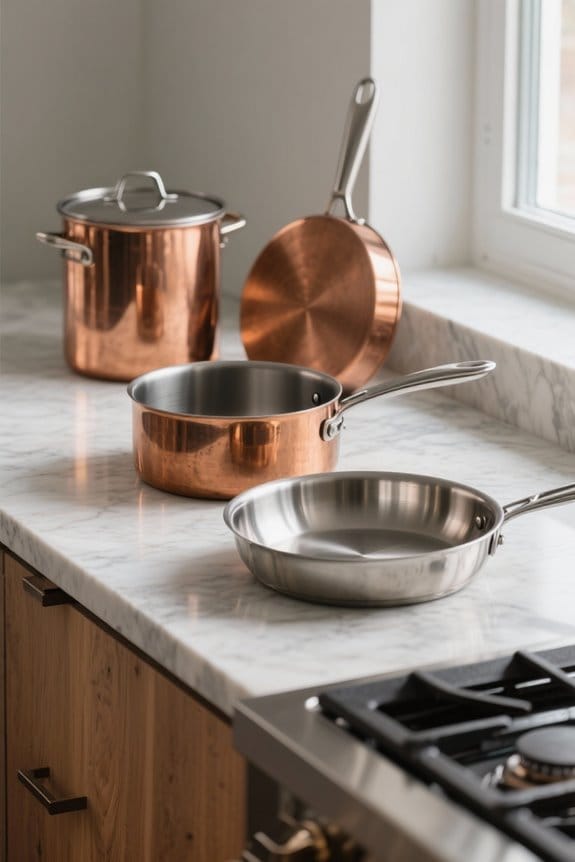
Certain metals are reactive with foods due to their chemical properties. Metals like aluminum, copper, and iron can leach into food, particularly when cooking acidic dishes. This leaching can alter flavor and appearance. For instance, copper may produce toxic compounds with acidic foods. Non-reactive cookware like stainless steel minimizes these risks while maintaining flavor integrity. Understanding metal interactions is essential for ensuring food safety and quality. Further insights reveal more about these metal behaviors in the kitchen.
Key Takeaways
- Reactive metals like aluminum, copper, and iron can leach into foods, altering flavors and potentially impacting health, especially with acidic dishes.
- The Maillard reaction involves metal ions, which can enhance or inhibit browning and affect flavor development in various foods.
- Metals can react with acidic or alkaline ingredients, leading to undesirable flavors, discoloration, and even toxic compounds in some cases.
- Non-reactive cookware, such as stainless steel and ceramics, prevents taste alterations by not interacting chemically with food.
- Hybrid cookware combines reactive and non-reactive materials, aiming for improved heat conduction without compromising food quality or safety.
The Role of Metal Ions in Food Chemistry
You may be interested



Metal ions play an essential role in food chemistry, influencing both flavor and appearance. Reactive metals, such as iron, aluminum, and copper, interact with foods. This is especially true for acidic or alkaline items. These interactions can lead to metallic flavors and discoloration. Iron cookware, known for its durability, can contribute iron ions to food. Iron can catalyze oxidation, affecting flavor. Meanwhile, lower concentrations of copper and zinc ions can encourage browning, while high levels may hinder it. Metal ions can also form complexes with Maillard reaction products. This affects the stability and absorption of minerals like zinc and iron in the gastrointestinal tract. Understanding these interactions is vital for enhancing food quality and safety. The durability and performance of All-Clad cookware make it a popular choice for serious home cooks, ensuring efficient heat distribution and cooking efficiency.
Understanding the Maillard Reaction
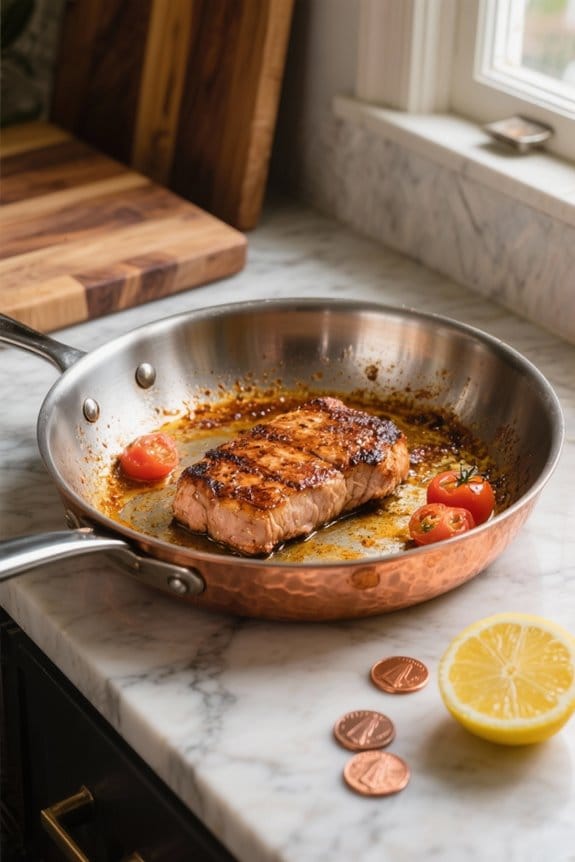
Cooking often transforms ingredients in remarkable ways. One key transformation is the Maillard reaction. This process occurs when reducing sugars react with amino acids or proteins, producing complex flavors and browning. Metal ions, particularly iron, play a significant role in this reaction. The presence of iron ions can increase the accumulation of colored compounds, enhancing browning effects in foods. Different metals impact the Maillard reaction differently. For instance, copper and zinc can promote browning at low concentrations but inhibit it at higher levels. These interactions can influence both the taste of the food and the nutritional bioavailability of essential minerals such as zinc and iron, affecting how these nutrients are absorbed in the body. Copper core pans offer superior heat distribution, which can enhance even cooking during the Maillard reaction.
Common Reactive Metals in Cookware
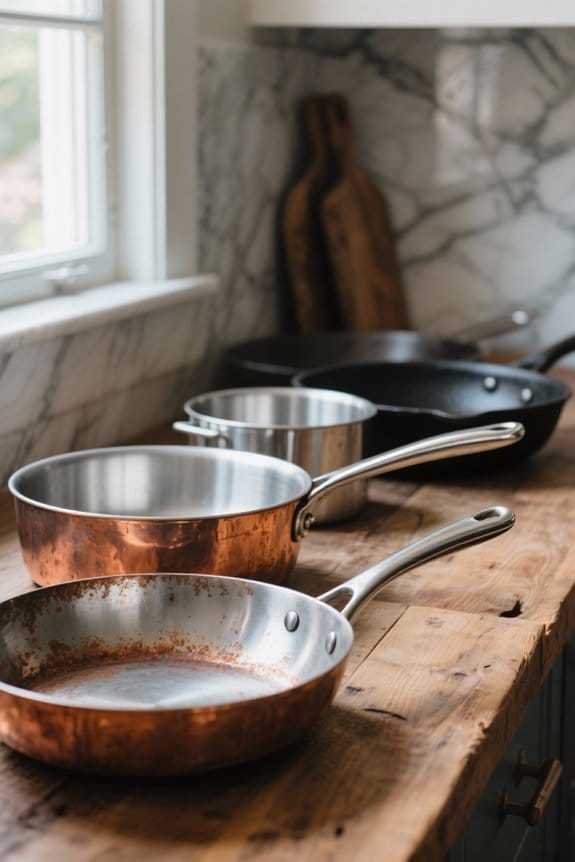
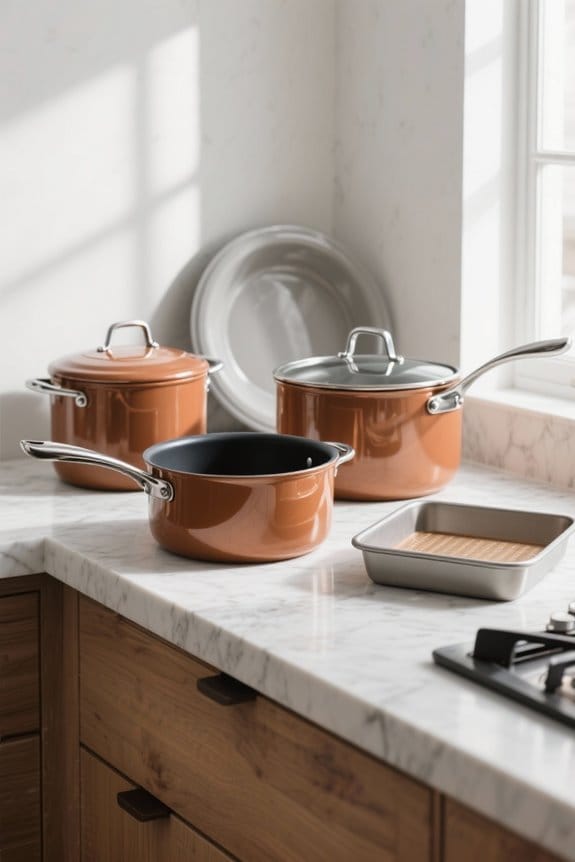
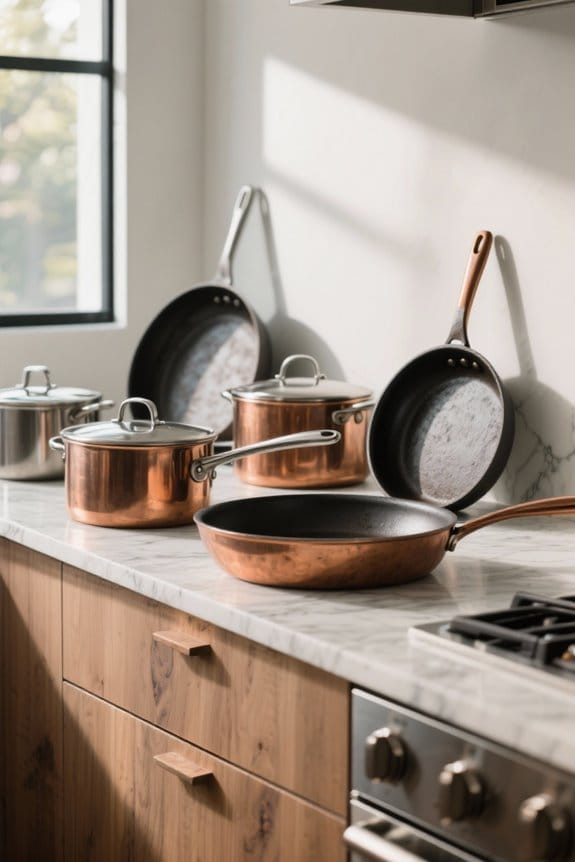
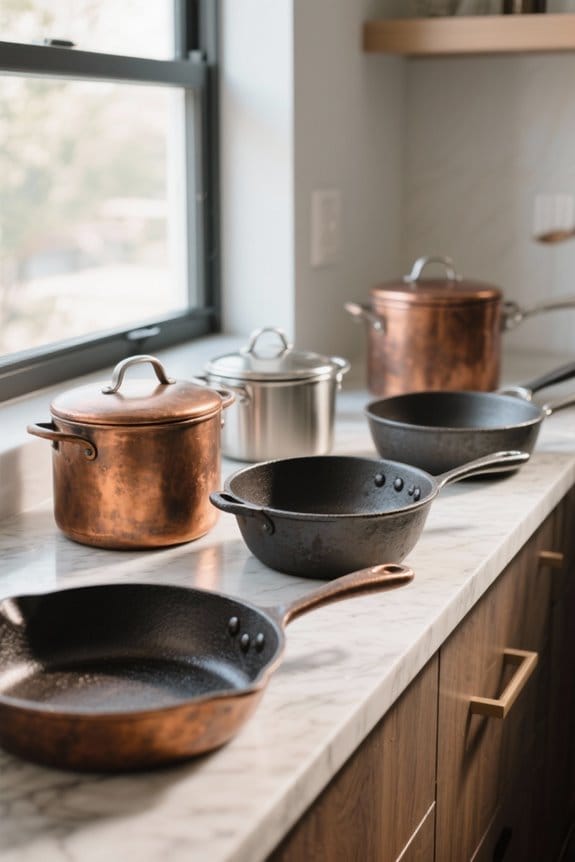
When selecting cookware, it is essential to take into account common reactive metals such as aluminum, copper, iron, and non-stainless steel. These reactive metals can effectively conduct heat, making them popular choices in the kitchen. However, they may also interact negatively with certain foods. For instance, aluminum can leach into food, especially when cooking acidic dishes, potentially affecting flavor and health over time. Cast iron, while beneficial for dietary iron, can also alter food taste and rust when exposed to acids. Copper cookware excels in heat control, yet it can produce toxic copper salts when in contact with acidic foods if not properly lined. Additionally, carbon steel pans require regular maintenance and seasoning to prevent rusting and ensure longevity, highlighting the need for proper care when using reactive metal cookware. Careful consideration of these factors is vital when choosing cookware.
Effects of Metal Leaching on Food Flavor
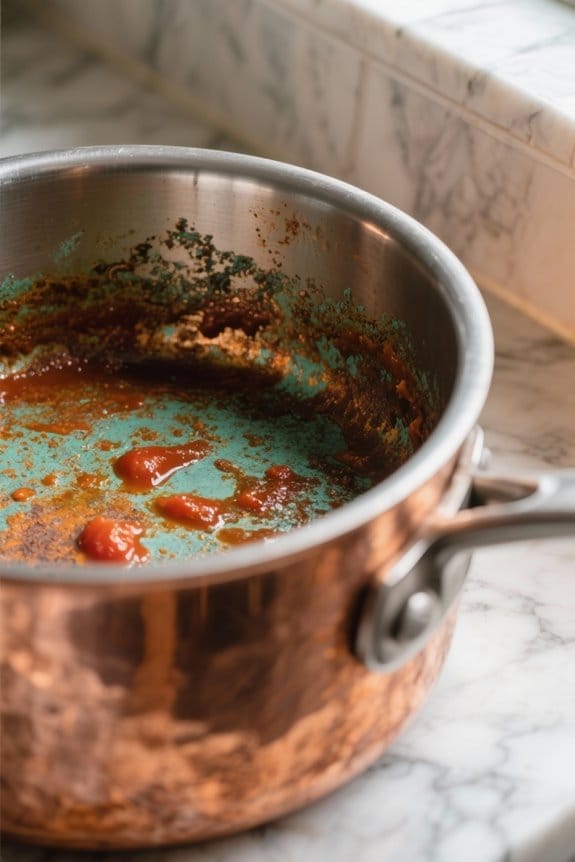
The interaction between reactive metals and food greatly influences flavor. Metal leaching occurs when reactive metals, like aluminum, copper, and iron, dissolve into food during cooking. This is more likely when preparing acidic dishes, such as tomato sauce. A metallic taste can emerge, affecting food quality and overall enjoyment. Copper cookware can impart an undesirable metallic flavor, especially with strong flavors. Similarly, uncoated aluminum can lead to unpleasant tastes in food. Even cast iron can impact flavor, adding iron content to dishes while stripping protective seasonings. The extent of these flavor changes depends on the type of metal, food acidity, and cookware material. Awareness of these factors can help consumers make better choices for improved culinary experiences. Additionally, using pure cordierite pizza stones is ideal for achieving perfectly crispy crusts without altering the taste of the food.
Interaction of Metals With Acidic Foods
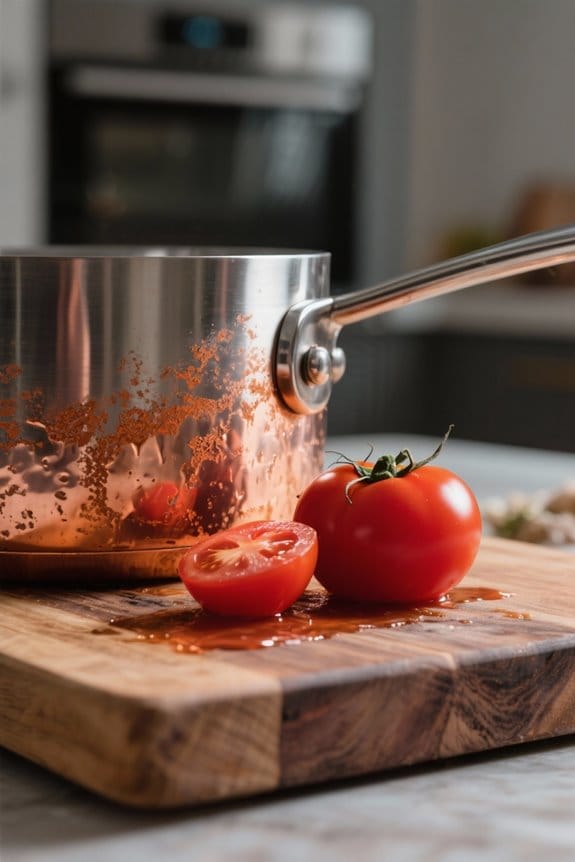
Reactive metals can interact with acidic foods, leading to flavor changes and safety concerns. Metals like aluminum and iron often react with acidic foods such as tomato sauce and vinegar. This interaction can cause a metallic taste and discolor the food. Additionally, the acidic environment can release metal ions into the food, which may pose health risks over time. To avoid these issues, non-reactive cookware such as ceramics or stainless steel is recommended for cooking with acidic foods. Using reactive cookware can lead to corrosion, which may strip protective coatings and even cause rust. For example, while small amounts of iron from cast iron are generally safe, those with conditions like hemochromatosis should be cautious. When choosing non-reactive stock pots, consider heat distribution to ensure even cooking and minimize energy consumption.
Metallic Flavors and Food Safety
How do metallic flavors affect food quality and safety? Metallic flavors can considerably alter the sensory experience of a dish. Reactive metals like aluminum, copper, and iron can leach into acidic foods. This leaching typically occurs in dishes with ingredients such as tomato sauce or vinegar. The result is an undesirable metallic taste that detracts from the food’s quality. Additionally, cooking with these metals can cause discoloration in light-colored foods, such as eggs, making them visually unappealing. While health risks from small amounts of these metals are minimal, it is still wise to use non-reactive cookware, like stainless steel or ceramics. This choice helps guarantee flavor integrity and maintains the overall safety of the food prepared. Using clad cookware can further ensure even heat distribution and durability, thereby enhancing the cooking process and reducing the risk of metallic contamination.
Cooking Techniques With Reactive Cookware
Many cooks appreciate the benefits of using reactive cookware like aluminum, copper, and cast iron. These materials are great for high-temperature cooking techniques such as sautéing and searing. However, it is essential to avoid cooking acidic or alkaline foods in reactive cookware. These foods can react with the metal, leading to unwanted flavors and discoloration. Additionally, deglazing reactive pans with acids should be avoided to prevent flavor alteration and metal leaching. While cast iron can boost iron content beneficial for those with deficiencies, excessive leaching may pose risks for individuals with hemochromatosis. To minimize these interactions, hybrid options like stainless steel with copper layers can offer efficient heating without compromising food safety. Cast iron cookware, like the Lodge BOLD 14 Inch Seasoned Cast Iron Pizza Pan, is popular because of its even heat distribution and non-stick surface, making it ideal for various cooking methods.
Non-Reactive Cookware and Its Benefits
Non-reactive cookware, such as ceramics and stainless steel, offers several advantages for home cooks. This type of cookware does not alter the chemical structure of food, making it suitable for recipes with acidic or alkaline ingredients. While non-reactive materials may have issues with heat conduction, they effectively retain heat, promoting even cooking. Using non-reactive cookware helps maintain the flavor integrity of dishes. It prevents metallic tastes that can arise with reactive materials like aluminum. Additionally, stainless steel is durable and guarantees minimal metal leaching into food. Choosing this cookware can enhance food safety by avoiding chemical reactions that may compromise health, especially for sensitive populations. This makes non-reactive cookware a practical choice for everyday cooking. Many sauté pans are designed with non-reactive materials and backed by lifetime warranties, ensuring durability and performance in everyday use.
Recommended Products

CLEAN COOKING: NanoBond presents an entirely new category of clean-cooking, stick-resistant cookware. It is 4x stronger than typical stainless and is non-toxic and non-reactive, so there is nothing to compromise your food or your health. When you cook with NanoBond, you are cooking with pure flavor. No residue. No flaking. No compromise.

Durable stainless steel construction sandwiched with an aluminum base for superb heat conductivity
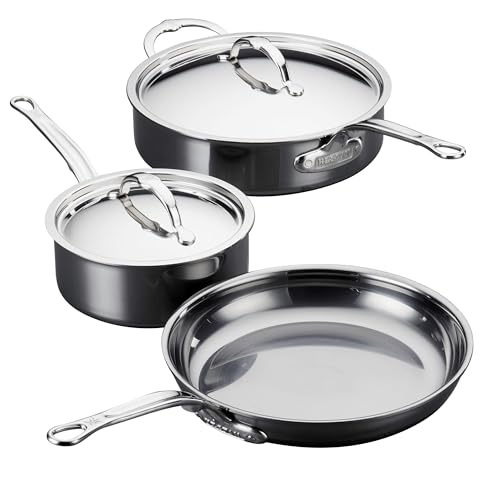
CLEAN COOKING: NanoBond presents an entirely new category of clean-cooking, stick-resistant cookware. It is 4x stronger than typical stainless and is non-toxic and non-reactive, so there is nothing to compromise your food or your health. When you cook with NanoBond, you are cooking with pure flavor. No residue. No flaking. No compromise.
Hybrid Cookware Solutions for Optimal Performance
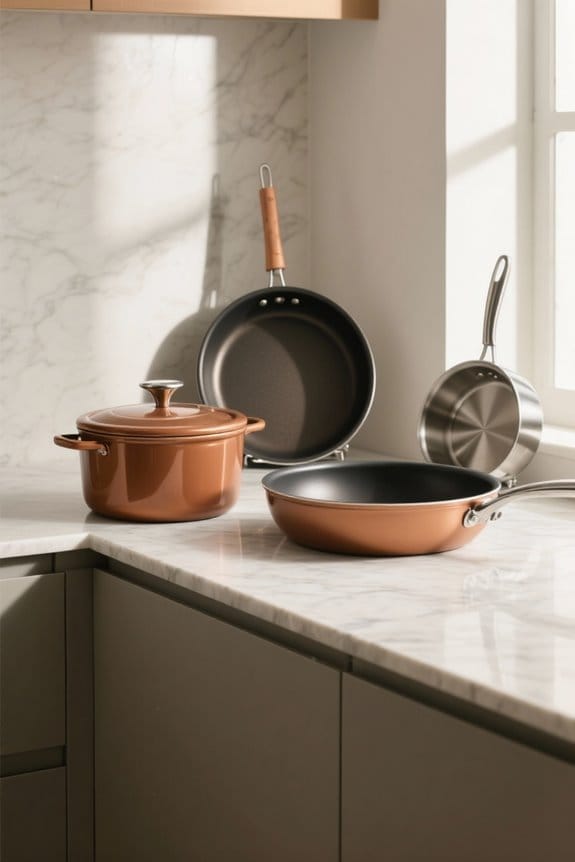
What makes hybrid cookware a desirable choice for many cooks? Hybrid cookware combines reactive and non-reactive elements. For example, stainless steel pans often have copper layers. This design allows for even heat distribution while minimizing reactions with acidic foods like tomato sauce. Cooks can enjoy efficient heat conduction from metals while avoiding unwanted flavors or discoloration in their dishes. The popularity of hybrid cookware has grown among both chefs and home cooks. However, these products come at a higher price due to advanced materials and manufacturing techniques. Potential buyers should consider their budget and maintenance needs before purchasing. Overall, hybrid cookware offers enhanced cooking performance, addressing limitations found in traditional cookware options. Tri-ply construction features an aluminum core for consistent heating, which guarantees precise cooking results across different stovetops.
Recommended Products

Enjoy professional cooking with this 14 piece cookware set which includes 10 inch and 12 inch Fry Pans, 2 Quart and 3 Quart covered Sauce Pans, 3 Quart and 6 Quart covered Sauté Pans, 12 inch covered chef’s pan and an 8 quart covered stockpot

Includes - One 8.5″ and 11″ Skillet, one 1.5qt and 3qt Saucepan with lids, one 3.5qt Sauté pan with lid, and a 6qt stockpot with lid. Handcrafted in Italy with a lifetime warranty; hand-wash and dry with a soft cloth.

Viking 3-Ply Pots and Pans Set, 17 Piece Stainless Steel Cookware Glass Lids, Steamer Insert, Silver
17 PIECE COOKWARE SET: Elevate your home kitchen experience with our Viking 17 Piece 3-Ply Stainless Steel Cookware Set! Ideal for both novice chefs and seasoned chefs, this pot and pan set includes 8 inch, 10 inch and 12 inch frying pans, 4 qt soup pot with lid, 2.25 and 3 qt sauce pans with lids, 5.5 qt casserole pan with lid, and a 1.5 qt milk pan with spouts to provide everything you need to create a culinary masterpiece
Preventing Metal Contamination in Food Processing
Contaminating metal ions can compromise food quality and safety in processing environments. Metal contamination can lead to spoilage and unwanted flavors in food products. Corrosion of metal equipment, especially from aluminum and iron, increases the risk of leaching harmful ions into food. To combat this, using chemically inert coatings, such as Silcolloy®, on metal surfaces is effective. This coating markedly reduces contamination risks and improves processing efficiency. Additionally, implementing preventive measures like adding antioxidant preservatives helps protect food products from metal interactions. Employing non-reactive cookware can further safeguard against unwanted metal exposure. Understanding how food interacts with metal surfaces is essential for ensuring safer food products for consumers in the industry. In modern kitchens, PTFE-free cookware offers a healthy alternative by eliminating harmful chemicals, thereby ensuring food safety and promoting healthier cooking practices.
Future Research on Metal Interactions in Food
Understanding how metal interactions influence food quality is becoming increasingly important. Future research will examine how metals like iron and copper affect the stability and nutritional quality of food during cooking. This includes studying the Maillard reaction and its impact on flavor and texture. Investigations will also focus on how metal ions can either inhibit or enhance the absorption of essential minerals. Additionally, researchers aim to clarify how reactive metals might create harmful compounds in processed foods. They will assess the influence of different metal ion concentrations on food browning and flavor development. Finally, the leaching of metal ions from cookware will be a key area of study, particularly regarding safe exposure levels and allergy considerations.
Frequently Asked Questions
Why Does My Cast Iron Make My Food Taste Like Metal?
The cast iron may impart a metallic flavor to food due to leaching iron ions, particularly when cooking acidic ingredients. This reaction can affect the dish’s overall taste, creating undesired metallic notes in the flavor profile.
Does Metal React With Food?
Indeed, metals can react with food, often through metal corrosion, altering flavors and potentially impacting food safety. Such interactions may influence taste, prompting some to choose non-reactive materials for cooking to preserve food integrity.
What Foods Bind to Heavy Metals?
Certain foods, particularly leafy greens, fruits, legumes, and garlic, exhibit heavy metal interactions. Their composition can influence food absorption rates, aiding detoxification and reducing toxicity by binding to harmful heavy metals in the body.
Why Are Some Metals Reactive Than Others?
Metal reactivity varies remarkably; for example, lithium can react explosively with water. This disparity arises from each metal’s unique chemical properties, particularly their electron configurations and bond strengths, influencing how readily they engage in chemical reactions.