As an Amazon Associate, we earn from qualifying purchases. Some links on this site are affiliate links at no extra cost to you. Our recommendations are based on thorough research and editorial judgment.

What Makes Ceramic Cookware Different From Traditional Nonstick

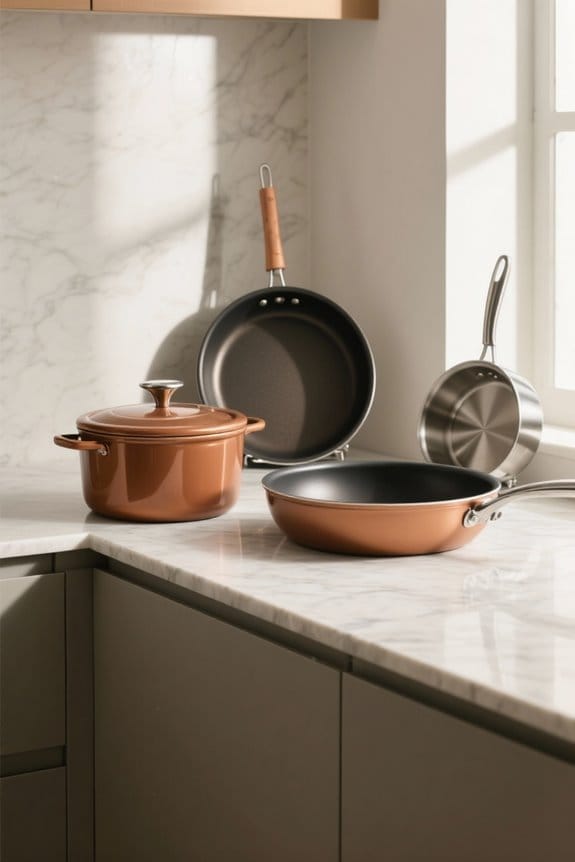
Ceramic cookware differs from traditional nonstick options primarily due to its material composition. It uses natural coatings, such as silicon and titanium, which are safer than Teflon found in traditional nonstick cookware. Ceramic is free from harmful chemicals and heavy metals. While both types allow easy food release, ceramic cookware may chip and scratch more easily. It does not react with acidic foods, maintaining flavors. Further exploration will reveal deeper insights into their performance and care.
Key Takeaways
- Ceramic cookware is made from natural materials and is free from harmful chemicals like PTFE and PFOA, unlike traditional nonstick options.
- Traditional nonstick cookware often utilizes Teflon coatings, which may raise health concerns due to potential PFAS compounds.
- Ceramic cookware is less durable and prone to chipping, while traditional nonstick can scratch or wear down over time.
- Ceramic can handle high-heat cooking without leaching chemicals, whereas traditional nonstick coatings degrade at temperatures above 250°C.
- Ceramic cookware is available in various colors and designs, enhancing kitchen aesthetics unlike the typically utilitarian look of traditional nonstick.
Understanding Ceramic Cookware
You may be interested


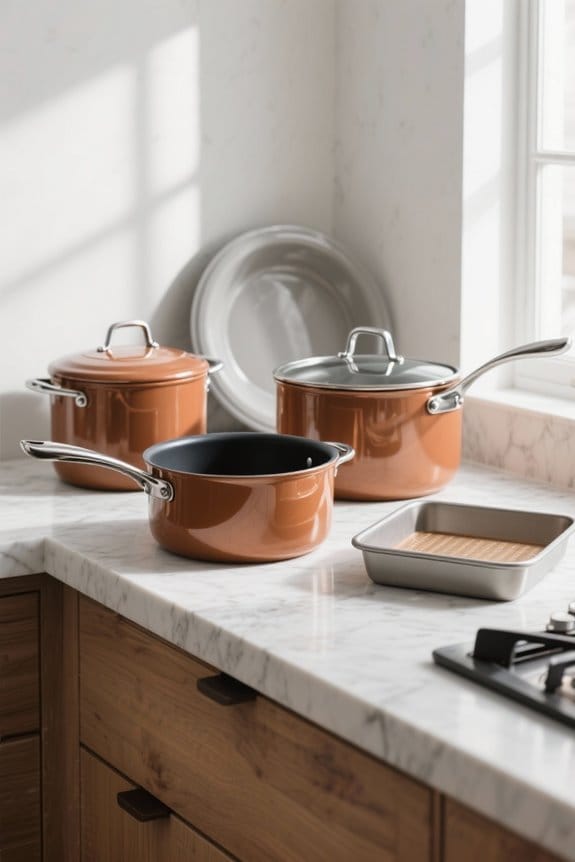
Ceramic cookware offers a modern alternative to traditional non-stick options. It features ceramic coatings made from natural materials like silicon and titanium. These coatings provide a non-toxic alternative to pans containing harmful chemicals such as PTFE or PFOA. Ceramic cookware aims to deliver similar nonstick properties but minimizes the risk of toxic substances leaching during cooking. Additionally, it is generally more eco-friendly and free from heavy metals like lead and cadmium. However, ceramic cookware requires careful handling as it can chip or crack easily. It is typically less suitable for high temperatures and usually requires hand washing. Consumers should consider these traits when opting for this type of cookware for their kitchen needs. A notable advantage is that nonstick ceramic coating facilitates healthy cooking with minimal oil and easy food release.
Exploring Traditional Nonstick Cookware
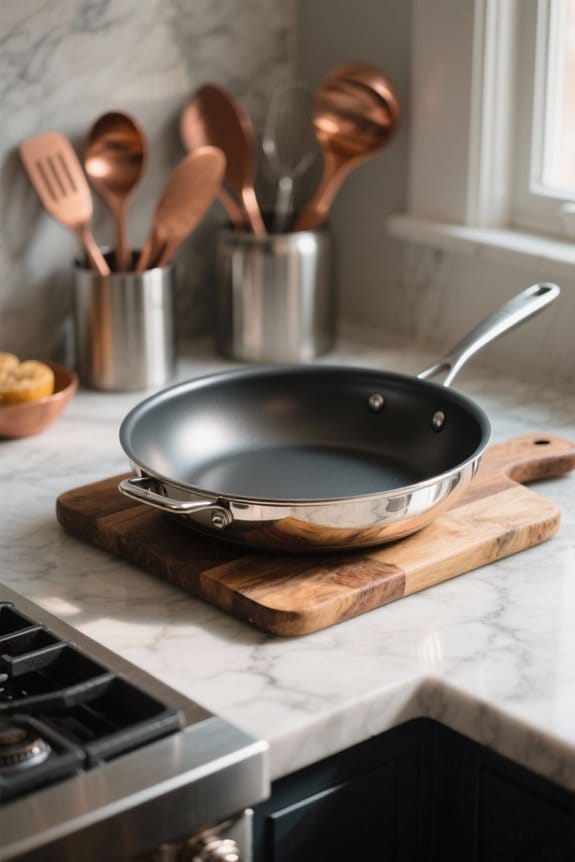
Traditional nonstick cookware remains a popular choice among home cooks for its practicality. These pans are usually coated with polytetrafluoroethylene, commonly known as Teflon. This coating provides excellent food release and helps maintain the flavors of ingredients. However, when exposed to high heat above 250°C, it can degrade and release harmful chemicals. Careful maintenance is essential to avoid scratching the nonstick surface, as wear may lead to decreased performance. Although affordable, traditional nonstick pans often need replacement every few years due to the degradation of their nonstick coating. Many consumers are now considering alternatives like ceramic cookware due to health concerns associated with traditional options. Ceramic cookware often includes toxin-free materials and provides an eco-friendly option for those looking to reduce their environmental impact. To summarize, understanding these factors can enhance the cooking experience.
Advantages of Ceramic Cookware
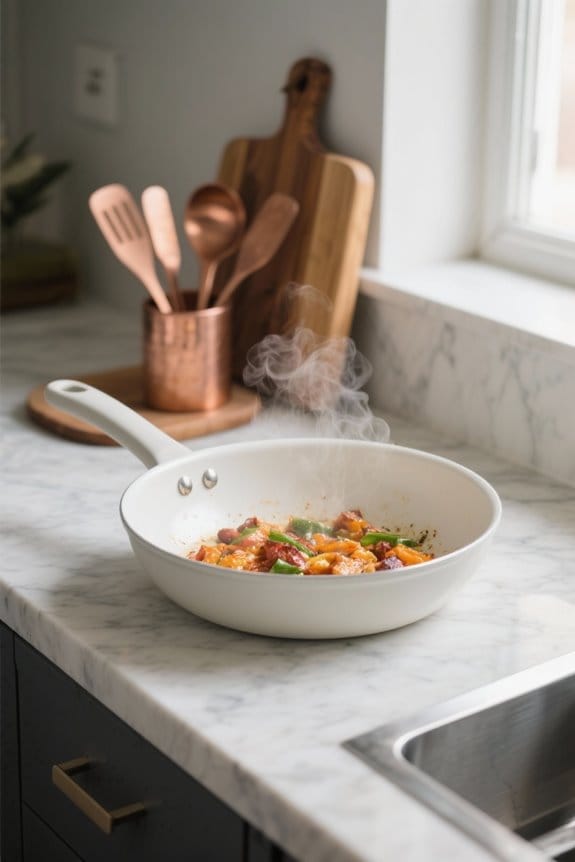
For those looking to enhance their cooking experience, ceramic cookware offers numerous advantages. Its nonstick surface allows food to release easily, reducing the need for oils and fats. This capability supports healthier cooking options and promotes lower-fat meal preparation. Ceramic cookware is known for its excellent heat distribution. It maintains consistent temperatures, preventing hot spots for even cooking. Made from natural materials, this cookware is eco-friendly and free from harmful chemicals. Its non-toxic qualities make it a safer choice for health-conscious users. Additionally, ceramic cookware comes in various colors and designs, adding aesthetic appeal to the kitchen. Despite a higher price point than traditional nonstick options, its benefits make it a worthwhile investment. Furthermore, many ceramic cookware sets, like the SENSARTE Ceramic Cookware Set, are designed to be compatible with all stovetops, offering versatility in different cooking environments.
Considerations of Ceramic Cookware
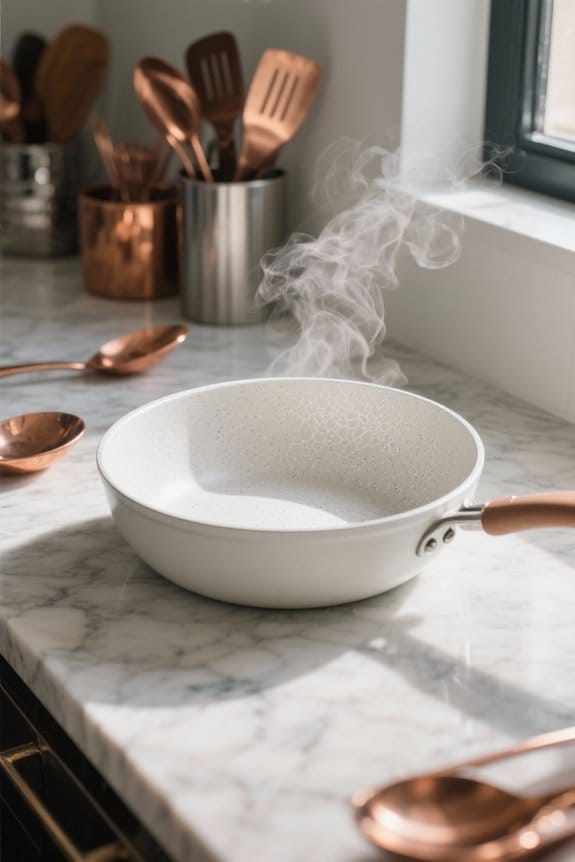
When considering ceramic cookware, several important factors should be taken into account. A ceramic nonstick pan is made from natural materials that typically do not leach harmful chemicals. However, this cookware is prone to chipping and scratching, so non-metal utensils are recommended. It has effective nonstick properties but tends to have a shorter lifespan compared to traditional nonstick cookware. The coating effectiveness diminishes over time. Ceramic cookware does not react with acidic foods, which helps preserve the dish’s flavors. Cleaning is generally straightforward, often just needing soap and a non-abrasive sponge. However, it is not dishwasher-safe and should be hand-washed carefully to maintain its quality. Make certain you choose high-quality ceramic for best results. Non-toxic materials in ceramic cookware reduce risks associated with harmful chemicals, promoting healthier cooking by requiring less oil and fat.
Recommended Products

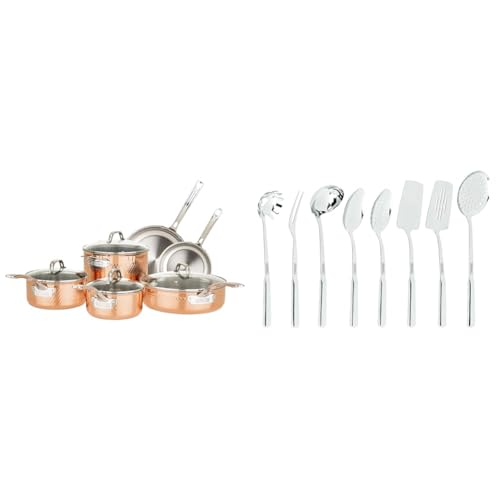
Exceptionally crafted, our stainless-steel cook-set with a copper core offers versatility, durability and optimal cooking performance to fuel your passion for cooking, for years to come

7-piece cookware set.
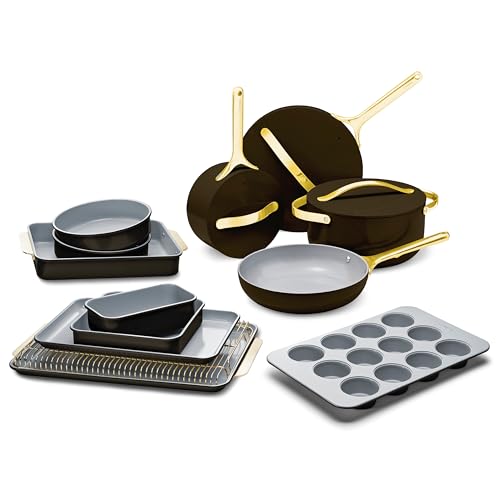
COMPLETE KITCHENWARE SET: Includes 23-piece cookware with 10.5” frying pan, 3 qt saucepan, 6.5 qt Dutch oven, 4.5 qt sauté pan, 3 lids, magnetic pan racks, canvas lid holder, baking sheets, muffin pan, loaf pan, cooling rack, and storage organizers.
Benefits of Traditional Nonstick Cookware
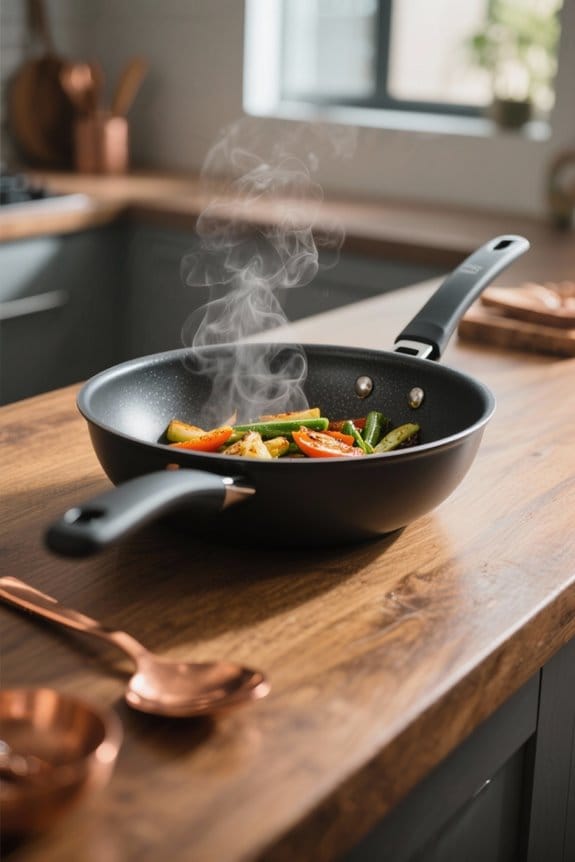
Many cooks prefer traditional nonstick cookware for its practical benefits. This cookware features a smooth surface, making it easy to cook delicate foods like eggs and fish. The nonstick coating allows for effortless food release, reducing the need for excessive oils or fats. Traditional nonstick options are typically more affordable than ceramic alternatives, providing budget-friendly choices for many households. In addition, quality nonstick cookware heats evenly, ensuring consistent cooking results. When used within the recommended temperature limits, it remains safe for everyday use. Moreover, traditional nonstick cookware does not impart off-flavors to the dish, preserving the natural taste of ingredients. With proper care, it can last for several years, making it a reliable kitchen staple. Many nonstick fry pans are now designed to be PFOA-free, enhancing their eco-friendliness and safety.
Limitations of Traditional Nonstick Cookware
While traditional nonstick cookware offers convenience, it has notable limitations that consumers should consider. Many nonstick options use PTFE, or Teflon, which can emit toxic fumes if overheated above 250°C (480°F). Prolonged use often leads to wear and scratching, necessitating replacement every few years. Additionally, some PTFE-coated pans may leach harmful chemicals, raising adverse health concerns. The environmental impact of PFAS compounds in nonstick coatings is another lingering issue. Moreover, traditional nonstick cookware is vulnerable to damage from metal utensils, compromising its nonstick surface. While these pans are easy to clean, their long-term safety and environmental stability are significant factors that consumers must weigh against their convenience. A shift towards non-toxic materials in cookware reflects growing consumer demand for healthier cooking options.
Performance Comparison: Ceramic vs. Nonstick
Ceramic cookware provides a strong alternative to traditional nonstick options with unique performance characteristics. Ceramic pans utilize a silicone and titanium-based coating, unlike PTFE coatings in traditional nonstick cookware. This difference allows ceramic cookware to withstand high-heat cooking methods without degrading or releasing harmful chemicals. Ceramic pans offer even heat distribution, minimizing hot spots and ensuring consistent cooking results. However, their longevity may be shorter than traditional nonstick pans, which typically require less frequent replacement. Health considerations also favor ceramic cookware, as it avoids chemicals like PFOA and PFAS found in some nonstick options. Overall, ceramic cookware works well for those seeking a healthier and versatile cooking experience. Many ceramic skillets, such as those from Blue Diamond, incorporate diamond-infused surfaces that enhance durability and nonstick performance.
Care and Maintenance of Ceramic and Nonstick Cookware
Proper care and maintenance are essential for extending the life of both ceramic and traditional nonstick cookware. Ceramic cookware generally requires hand-washing to maintain its integrity, while nonstick cookware can be easier to clean. However, both types benefit from hand-washing for maximum lifespan. Users should avoid metal utensils with ceramic cookware, as they can cause chipping. Nonstick cookware is also susceptible to scratches if not handled carefully. Cooking with low to medium heat is recommended for both types, as high temperatures can degrade ceramic coatings faster. Regular maintenance includes seasoning ceramic cookware with a light layer of oil after washing. Traditional nonstick cookware requires careful handling to preserve its coating and functionality. Additionally, nonstick coating types vary in durability and food release capabilities, influencing how each should be maintained.
Recommended Products
Product 1: Includes 8-Inch & 10-Inch Fry Pans, 2.25-Quart & 3-Quart Sauce Pans with Lids, 5.25-Quart Sauté with Lid and 8-Quart Stock Pot with Lid. This kitchen cookware set of pots and pans features a stainless steel finish.
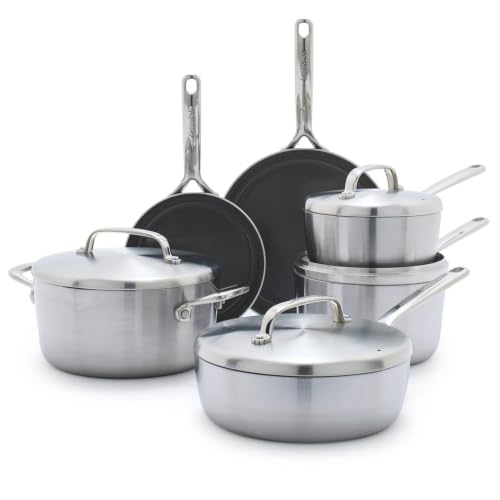
SET INCLUDES: 8” and 10” frying pan, 2.24QT and 3.25QT saucepan with lids, 5QT stock pot with lid, 3.25QT sauté pan with lid, 3 pan protectors, cleaning sponge

Enameled cast iron delivers superior heat distribution and retention; Ready to use, requires no seasoning
Choosing the Right Cookware for Your Needs
Selecting the right cookware can greatly influence cooking effectiveness and overall satisfaction. Health-conscious consumers may prefer ceramic cookware, as it avoids harmful chemicals like PTFE and PFOA found in traditional nonstick options. However, ceramic cookware can chip or scratch easily, necessitating careful handling. It is less suitable for high heat levels compared to traditional nonstick pans, which excel under those conditions. Each type has distinct aesthetics; ceramic cookware often features vibrant colors, while traditional nonstick tends to focus on function over form. Evaluating cooking habits is vital. Consider how frequently you cook and the types of dishes you prepare. Many ceramic frying pans come with super nonstick surfaces, contributing to hassle-free cooking and cleanup experiences. Ultimately, the choice should align with preferences around safety concerns, durability, and visual appeal in the kitchen.
Recommended Products

All-in-one performance: discover the ZWILLING Peak pans - your versatile companion in the kitchen. Enjoy comfort and performance in one pan - The innovative CERAFORCE HyCoat honeycomb coating combines the lightness of non-stick with the resistance of stainless steel - perfect for searing, browning or gently cooking any food.

Caraway 8in + 10in Fry + 12in Fry Set (no lids) + 3Qt+ 4.5Qt Saute Duo Black

28 cm diameter: thanks to the low rim and the large cooking surface, the pan is perfect for searing, braising and slow cooking
Frequently Asked Questions
Is Ceramic Nonstick Better Than Regular Nonstick?
In the culinary arena, ceramic nonstick often takes the lead for safety and heat distribution efficiency, despite a ceramic durability comparison revealing potential longevity issues. Eco-friendly options shine, yet maintenance demands vigilance for peak surface longevity factors.
What Is the Downside of Ceramic Pans?
The downside of ceramic pans includes ceramic durability issues, requiring careful handling and non-metal utensils. Additionally, ceramic maintenance tips highlight the need for hand washing, while ceramic safety concerns may arise with heat retention and cooking performance.
Why Is Everything Sticking to My Ceramic Pan?
Like a painter’s canvas fading, sticking issues arise from poor surface maintenance, improper heat distribution, unsuitable cooking techniques, and neglected pan seasoning. A careful material comparison reveals that even the best ceramic cookware needs diligent care.
Do Chefs Like Ceramic Cookware?
Chefs appreciate ceramic cookware for its eco-friendly options and benefits, including even heat distribution for precision cooking. However, they often weigh durability concerns against preferred cooking techniques, favoring traditional alternatives for high-heat applications.