As an Amazon Associate, we earn from qualifying purchases. Some links on this site are affiliate links at no extra cost to you. Our recommendations are based on thorough research and editorial judgment.


How High Heat Affects Different Coating Types

High heat affects different coatings by altering their performance and longevity. Thermoplastic coatings can withstand temperatures up to 200°F, while thermoset coatings may last up to 500°F. Specialty ceramic coatings excel at temperatures around 1000°C. High temperatures can also lead to issues like inadequate adhesion and cracking due to thermal expansion. Regular maintenance and professional application enhance performance in challenging environments. Further exploration reveals more about selecting the right coatings and their applications.
Key Takeaways
- High-performance coatings vary in heat resistance, with thermoplastic powder coatings tolerating up to 200°F and thermoset coatings enduring up to 500°F.
- Specialty coatings, like ceramics, can withstand extreme temperatures up to 1000°C, making them suitable for high-heat applications.
- High temperatures can cause oxidation vulnerabilities in standard coatings, reducing their durability in harsh environments.
- Thermal expansion can lead to cracking or delamination in coatings that can’t accommodate the temperature changes of the substrate.
- Proper maintenance and application techniques are critical for improving the longevity and effectiveness of coatings in high-temperature settings.
Understanding the Effects of High Heat on Coatings
You may be interested



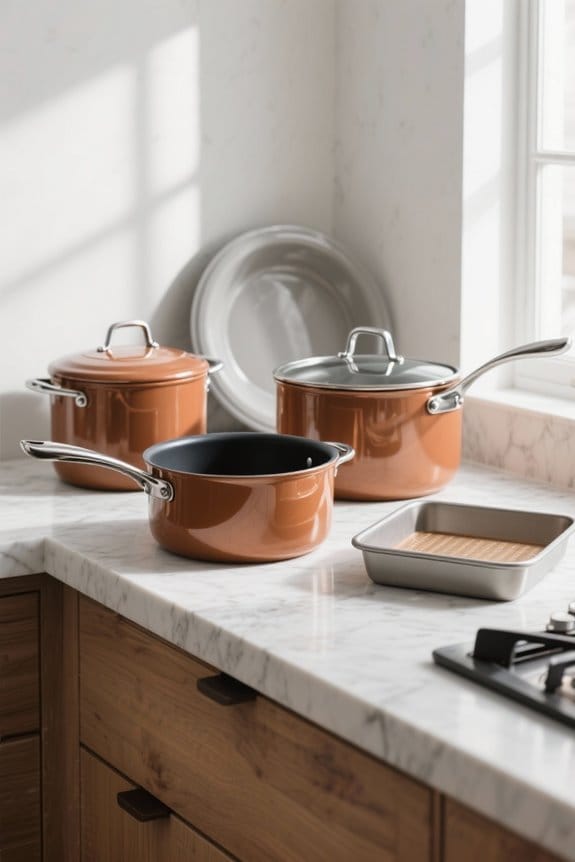
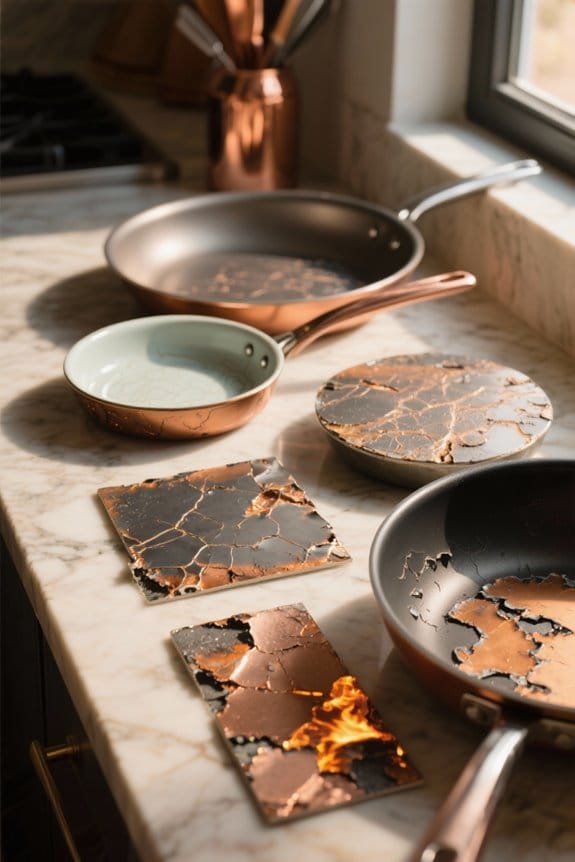
When evaluating the effects of high heat on coatings, it is vital to understand how different types respond to extreme temperatures. High-performance coatings vary markedly in their heat resistance. Thermoplastic powder coatings handle temperatures only up to around 200°F before they begin to lose integrity. Conversely, thermoset powder coatings like fluoropolymer PTFE can endure up to 500°F but may still experience adhesion issues over time. Specialty coatings, such as ceramics, provide superior thermal resistance, coping with temperatures as high as 1000°C without sacrificing protective qualities. Silicone-based coatings also perform well, withstanding temperatures between 200°C and 600°C. To guarantee strong corrosion resistance, selecting the appropriate coating for specific high-temperature applications is vital. In recent years, eco-friendly cookware options have gained popularity for their ability to withstand high temperatures without emitting harmful chemicals, providing a safer cooking environment.
The Role of Temperature in Coating Performance
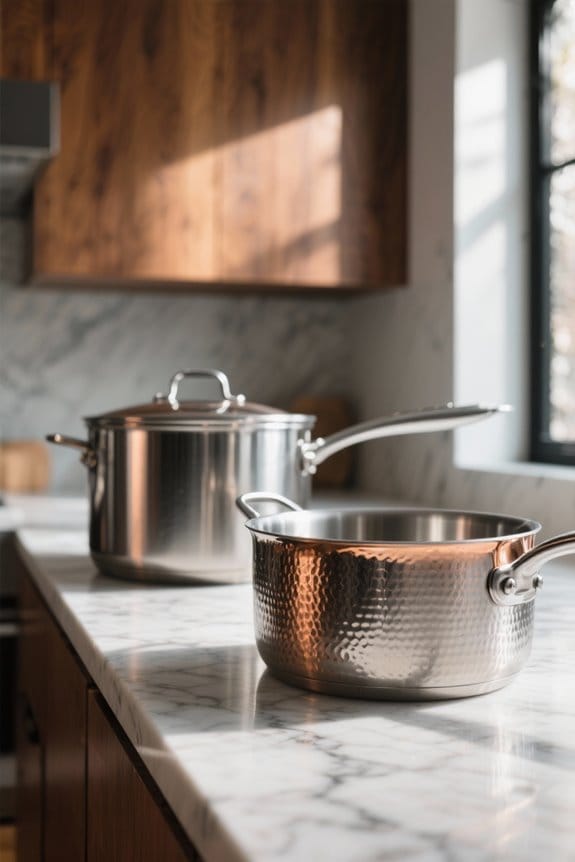
Temperature considerably influences the performance of coatings. Each coating type has a specific temperature range for ideal performance. High temperatures during application can cause rapid drying, leading to issues like cracking and blistering. These defects undermine the effectiveness of the coating. Additionally, coatings may appear well-bonded but can lack secure adhesion if dried too quickly. Proper curing at regulated temperatures is vital. Excessive heat can alter the chemical makeup of coatings. This alteration can lead to premature failure, especially with thermal expansion properties. Each type is designed for specific heat resistance; thermoplastics can withstand lower temperatures than specialty coatings. Consequently, precise temperature management is essential for successful coating technology deployment. Stainless steel racks, like Spring Chef, can handle high temperatures, enhancing durability and preventing warping.
How High Heat Impacts Coating Durability
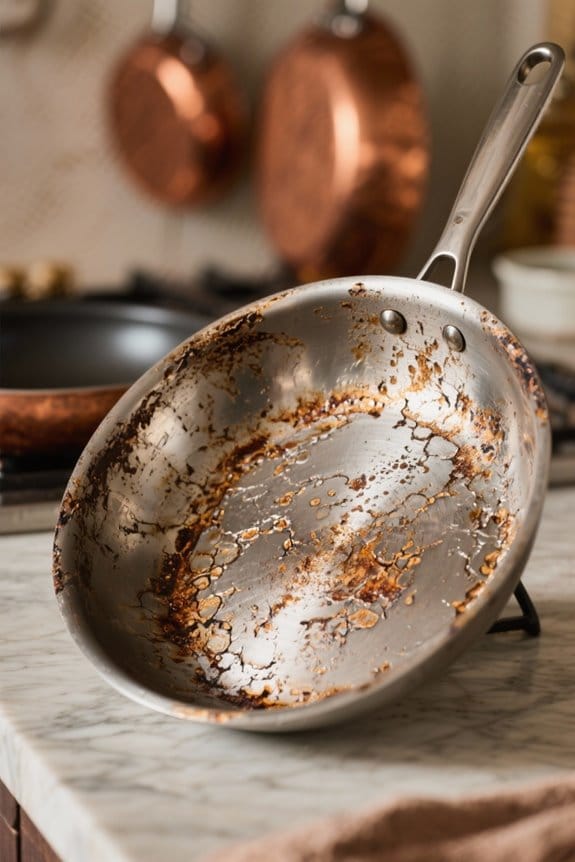
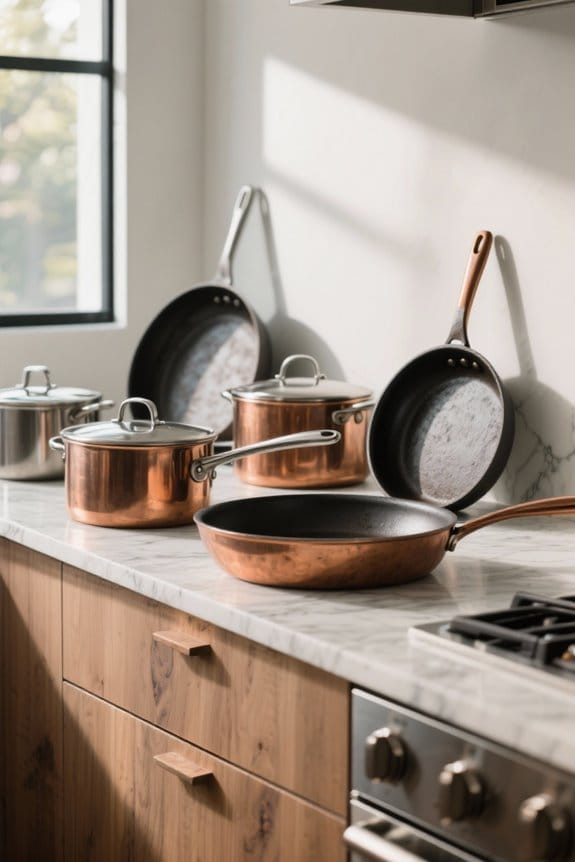
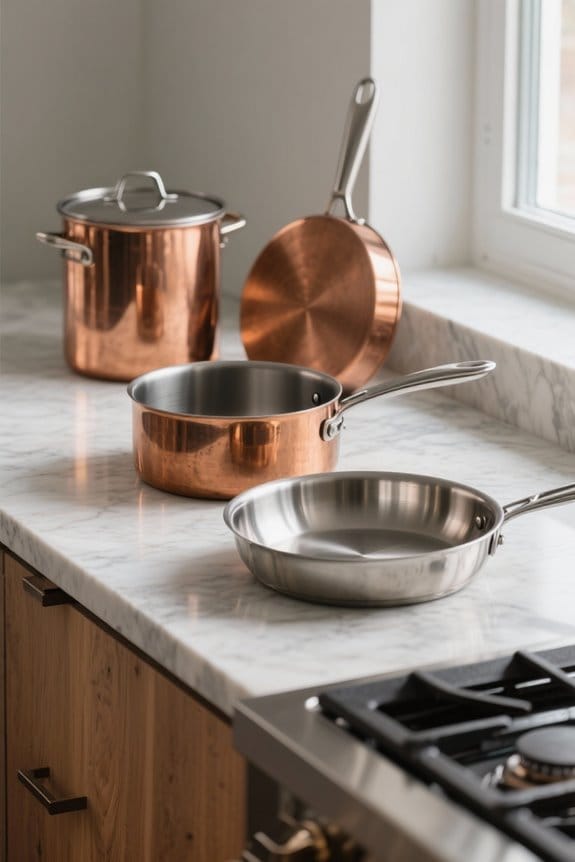
High heat greatly affects the durability of coatings. Standard coatings are often vulnerable to oxidation at elevated temperatures. This can lead to significant deterioration and premature failure. High-heat industrial applications benefit from specialized coatings. For instance, ceramic coatings withstand extreme conditions, maintaining their structure and adhesion at up to 1000°C. Silicone-based coatings also perform well, offering durability in environments ranging from 200°C to 600°C. However, regular coatings like epoxy-phenolic do not fare well over 260°C. Their performance degrades, resulting in a shorter life expectancy. Effective high-temperature coatings can protect against both heat and corrosion, thereby enhancing overall coating durability. Prioritizing 3-ply construction in cookware, such as stock pots, ensures even heat distribution and prevents warping, enhancing the cooking performance. Choosing the right type of coating is essential for long-lasting performance in high-heat applications.
Thermal Expansion and Its Effects on Coatings
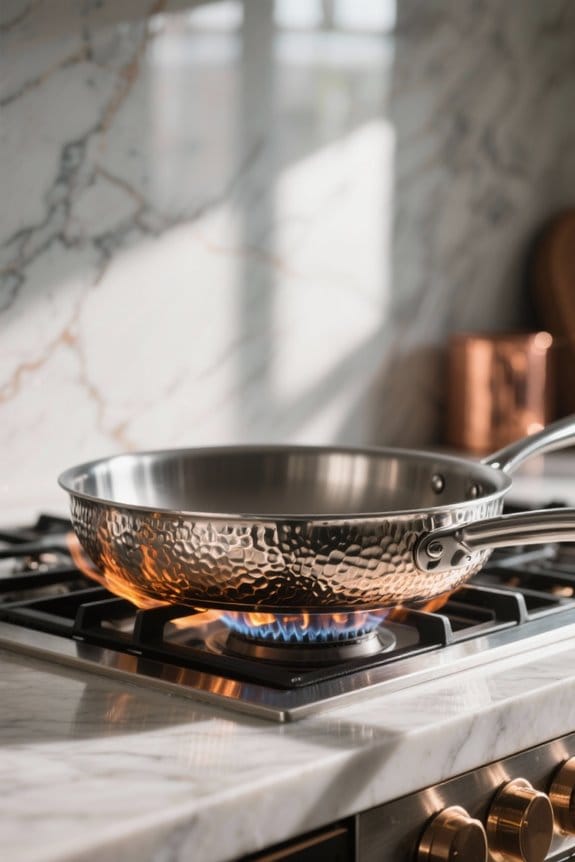
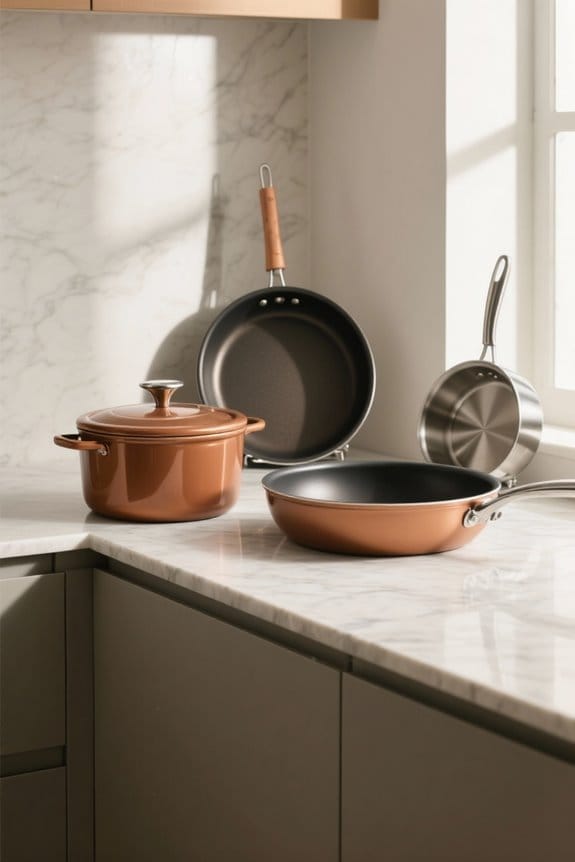
Thermal expansion is an essential factor affecting the performance of coatings in high-heat environments. When exposed to high temperatures, coatings can expand. If they do not adapt well to this movement, they may crack or delaminate. Each type of coating has a distinct flexibility level. High-temperature ceramic coatings often show better thermal expansion resistance than traditional thermoplastic coatings. Fluctuating temperatures can create stress that weakens adhesion, especially in coatings not designed for high-heat applications. In industrial coatings, poor thermal expansion accommodation can lead to premature failure. Selecting a coating that aligns its thermal characteristics with those of the substrate is vital. This guarantees long-term performance and reduces costly repairs in demanding manufacturing settings. Additionally, ceramic sauté pans with a non-toxic coating offer excellent thermal stability, making them suitable for a variety of cooking methods.
High-Temperature Coating Types and Their Applications
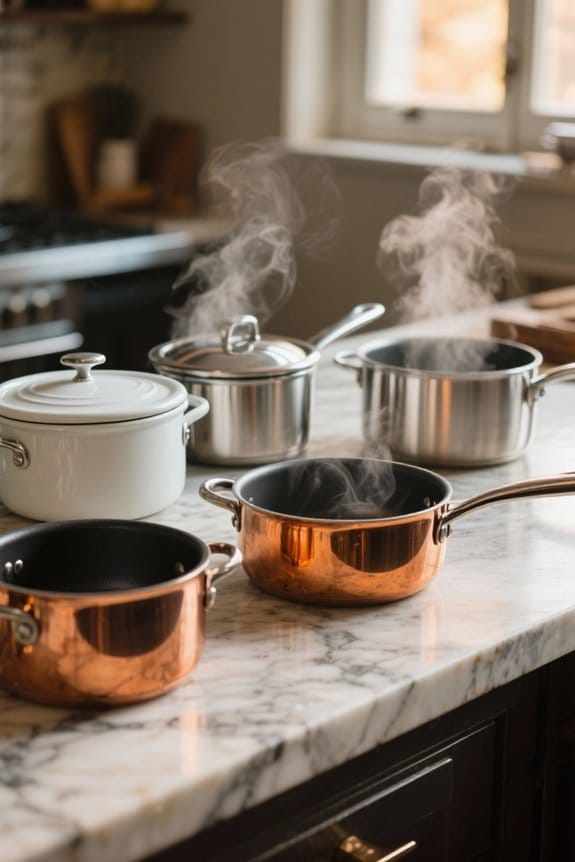
When selecting a coating for high-heat applications, it is essential to understand the different types available. Ceramic coatings offer exceptional temperature resistance, withstanding up to 1000°C, making them ideal for turbine and engine components. Silicone-based coatings function well in environments ranging from 200°C to 600°C, fitting outdoor industrial equipment needs. Epoxy-phenolic coatings handle temperatures up to 260°C and are typically used to protect pipelines and chemical processing equipment from corrosion. Fluoropolymer coatings excel in high-temperature settings, providing a non-stick surface during chemical manufacturing processes. Additionally, zinc-rich primers, used with high-temperature topcoats, enhance corrosion protection, prolonging the lifespan of structures. Small roasting pans, often made from durable materials like stainless steel, are essential tools for efficient cooking in small spaces. Awareness of these high-temperature industrial coatings is vital for proper application.
Evaluating High-Performance Coatings for Extreme Environments
Coatings designed for extreme environments play an important role in enhancing the durability and performance of equipment. High-performance coatings, like ceramic coatings, can withstand extreme temperatures up to 1000°C. This capability makes them suitable for turbines and engines. Silicone-based coatings resist temperatures between 200°C and 600°C, making them ideal for outdoor industrial equipment. Epoxy-phenolic coatings handle up to 260°C and are frequently applied to pipelines. Fluoropolymer coatings offer non-stick properties and endure high temperatures, proving valuable in chemical processing. Additionally, zinc-rich primers enhance corrosion resistance and are often paired with high-temperature topcoats. Natural ceramic surfaces provide a safe cooking alternative by eliminating harmful chemicals. Selecting the right specialty coatings is essential for ensuring reliable performance in challenging conditions. Prioritize coatings based on the specific temperature and environment requirements.
Risks Associated With High Temperature Coating Applications
High temperatures during the application of coatings present several significant risks. Rapid drying at high temperatures can lead to uneven application. This compromises the coating’s adhesion quality. Excessive heat can accelerate oxidation, causing chemical reactions that degrade standard coatings. This degradation can lead to premature failure. Moreover, coatings may suffer from cracking, blistering, and skinning. These issues negatively impact the substrate’s longevity and overall performance. While some high-temperature coatings can endure specific heat limits, exceeding these limits can necessitate reapplication or replacement. Additionally, proper formulation is critical for coatings to resist thermal stress. Inadequate flexibility in coatings can lead to delamination and a loss of protective properties, ultimately impacting their effectiveness. Furthermore, hard anodized cookware offers enhanced scratch resistance and evenly distributes heat, preventing hot spots, which is crucial for maintaining the quality and durability of the coating.
Case Studies: High Heat Challenges in Various Industries
Industries face distinct challenges when dealing with high heat in coating applications. In aerospace, ceramic coatings are designed to withstand extreme temperatures up to 1000°C. They prevent thermal fatigue and oxidation for turbine components. The automotive sector often uses silicone-based coatings effective from 200°C to 600°C. However, improper application can lead to failures. High-temperature epoxy-phenolic coatings are suitable for pipelines, capable of withstanding 260°C, but require careful monitoring to avoid catastrophic issues. Fluoropolymer coatings serve well in chemical processing but may degrade under high thermal stress. Finally, zinc-rich primers are used in extreme environments, yet their performance can decline if paired with inferior topcoats. As a result, selecting the right coating thickness is essential to guarantee durability. In the realm of cookware, non-stick coatings must be PFOA-free to ensure safety even when exposed to high temperatures, as indicated in consumer preferences for healthier cooking options.
Maintenance Considerations for High-Temperature Coatings
Maintenance of high-temperature coatings is essential for ensuring their effectiveness and longevity. Regular inspections help identify early signs of wear, blistering, or cracking caused by thermal expansion and contraction. Maintenance routines should include cleaning to remove debris and contaminants that may compromise the coating’s protective abilities. Visual assessments are important during maintenance, as they can detect potential issues before they worsen. Neglecting maintenance can accelerate oxidation and corrosion, greatly reducing the lifespan of the protected equipment. It is also essential to adhere to manufacturer recommendations for maintenance schedules and procedures tailored to specific high-temperature coatings. Following these guidelines maximizes performance and maintains the integrity of the coatings over time, ensuring continued protection of equipment in high-heat environments. Additionally, using non-toxic materials in coatings can enhance safety and sustainability, aligning with health-conscious practices.
Innovations in High-Temperature Coating Technology
Recent innovations in high-temperature coating technology have considerably improved the options available for protective applications. New ceramic coatings can withstand extreme temperatures up to 1000°C. These coatings are ideal for aerospace and turbine applications. Silicone-based coatings have been designed to endure temperatures between 200°C and 600°C. They offer solid protection for outdoor industrial equipment. Epoxy-phenolic coatings have been enhanced to handle temperatures up to 260°C. This makes them suitable for pipelines and chemical processing. The use of nanotechnology in high-temperature coatings has resulted in improved thermal resistance and durability. Additionally, fluoropolymer coatings have seen advancements that boost their non-stick properties while maintaining high-temperature resistance. These innovations provide robust solutions for various industrial needs. Notably, high-quality ceramic coatings, such as those used in non-toxic baking sheets, ensure healthier cooking by being free from harmful chemicals like PFAS and PFOA.
Selecting the Right High-Temperature Coating for Your Needs
Choosing the right high-temperature coating is crucial for performance and longevity. High-temperature coatings vary considerably based on their thermal resistance. Ceramic coatings suit turbine and engine applications due to their ability to withstand extreme temperatures up to 1000°C. Silicone-based coatings excel for outdoor industrial equipment, functioning well between 200°C and 600°C. For protecting pipelines and chemical equipment, epoxy-phenolic formulations are effective at 260°C. Fluoropolymer coatings offer non-stick surfaces needed in chemical processing. Additionally, zinc-rich primers provide corrosion resistance when paired with high-temperature topcoats. Evaluating the specific operational environment and medium interacting with the coatings is critical. This guarantees the selected coating aligns with the distinct temperature needs and durability concerns.
Professional Coating Application Under High-Temperature Conditions
Effective professional coating application under high-temperature conditions demands specialized skills and knowledge. Coating experts select appropriate high-temperature coatings that can withstand extreme heat without degrading. These coatings are essential to prevent oxidation and other damages. Skilled professionals utilize precise application techniques to guarantee proper curing and adhesion to surfaces. They understand how thermal expansion and contraction can impact coating performance. Proper preparation is fundamental. This includes thorough surface cleaning and priming to enhance bonding with the substrate. Without these steps, coatings risk cracking or delaminating under high heat. By following these guidelines, professionals can assure long-lasting protection and performance, critical in high-temperature environments.
Frequently Asked Questions
What Type of Coating Is Most Resistant to High Heat?
Ceramic coatings demonstrate unmatched durability and high temperature resistance, making them the most suitable option for extreme heat applications. Their heat stable materials can endure temperatures up to 1000°C, providing exceptional protection in demanding environments.
How Does Heat Affect Different Materials?
Heat affects materials by altering their heat conduction properties and influencing thermal expansion effects, which can lead to warping or failure. Additionally, variations in heat resistance capabilities determine a material’s overall stability under elevated temperatures.
Can Ceramic Coating Withstand High Heat?
Ceramic coatings can withstand high heat due to their exceptional durability factors, making them suitable for various applications. Compared to metal coatings, ceramic options offer superior resistance to oxidation and thermal cycling, enhancing performance in extreme environments.
What Material Has the Highest Heat Tolerance?
Ceramic emerges as the material with the highest heat tolerance, boasting impressive thermal conductivity and durability. Its unique properties enable it to withstand extreme temperatures, making it superior to typical heat-resistant alloys in demanding applications.