As an Amazon Associate, we earn from qualifying purchases. Some links on this site are affiliate links at no extra cost to you. Our recommendations are based on thorough research and editorial judgment.

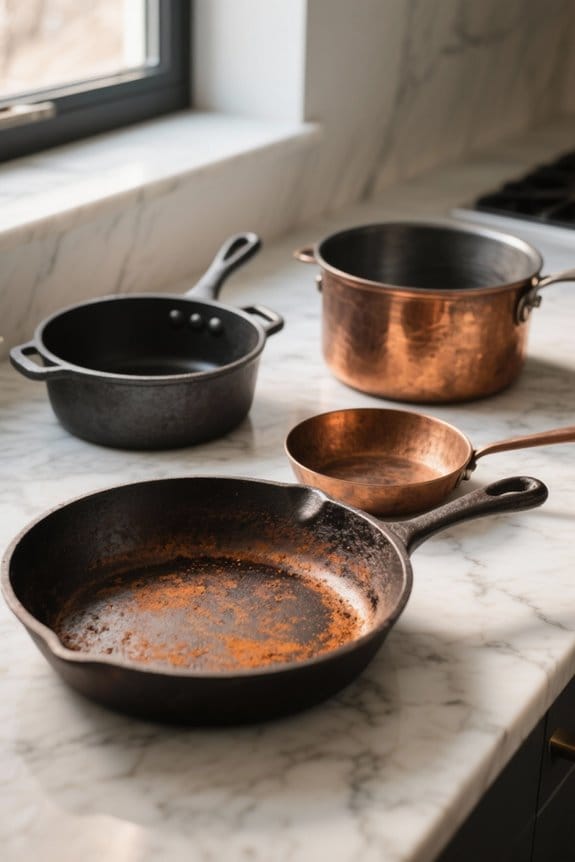
Why Cast Iron Needs Seasoning: The Chemistry Explained

Cast iron cookware needs seasoning to develop a durable non-stick surface and to prevent rust. Seasoning involves applying oil and heating it to create a hard protective layer through polymerization. This process transforms liquid oil into a solid, bonded coating that enhances cooking performance. Using drying oils like flaxseed oil yields the best results due to their ability to form tough films. Proper preparation and maintenance are essential for lasting effectiveness. Understanding this process will improve your seasoning technique.
Key Takeaways
- Seasoning creates a protective layer on cast iron through polymerization, enhancing durability and preventing rusting.
- Heating oils generates free radicals, which facilitate the transformation of liquid oils into solid, hard surfaces.
- Flaxseed oil, a drying oil, forms a tough film that bonds well during seasoning, leading to superior performance.
- Proper seasoning requires thin oil application and controlled temperature to avoid sticky residues and uneven surfaces.
- Maintaining a seasoned surface with regular oil use and avoiding acidic foods preserves the protective layer effectively.
Understanding the Science of Seasoning
You may be interested



When seasoning cast iron cookware, understanding the underlying science is vital. Seasoning involves applying oils and heating them to create a protective layer. This process features polymerization, where liquid oil transforms into a hard surface. Flaxseed oil is commonly recommended as it is a drying oil that forms a durable finish. The chemistry of this process is influenced by iron, which promotes the release of free radicals. Proper temperature control is important. Heating oils above their smoke point allows for effective polymerization. This prevents sticky residues and guarantees even coatings. A well-seasoned cast iron skillet will resist rust and corrosion, maintaining its quality over time. Knowledge of these principles guarantees the cookware remains in peak condition.
The Role of Polymerization in Seasoning
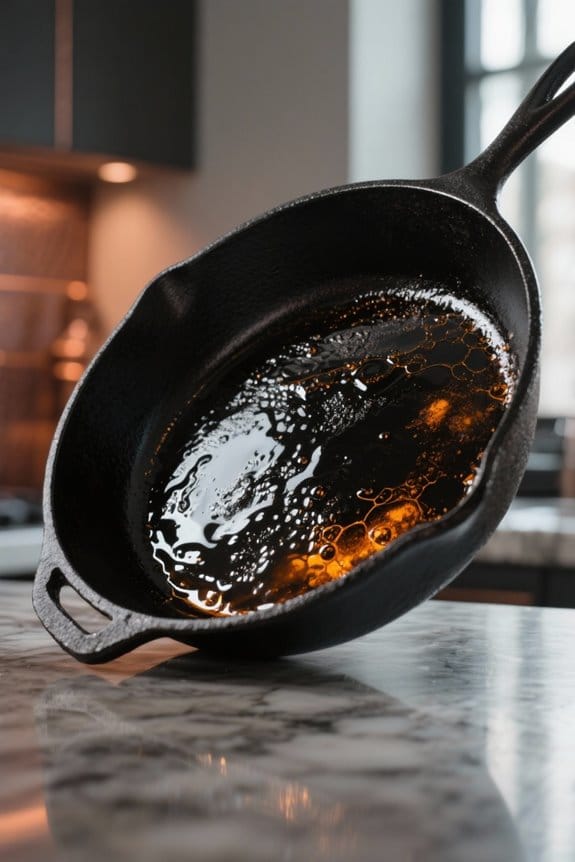
Polymerization plays an essential role in the seasoning of cast iron cookware. This chemical process occurs when oils, like flaxseed oil, are heated to high temperatures. The heat generates free radicals, which facilitate polymerization. This transforms liquid oils into solid, bonded layers. The result is a strong, protective seasoning that adheres firmly to the metal. Drying oils, particularly flaxseed oil, have superior hardening properties compared to traditional cooking oils. During seasoning, high temperatures promote covalent cross-linking of oil molecules. This enhances the durability and corrosion resistance of the seasoned layer. Understanding polymerization helps achieve ideal non-stick performance and longevity of cast iron cookware. Proper seasoning yields a durable finish, making it essential for effective use.
Choosing the Right Oil for Optimal Results
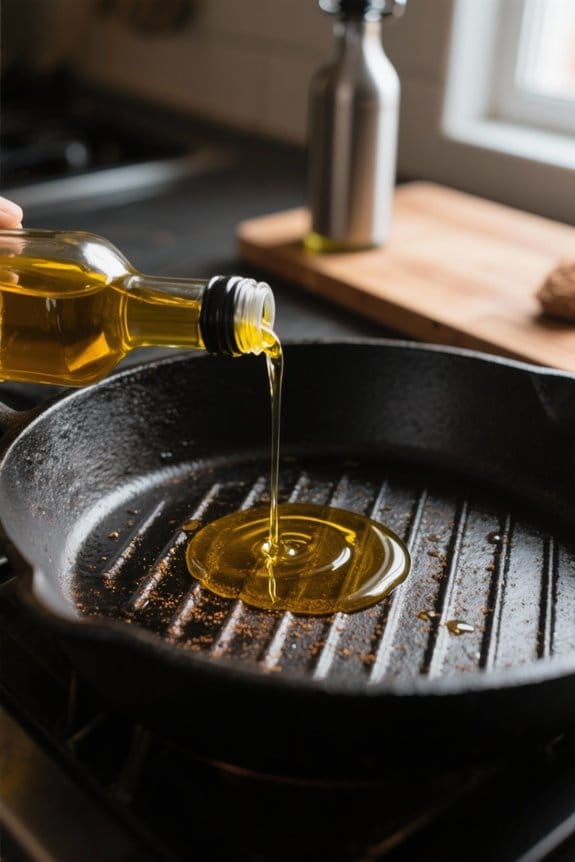
Choosing the right oil is essential for achieving ideal seasoning results on cast iron cookware. Flaxseed oil is often considered the best oil for this purpose. Its high polyunsaturated content allows for superior polymerization properties. This oil forms a tough, hard film when heated, enhancing the seasoning process. Other oils, like vegetable or animal fats, may create softer layers that do not bond effectively. The quality of the oil is critical; using 100% pure flaxseed oil without additives yields better outcomes than refined options. Experimenting with different oils can greatly affect the appearance and performance of cast iron seasoning. The goal is to achieve a smooth finish that resembles a golden brown tint, ensuring durable surfaces for effective cooking. Additionally, non-toxic ceramic coatings on cookware promote healthier cooking with less oil, further supporting the goal of achieving optimal cooking surfaces.
Essential Steps for Effective Seasoning
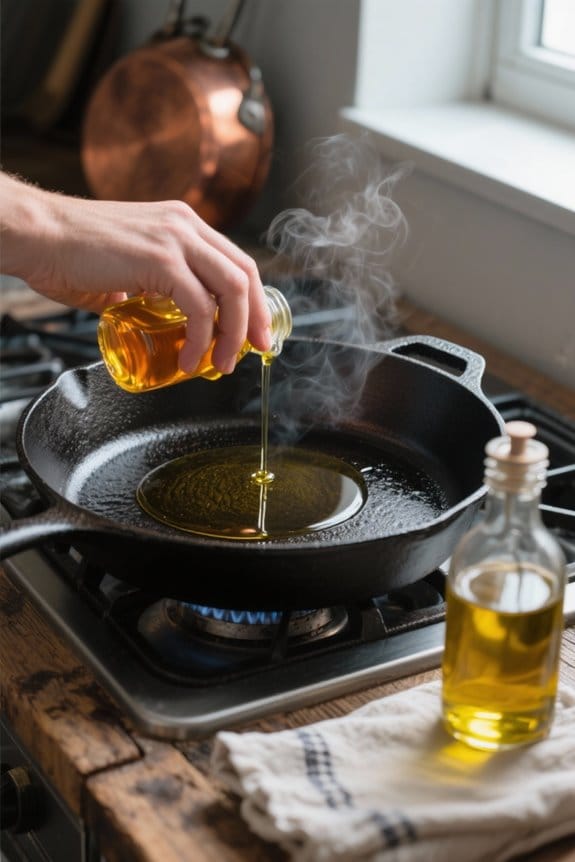
Effective seasoning of cast iron cookware starts with a clean, prepared surface. Begin by removing any old coatings and confirming the pan is completely dry. Next, apply a very thin coat of flaxseed oil, a food-grade drying oil ideal for this process. Excess oil can lead to sticky residues, so verify the layer is even and minimal. Once coated, heat the cast iron at a temperature just above the smoke point. This step encourages the release of free radicals, promoting polymerization, which bonds the oil to the iron. Regular seasoning maintains the pan’s performance. If flaking or stickiness occurs, reseasoning may be necessary to restore the cookware’s effectiveness. Proper preparation is key for successful seasoning. Many cast iron skillets, like the Lodge 12 Inch, have exceptional heat retention and even distribution, making them ideal for various cooking tasks.
Common Mistakes to Avoid While Seasoning
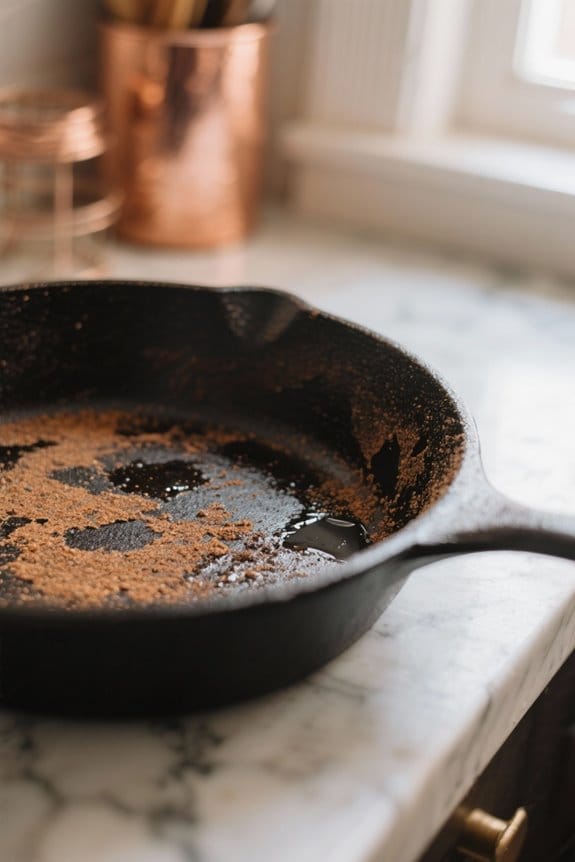
Many common mistakes can undermine the seasoning process of cast iron cookware. First, applying a thick layer of oil can create uneven surfaces and sticky stick residue, hindering polymerization. Next, failing to preheat the pan before applying oil may result in a gummy texture and incomplete seasoning. Rushing the cooling and baking timeline can compromise the durability of the seasoned pan. Additionally, not adequately preparing the cast iron by addressing rust or oil residues can affect the bonding of the seasoning layer. Finally, cooking with acidic foods in newly seasoned pans can strip away essential seasoning. Avoiding these common mistakes will enhance the longevity and effectiveness of cast iron cookware. Choosing a pre-seasoned cast iron pan can save time and effort, allowing for immediate use with enhanced non-stick properties.
Recommended Products

VERSATILE COOKING POWER: This 8", 10.5”, and 12" Enameled Skillet Set is perfect for a wide range of dishes, from searing meats and frying eggs to baking cornbread and sautéing vegetables. The heavy-duty construction of this cast iron cookware ensures consistent results every time.

This is a large cast iron pot with a weight of 20KG/44 pounds
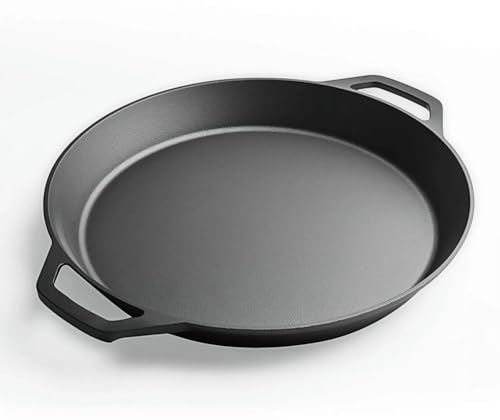
【Durable Nitrided Rust-Resistant Surface】 Experience superior rust resistance without the hassle. Our cast iron pan undergoes a special nitriding treatment, creating a hardened, long-lasting surface that stands up to moisture and heavy use, making it easier to maintain than traditional cast iron.
Maintenance Tips for Long-Lasting Seasoned Cast Iron
Maintaining a seasoned cast iron pan requires consistent care to confirm its longevity and performance. Regular cooking with oil or fat builds and maintains the seasoning layers. This enhances the pan’s non-stick properties over time. After cleaning, apply a light coat of oil. This prevents the seasoning from drying out and protects against moisture that causes rust. Avoid cooking acidic foods in newly seasoned pans, as they can strip the protective layer. If surfaces become sticky or start to flake, reseasoning may be necessary. This can often be resolved by heating the pan to polymerize the oil further. Proper heat management during cooking and thorough drying after washing confirms long-lasting effectiveness of the seasoning. Additionally, excellent heat retention in cast iron ensures even cooking and enhances flavor, making it crucial to maintain the seasoning for optimal performance.
Frequently Asked Questions
What Is the Science Behind Cast Iron Seasoning?
The science behind cast iron seasoning involves iron molecules bonding with polymerized fats through heat, creating a nonstick surface. This enhances cooking properties, improves flavor, provides corrosion resistance, and requires careful maintenance to prolong longevity.
Why Does Cast Iron Have to Be Seasoned?
Cast iron must be seasoned for enhanced cooking performance and food release. This process prevents rust, boosts surface durability, and improves flavor, requiring regular maintenance tips like proper cleaning methods for long-term care and heat retention.
What Is the Science Behind Seasoning Woks?
Seasoning woks involves applying oil to enhance non-stick properties through oil polymerization, improving heat distribution. Proper surface preparation and maintenance tips guarantee durability, supporting various cooking techniques and styles while enhancing flavor through effective seasoning methods.
What Happens if You Use Cast Iron Without Seasoning?
Using cast iron without seasoning leads to rust formation, food sticking, and uneven cooking. Acidic damage occurs, resulting in a lack of flavor and metal leaching. Increased wear and hard cleaning create culinary disappointment in the kitchen.