As an Amazon Associate, we earn from qualifying purchases. Some links on this site are affiliate links at no extra cost to you. Our recommendations are based on thorough research and editorial judgment.

Understanding Perforated Vs Solid Baking Surfaces

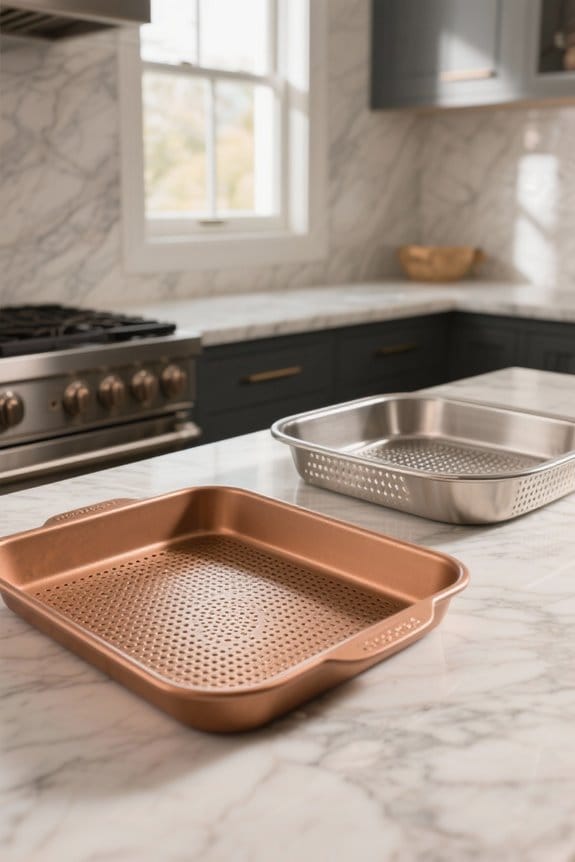
Perforated baking surfaces improve air circulation and create a crispy crust. They shorten baking times and guarantee even cooking. Solid baking surfaces are excellent for heat retention, resulting in a chewier texture. They provide stability for heavier items and can double as serving trays. Perforated pans prevent soggy bottoms, while solid pans retain moisture. Choosing the right surface affects baking results. More details on their ideal uses and maintenance will clarify their specific applications.
Key Takeaways
- Perforated baking surfaces facilitate better airflow, resulting in crispy crusts and reduced baking times for items like pizza and pastries.
- Solid baking surfaces excel in heat retention, providing stability and moisture retention for chewier crusts, making them ideal for breads and thicker baked goods.
- Cleaning perforated surfaces is generally easier due to less sticking, while solid surfaces require a gentle scrub with mild soap.
- Perforated pans promote even cooking through enhanced heat circulation, whereas solid pans may result in longer baking times due to their thickness.
- Ideal uses for perforated surfaces include delicate pastries and cookies, while solid surfaces serve well for heavier items like roasts or lasagna.
Benefits of Perforated Baking Surfaces
You may be interested

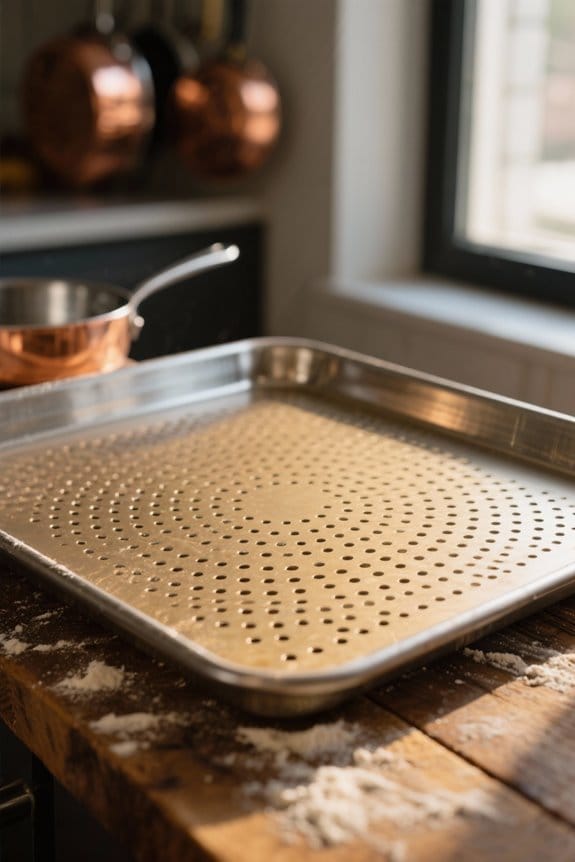
Perforated baking surfaces offer several advantages that enhance the baking experience. These surfaces feature holes that improve air circulation. This design allows moisture to escape, creating a crispy crust on baked goods. They guarantee even heat distribution, which results in evenly cooked pastries. Perforated pans also shorten baking times. This helps prevent undercooking in the centers while avoiding overcooking at the edges. Their non-stick surface minimizes the risk of baked items sticking, preserving delicate shapes and designs. Additionally, perforated baking surfaces are easy to clean. Leftover dough and crumbs do not cling stubbornly, simplifying post-baking cleanup. Overall, these features make perforated baking surfaces a practical choice for both novice and experienced bakers alike. A perforated pizza pan’s non-stick surface ensures easy food release, reducing the need for oils and simplifying the cleaning process.
Recommended Products

FAST, EVEN BAKING: Experience the aluminum pizza screen's excellent thermal conductivity, ensuring quick and uniform baking for perfectly cooked pizzas every time, whether at home or in a pizzeria.

Product 1: Built to Last: This Rachael Ray bake-ware set features heavy gauge steel construction with rolled rim edges designed for easy, everyday use

Revolutionary Artisan Bread Making System: The LoafNest combines a professional non-stick liner with a custom cast iron Dutch oven designed specifically for home bread making, offering a new approach to creating artisan-quality bread
Advantages of Solid Baking Surfaces
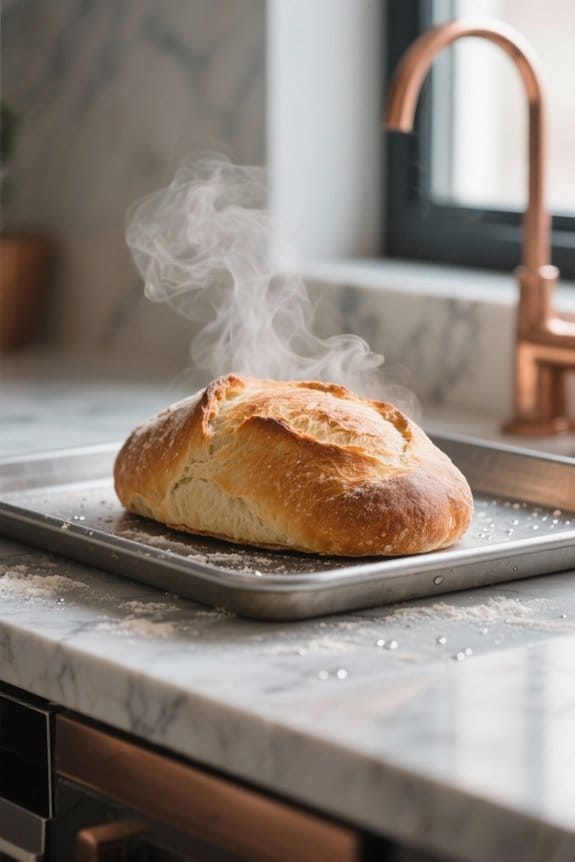
Solid baking surfaces, such as pizza stones and steel, provide distinct advantages in the baking process. These materials offer excellent heat retention, ensuring consistent cooking at high temperatures. This feature is critical for achieving an ideal crust on pizzas. Solid baking surfaces provide stability, creating a reliable base for transferring heavier pizzas without losing toppings. They also retain moisture, resulting in a chewier, thicker crust that is desirable for specific styles. In addition, these surfaces are versatile, serving as cutting boards or serving trays in a kitchen setting. Finally, solid baking tools are low-maintenance, requiring just a simple scrub with a brush and water for cleaning. Cordierite and ceramic materials are specifically chosen for their thermal resistance, ensuring that the pizza stone can withstand high temperatures and provide restaurant-quality baking results. This combination of features makes them an excellent choice for any home baker.
Recommended Products

UNPARALLELED PERFORMANCE: CBO Ovens 1) hold heat longer 2) heat faster 3) can cook in excess of 1000°. All thanks to a proprietary blend of commercial grade refractory cement.

ISLAND FEATURES - The premium MA-957RS (with MASHP + MAPK + MATK) compact 70"W x 24"D x 46"H outdoor kitchen island gas grill arrives almost fully assembled and is made from 304 black stainless steel. This material blends seamlessly to the white granite countertop surfaces on each side of the 32"W stainless steel grill with storage cabinets directly below. You also get stainless steel magnetic double access doors right underneath your grill for extra storage and easy access option plus a fully covered back with vents. Your outdoor kitchen will also come with gliding castor wheels for smooth and easy-to-maneuver movement and increased stability.

FULL STONE FINISH WITH NATURAL CHARACTER – Featuring a complete stone façade and dome with blended gray natural tones, the Pizzaioli Stone Finish delivers a refined, old-world look that elevates any outdoor space. Handmade in Portugal, it’s crafted to be a premium centerpiece that combines authentic craftsmanship with powerful wood-fired cooking performance.
Key Differences Between Perforated and Solid Surfaces
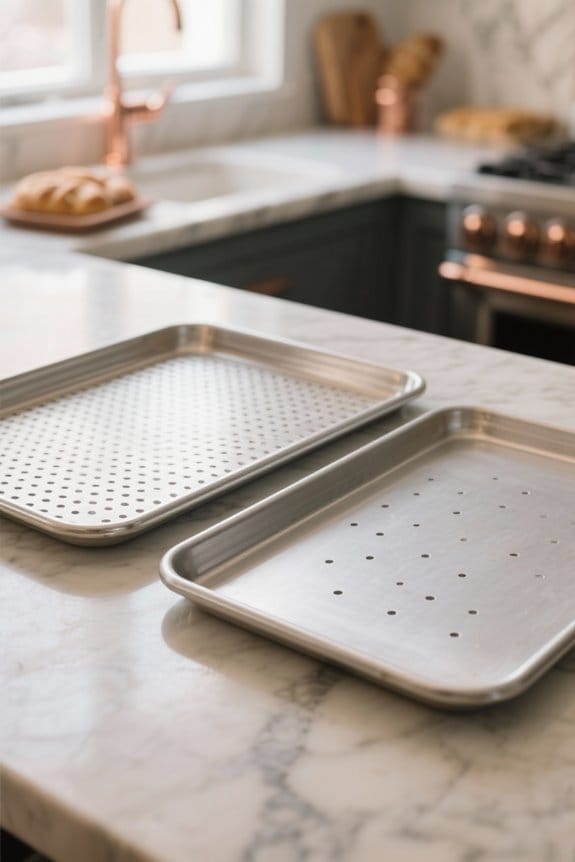
When comparing baking surfaces, distinct differences emerge between perforated and solid options. Perforated pans have multiple holes that allow for better airflow and moisture escape. This feature leads to a crispy crust and promotes even baking. High-quality 18/0 stainless steel is often used in the construction of these pans for its durability and resistance to rust. Solid surfaces, in contrast, retain moisture, which can result in sogginess. They provide stable support for heavy items, ensuring uniform heat distribution. Additionally, perforated pans typically shorten baking time due to enhanced heat circulation. Solid surfaces may require longer baking times due to their thickness. Cleaning perforated surfaces is often easier, as food is less likely to stick. Ultimately, the choice between perforated and solid surfaces depends on personal preferences and the desired baking results, particularly regarding texture and moisture content.
Recommended Products
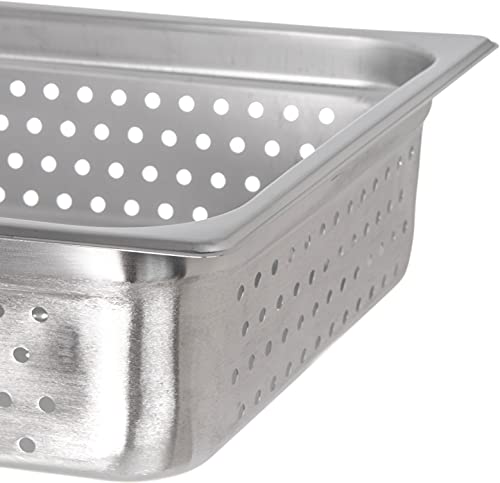
Efficient Steaming and Draining: The Carlisle FoodService Products Durapan Perforated Steam Table Pan features a perforated design specifically crafted for steaming

2-IN-1 COMBO DESIGN - With the charcoal grill and 4-burner gas grill positioned side by side, this grill combines the capabilities of gas grill and charcoal grill, the independently controlled zones are perfect for a variety of cooking needs at gathering, particularly suited for those who desire the versatility of both gas and charcoal cooking.
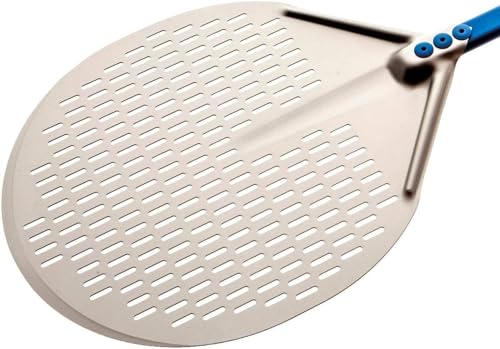
Made in Italy for Professional Use
Ideal Uses for Perforated Baking Surfaces
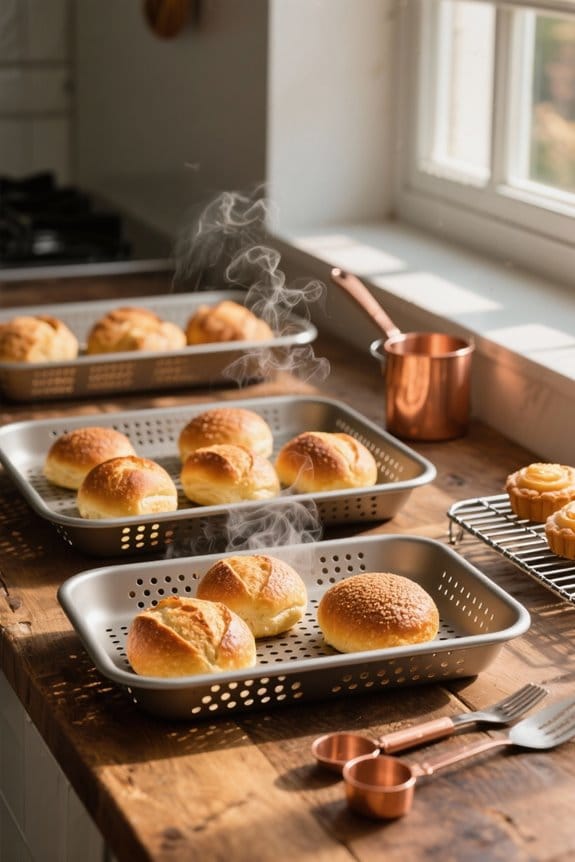
Baking goods on perforated surfaces offers distinct advantages. These surfaces improve airflow, ensuring even heat distribution. This feature helps prevent soggy bottoms in baked items like pizza and pastries. The perforations allow excess moisture to escape, resulting in a crispy crust and ideal texture for bread and cookies. Perfect for delicate pastries, these surfaces minimize the risk of overcooked edges while baking the center thoroughly. Additionally, baked goods achieve enhanced browning due to increased direct heat exposure. Using perforated pans also decreases baking time. Their efficiency in facilitating heat penetration makes them a smart choice for those looking for perfectly baked results. To sum up, perforated baking surfaces excel in creating high-quality baked products. Pizza pans with nonstick surfaces simplify cleanup and ensure easy release of cooked pizzas.
Recommended Products

This shovel stands out for its lightness, like all models of the Azzurra Line by Gi.Metal, which have a lower weight than that of the classic models.

FAST, EVEN BAKING: Experience the aluminum pizza screen's excellent thermal conductivity, ensuring quick and uniform baking for perfectly cooked pizzas every time, whether at home or in a pizzeria.

Great pizza – A motto that Ooni Pizza Ovens live by – We believe that everybody deserves great pizza and our pizza peels have been designed with that sole purpose in mind!
Choosing the Right Surface for Your Baking Needs
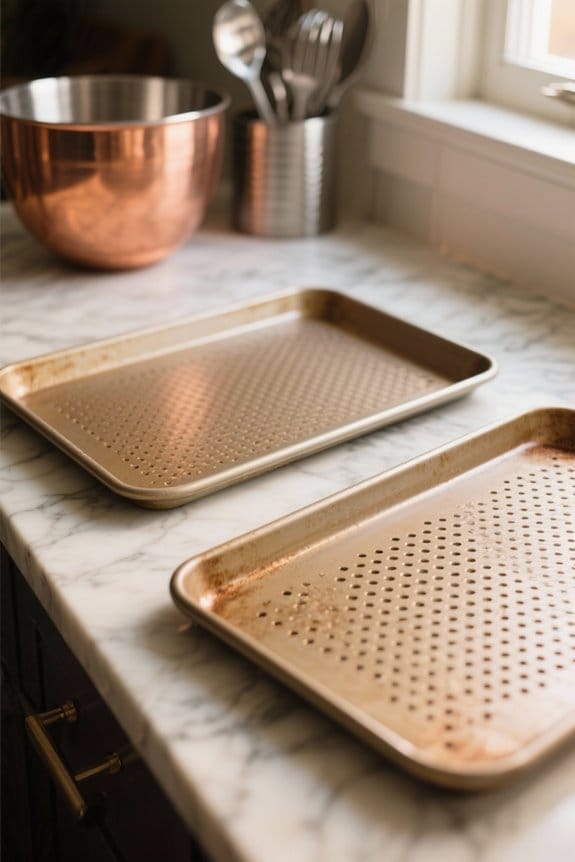
Choosing the right baking surface is essential for achieving desired results in the kitchen. Perforated baking surfaces are perfect for creating a crispy crust. They allow for moisture escape, making them suitable for bread and pastries. The holes also enhance heat distribution, reducing baking time. Solid baking surfaces, such as cast iron or aluminum pans, provide even heat retention. These surfaces are best for thicker items like casseroles and deep-dish pizzas. Understanding the specific baking needs is vital. If a recipe requires a crunchy exterior, perforated surfaces are preferable. For moist dishes needing stability, solid surfaces are best. By matching the surface to the recipe, bakers can achieve optimal outcomes for every dish. Additionally, stainless steel baking sheets are a popular choice due to their excellent heat conductivity and durability, making them ideal for a wide range of cooking needs.
Recommended Products

Durable Construction: 18-Gauge aluminum construction provides durability and even heat distribution

Perforated Baking Sheets: Multi-hole design promotes optimal air circulation for faster, more even baking, perfect for achieving crispy texture, pastries and breads

PROFESSIONAL GRADE: Heavy-duty 19-gauge aluminum construction with wire-reinforced rim for enhanced durability and commercial kitchen use
Care and Maintenance of Baking Surfaces
Proper care and maintenance of baking surfaces can greatly enhance their performance and longevity. Regular cleaning is essential for both perforated pans and solid pans. Perforated pans should be scraped carefully and rinsed gently. Solid pans can be maintained with mild soap and a soft sponge. After use, allowing surfaces to cool completely prevents thermal shocks. Applying food-safe oil on solid surfaces can help reduce sticking and extend their lifespan. Inspection for scratches or warping is vital, particularly for perforated pans. Proper storage, such as hanging or designating a drawer, helps avoid damage. Avoid abrasive materials on either type to maintain their finish and effectiveness in baking. Consistent maintenance is key to achieving ideal results. For durability and high-temperature resistance, consider using heavy food-grade enameled steel pans, which can withstand temperatures up to 932°F.
Frequently Asked Questions
When to Use a Perforated Baking Sheet?
When should one consider using a perforated baking sheet? Perforated advantages include enhanced airflow benefits, improved crispiness factor, efficient moisture control, and reduced baking time, especially beneficial for bread baking, pizza preparation, and achieving ideal cookie results.
What Bakeware Do Professional Bakers Use?
Professional bakers utilize various bakeware materials, including solid metal pans and perforated sheets, ensuring ideal heat distribution, effective dough management, and precise temperature control. These professional tools cater to diverse cookie types and pastry techniques, enhancing surface finishes.
What Is the Difference Between Perforated and Non Perforated Sheet Pans?
Perforated sheet pans enhance heat circulation and crispiness factor, while solid sheet pans offer stability and versatility. Cleaning ease, price comparison, and durability issues differentiate the two, influencing baking techniques and cooking time for various recipes.
What Is a Perforated Baking Tray?
A perforated baking tray enhances baking surface benefits through improved heat distribution and moisture control. Ideal for pastry baking and homemade pizza, it contributes to superior cookie texture and crust crispiness, aligning with professional culinary recommendations for ideal baked goods.