As an Amazon Associate, we earn from qualifying purchases. Some links on this site are affiliate links at no extra cost to you. Our recommendations are based on thorough research and editorial judgment.

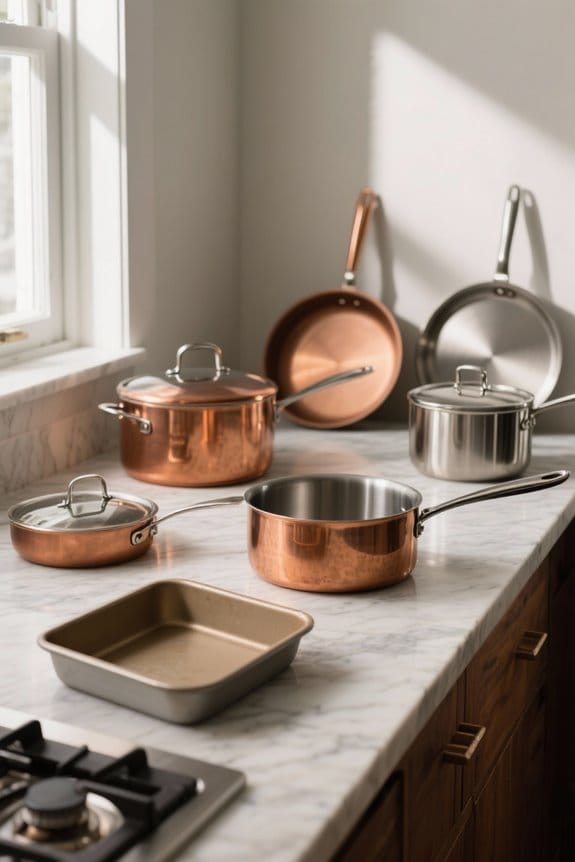
How Different Pan Materials Affect Baking Times

Baking pan materials directly influence cooking times and results. Metal pans heat quickly, leading to faster cooking and even browning. Dark metal pans can over-brown, while light pans may require lower temperatures. Glass pans, heating slowly, retain heat well and need longer baking times. Depth and shape of pans also affect cooking duration. Proper adjustments to temperature and time are essential for success. Understanding these factors can improve baking outcomes. More details can enhance your kitchen expertise.
Key Takeaways
- Metal pans heat quickly, leading to faster cooking, while glass pans heat slowly, resulting in extended baking times.
- Dark metal pans absorb more heat, which can lead to over-browning if not monitored closely.
- When using glass pans, it’s recommended to lower the oven temperature by 25°F for optimal results.
- Specialty pans, like Bundt or tart pans, may necessitate adjustments in time due to their shape and depth.
- The toothpick test is essential across all materials to verify baking doneness regardless of pan choice.
Impact of Baking Pan Material on Cooking Times
You may be interested

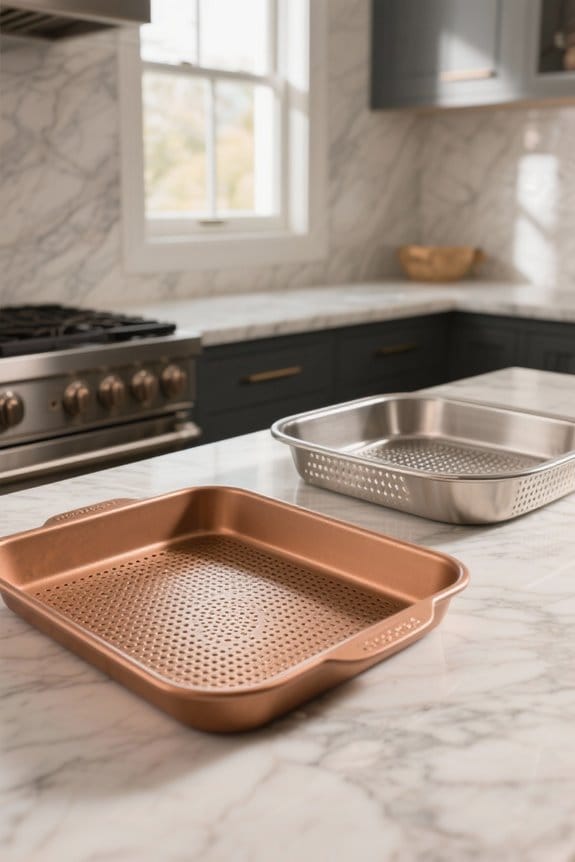
When considering baking, the material of the baking pan substantially influences cooking times. Metal baking pans, especially aluminum, heat quickly and cook food faster due to excellent heat conductivity. In contrast, glass pans retain heat longer, leading to slower cooking. This can often require adjustments to temperature and baking times to avoid overcooked edges. Dark-colored metal pans absorb more heat, increasing cooking speed and necessitating a reduction in baking time. Thicker metal pans can decrease baking time but may cause uneven cooking. On the other hand, thinner pans are at higher risk of burning. Switching between materials will require careful adjustments; glass pans tend to need shorter times while deeper metal pans often require longer times at lower temperatures. Nonstick coating enhances food release, simplifying cleanup and providing a more efficient baking experience.
Characteristics of Metal Baking Pans
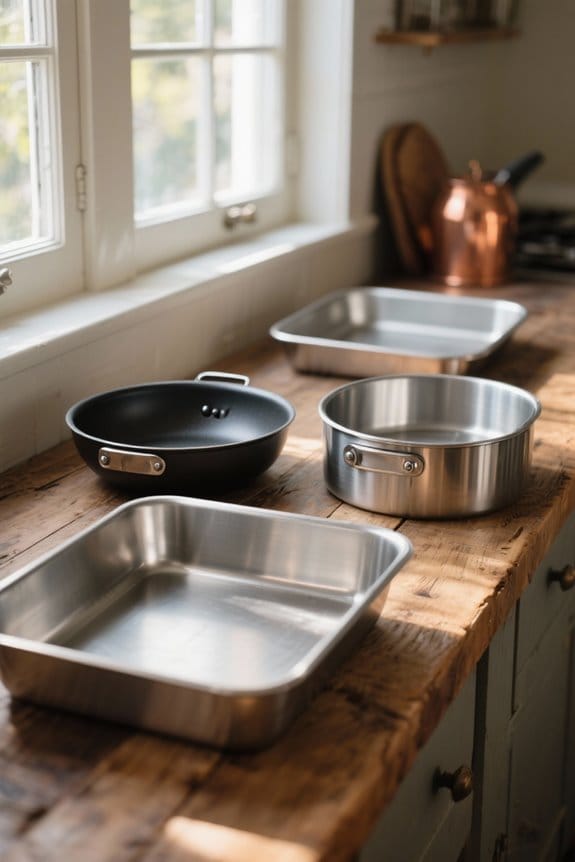
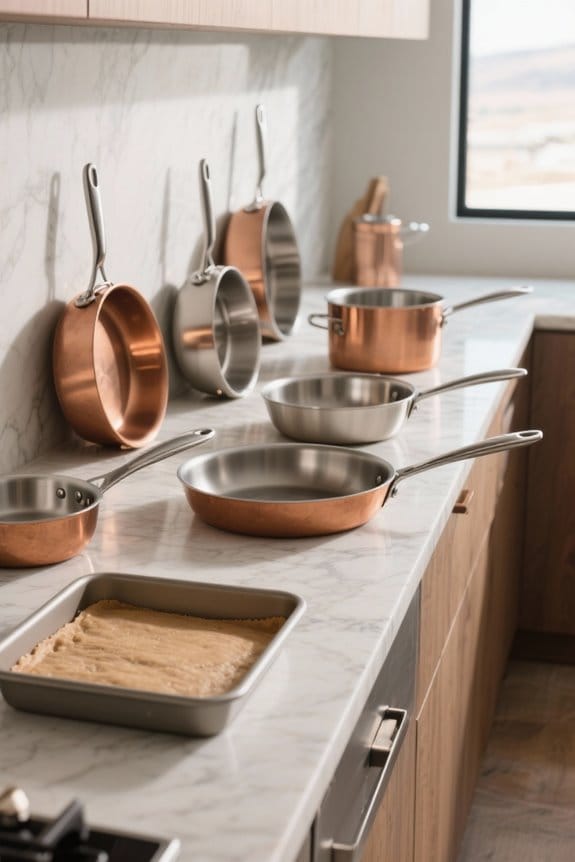
Metal baking pans are popular choices among bakers due to their excellent heat conduction properties. These pans heat up quickly, allowing for even browning and crisping of baked goods. Aluminum pans are particularly effective, offering superior heat distribution and responsiveness. They often require shorter baking times than glass or ceramic options. Dark metal pans can absorb more heat, resulting in faster cooking and potential over-browning. This necessitates careful temperature monitoring. Stainless steel pans are durable but may lead to uneven baking if not high-quality. Metal pans also withstand higher baking temperatures, making them ideal for recipes requiring a quick sear or browning, such as roasting vegetables or baking pizzas. A wide range of non-stick properties enhances ease of use and cleanup for metal baking pans.
Recommended Products

Versatile Use: These high-quality disposable Extra-Deep aluminum pans offer versatility for a range of culinary tasks, from table chafing to baking, roasting, and more. Whether it's for picnics, tailgates, or everyday cooking, they're designed to meet diverse needs with convenience and reliability.

Durable and Reliable: These aluminum foil pans boast a durable build and premium materials, ensuring dependable performance. Whether you're catering a large event or simply cooking at home, rest assured they'll uphold quality, making them indispensable for any culinary endeavor.with 3 Pcs of Serving Utensils as Gift

DURABLE HEAVY DUTY ALUMINUM PANS WITH LIDS: Made from a Heavy Duty Premium recycled aluminum foil material. Heavy duty roasting and reheating pan. Great for use as a chafing pan for all of your catering needs. With our Disposable Foil Lids easily close and seal leftover food items for reheating or refrigeration. No need to worry about cleaning, just throw them in your recycling bin when you are done! Freezer Safe, Refrigerator Safe, Oven Safe, and Dishwasher Safe.
Characteristics of Glass Baking Pans
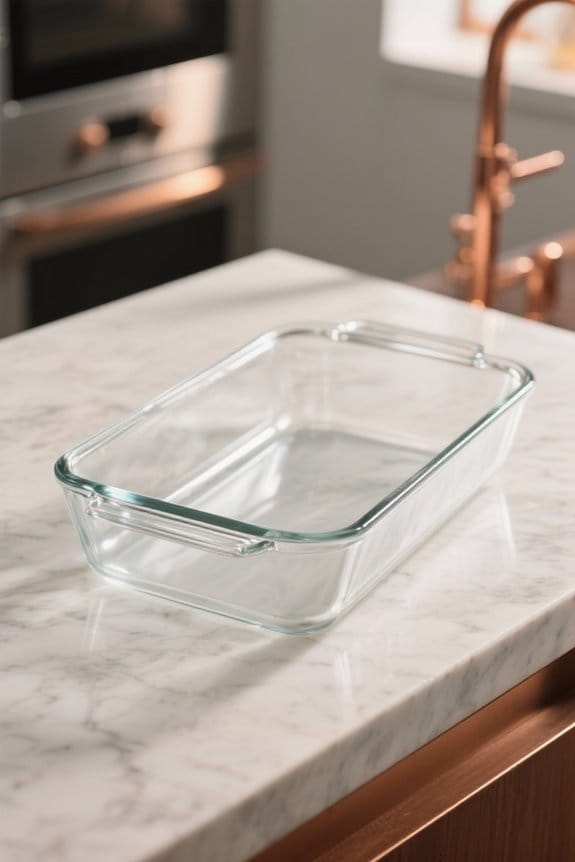
Glass baking pans offer unique advantages for various baking projects. They heat up slowly, showcasing excellent heat retention. This characteristic can lead to reduced baking time for certain recipes. Glass pans are nonreactive, making them ideal for dishes with acidic ingredients like fruits or tomatoes. They provide visual cues, allowing bakers to monitor the doneness of baked goods without opening the oven. However, it is advisable to reduce the oven temperature by 25°F when using glass pans. This precaution helps to prevent overcooking of edges and bottoms. Glass pans are particularly effective for baking casseroles, pies, and bread puddings. For best results, avoid using them for high-temperature projects like broiling. Glass bakeware enhances versatility, suitable for oven, microwave, and dishwasher use.
Recommended Products

Bring a delicate TOUCH to the creation, cooking and presentation on the table of your lasagnes, gratins and roasts with the Emile Henry rectangular oven dish. Made from hr (High resistance) ceramic, It diffuses the heat evenly allowing the food to be cooked perfectly and naturally right to the very centre. It can be taken directly from the freezer and put in the hot oven up to 270c or under the grill
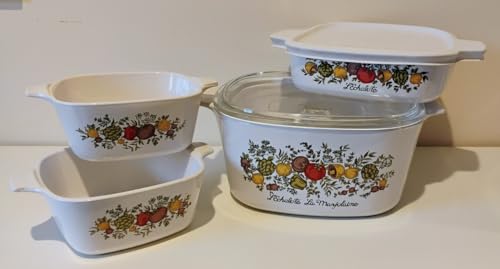
Vintage - no longer in production

CorningWare French White Round and Oval Bakeware set includes one (1) 2.5-quart oval with glass and plastic covers, one (1) 1.5-quart round with glass and plastic covers, one (1) 16-ounce round with plastic cover, two (2) 4-ounce ramekins, and two (2) 24-ounce rounds with plastic covers
Comparison of Heat Retention in Different Materials
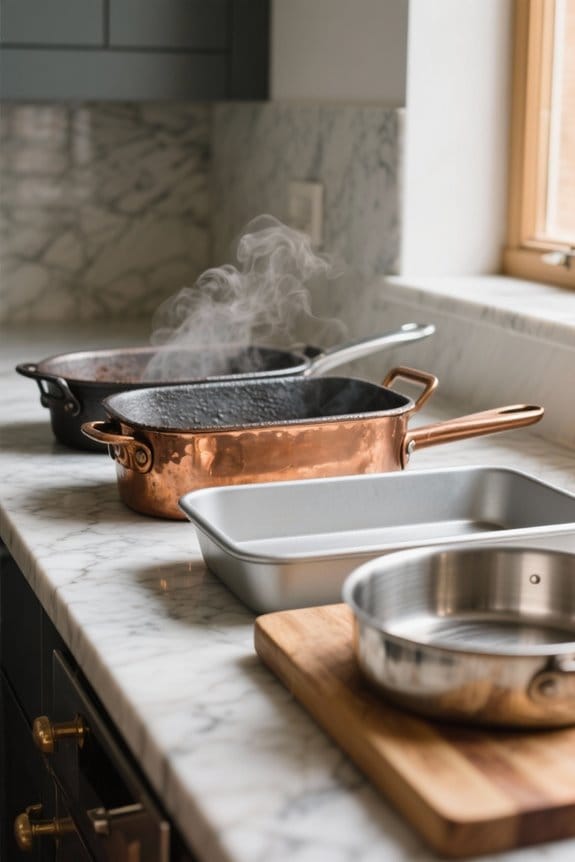
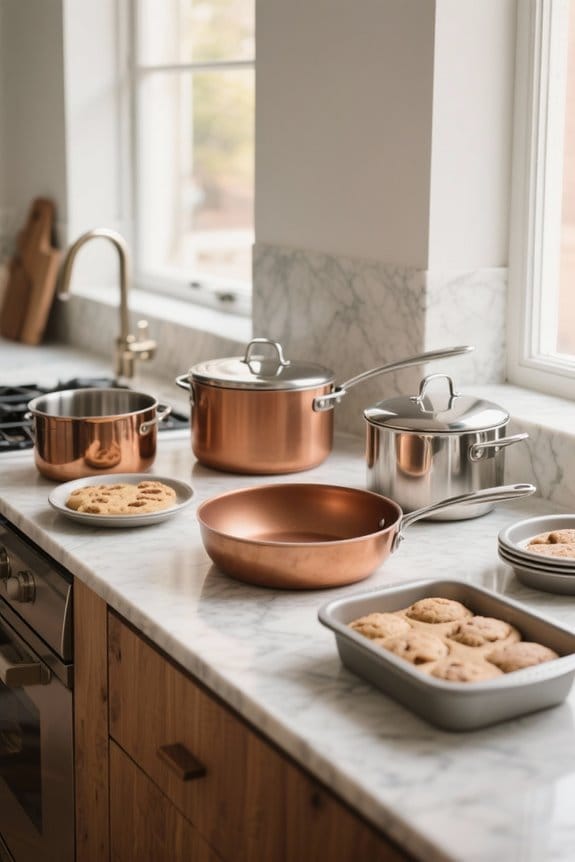
Baking efficiency can vary considerably based on the material of the pan used. Metal pans, particularly aluminum, conduct heat quickly and evenly. This leads to faster baking times and better browning. In contrast, glass pans heat up slowly and retain heat, potentially increasing cooking time. Silicone pans insulate baked goods and often require longer baking durations due to slower heat conduction. Dark metal pans absorb heat more effectively than light ones, resulting in quicker cooking times. Light pans reflect heat, which may prolong baking. Stoneware offers excellent heat retention, benefiting items that need even cooking, such as casseroles and breads. Adjusting the temperature may be necessary when using glass or silicone pans to avoid undercooked interiors. Ceramic nonstick skillets, like those mentioned in the knowledge, are noted for their ease of cleaning and non-toxic properties, which can also influence cooking efficiency.
Recommended Products

High-efficiency heating tube with direct, forced hot-air system

30 in. black seasoned steel flattop cooking surface

30 in. black seasoned steel flattop cooking surface
Best Uses for Metal Baking Pans
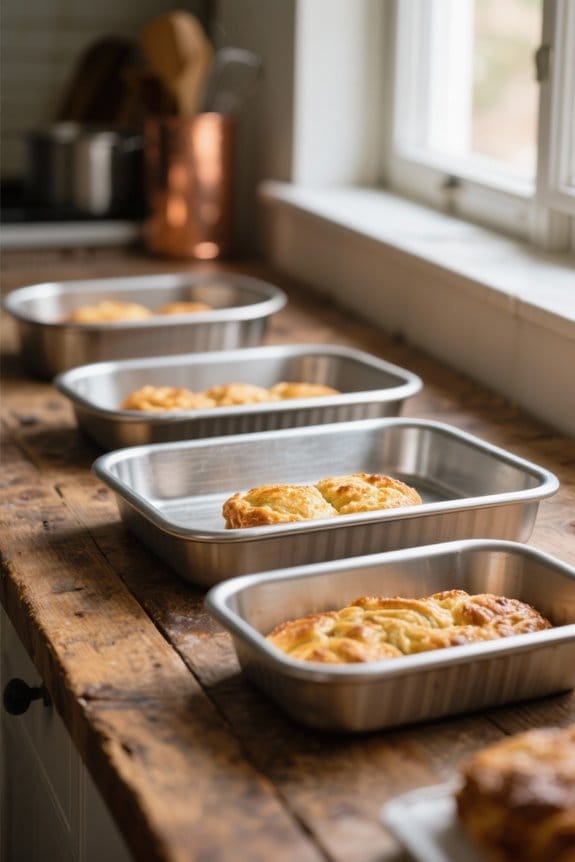
When it comes to baking, choosing the right pan can greatly influence the outcome of the finished product. Metal baking pans are ideal for cookies, brownies, and cakes due to their excellent heat conductivity. This feature promotes even baking and allows for good browning. Dark metal pans excel at creating a crispy crust, as they absorb and radiate more heat. Lightweight aluminium pans offer quick and efficient heat transfer, making them suitable for most baking tasks. Heavy-duty metal half-sheet pans are versatile. They work well for baking cookies, roasting vegetables, and making sheet cakes. However, avoid using metal pans with recipes containing high amounts of acidic ingredients. This can lead to a metallic taste and discoloration in the final product. For those seeking superior heat distribution, aluminum baking sheets are a reliable choice, ensuring evenly baked goods without burnt bottoms.
Recommended Products
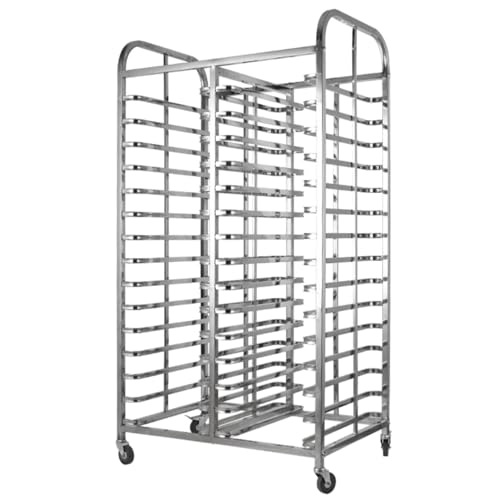
STURDY STRUCTURE: The bread pan rack is made of rust-proof stainless steel material, which has excellent weather resistance and rust resistance, allowing you to use it for a long time. The sturdy rectangular structure and firm fixation make it have super load-bearing capacity, safe and reliable to use.

CARAWAY NOW LIVE ON AMAZON: It's official! We have launched our beautifully designed and consciously crafted bakeware sets on Amazon for everyone to enjoy. It's time to step up your baking game and spruce up your kitchen decor!

MAXIMIZE YOUR STORAGE: This Channel RIR-16KD reach-in refrigeration rack is designed to hold up to (16) full size sheet pans 18x26 or (32) half sheet pans. Perfect for bakers who need tiered cooling racks that save space while boosting capacity.
Best Uses for Glass Baking Pans
Many home bakers appreciate the benefits of using glass baking pans for various recipes. Glass baking dishes are excellent for baking pies. Their nonreactive nature guarantees that flavors remain intact, especially when using acidic ingredients like berries and citrus. Glass pans retain heat longer than metal pans, which helps keep baked dishes warm for serving. It is advisable to lower the oven temperature by 25°F when using glass to prevent overcooking, particularly around the edges. Additionally, due to their slower heating properties, glass pans may necessitate longer baking times. Bakers should regularly check for doneness with a toothpick or cake tester to verify the dish is perfectly cooked. These characteristics make glass an ideal choice for many baking tasks. A key advantage of glass baking pans is their resistance to warping and staining, ensuring durability and easy cleanup across various recipes.
Recommended Products

Integrated Baking & Proofing: Combines a convection oven with a proofer/holding cabinet for a complete baking solution.

All-in-One Solution: Combines a powerful convection oven with a sturdy equipment stand for added convenience.
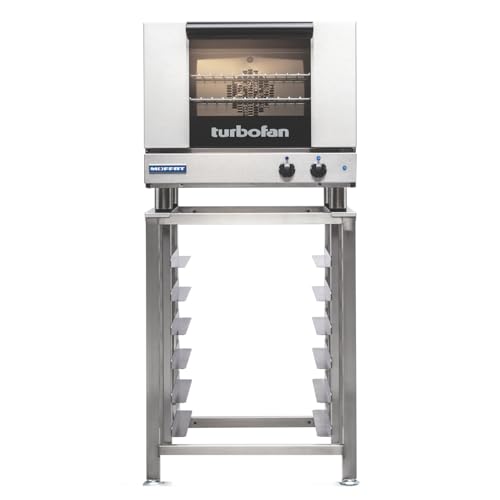
Space-Saving Design: The countertop oven and stand combo maximizes kitchen space while providing a comprehensive cooking and storage solution.
Adjusting Baking Times and Temperatures
Adjustments to baking times and temperatures are essential for achieving perfect results. Metal pans typically heat up quickly, often needing a temperature reduction of 25°F for recipes intended for glass pans. Glass pans may bake items more rapidly due to slower heat conduction, yet require longer baking times and lower temperatures. When using deeper pans, like a 9-inch round cake pan, baking times may increase as thicker batters require more time to cook through. Shallower pans with thinner batters, such as cookie sheets, may need higher temperatures for ideal baking results. Stainless steel braisers, known for their exceptional heat distribution, can also impact baking times due to their efficient heat retention capabilities. Always use a toothpick test near the end of recommended baking times, adjusting further based on pan materials and pan depth to guarantee even cooking.
Influence of Pan Color on Baking Performance
The color of a baking pan plays a significant role in its performance in the oven. Dark-colored pans absorb heat more efficiently. This feature leads to faster cooking and better browning, making them suitable for cookies and tarts. In contrast, light-colored pans reflect heat. This characteristic often results in longer baking times and less browning, which is beneficial for sweet goods to avoid burning. When selecting light-colored pans, it is advisable to lower the baking temperature by about 25°F. Insulated bakeware, typically in light or gray colors, offers slower and more even baking times. This quality prevents overcooking on the outer layers while ensuring consistent cooking performance across the item. Carbon steel pans, known for their excellent heat retention capabilities, can also impact baking outcomes by maintaining consistent temperatures during cooking.
Specialty Pans and Their Effects on Baking
Specialty pans enhance baking versatility with their unique designs and features. Bundt pans and tube pans have depth that requires longer baking times. Their shape necessitates even heat distribution for proper cooking. Springform pans are ideal for delicate desserts like cheesecakes. They allow for smooth removal but can retain moisture, which may extend baking times. Popover pans promote significant rise in pastries with deep wells, often cooking faster than traditional pans. Covered stone bakers excel at making crusty bread, thanks to their steam retention. They can shorten baking times compared to open baking methods. Tart pans, known for their removable bottoms, make presentation easy. However, their shallow design usually requires adjustments to prevent overbaking. Stoneware dishes, like those from Le Creuset, ensure excellent heat retention and even baking results, which can affect baking times.
Frequently Asked Questions
How to Adjust Baking Times for Different Pans?
To adjust baking times, consider pan thickness, material heat conductivity, and size differences. Modify baking temperatures, account for oven hot spots, and adjust cooling times, while being mindful of browning variations across different bakeware materials.
Why Do Different Pans Require Different Bake Times?
In the grand kitchen symphony, different pans, like instruments, play unique roles in baking chemistry. Heat conduction, pan thickness, and moisture retention demand recipe adaptation, ensuring ideal temperature regulation and energy efficiency for each cooking method’s harmonious outcome.
Do Metal Pans Bake Faster?
Metal pans do bake faster due to superior conductivity and heat distribution, enhancing browning effects. Their rust resistance, durability comparison, and ease of cleaning contribute further, positively impacting pie crust performance, cookie spread, and cupcake texture.
How to Adjust Baking Time From 9×13 to 8×8?
To adjust baking time from 9×13 to 8×8, consider pan size adjustment, layer thickness, and moisture retention. Reduce baking time by 10-15 minutes, monitoring for doneness due to differences in heat conductivity and baking chemistry effects.