As an Amazon Associate, we earn from qualifying purchases. Some links on this site are affiliate links at no extra cost to you. Our recommendations are based on thorough research and editorial judgment.

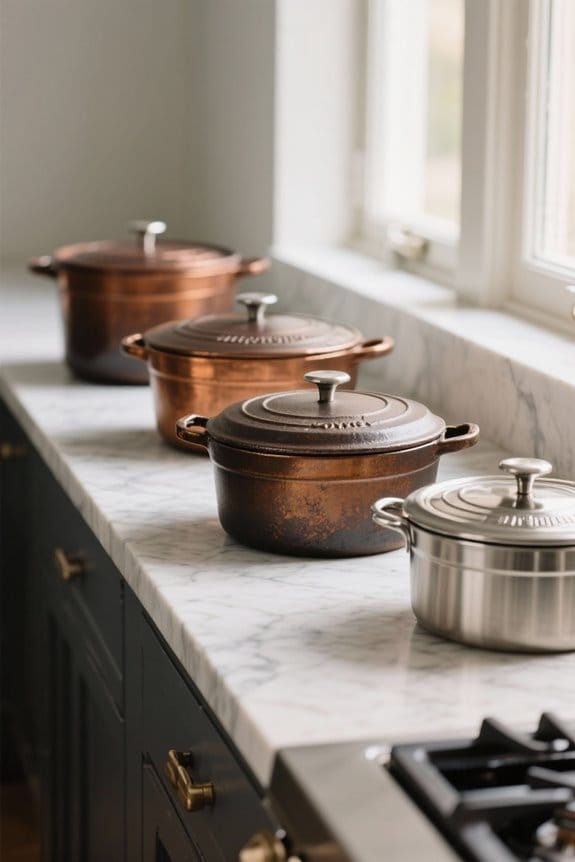
Understanding Low-and-Slow Cooking in Dutch Ovens

Low-and-slow cooking in Dutch ovens uses extended cooking times to develop rich flavors and tenderness. These pots guarantee even heat distribution and moisture retention, which prevents drying out. A tight-fitting lid enhances steam trapping, promoting depth in flavor. Techniques like searing meat improve taste through caramelization. Ideal for hearty stews, pot roasts, and breads, Dutch ovens are versatile tools. Understanding these concepts will enhance cooking outcomes and can inspire new dish creations.
Key Takeaways
- Low-and-slow cooking in a Dutch oven enhances flavor through extended cooking times, making dishes richer and more complex.
- The heavy material of a Dutch oven ensures even heat distribution, allowing for effective and consistent cooking results.
- Searing meat before slow cooking develops depth of flavor via the Maillard reaction, improving dish quality significantly.
- A tight-fitting lid retains moisture, preventing drying out and enhancing sauce richness in dishes like stews and braises.
- Dutch ovens are energy-efficient, maintaining heat effectively and reducing the need for high heating during the cooking process.
The Benefits of Low-and-Slow Cooking in Dutch Ovens
You may be interested


Low-and-slow cooking in Dutch ovens offers significant advantages for enhancing the overall cooking experience. This method excels at developing depth of flavor through extended cooking times. Dutch ovens guarantee excellent heat retention, making them ideal for tenderizing tough cuts of meat via braising and stewing. Cooking at lower temperatures prevents the drying out of ingredients, preserving moisture retention for richer dishes. The versatility of Dutch ovens supports various cooking methods, such as searing and slow roasting. These techniques allow for caramelization before simmering, maximizing flavor extraction. Additionally, Dutch ovens are energy-efficient. Their ability to maintain heat reduces the need for high heating levels, leading to a satisfying cooking journey while achieving tender and flavorful results. A key feature of Dutch ovens is their moisture-locking lid, which enhances the flavor of dishes by retaining steam during the cooking process.
Heat Distribution and Moisture Retention Explained
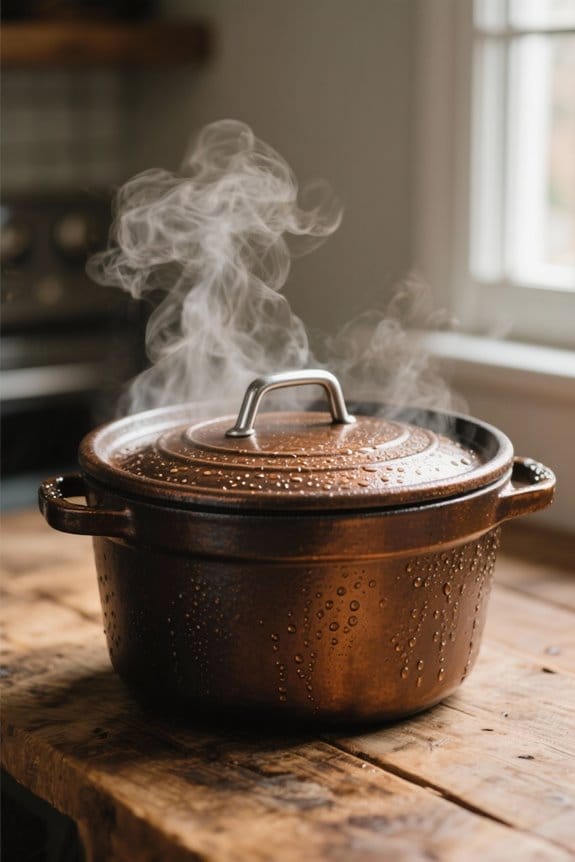
The design of a Dutch oven plays an essential role in its cooking effectiveness. Its thick, heavy materials guarantee even heat distribution. This feature supports consistent cooking temperatures throughout dishes. In low and slow cooking, recipes benefit from the Dutch oven’s effective moisture retention. The tight-fitting lid traps steam, which circulates and condenses back into the dish. This enhances flavor and tenderness. Unlike slow cookers, Dutch ovens allow stovetop and oven use for added flexibility. Cook times are usually shorter, taking 2-3 hours instead of 6-8 hours. Monitoring liquid levels is critical to avoid excessive evaporation. This allows for sauce reduction, increasing flavor complexity in Dutch oven recipes. Collectively, these elements enhance the cooking experience. Cast iron cookware is appreciated for its heat retention efficiency, which optimizes cooking performance and contributes to excellent results in low-and-slow techniques.
Essential Techniques for Dutch Oven Cooking
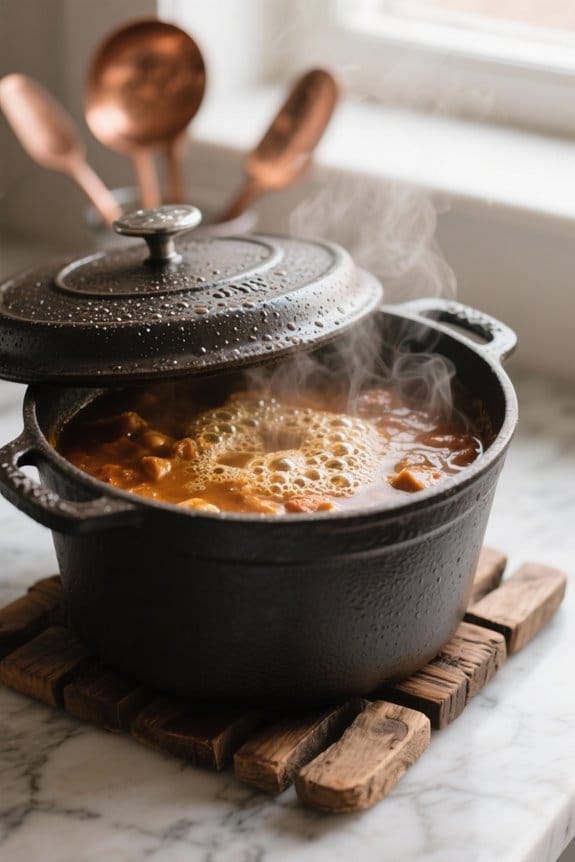
Mastering the essential techniques for Dutch oven cooking can greatly enhance a home cook’s repertoire. Searing meat at the beginning enhances flavors through the Maillard reaction. This step deepens the richness of dishes. A Dutch oven features a tight-fitting lid that retains moisture during slow cooking. This creates a self-basting environment that tenderizes meat. Layer ingredients wisely, placing tougher vegetables at the bottom for even cooking. A Dutch oven’s thick walls guarantee excellent heat retention and distribution. Use low temperatures for cooking times that stretch over hours. When adapting slow cooker recipes, reduce the liquid by about one-third to account for less evaporation. These techniques yield superior results in the kitchen while maintaining delicious dishes. The Lodge 7.5 Quart Enameled Cast Iron Dutch Oven is recommended for its excellent heat retention and moisture control, making it a top choice for beef stew preparation.
Recommended Products

Enamelled cast iron cocotte, ideal for one-pot dishes and roasts, to serve 4-5 people

CAST IRON ADVANTAGE: Smooth ceramic surface distributes and retains heat evenly for perfect results, ready to use- no seasoning required
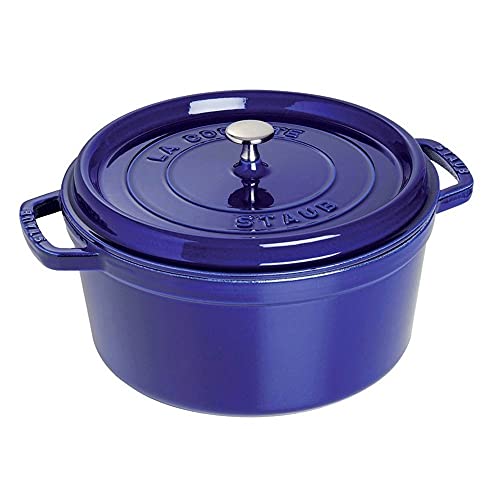
Round enameled cast iron coaster with a volume of 3.8 liters, ideal for gilding, slow cooking and trendy serving of meat, fish, fruit or vegetables
Flavor Development Through Searing and Braising
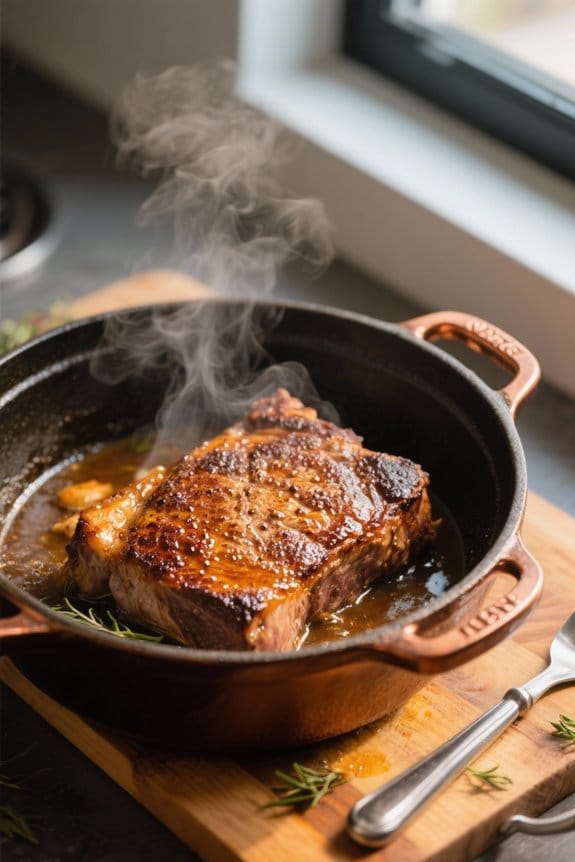
Effective flavor development in cooking relies considerably on techniques such as searing and braising. Searing meat at high temperatures creates a caramelized crust through the Maillard reaction. This adds depth to dishes and enhances rich flavors. Braising combines moist and dry heat, starting with browning meat before slow cooking it in a flavorful liquid. This method guarantees tender meat that absorbs complex flavors. Using a Dutch oven promotes heat retention and moisture, allowing even cooking. Careful layering of ingredients, with denser vegetables on the bottom and proteins on top, supports ideal flavor melding. To enhance the dish, adding aromatic herbs and spices towards the end preserves their freshness, delivering a more complex and appealing final meal. Additionally, utilizing high-quality materials like aluminized steel in cookware ensures even heat distribution, which is crucial for achieving consistent results in both searing and braising.
Recommended Products

Enameled cast iron delivers superior heat distribution and retention; Ready to use, requires no seasoning

Enameled cast iron delivers superior heat distribution and retention; Ready to use, requires no seasoning

Colorful, long-lasting exterior enamel resists chipping and cracking; interior enamel is engineered to resist staining and dulling
Recommended Low-and-Slow Recipes for Dutch Ovens
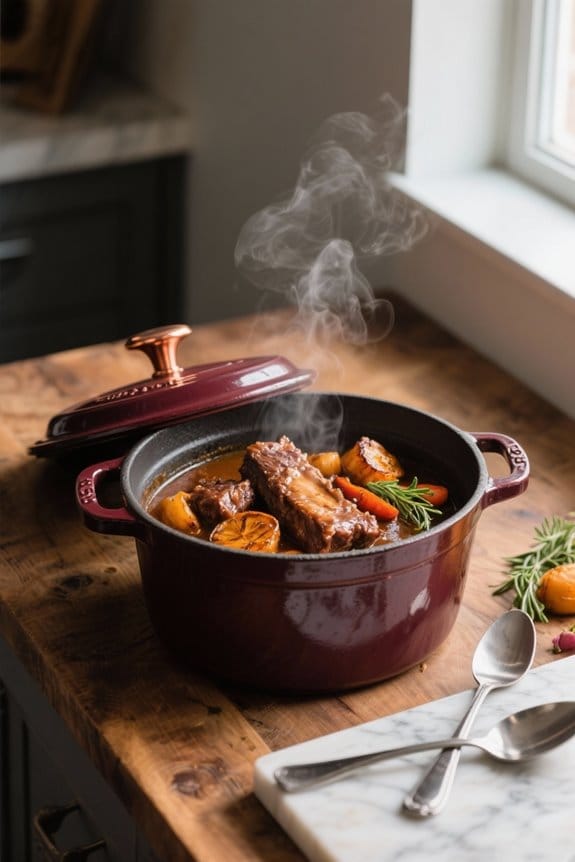
Choosing low-and-slow recipes for a Dutch oven can transform ordinary meals into exceptional dishes. Hearty stews and soups thrive in this cooking method. Recipes like pot roast and beef bourguignon highlight the benefits of braising meats, achieving tender results. Chicken and dumplings showcase moisture retention, ensuring rich and melded flavors. Chili dishes develop deep flavors when cooked slowly, as spices harmoniously infuse over hours. Additionally, Dutch oven cooking is ideal for baking crusty bread, where steam retention creates a perfect crust. Desserts such as cobblers can also be baked, delivering warmth and a unique texture. Each recipe leverages the Dutch oven’s strengths, from low cooking to moisture retention, making them ideal for satisfying meals. For those looking to invest in a reliable cookware, the Cooks Standard Dutch Oven Casserole offers a 9-quart capacity and is oven-safe up to 500F, making it perfect for both home and small restaurant use.
Recommended Products

Enameled cast iron delivers superior heat distribution and retention; Ready to use, requires no seasoning

9-quart round-shaped French oven made of enameled cast iron

Enameled cast iron delivers superior heat distribution and retention; Ready to use, requires no seasoning
Tips for Successful Dutch Oven Cooking
Successful Dutch oven cooking requires attention to detail and an understanding of its unique properties. Start by preheating your Dutch oven on medium heat to guarantee it heats evenly. Use low cooking temperatures, typically between 250°F and 300°F, for peak slow cooking results. Incorporate adequate liquid to maintain moisture, which aids in tenderizing meats while preventing dryness. It is advisable to layer vegetables, placing hearty options like carrots and potatoes at the bottom. Add more delicate ingredients later to retain their texture and flavor. Regularly check your dish throughout cooking to monitor liquid levels and adjust times as needed. Dutch ovens cook more quickly than slow cookers, so stay attentive to avoid overcooking. Remember that excellent heat retention in enameled cast iron Dutch ovens ensures consistent cooking results, allowing you to maximize the versatility of your meals.
Recommended Products

Suitable for all types of hobs, incl. induction, can also be used in the oven/grill

Products sold and shipped by Amazon.co.jp are genuine Japanese products. Authentic products are made to meet Japanese inspection standards and come with a serial number for a lifetime warranty

Frequently Asked Questions
Is 4 Hours on High the Same as 8 Hours on Low?
Yes, four hours on high in slow cooking generally equals eight hours on low, as the temperature conversion affects heat levels. This method enhances flavor development, moisture retention, and meat tenderness, requiring careful recipe adjustments for ingredient compatibility.
How to Use a Dutch Oven for Slow Cooking?
The magic of slow cooking lies in the Dutch oven’s benefits, where meal planning unfolds through careful ingredient preparation and temperature control. Flavor infusion enhances ideal recipes, while seasoning methods and cooking techniques guarantee delectable results.
Is 3 Hours on High the Same as 6 Hours on Low Slow Cooker?
Three hours on high in a slow cooker equals six hours on low, showcasing slow cooker differences. For ideal meat tenderness, flavor development techniques, and texture variations, recipe adjustments and timing accuracy tips are essential in meal planning strategies.
What Oven Temperature Is Equal to a Low Medium Stove Dutch Oven?
Comparing stovetop to Dutch oven, a low-medium setting aligns with approximately 250°F to 300°F. Understanding temperature calibration tips enhances slow cooking benefits, guiding recipe adjustments for best flavor absorption and heat distribution methods across various Dutch oven materials.