As an Amazon Associate, we earn from qualifying purchases. Some links on this site are affiliate links at no extra cost to you. Our recommendations are based on thorough research and editorial judgment.

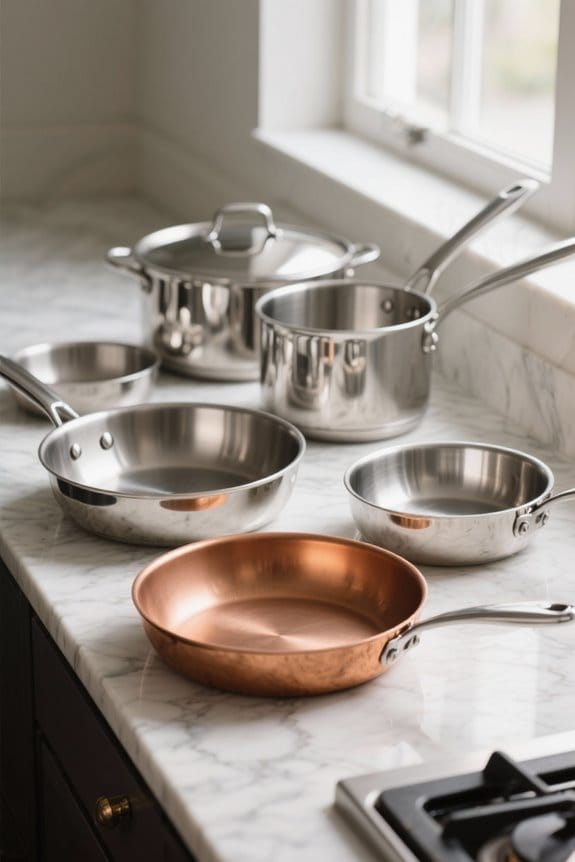
Understanding the Difference Between Sautéing and Pan-Frying

Sautéing and pan-frying are distinct cooking methods. Sautéing uses minimal oil and high heat for quick cooking. It works best for small pieces like vegetables. In contrast, pan-frying employs moderate oil and medium heat for larger cuts of meat. This method creates a crispy crust while keeping the interior moist. Sautéing requires constant stirring, while pan-frying allows food to sit. Understanding these differences can improve cooking results. More insights are available on enhancing your culinary skills.
Key Takeaways
- Sautéing uses minimal oil over high heat for small, thin pieces, while pan-frying uses more oil and moderate heat for larger, thicker items.
- Sautéing requires frequent stirring for even cooking, whereas pan-frying allows food to crust and develop a golden exterior.
- Ideal foods for sautéing include vegetables and thin cuts of meat, while pan-frying suits thicker proteins and breaded dishes.
- Proper temperature management is crucial, with sautéing typically over medium-high heat and pan-frying at 325°F to 400°F.
- Both techniques benefit from avoiding overcrowding the pan to maintain desired crispiness and enhance flavor.
Overview of Sautéing
You may be interested
Sautéing is an effective cooking technique that uses a small amount of oil or fat. This method cooks food quickly over medium to high heat. It is ideal for smaller pieces of food, such as vegetables and thin cuts of meat. The term “sauté” comes from the French word meaning “to jump,” which describes the tossing of food in the pan. Preheating a wide, shallow skillet is essential for achieving even heat distribution. This guarantees that the food cooks uniformly, developing a golden-brown exterior. Stirring or flipping the ingredients occasionally enhances this process. Sautéing typically requires less fat compared to other methods, making it a healthier option for quick meals. For those who enjoy grilling, using grill pan presses can provide similar benefits by promoting even heat distribution and enhancing the flavor of meats and veggies.
Overview of Pan-Frying
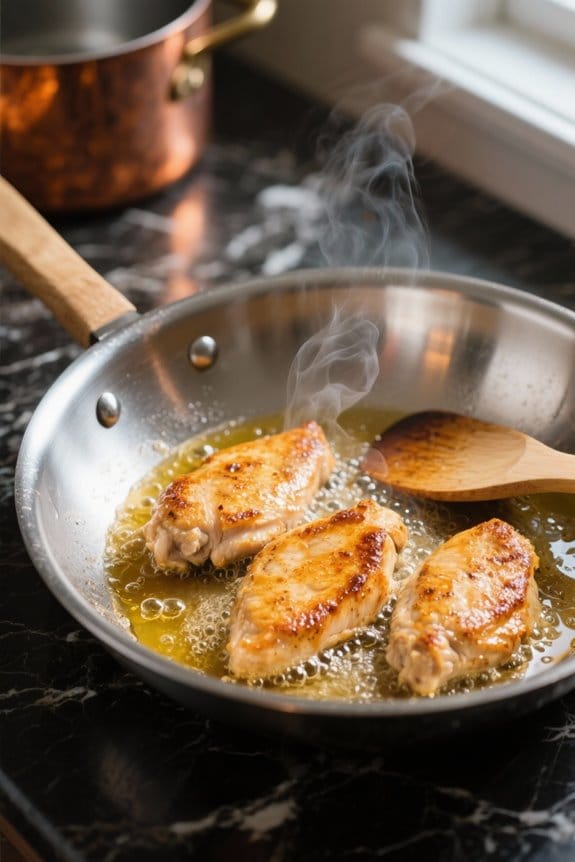
Pan-frying is an effective cooking method that uses a moderate amount of oil. This technique typically fills the pan about one-third full and cooks food at medium to medium-high heat. It is ideal for larger, thicker pieces like chicken breasts, potatoes, and fish fillets. Pan-frying creates a crispy exterior while keeping the inside moist. To achieve the best results, it is important to heat the oil to a temperature between 325°F and 400°F before adding food. Care should be taken not to overcrowd the pan, as this can lower the oil temperature and lead to soggy results. Tri-ply bottoms enhance heat distribution and prevent hotspots, making them ideal for achieving the perfect pan-fry. Overall, pan-frying is a reliable cooking technique that enhances flavor and texture through the careful use of oil.
Key Differences Between Sautéing and Pan-Frying
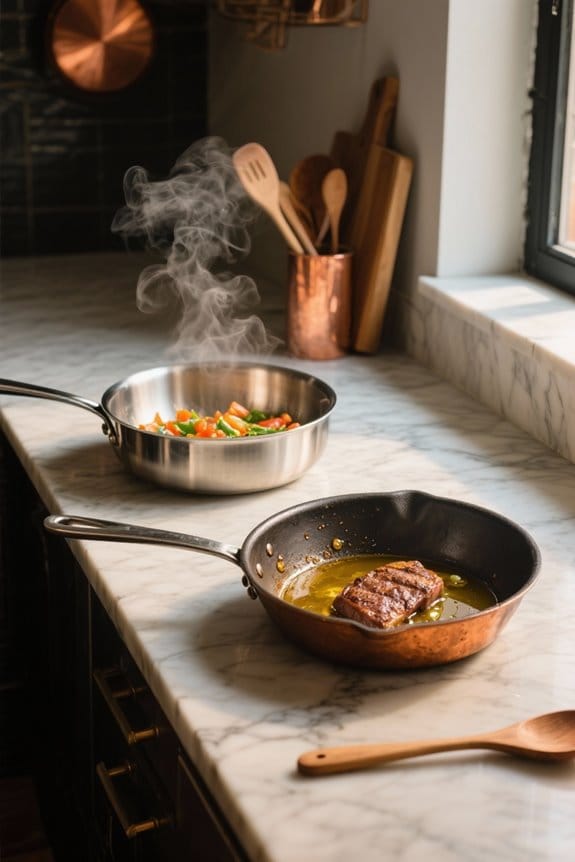
Cooking techniques differ in various aspects, particularly when comparing sautéing and pan-frying. Sautéing involves cooking smaller pieces of food quickly in a minimal amount of oil over high heat. This method suits delicate ingredients like vegetables or thinly sliced meats. In contrast, pan-frying uses a moderate amount of oil for larger, thicker pieces that require longer cooking times. The temperature for sautéing is generally higher, promoting quicker cooking and browning. Sautéing requires frequent stirring to guarantee even cooking, while pan-frying allows food to develop a crisp crust by sitting in the oil. Furthermore, sautéing uses just enough oil to coat the pan, while pan-frying partially submerges the food, which is essential for breaded or battered items. Durable cookware, like Winco Heavy-Duty Aluminum Stock Pot, ensures even heat distribution and reliable performance for various cooking techniques.
Techniques for Perfect Sautéing
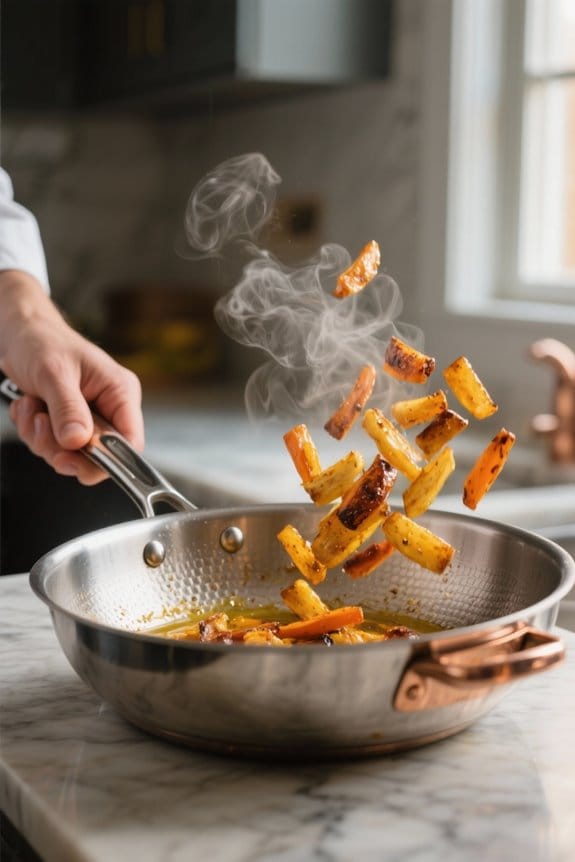
A successful sauté relies on proper technique and preparation. First, preheat a wide, shallow skillet over medium-high heat. This temperature guarantees even cooking and proper browning of the food. Use a small amount of oil or fat, just enough to coat the pan’s surface. This approach promotes healthier cooking. Sautéing is most effective with small, uniform pieces of food. Chopped vegetables or thinly sliced meats are ideal, as they cook quickly without burning. While cooking, stir or flip the food occasionally. This practice not only helps achieve a golden-brown exterior but also prevents uneven cooking and sticking. Following these techniques will enhance the outcome of sautéing, creating well-cooked dishes with rich flavors and appealing textures. For optimal results, consider using a high-quality stainless steel skillet, which ensures durability and even heat distribution, thereby enhancing the overall cooking experience.
Recommended Products

Each of the five bonded layers serves a specific purpose, creating a noticeable difference in performance whether you're sautéing, frying, simmering or braising. 18/10 stainless-steel interior for foolproof browning and easy cleanup. Two aluminum layers, one to conduct and one to sustain heat.

Includes - One 8.5″ and 11″ Skillet, one 1.5qt and 3qt Saucepan with lids, one 3.5qt Sauté pan with lid, and a 6qt stockpot with lid. Handcrafted in Italy with a lifetime warranty; hand-wash and dry with a soft cloth.

14 piece cookware set includes 8 and 10-inch fry pans, 2 and 3 quart covered saucepans, 3 quart covered sauté pan, 4 quart covered soup pot, 6 quart covered sauté pan, 12 inch covered chef's pan with lid, and an 8 quart covered stockpot.
Techniques for Perfect Pan-Frying
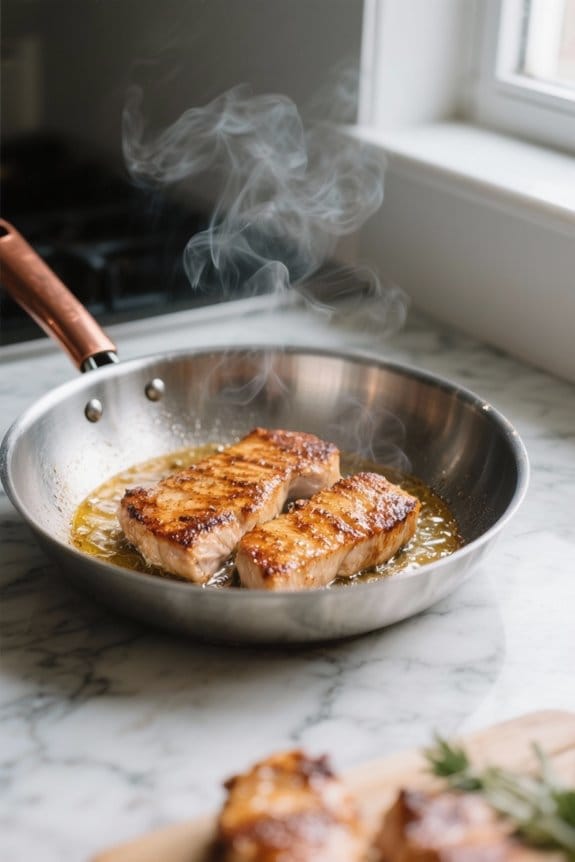
Achieving perfect pan-frying involves a few key techniques that enhance both flavor and texture. First, use a heavy-bottomed skillet for even heat distribution. This prevents hot spots that may burn the food. Fill the pan about one-third full with oil, ensuring adequate shallow frying. The ideal oil temperature ranges from 325°F to 400°F. Lighter items should fry at 375°F, while meats are best at 340°F. It is essential to avoid overcrowding the pan; this helps maintain temperature control. Adding too much food at once can lead to sogginess. Common ingredients for pan-frying include breaded meats and vegetables, which create a satisfying crunch while keeping moisture locked inside. Following these techniques produces exceptional results. Additionally, using a nonstick coating ensures easier cleanup and helps maintain the integrity of the food’s surface.
Recommended Products

Durable and High-Quality: Constructed from 100% 18-8 mirror polished stainless steel, this compact cookware set is built to last and delivers a sleek, professional look to your kitchen or galley.

VERSATILE COOKWARE: 3 pan sizes for every need: 12" Sauté Pan with lid, 10" Fry Pan, 8" Mini Fry Pan. Perfect for slide-off-the-pan eggs, sauteing veggies, flipping pancakes, dishes with stock, stir fries and more. Durable, non-stick pans makes cooking easier than ever, cleaning (dare we say) enjoyable, and adds a pop of color to any home.

Manufactured in Belgium
Common Misconceptions About Sautéing
Misunderstandings about sautéing can lead to subpar results in the kitchen. Many home cooks wrongly think sautéing and pan-frying are the same. Sautéing uses less oil and involves smaller pieces of food cooked at high heat. Unlike frying, which cooks larger items in more oil, sautéing entails continuous stirring or tossing. A common myth is that sautéing requires a lot of fat; however, only a light coating of oil is necessary. Some believe sautéing seals in juices, but its main purpose is to create a flavorful crust. Finally, it is incorrect to think that food can be left undisturbed; consistent movement is crucial for even cooking and preventing burning. When selecting cookware for sautéing, nonstick properties significantly influence efficiency and ease of cleaning.
Common Misconceptions About Pan-Frying
While many home cooks may believe pan-frying is simply a healthier form of frying, this assumption overlooks important distinctions. Pan-frying involves using a significant amount of oil, covering food halfway, unlike sautéing, which uses minimal oil. This method requires a lower cooking temperature, making it ideal for thicker pieces of food. A common misconception is that pan-frying is a healthier option; however, it still adds calories due to the amount of oil used. People often think it is only useful for meat, but it also works well for vegetables and items like fritters. Overcrowding the pan can lower oil temperature, leading to soggy food instead of the desired crispiness, which is frequently misunderstood. Additionally, silicone cake pans offer a nonstick surface that simplifies cleaning, making them an essential tool for various baking needs.
Suitable Foods for Sautéing
Sautéing is an effective cooking technique for small, uniform pieces of food. This method works well with chopped vegetables like bell peppers, zucchini, and onions. These foods enhance their flavors while retaining vibrant colors and crunchy textures. Thinly sliced meats and seafood, such as chicken and shrimp, are also ideal for sautéing. The quick cooking process locks in moisture and creates a light golden-brown exterior. Mushrooms and asparagus, which require minimal cooking time, can be quickly sautéed to maintain their crispness and nutrients. Additionally, sautéing pre-cooked ingredients like garlic or ginger can boost the flavors of longer-cooking items, ensuring a well-rounded dish. Overall, sautéing serves various foods that benefit from rapid, uniform cooking. Stainless clad pans provide superior heat retention and distribution, making them ideal for achieving the perfect sauté by ensuring even cooking and maintaining the desired texture.
Recommended Products

Enjoy professional cooking with this 14 piece cookware set which includes 10 inch and 12 inch Fry Pans, 2 Quart and 3 Quart covered Sauce Pans, 3 Quart and 6 Quart covered Sauté Pans, 12 inch covered chef’s pan and an 8 quart covered stockpot
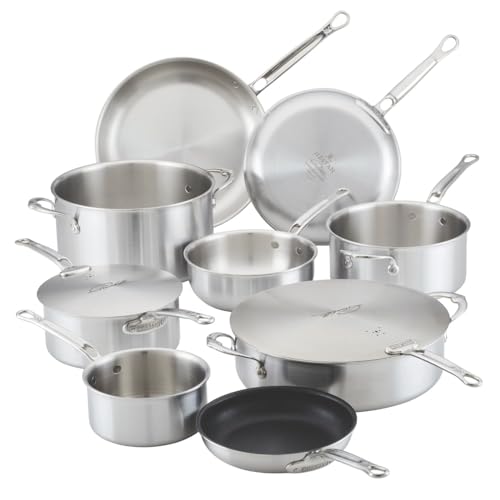
COOKWARE SET INCLUDES - 1.5-quart sauce pot, 3-quart sauce pot, 4-quart sauce pot, 8.5-inch TITUM nonstick sauté pan, 11-inch sauté pan, 12.5-inch sauté pan, 8-quart stockpot, 2-quart saucier, 6-quart rondeau, 8.5-inch universal lid, 12.5-inch universal lid
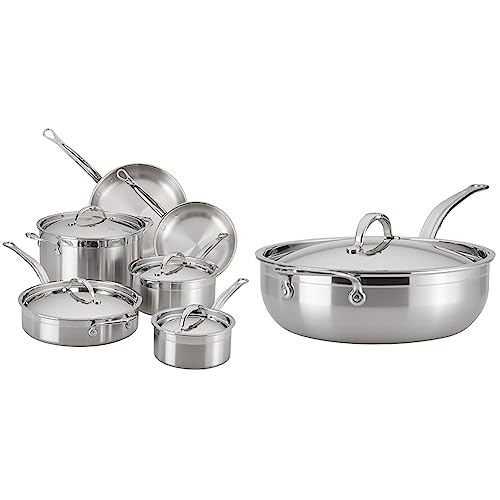
Set includes: 8.5" skillet, 11" skillet, 1.5qt saucepan with lid, 3qt saucepan with lid, 3.5qt saute pan with lid, 8qt stockpot with lid. (Hestan - ProBond Collection - Professional Clad Stainless Steel 10-Piece Ultimate Cookware Set)
Suitable Foods for Pan-Frying
Pan-frying is an effective cooking method for a variety of foods. It works best for thicker cuts of meat, such as chicken breasts or pork chops. This technique allows for a crispy exterior while maintaining moisture inside. Foods that are breaded or coated, like fish fillets and zucchini fritters, are excellent choices for pan-frying as they develop a crunchy crust. Vegetables, including potatoes and carrots, can also be pan-fried to achieve a caramelized, flavorful exterior with a tender inside. To achieve ideal results, the oil in the pan should reach temperatures between 350°F to 375°F before adding food. It is important not to overcrowd the pan to prevent soggy food and maintain the desired crispiness. For those using aluminum pans, it’s essential to avoid exposing them to extreme temperature changes to prevent warping.
Recommended Products

Durable Nonstick Cookware: This 10-piece nonstick cookware set is designed in Switzerland with a diamond-reinforced coating for superior food release and effortless cleaning; The set includes an 8-inch frying pan, 9.5-inch frying pan, 4.3-quart sauté pan with a 9.5-inch lid, 3.2-quart saucepan with an 8-inch lid, 2.2-quart saucepan with lid, and an 8.5-quart stockpot with lid—perfect for all your cooking needs

SINK DIMENSIONS: 32" L X 21" W X 9.5" D and designed to fit 36" minimum cabinet base

22 PIECE SET: Includes 8” and 9.5” frying pans; 11” frying pan with lid; 11” grill pan with lid; 11” chef’s pan with lid; 11” square griddle pan; 1.5qt and 3.25qt saucepans with lids; 3.25qt sauté pan with lid; 5.4qt and 7.8qt stock pots with lids; small, medium, and large pan protectors.
Enhancing Flavor in Both Techniques
Enhancing flavor in both sautéing and pan-frying relies on specific cooking techniques that optimize ingredient qualities. Sautéing cooks food quickly in a small amount of oil at high heat. This method highlights and caramelizes the natural flavors of ingredients. In contrast, pan-frying uses more oil and longer cooking times. This technique creates a deeper browning effect and enhances the overall flavor profile. Sautéing is particularly suitable for delicate ingredients like vegetables and thin cuts of meat. Pan-frying excels with thicker items, allowing for a crispy exterior while keeping the inside moist. Both methods benefit from high temperatures, encouraging flavor development. Combining them, such as searing in sautéing followed by pan-frying, enhances flavor complexity effectively. Additionally, using cordierite baking stones can improve heat distribution and moisture absorption, which enhances the texture and flavor of baked goods.
Recommended Products

Organic Extra Virgin Olive Oil, Drop of Life Available in 500ml glass bottles with a built-in pourer.

UNREFINED, NATURAL, 100% PURE: No heat treatment was used in the extraction of our grape seed oil, keeping our product 100% natural and allowing the full flavor and benefit of the seeds to be retained. There are no additives, fillers or preservatives.

All Natural, First Cold Pressed, Maximum Acidity of 0.3%
Frequently Asked Questions
What Is the Primary Difference Between Sautéing and Pan-Frying?
The primary difference lies in sauté techniques using higher cooking temperatures with minimal oil, contrasting with pan frying methods that employ moderate heat and more oil, allowing for thicker food pieces to achieve a crispy exterior.
What Is the Difference Between a Sauté and a Fry Pan?
A sauté pan, with its miraculous ability to master heat distribution, boasts straight sides for quick cooking techniques, while a frying pan features flared edges for shallow frying, providing a larger surface area for delicious browning.
Is Sautéing Healthier Than Frying?
Sautéing offers health benefits over frying due to its cooking techniques, using less oil and shorter cooking times. This results in a more favorable nutritional impact, retaining nutrients and reducing overall fat and calorie content.
Is Pan Searing the Same as Sautéing?
Pan searing techniques differ from sautéing, as searing focuses on developing a crust with minimal oil, enhancing flavor. The benefits of searing include improved texture, whereas sautéing emphasizes even cooking and color retention among ingredients.