As an Amazon Associate, we earn from qualifying purchases. Some links on this site are affiliate links at no extra cost to you. Our recommendations are based on thorough research and editorial judgment.

Understanding Residual Heat Cooking

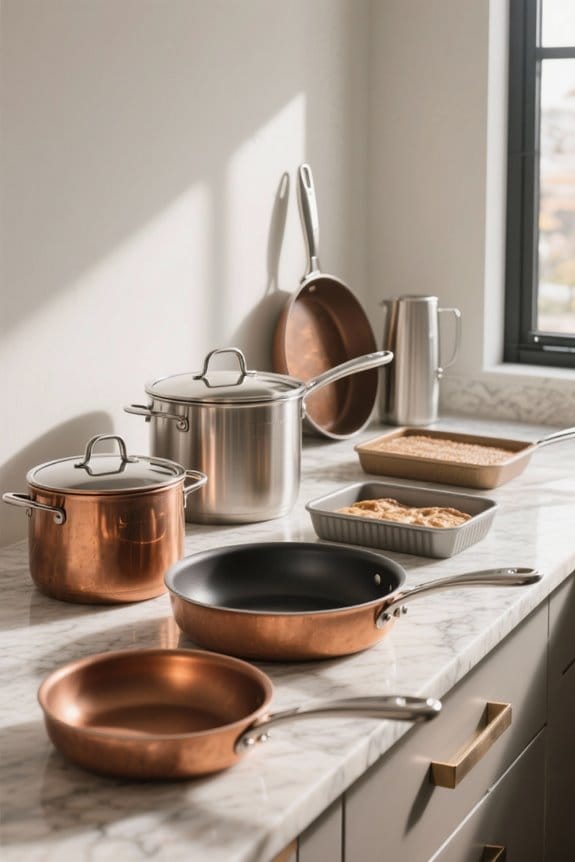
Residual heat cooking uses retained heat from food and cookware after removing them from the heat source. This technique enhances tenderness and prevents overcooking. Heavy-bottomed pans and ceramic cookware are ideal for retaining heat. Larger cuts of meat benefit more, often increasing in temperature by 5 to 25°F during resting. Covering food while it rests helps maintain warmth. Understanding these principles can improve cooking efficiency and meal outcomes. More detailed insights follow for practical application.
Key Takeaways
- Residual heat cooking relies on heat retention from the food and cookware after the heat source is turned off.
- Carry-over cooking raises the internal temperature of larger cuts of meat by up to 25°F due to heat conduction.
- Heavy-bottomed pans and ceramic cookware retain heat effectively, enhancing cooking efficiency and results.
- Monitoring internal temperatures with reliable thermometers helps manage carryover cooking for optimal tenderness and juiciness.
- Cooking green vegetables just before desired tenderness enhances their texture through residual heat.
The Science Behind Residual Heat Cooking
You may be interested



Residual heat cooking is based on the concept of heat retention. This method relies on residual heat remaining in food and cooking appliances after the heat source is turned off. During carry-over cooking, the internal temperature of large cuts of meat can rise considerably due to thermal conduction. Heavy-bottomed pans and ceramic cookware excel in retaining heat, thereby enhancing cooking efficiency. The cooking process can be completed even after turning off the oven, sometimes as much as 20% early. The effectiveness of this method depends on the thermal mass of the food, influenced by its size and water content. Higher heat capacity materials help facilitate better residual heat retention and contribute to more uniform cooking. Carbon steel woks, known for their excellent heat retention, are also effective tools for residual heat cooking, allowing for efficient and even cooking results.
Benefits of Utilizing Residual Heat
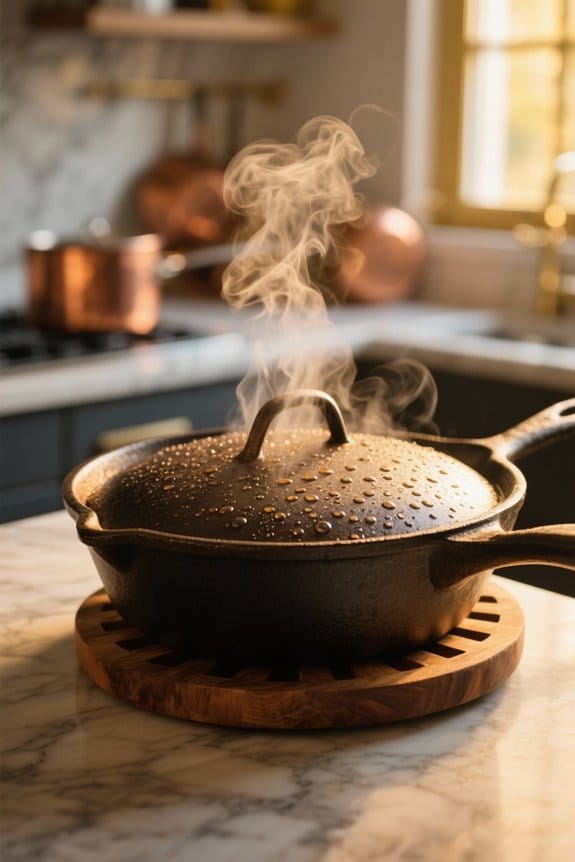
Utilizing residual heat offers numerous advantages in cooking. This method allows food to continue cooking after removal from the heat source. It results in more tender and evenly cooked dishes, particularly when cooking meat. The carry-over effect guarantees that temperatures remain stable, reaching a perfect temperature without overcooking. Additionally, employing heavy-bottomed pans and ceramic dishes enhances the benefits of retaining heat. These materials are effective at maximizing residual cooking, making them ideal choices for various recipes. Cooking green vegetables just before their desired tenderness can improve texture. Ultimately, understanding residual heat dynamics also aids in meal prep, allowing for simultaneous cooking of multiple dishes, thereby maximizing efficiency in the kitchen. Consider using high-quality stainless steel cookware for its excellent heat retention capabilities, which further enhances the benefits of residual heat cooking.
Recommended Products

Revolutionary Cooking Technology: Introducing the CeramicQR, a groundbreaking stainless steel cookware set made in France. This innovative ceramic cookware set combines a ceramic base with stainless steel pixels, delivering a nonstick surface that elevates your cooking experience

12-PIECE COMPLETE COOKWARE SET: Includes a 10.5" frying pan, 3 qt. saucepan with lid, 4.5 qt. sauté pan with lid, 6.5 qt. Dutch oven with lid, 4 magnetic pan racks, and a canvas lid holder for organized kitchen storage.

Durable and High-Quality: Constructed from 100% 18-8 mirror polished stainless steel, this compact cookware set is built to last and delivers a sleek, professional look to your kitchen or galley.
Effective Techniques for Carryover Cooking
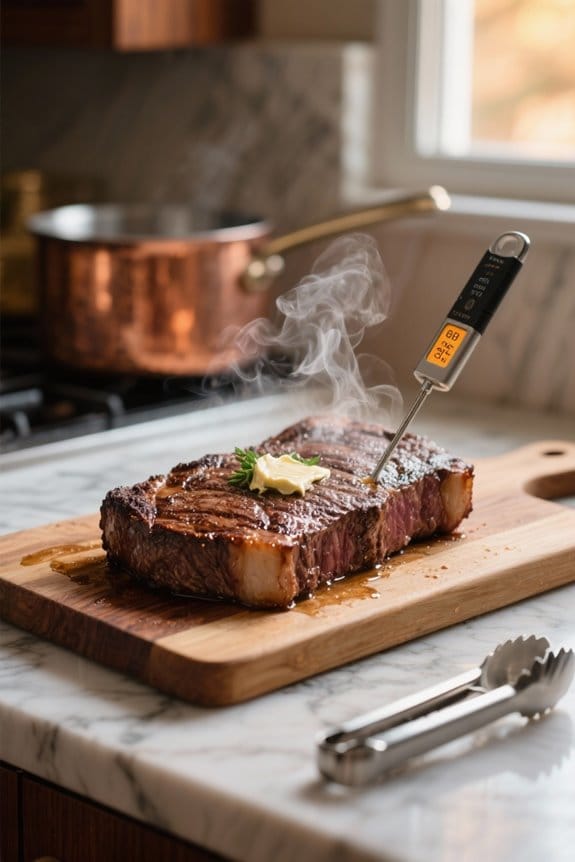
Effective carryover cooking techniques can greatly impact the quality of a dish. Understanding that larger cuts of meat retain more heat enhances cooking results. Cooking temperatures also influence carryover, as higher temperatures can lead to an internal temperature increase of up to 25 degrees Fahrenheit. Covering meat as it rests will slow cooling and improve heat retention. An instant-read thermometer is essential for monitoring internal temperatures accurately. Chefs should check readiness before removal to guarantee peak doneness. Allowing meat to rest will also help maintain moisture, contributing to juiciness. Knowing these techniques can elevate the final dish, guaranteeing better tenderness and flavor, particularly when managing carryover cooking effectively. Additionally, using heat-resistant silicone baking accessories can ensure that other food items maintain their integrity during cooking.
Recommended Products

The information below is per-pack only

【𝟲 𝗦𝗲𝗻𝘀𝗼𝗿𝘀 𝗳𝗼𝗿 𝗨𝗻𝗺𝗮𝘁𝗰𝗵𝗲𝗱 𝗣𝗿𝗲𝗰𝗶𝘀𝗶𝗼𝗻】Each probe is built with 5 internal sensors plus 1 ambient tip sensor, working together with Typhur’s exclusive smart algorithm to deliver highly precise readings. This advanced setup helps forecast exactly when your dish will be perfectly done.

Smart Display Base: Unlike other thermometers that require an app to function, the P4’s display base provides real-time readings and lets you set temperatures directly on the device. A smart app is also available, giving you the best of both worlds.
Tools for Monitoring Temperature Changes
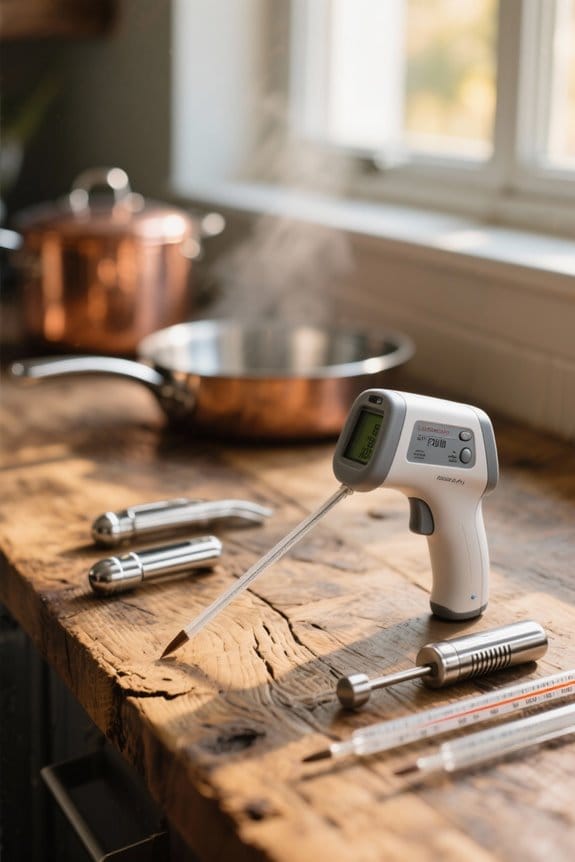
A reliable thermometer is essential in any kitchen for monitoring temperature changes during cooking. Thermometers like instant-read and leave-in types allow cooks to track the internal temperature accurately. The Thermapen ONE is widely recommended for its speed and precision, making it suitable for both professional and home kitchens. Smart thermometers provide valuable alerts when cooking temperatures are reached, minimizing the need for guesswork. Utilizing PID controllers and Type K thermocouples offers predictions on temperature changes based on the thermal responses of meats. Regularly monitoring meat temperatures helps adjust for carryover cooking. This guarantees that meat reaches the desired doneness without overcooking, leading to perfectly cooked dishes while effectively managing residual heat. Some roasters, like the Circulon Nonstick Roasting Pan, feature chrome-plated racks that elevate meats, promoting even cooking and ensuring optimal temperature management.
Recommended Products

Start sleeping better with on-demand cooling and heating comfort right in your own bed, works on any size bed including adjustable beds, simple and easy to use.

518 Square inches of cooking space

Stainless Steel Material: Crafted from stainless steel, the upper lid, control panel and cabinet door boast rust and crack resistance, ensuring long-standing durability. Additionally, the stainless steel upper lid offers superior heat retention.
Practical Applications in Meal Preparation
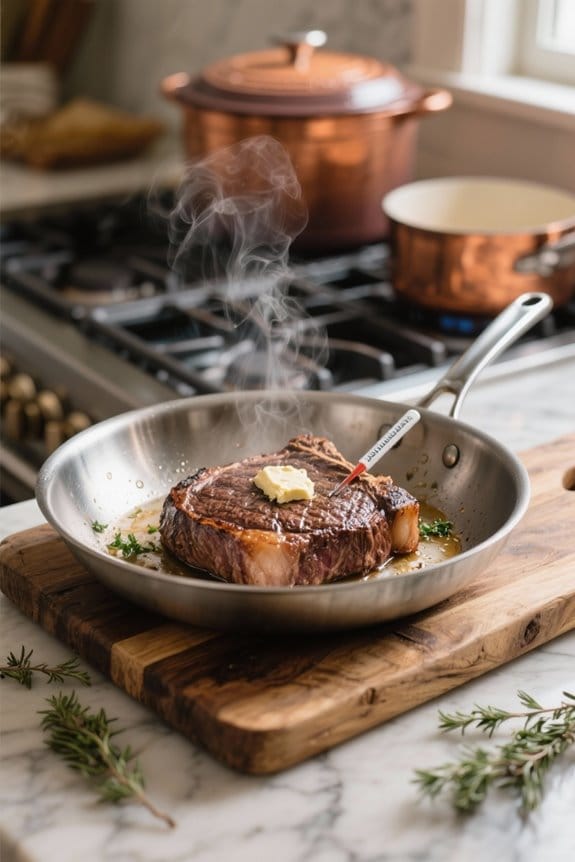
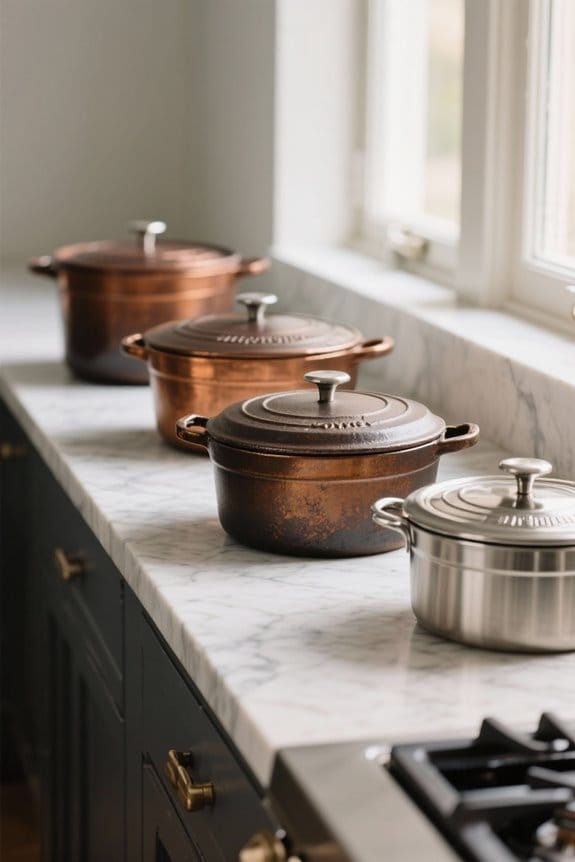
Residual heat cooking offers practical applications in meal preparation that enhance both efficiency and flavor. This technique allows food to continue cooking even after being removed from a heat source. For example, meats like steaks and roasts can increase in temperature by 5 to 25 degrees Fahrenheit during resting. This carry-over cooking is important for improving tenderness. Larger cuts of meat benefit most from residual heat, holding thermal mass better than smaller cuts. Additionally, residual heat can optimize meal preparation by allowing main dishes to finish cooking while side dishes are ready. Utilizing appliances like the Keveri H1 can help shift high-temperature cooking to low and slow methods, facilitating efficient and flavorful meal planning. Dutch ovens, known for excellent heat retention, are particularly effective in residual heat cooking, ensuring even temperature distribution and enhanced culinary results.
Recommended Products

Enamelled cast iron cocotte, ideal for one-pot dishes and roasts, to serve 4-5 people

CAST IRON ADVANTAGE: Smooth ceramic surface distributes and retains heat evenly for perfect results, ready to use- no seasoning required
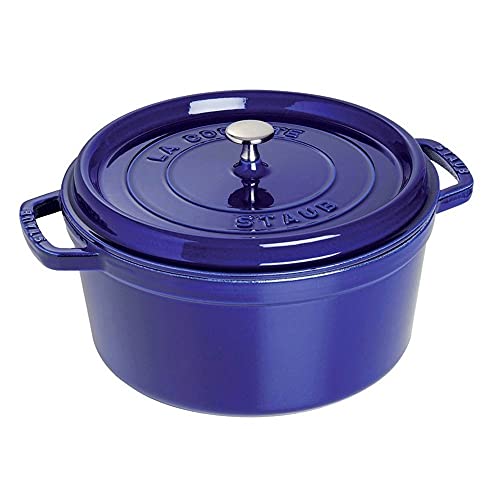
Round enameled cast iron coaster with a volume of 3.8 liters, ideal for gilding, slow cooking and trendy serving of meat, fish, fruit or vegetables
Energy Efficiency Through Residual Heat
Energy efficiency in cooking can be greatly improved by utilizing residual heat. This technique allows for continued cooking even after the heat source is removed. Turning off an oven or stovetop burner 20% before the cooking time ends effectively harnesses this heat, saving electricity. Heavy-bottomed cookware and ceramic dishes excel at retaining heat, ensuring food remains at the proper temperature. Cooking vegetables after turning off the heat helps preserve color and nutrients while further reducing energy costs. By focusing on energy efficiency and utilizing residual heat, home cooks can minimize reliance on active energy sources. This approach not only benefits the environment but also aids in achieving target temperatures efficiently without additional energy use. Having nonstick coatings on saucepans can further enhance cooking efficiency by reducing the need for excessive heat or fats, making them an ideal choice for health-conscious cooking.
Recommended Products

Includes: 10" Frying Pan | 10" Stainless Clad Frying Pan | 8 QT Stainless Clad Stock Pot with Lid | 2 QT Stainless Clad Saucepan with Lid

5-PLY STAINLESS STEEL COOKWARE HEATS EVENLY – Five layers of steel and aluminum spread heat evenly and retain heat. No hot spots. Food cooks perfectly edge to center.

𝐒𝐮𝐩𝐞𝐫𝐢𝐨𝐫 𝐍𝐨𝐧 𝐒𝐭𝐢𝐜𝐤: Titanium Non-Stick Interior provides long lasting performance that stands up to frequent usage and allows you to experience easy food release so you can cook with confidence.
Common Misconceptions About Residual Heat Cooking
Many cooks hold common misconceptions about how residual heat works in the kitchen. One such belief is that food stops cooking immediately after being removed from heat. In fact, residual heat can continue to increase the internal temperature for several minutes. Larger cuts of meat experience more carryover cooking due to their greater thermal mass, retaining heat effectively. Additionally, not all cooking materials retain heat equally; for instance, ceramics hold heat longer than metal. Home cooks should be aware that surface area affects heat dissipation. Foods with larger surfaces may lose heat faster, resulting in less carryover cooking. Understanding these factors can help home cooks make better use of residual heat in their cooking practices. Quality grill pans are typically made from food-grade stainless steel or durable steel, ensuring safe cooking and proper heat retention.
Frequently Asked Questions
What Is Residual Heat in Cooking?
Residual heat in cooking refers to the heat retained in kitchen utilities after turning off the heat source, enhancing cooking efficiency, promoting energy savings, and necessitating safety precautions in various culinary techniques.
How Does Residual Heat Work?
Residual heat works through effective energy efficiency, facilitating heat transfer within food as cooking techniques utilize stovetop methods or oven temperatures. This process enhances safety while allowing continued cooking, maximizing flavors without additional energy expenditure.
How to Use Residual Heat?
To effectively use residual heat, one can employ energy-saving cooking techniques, control temperatures, and enhance culinary efficiency. Utilizing heavy pans, turning off appliances early, and ensuring food safety maximizes residual heat benefits in meal preparation.
What Does Residual Heat High Mean?
Residual heat high refers to elevated temperatures retained in cooking vessels, enhancing cooking efficiency. This technique promotes energy savings, improves food texture, and enables plate warming, thereby exemplifying advanced culinary techniques for superb results.