As an Amazon Associate, we earn from qualifying purchases. Some links on this site are affiliate links at no extra cost to you. Our recommendations are based on thorough research and editorial judgment.

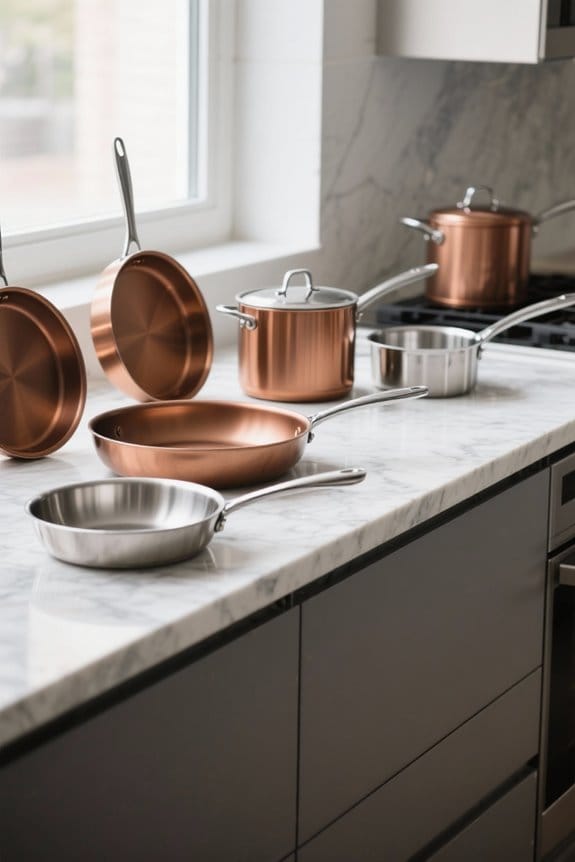
The Difference Between Anodized and Regular Aluminum

Anodized aluminum has a thicker oxide layer, enhancing its corrosion resistance and durability. In contrast, regular aluminum has minimal resistance and requires more frequent maintenance. Anodized aluminum is easier to clean and available in various colors, while raw aluminum maintains a silver hue. Regular aluminum is often used in structural components, while anodized aluminum suits outdoor and high-traffic applications. Understanding these differences can help in making informed choices about materials for specific needs. Further information can clarify these aspects.
Key Takeaways
- Raw aluminum has minimal corrosion resistance, while anodized aluminum features a thicker oxide layer that enhances durability and corrosion protection.
- Anodized aluminum is easier to clean and requires less maintenance compared to raw aluminum, which accumulates dirt and grime.
- The anodizing process allows for a variety of vibrant colors, while raw aluminum maintains its natural silver appearance.
- Anodized aluminum is more resilient to scratches and wear, making it suitable for high-traffic and outdoor applications.
- Although raw aluminum is cheaper initially, anodized aluminum offers better long-term value due to its longevity and reduced upkeep.
Understanding Raw Aluminum
You may be interested



Raw aluminum, often referred to as mill finish aluminum, is a fundamental material in construction and manufacturing. It features a natural finish, lacking any protective coating. Consequently, its corrosion resistance is minimal. The aluminum oxide layer offers some protection but leads to a higher susceptibility to oxidation and environmental damage. Despite these drawbacks, raw aluminum is versatile and can be easily shaped for various applications. It is commonly used in structural components such as window and door frames. While it is cost-effective, raw aluminum requires more frequent maintenance due to its vulnerability. The appearance is generally dull or matte, making it less visually appealing compared to other finishes. Regular cleaning is necessary to prevent dirt, scratches, and corrosion. Forged aluminum offers excellent heat conductivity for even cooking, which is an important consideration when choosing materials for cookware.
Characteristics of Anodized Aluminum
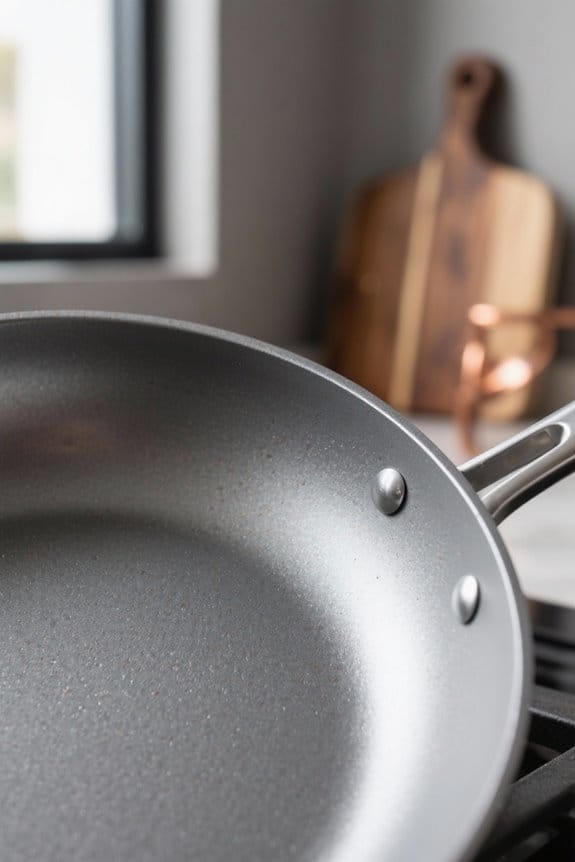
Anodized aluminum is known for its enhanced properties that make it a superior choice over regular aluminum. The anodizing process creates a thicker oxide layer that considerably improves corrosion resistance. This durable surface withstands wear and scratches better than raw aluminum. Anodized aluminum requires less maintenance, making it easier to clean and care for. Additionally, it offers aesthetic versatility, as it can be dyed in vibrant colors, adding visual appeal. For applications needing extra durability, hard anodizing provides exceptional hardness. This variant is ideal for aluminum alloys exposed to harsh conditions. A notable feature is that anodized coatings are tougher and more durable, making them ideal for high-heat applications. Overall, anodized aluminum combines strong performance with lower maintenance needs, making it a practical option for many applications.
Recommended Products

TIME = MONEY | Make the shift from hand finishing tools to automatic tools and dramatically increase your finishing speed with no compromises in quality.

GENUINE LEVEL5 | If quality, performance, and reliability of your finishing tools matters, choose LEVEL5 brand tools.

TIME = MONEY | Make the shift from hand finishing tools to automatic tools and dramatically increase your finishing speed with no compromises in quality.
Key Differences Between Raw and Anodized Aluminum
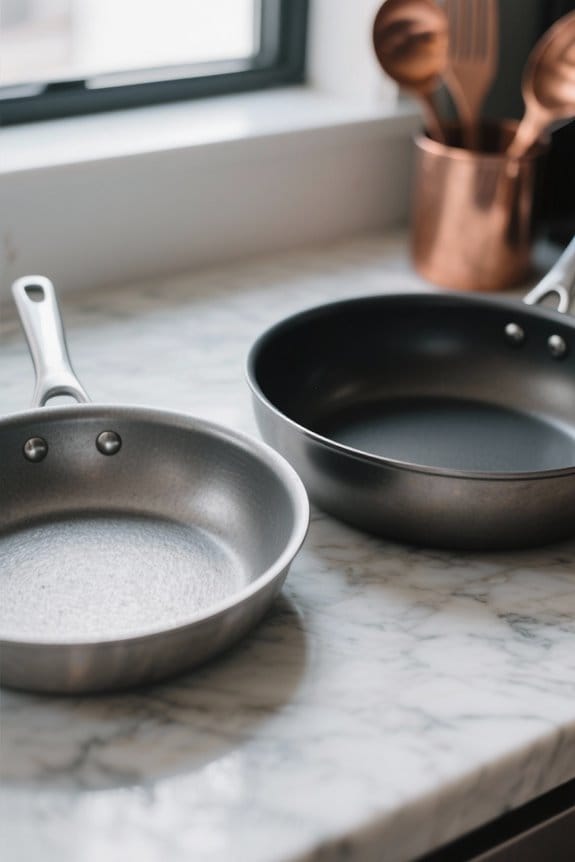
When comparing aluminum types, considerable differences emerge between raw and anodized aluminum. Raw aluminum has a natural oxide layer with minimal corrosion resistance. In contrast, anodizing enhances this layer, providing improved durability. The anodized surface features a thicker oxide layer, offering superior wear resistance. Anodized aluminum is less prone to scratching and damage, making it ideal for high-traffic areas. Another advantage is the wide range of color options available through anodizing. Raw aluminum typically maintains a silver hue but can degrade over time. Although raw aluminum is usually cheaper initially, anodized aluminum’s longevity and lower maintenance requirements can result in better overall value. Additionally, high-quality materials such as anodized aluminum are preferred for their enhanced performance and durability. Overall, anodized aluminum is designed for enhanced performance and durability.
Maintenance Requirements for Each Type
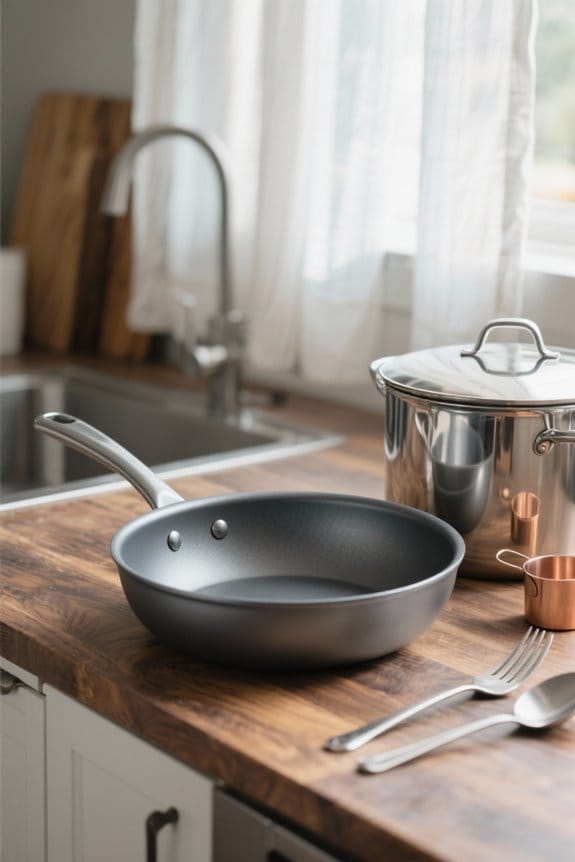
Maintaining aluminum products varies greatly between regular and anodized types. Anodized aluminum requires considerably less maintenance thanks to its protective oxide layer. This layer resists stains, scratches, and corrosion, making cleaning straightforward with mild soap and water. Regular aluminum, however, is more prone to oxidation and corrosion, especially in harsh environments. Consequently, it often necessitates more frequent cleaning and upkeep to avoid aesthetic and structural deterioration. Raw aluminum can accumulate dirt and grime quickly, which can compromise its appearance. Additionally, anodized aluminum’s durability contributes to extended performance with fewer repairs or replacements needed. In contrast, regular aluminum may degrade more swiftly without protective treatment, demanding more vigilance in maintenance efforts. Anodized cookware, such as the T-Fal Ultimate set, typically lasts 5 to 10 years with proper care, providing a significant advantage in longevity over regular aluminum cookware.
Applications of Aluminum and Anodized Aluminum
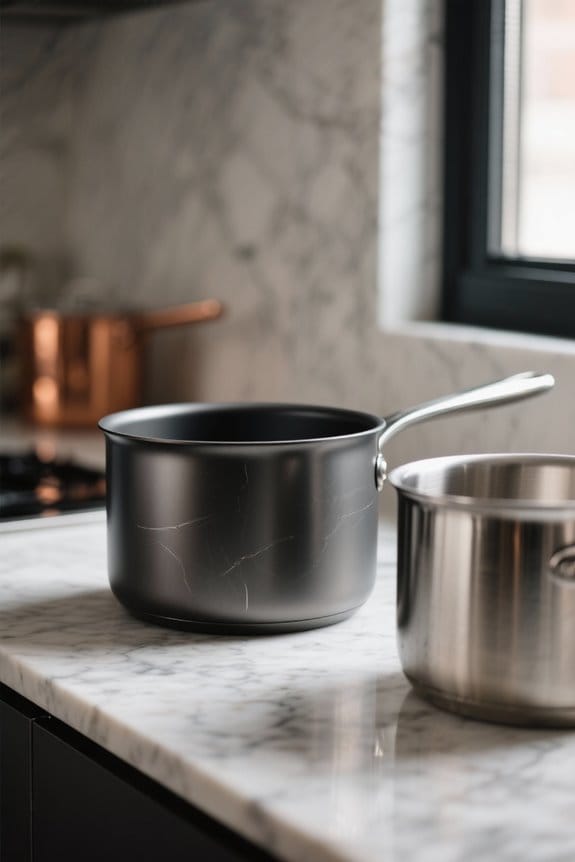
Aluminum is a versatile material that is used in various applications based on performance needs and environmental conditions. Regular aluminum is common in structural components like window and door frames, where lightweight design is essential. In contrast, anodized aluminum excels in outdoor applications. Its improved corrosion resistance makes it ideal for outdoor furniture and architectural facades. Anodized aluminum also offers superior durability, making it suitable for marine components and high-traffic areas. The protective layer enhances aesthetic appeal, allowing vibrant colors for consumer electronics and decorative items. While regular aluminum prioritizes conductivity, anodized aluminum meets requirements in industries needing longer-lasting performance. The choice between these two types hinges on the specific demands of each application, especially regarding maintenance. The Cooks Standard Dutch Oven is made of brushed 18/10 stainless steel, which is corrosion-resistant, similar to anodized aluminum, making it ideal for cooking applications that require durability.
Benefits of Anodized Aluminum Over Regular Aluminum
Choosing anodized aluminum over regular aluminum can provide several distinct advantages for users in various applications. Anodized aluminum offers superior corrosion resistance, making it suitable for harsh environments. The thicker oxide layer protects against oxidation, enhancing durability over time. This material is resistant to wear and tear, with better hardness ratings compared to regular aluminum. Additionally, anodized aluminum is available in a wider range of vibrant color options that remain long-lasting. Its protective layer reduces maintenance requirements, as it is easier to clean and resists stains. Moreover, anodized aluminum has a longer lifespan, minimizing the need for touch-ups or repainting. This makes it a cost-effective choice in the long run, despite higher initial processing costs. Additionally, stainless steel designs in chicken roasters typically require less maintenance, while drip pans minimize oil overflow mess.
Frequently Asked Questions
Is Anodized Aluminum Better Than Regular Aluminum?
Anodized aluminum generally proves better due to its anodized benefits, offering superior surface durability, corrosion resistance, and aesthetic appeal with vibrant color options. Although initial costs are higher, maintenance requirements and lifespan expectations favor its long-term use.
What Are the Disadvantages of Anodized Aluminum?
In a world where beauty adorned the brave, anodized aluminum revealed its flaws: costly implications, intricate manufacturing challenges, aesthetic limitations, and repair difficulties. Surface scratching and color fading highlighted its vulnerabilities against corrosion resistance and thermal conductivity concerns.
What Happens if Aluminum Is Not Anodized?
If aluminum is not anodized, it exhibits poor corrosion resistance, limited surface durability, and aesthetic appeal. This leads to increased oxidation effects, higher maintenance requirements, and greater environmental impact, ultimately resulting in higher long-term cost considerations during manufacturing processes.
What Ruins Anodized Aluminum?
Harsh chemicals, high temperatures, and abrasive cleaning methods can ruin anodized aluminum by compromising corrosion resistance, surface durability, and color retention. Proper maintenance tips include avoiding scratches and protecting against environmental exposure to guarantee finish quality.