As an Amazon Associate, we earn from qualifying purchases. Some links on this site are affiliate links at no extra cost to you. Our recommendations are based on thorough research and editorial judgment.


How Silicone Withstands Extreme Temperatures

Silicone rubber withstands extreme temperatures ranging from -60°C to +300°C. This material maintains its mechanical properties at high temperatures. It does not melt like other substances; instead, it becomes hard and brittle when exceeding extreme heat limits. Silicone also resists UV light and chemicals, enhancing its durability. These features make silicone ideal for applications in automotive, aerospace, and HVAC industries. For more insights on silicone’s unique properties, further information is available.
Key Takeaways
- Silicone rubber maintains thermal stability due to its silicon-oxygen chains, allowing it to withstand temperatures up to 230°C for continuous use.
- High-temperature formulations of silicone can handle intermittent exposure up to 300°C without significant degradation.
- Unlike other materials, silicone does not melt but becomes hard and brittle when exposed to temperatures above 300°C.
- Prolonged exposure around 150°C helps silicone retain its mechanical properties, ensuring durability in high-temperature applications.
- Silicone’s low thermal conductivity and resistance to UV light and chemicals enhance its performance in extreme environmental conditions.
Understanding the Temperature Range of Silicone Rubber

You may be interested



How well does silicone rubber handle temperature extremes? Silicone offers impressive heat resistance with a temperature range from -60°C to +230°C for continuous exposure. Different grades of silicone are tailored for specific uses. General-purpose grades reliably endure up to 230°C without significant damage. High-temperature silicone formulations excel even further, tolerating intermittent exposure up to 300°C. Beyond 150°C, specialized silicone types are essential to maintain performance and longevity. While silicone does not melt, it can harden and lose elasticity when temperatures surpass 200°C. Degradation becomes notable above 300°C. These unique properties allow silicone to meet various challenges, providing a wide range of applications across multiple industries. Its mechanical properties remain crucial in ensuring durability under extreme conditions. High-temperature resistance is a key factor in choosing materials for both baking and industrial applications.
The Science Behind Silicone Heat Resistance
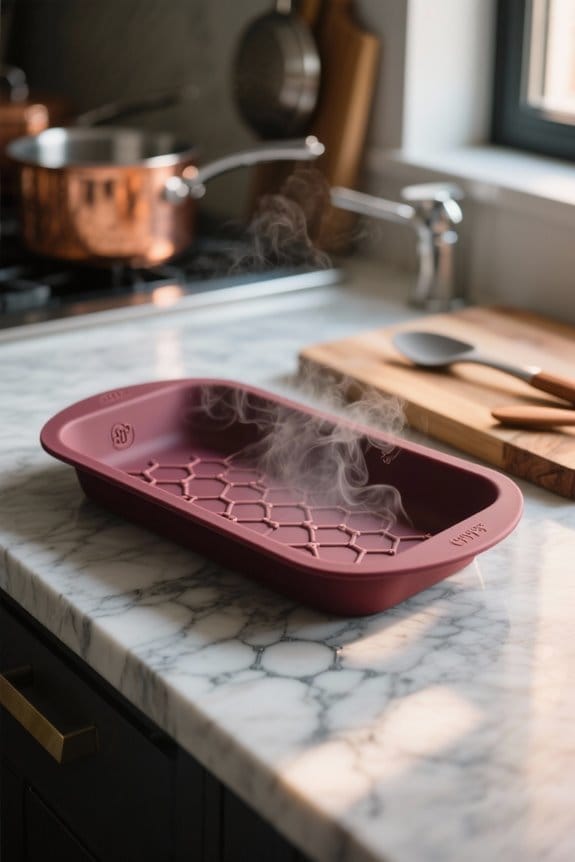
Silicone heat resistance is rooted in its unique chemical structure. The silicone polymers consist of stable silicon-oxygen chains, which enhance their thermal stability. These properties allow silicone to endure continuous temperatures up to 230°C (446°F) and intermittent temperatures as high as 300°C (572°F). Unlike other materials, silicone does not melt. Instead, it becomes hard and brittle when exposed to extreme temperatures. High-temperature silicone grades can handle transient exposures up to 600°F (316°C), making them ideal for automotive and industrial applications. Engineers and designers appreciate that silicone maintains its mechanical properties even after prolonged exposure around 150°C (302°F). This durability underscores its excellent heat resistance, confirming silicone as an essential choice for high-performance environments. Tempered glass is another material known for its durability against high temperatures, withstanding up to 752°F, making it a reliable choice for various cooking applications.
Comparison of Silicone Rubber With Other Heat-Resistant Materials
When evaluating heat-resistant materials, silicone rubber stands out due to its exceptional performance under extreme temperatures. This material can withstand operating temperatures up to 300°C for short durations. In comparison, EPDM rubber is limited to 150°C, and Viton holds up to 200°C. Unlike these alternatives, silicone rubber does not melt; it only begins to degrade after exceeding 300°C. Silicone maintains excellent mechanical properties even at high temperatures, making it more reliable than natural rubber, which degrades above 80°C. Its low thermal conductivity allows silicone to perform effectively in extreme heat environments. Additionally, its resistance to UV light and various chemicals enhances its suitability in harsh conditions. The difference in performance underscores silicone rubber’s advantages over traditional heat-resistant materials. Silicone bakeware, like high-quality glass baking pans, does not leach harmful chemicals into food, making them a healthier choice for cooking and baking.
Applications of High-Temperature Silicone Rubber

In extreme conditions, high-temperature silicone rubber proves invaluable across various industries. This material can withstand extreme temperatures, ranging from -60°C to +300°C. In the automotive industry, high-temperature silicone rubber is essential for engine gaskets and seals, guaranteeing performance in high-heat environments. The aerospace sector utilizes silicone products as insulating materials for components that face drastic temperature fluctuations during flight. Moreover, these silicone applications extend to HVAC systems, where they maintain flexibility and structural integrity at elevated temperatures. Additionally, high-temperature silicone rubber exhibits excellent chemical resistance, making it suitable for medical equipment and high-pressure vessels. Its capability to perform reliably guarantees safety in demanding applications across various sectors. This reliability is comparable to carbon steel woks, which are favored for their heat retention and efficiency in high-temperature cooking methods, highlighting the versatility and resilience of materials designed for extreme conditions.
Proper Application Techniques for Silicone Sealants
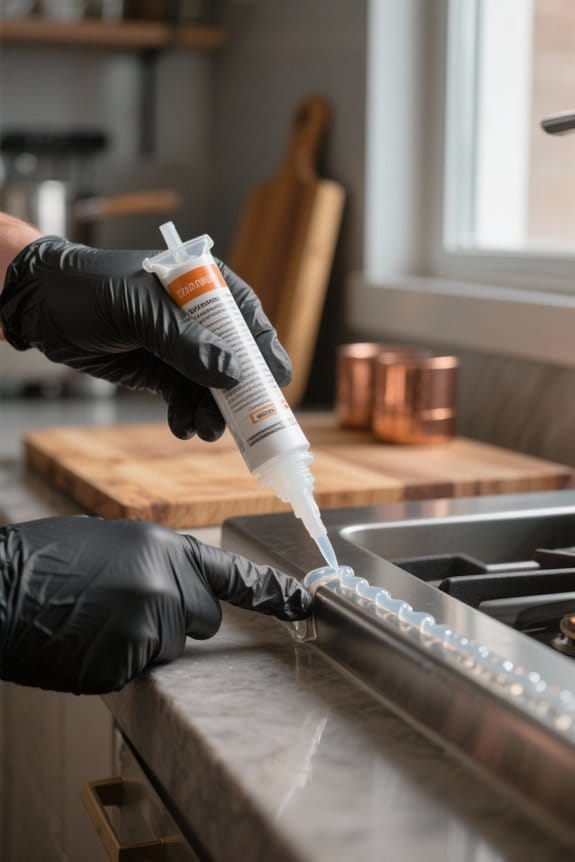
Applying high-temperature silicone sealants requires attention to detail for effective results. First, make sure all surfaces are thoroughly cleaned to promote good adhesion. This is critical for durability in high-temperature environments. Using a caulking gun allows for precise and consistent application, guaranteeing proper coverage. Maintain the application temperature between 50 and 100 degrees Fahrenheit for ideal curing conditions. Once applied, allow the silicone sealant to cure for 24 to 48 hours. This timeframe is necessary to achieve maximum strength and elasticity. When selecting a sealant, choose one specifically designed for heat resistance, especially when the material will be exposed to high temperatures. Employing these techniques will enhance the performance and longevity of silicone sealants in various applications. It’s important to note that tempered glass offers thermal shock resistance, which can be beneficial in environments where temperature extremes are present.
Recommended Products

RTV HIGH-TEMP SILICONE : Is a gasket maker and sealant, heat resistant RTV (Room Temperature Vulcanized) Silicone, used with sealing purposes in heating systems, automobiles, other vehicles especially in sealing and adhesion works of the motor components.

Durable Bonding: Creates permanent, watertight seals on a wide range of surfaces including glass, ceramic, metal, plastic, and painted surfaces

Frequently Asked Questions
What Is the Highest Temperature Silicone Can Withstand?
Silicone can withstand heat resistance up to 300°C in specialized grades, with temperature limits generally around 230°C. Its thermal stability under extreme conditions guarantees material durability, impacting performance factors essential for various silicone applications within specific temperature ranges.
At What Temperature Is Silicone Unsafe?
Silicone might fancy itself a heat champion, but exceed 200°C and its durability tests turn disastrous. Temperature limits mishandled risk breaching safety guidelines, shortening food grade silicone’s lifespan. Prioritize proper heating methods to preserve charming silicone properties!
At What Temperature Does Silicone Start to Break Down?
Silicone starts to break down at temperatures exceeding 200°C, affecting its thermal stability and product durability. This degradation impacts silicone applications in manufacturing processes, medical uses, and food safety, raising concerns about environmental impact and safety standards.
Can Silicone Withstand 400 Degrees?
Silicone’s durability at 400 degrees is akin to inviting a rubber duck to a sauna party—ill-advised. While it has impressive heat resistance, it prefers safer temperatures for high-temperature applications like silicone baking mats and cooking tools.