As an Amazon Associate, we earn from qualifying purchases. Some links on this site are affiliate links at no extra cost to you. Our recommendations are based on thorough research and editorial judgment.

How Enameled Cast Iron Differs From Bare Cast Iron

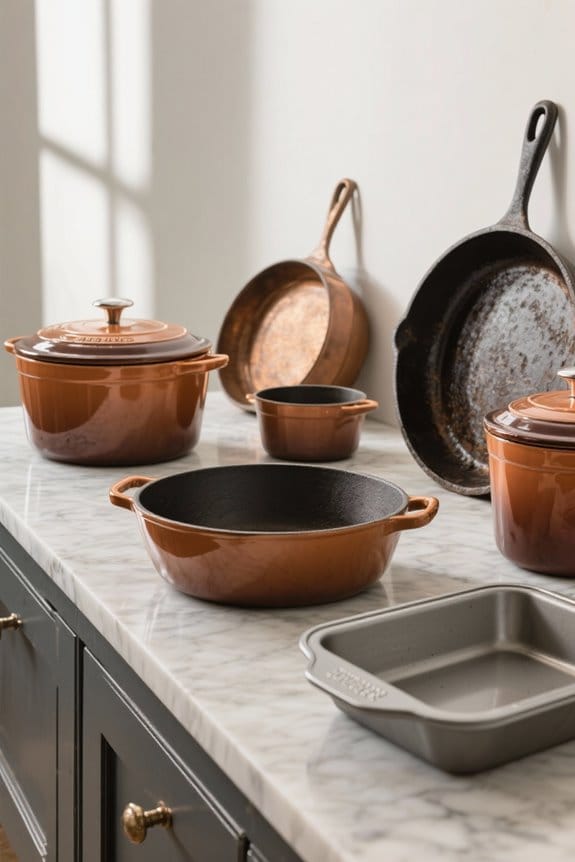
Enameled cast iron has a smooth, glossy surface that does not require seasoning. It is ideal for slow cooking and is nonreactive with acidic foods. In contrast, bare cast iron needs seasoning to develop a nonstick surface and is excellent for high-temperature searing. Enameled cast iron is easier to clean but can chip or crack. Bare cast iron is more durable and can last generations. Understanding these differences can help in choosing the right cookware for your needs.
Key Takeaways
- Enameled cast iron has a nonreactive glossy surface, while bare cast iron requires seasoning to create a nonstick layer.
- Bare cast iron responds quickly to temperature changes, while enameled cast iron heats gradually for consistent heat distribution.
- Enameled cast iron is easier to clean, while bare cast iron requires more maintenance and regular seasoning for optimal performance.
- Enameled cast iron may chip or crack and is less durable than the nearly indestructible bare cast iron.
- Enameled cast iron is often more expensive but offers enhanced aesthetics, while bare cast iron provides budget-friendly options for beginners.
Overview of Cast Iron and Enameled Cast Iron
You may be interested


Cast iron cookware has a long-standing reputation for its versatility and durability. It comes in two main types: bare cast iron and enameled cast iron cookware. Bare cast iron requires seasoning with oil to develop a nonstick surface and prevent rust. It features a matte black finish that may improve with use. Enameled cast iron, on the other hand, has a smooth, glossy, and nonreactive surface that prevents flavors from being altered when cooking acidic foods. Enameled cookware does not need seasoning, simplifying cleaning. Moisture retention is enhanced in enameled cast iron, making it ideal for slow-cooking methods. It is generally easier to clean using warm, soapy water compared to the meticulous cleaning required for bare cast iron. Both types exhibit excellent heat retention, making them effective for various cooking methods.
Heat Conduction and Retention
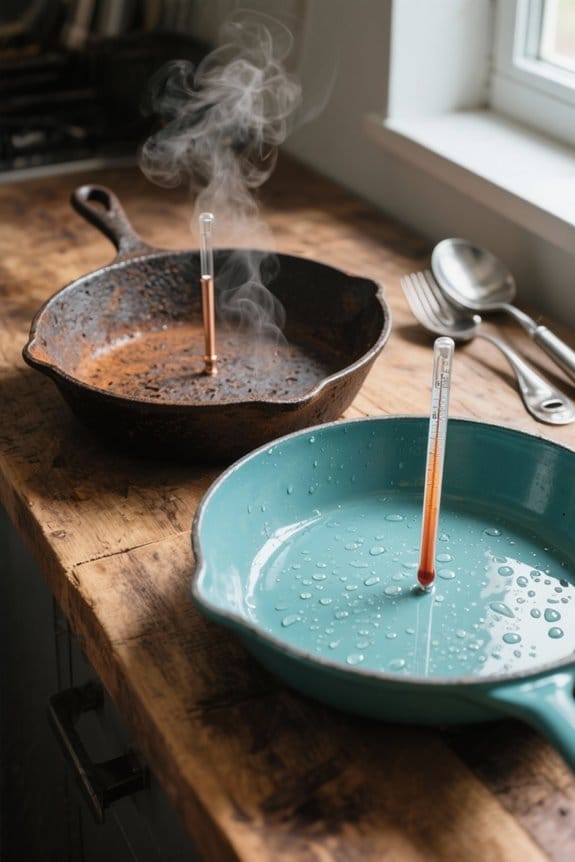
Heat conduction and retention are essential factors to take into account when choosing between enameled and bare cast iron cookware. Bare cast iron offers superior heat conduction due to its direct contact with heat sources. This feature allows it to respond quickly to temperature changes. In contrast, enameled cast iron heats more gradually, providing consistent heat distribution across its cooking surfaces. Both types excel in heat retention, with thicker skillets retaining temperature better than thinner models. However, enameled cast iron may face limitations at high temperatures due to potential chipping or discoloration. Understanding these properties is important for selecting the right cookware for specific cooking needs. Pre-seasoned cookware eliminates initial preparation time and enhances flavor profiles, providing a practical advantage for many home cooks. Each type has distinct advantages depending on cooking style and temperature requirements.
Recommended Products

Enameled cast iron delivers superior heat distribution and retention

Enamelled cast iron cocotte, ideal for one-pot dishes and roasts, to serve 4-5 people

Products sold and shipped by Amazon.co.jp are genuine Japanese products. The authentic products are made to meet Japanese inspection standards and come with a serial number for a lifetime warranty
Performance and Versatility
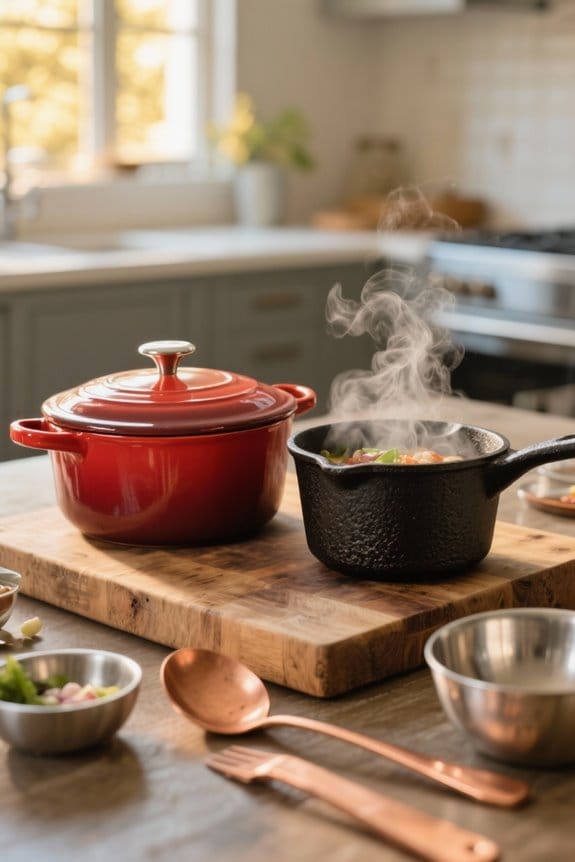
When evaluating cookware, performance and versatility are key factors. Enameled cast iron excels with acidic ingredients, preventing metallic tastes. In contrast, bare cast iron can react negatively when cooking these foods. Bare cast iron improves its non-stick properties over time with proper seasoning. This makes it effective for high-temperature searing. Enameled cast iron may hinder browning due to its smooth coating, which affects heat distribution. Both types are versatile across various cooking methods. Bare cast iron can endure higher temperatures for tasks like baking bread. Enameled cast iron is ideal for slow-cooked meals and braising. Enameled options offer less maintenance and easier cleaning than traditional cast iron. Each option serves distinct cooking needs and offers unique performance advantages in the kitchen.
Recommended Products

CAST IRON ADVANTAGE: Smooth ceramic surface distributes and retains heat evenly for perfect results, ready to use- no seasoning required
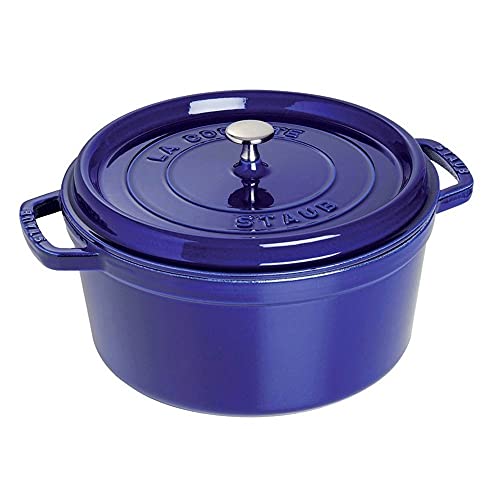
Round enameled cast iron coaster with a volume of 3.8 liters, ideal for gilding, slow cooking and trendy serving of meat, fish, fruit or vegetables

Suitable for all types of hobs, incl. induction, can also be used in the oven/grill
Cleaning and Maintenance
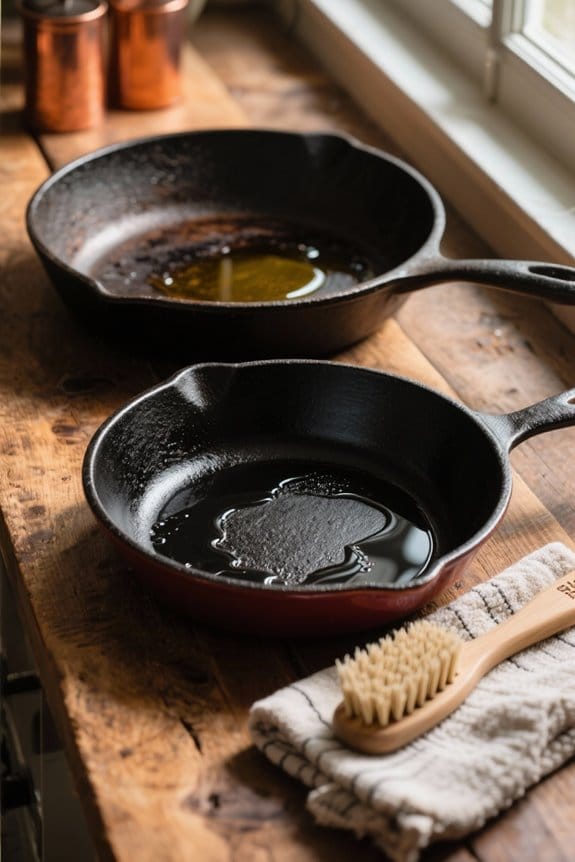
Cleaning enameled and bare cast iron cookware requires different approaches. Enameled cast iron is easier to clean since it does not need seasoning. It is non-reactive to soap and water. For best results, use warm soapy water and a gentle sponge. Tougher stains may require an abrasive cleaner like Bar Keepers Friend. In contrast, bare cast iron should be cleaned with hot, soapy water and a stiff brush. This cookware requires regular seasoning to maintain its nonstick properties. After washing, enameled cast iron should be dried immediately to prevent moisture buildup. Bare cast iron must be thoroughly dried to avoid rust. Both types need careful handling; metal utensils can chip the enameled surface. Enameled cast iron is praised for its excellent heat distribution and retention, making it a favorite among home chefs for versatile cooking techniques.
Recommended Products

36-inch minimum base cabinet width

33" (838 mm) minimum base cabinet width for 33 inch drop in kitchen sink

✅ KOHLER K-5931-4U-7 Executive Chef Undercounter Kitchen Sink, Black Black
Durability and Longevity
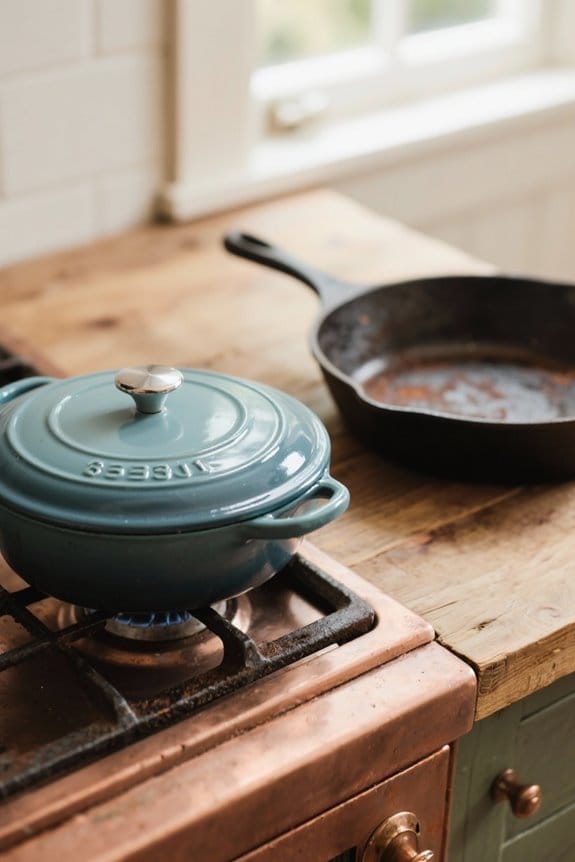
Durability is a significant factor when comparing bare cast iron and enameled cast iron cookware. Bare cast iron is highly durable and can last for generations with proper care. It requires regular seasoning to protect against rust. Enameled cast iron, while attractive, is less robust. It is prone to chipping or cracking, which can expose the metal underneath. This damage can lead to rust. Unlike bare cast iron, enameled cast iron has rust protection due to its coating. However, that coating can be compromised if not handled carefully. Traditional bare cast iron can withstand high temperatures, making it nearly indestructible. In contrast, enameled cast iron may require replacement after several years of use if mishandled. Additionally, enameled cast iron comes in a variety of colors and designs, enhancing kitchen décor and offering aesthetic appeal.
Cooking Surface and Reactivity
The cooking surface of cookware greatly influences meal preparation. Enameled cast iron features a non-reactive glass coating. This allows for cooking with acidic ingredients like tomatoes and vinegar without altering flavors. In contrast, bare cast iron can react when exposed to these same foods. The bare surface may impart a metallic taste and degrade if not properly seasoned. While seasoned cast iron provides some protection against reactivity, it requires maintenance and can still leach iron into food. Enameled cast iron eliminates this concern, making it suitable for a variety of recipes. Stoneware baking dishes, known for their excellent heat retention, are another great option for consistent cooking results. Overall, the cooking surface of enameled cast iron offers convenience and maintains clean flavors compared to the reactivity of bare cast iron.
Recommended Products

Smooth enamel bottom works on all stovetops, including gas, electric, glass, ceramic, induction, and halogen

Enameled cast iron delivers superior heat distribution and retention; Ready to use, requires no seasoning

Enameled cast iron delivers superior heat distribution and retention
Aesthetics and Design
Enameled cast iron cookware often stands out for its vibrant colors and smooth finishes. This type of cookware enhances the aesthetics and design of any kitchen. Available in various colors and finishes, it can easily match different decors. Its smooth surface not only provides visual distinction but also makes cleaning more straightforward. In contrast, bare cast iron offers a traditional look. It typically features a rustic black or matte finish that develops a patina over time. While this may provide character, it lacks the elegance of enameled options. Enameled cast iron also includes stylish designs that meet modern culinary needs. Non-toxic coatings promote healthier meals, making enameled cast iron a great choice for those prioritizing health and safety in their cooking. Overall, those seeking both function and visual appeal may prefer enameled cast iron for their cooking needs.
Health Considerations
How does cookware affect health during meal preparation? Enameled cast iron is a safe choice for cooking, as it avoids harmful chemicals found in non-stick cookware. Its nonreactive surface allows for cooking with acidic ingredients without the risk of leaching metals. Traditional cast iron can enhance dietary iron intake, but enameled cast iron does not impart iron into foods. Both types are suitable for high-temperature cooking, but care and maintenance are crucial for enameled cast iron. If chipped, it can expose bare metal that may lead to rusting. Enameled cast iron is easy to clean and reduces the need for excess oils or fats, contributing to healthier cooking practices. Choosing the right cookware is fundamental for health-conscious meal preparation. An important feature of enameled cast iron is its exceptional heat distribution, which ensures even cooking and enhances the flavor of meals.
Price Comparison
Price is an essential factor for anyone considering cast iron cookware. The Lodge Cast Iron Skillet, a popular bare cast iron pan, is priced at $30. This makes it a budget-friendly choice for those seeking an affordable entry point. In contrast, the Le Creuset Signature Enameled Cast Iron Skillet retails for $230. This higher price reflects its durability and ease of cleaning. Enameled cast iron typically costs more due to its benefits, including resistance to reacting with acidic foods. While bare cast iron offers an economical option, enameled cast iron may be a wise investment for those who prioritize aesthetics and low maintenance. Understanding this price comparison can inform decisions when choosing between cast iron versus enameled options. A pre-seasoned cast iron skillet often features a natural non-stick surface that enhances cooking and requires minimal preparation before the first use.
Recommended Products

One quality comment vendor mail not required

This bundle includes (1) Le Creuset 4.5 qt. Round Dutch Oven with Lid, (1) Le Creuset 1 3/4 qt. Cast–Saucepan with Lid, and (1) Le Creuset 9" Signature Skillet.

Set includes 4.2QT/4L cocotte, 3QT/2.9L braiser, 9.5”/24cm skillet and a lid that fits each piece of cookware
Frequently Asked Questions
Is Enameled Cast Iron Better Than Regular Cast Iron?
Enameled cast iron shines like a vibrant gem in the culinary world; its color variety and cleaning ease appeal to many. However, the durability, heat retention, and price comparison of regular cast iron can’t be overlooked.
What Are the Disadvantages of Enamel Cookware?
Enamel cookware faces disadvantages such as durability concerns, high heat limitations leading to damage, scratching risks, higher prices compared to alternatives, staining issues, color fading over time, and reduced non-stick performance compared to seasoned options.
Do Professional Chefs Prefer Le Creuset or Staub?
Professional chefs often prefer Staub for its durability and heat retention, while others favor Le Creuset for its vibrant color options and smoother cleaning methods. Price comparison and weight differences may influence their final decision.
Why Does Everything Stick to My Enameled Cast Iron?
Sticking issues in enameled cast iron stem from improper cooking methods, inadequate oil usage, and insufficient surface care. Effective heat distribution and appropriate food coatings are essential, while seasoning techniques can enhance performance during cooking.