As an Amazon Associate, we earn from qualifying purchases. Some links on this site are affiliate links at no extra cost to you. Our recommendations are based on thorough research and editorial judgment.

Why Some Pans Have Textured Cooking Surfaces

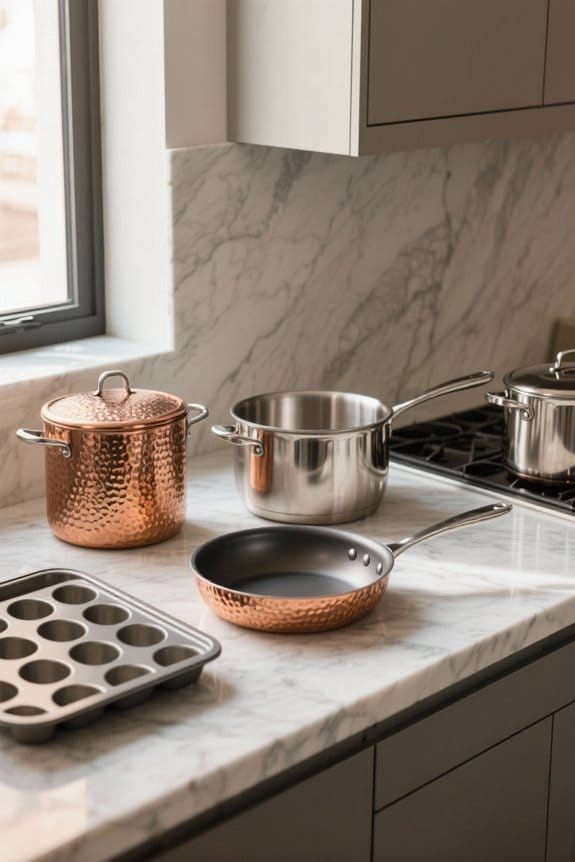
Some pans have textured cooking surfaces due to changes in manufacturing methods over time. Textured surfaces provide more adhesion points, which can help food grip better during cooking. However, they can also make food release more difficult, especially for delicate items. The seasoning process is essential for enhancing nonstick qualities. Many cooks prefer smooth surfaces for better food handling. Understanding the differences in these surfaces can inform better cookware choices and cooking experiences.
Key Takeaways
- Textured surfaces in modern pans provide extra adhesion points, enhancing food grip during cooking.
- The shift to rougher surfaces in cast iron cookware began in the mid-20th century for cost-saving reasons.
- Textured surfaces can complicate the release of delicate foods, trapping particles in the uneven grooves.
- Proper seasoning is crucial to optimize the performance of textured cast iron pans and minimize sticking.
- Many cooks prefer vintage smooth pans for better food release, handling, and overall cooking experiences.
Historical Origins of Cast Iron Cookware
You may be interested



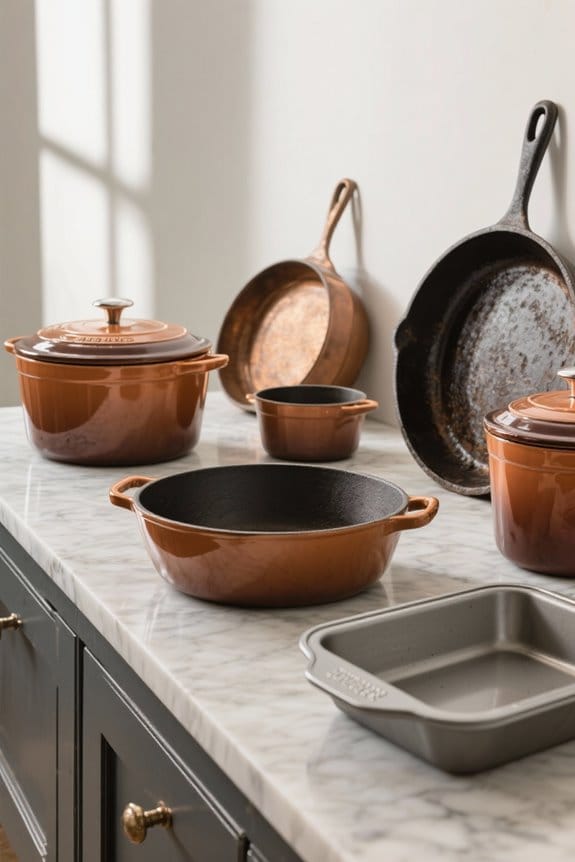
Cast iron cookware has a rich history that dates back to the 18th century. Early designs featured smooth finishes that resulted from extensive machining and polishing. Vintage cast iron from brands like Wagner and Griswold exemplifies this craftsmanship. These pans were appreciated for their smoother surfaces, which facilitated easier food release and better cooking performance. In the mid-20th century, manufacturing techniques shifted toward rougher surfaces. This change was primarily a cost-saving measure. As a result, modern cast iron lacks the smooth characteristics of vintage alternatives. Cookware enthusiasts often discuss these surface textures. They recognize that the historical methods used in vintage cast iron greatly influenced cooking effectiveness and overall quality. Understanding this evolution helps consumers make informed choices. Modern stainless steel cookware ensures long-lasting durability and easy maintenance, further influencing consumer preferences.
The Evolution of Manufacturing Techniques
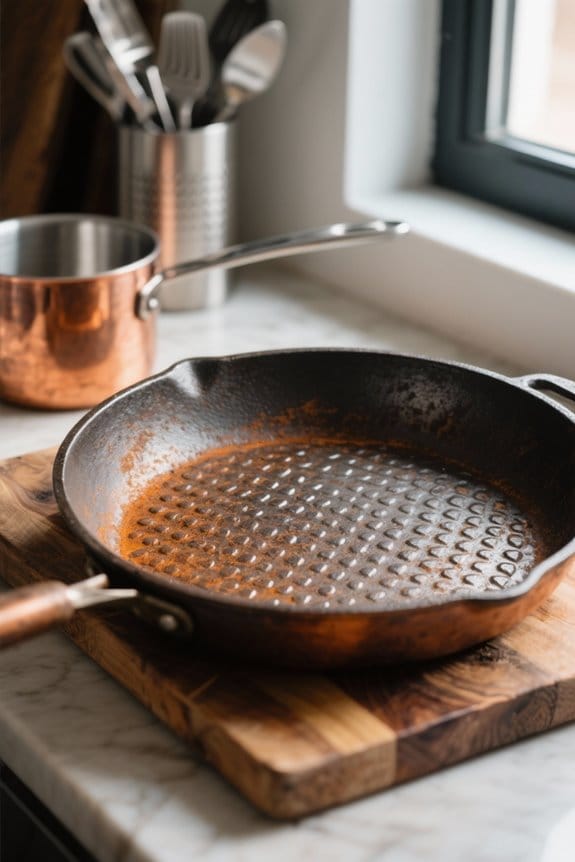
As the demand for cast iron cookware increased, so did the methods used to produce it. Before 1938, cast iron pans typically underwent machining processes that created a smooth finish. This smoothness improved cooking performance and user convenience. However, after 1938, many manufacturers opted for cost-saving manufacturing techniques, such as tumbling or sandblasting. These methods resulted in rougher surfaces on modern cast iron pans. Companies like Lodge have started using ceramic media for tumbling to enhance the finish, yet these results often fall short of the traditional machining quality. The shift from craftsmanship to contemporary mass production has prioritized efficiency. Consequently, the quality of surface finish has declined, impacting users’ cooking experiences with these versatile pans. Many modern pie dishes, like those made from high-quality stoneware, offer excellent heat retention and even baking results, demonstrating advancements in material technology for baking purposes.
Impact of Surface Texture on Cooking Performance
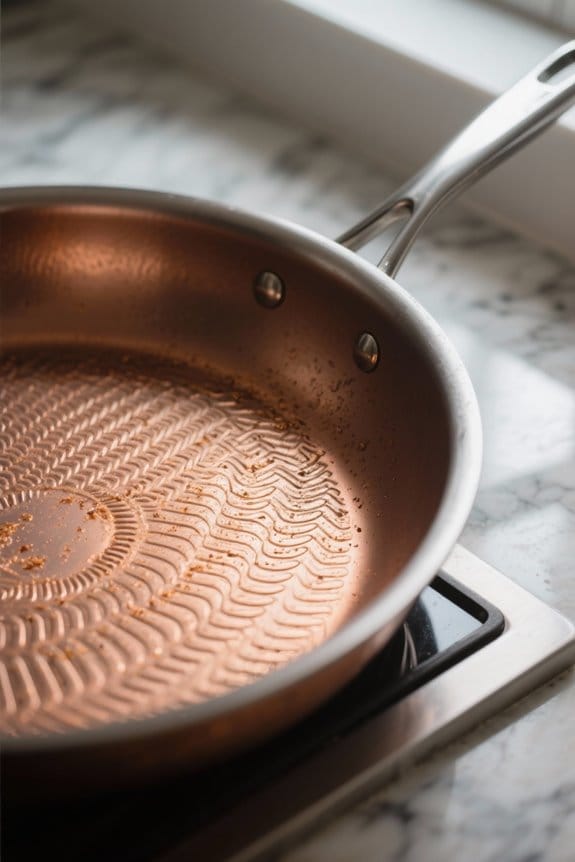
Modern cooking techniques have shifted the focus onto textured surfaces in cast iron pans. These surfaces create additional adhesion points that can grip food better during cooking. When seasoned properly, they reduce the likelihood of sticking. However, a rough texture necessitates a more thorough seasoning process. Filling in gaps can lead to a smoother, non-stick surface over time. While some cooks enjoy the searing capabilities of these textures, they can hinder the easy release of delicate items like eggs. Additionally, textured surfaces may result in uneven cooking. Bumps and ridges can create hot spots affecting performance. Users often find that maintaining textured cooking surfaces requires more care to avoid residue buildup compared to smoother pans. A durable material like heavy gauge aluminum is often used in high-quality frying pans to enhance heat distribution and retention.
Understanding the Seasoning Process

Seasoning a cast iron pan is essential for enhancing its performance and longevity. This process involves creating a protective layer by baking oil onto the skillet. As the oil heats, it undergoes polymerization, transforming from a liquid to a hardened, nonstick surface. The microscopic texture of cast iron, with its tiny pores, allows the seasoning to bond effectively and fill surface imperfections. To season your pan, it is vital to use the right amount of oil and to heat it sufficiently to encourage proper bonding. A well-seasoned cast iron skillet develops a thicker layer over time, improving its cooking performance and durability. Problems like stickiness can occur if excess oil is used or if the temperatures are too low. Tempered glass bakeware, known for its durability, is another option for achieving consistent cooking results across various dishes.
User Preferences: Smooth vs. Textured Surfaces
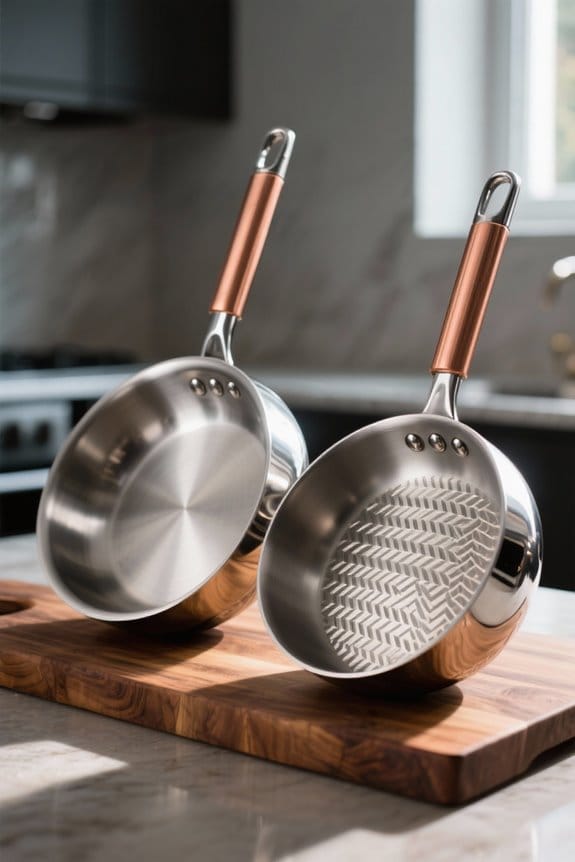
When choosing between smooth and textured surfaces in cast iron cookware, user preferences often lean towards smooth options. A smooth surface offers easier food release, especially for delicate items like pancakes and eggs. Users appreciate that vintage cast-iron pans, typically polished or machined, provide superior cooking performance. Many cooks experience frustration with the rough texture of modern pans, which can lead to food sticking. This makes cleaning more challenging. Feedback from the cooking community indicates that smooth surfaces enhance food control and presentation. Additionally, textured pans may create noise during cooking and complicate the seasoning process. Consequently, many cooks actively seek older, smoother cast-iron pans for an improved culinary experience. Some nonstick coatings compatible with metal utensils enhance versatility, offering a modern solution for improved cooking performance and easy cleanup.
Recommended Products

Enameled cast iron delivers superior heat distribution and retention

VERSATILE COOKING POWER: This 8", 10.5”, and 12" Enameled Skillet Set is perfect for a wide range of dishes, from searing meats and frying eggs to baking cornbread and sautéing vegetables. The heavy-duty construction of this cast iron cookware ensures consistent results every time.

The frying pan from AMT Gastroguss - cook like the professionals
The Role of Polymerization in Cast Iron Maintenance
Understanding polymerization is crucial for maintaining cast iron cookware. This process occurs when heated oils transform into a hard, bonded layer on the pan’s surface. The hardened oil protects against rust and corrosion, while also enhancing the nonstick qualities of the cookware. Cast iron’s microscopic texture offers many adhesion points, allowing the polymerized oil to bond securely. This fills any gaps and improves smoothness over time. Regular cooking with oils helps build additional layers of polymerization, making the nonstick surface more effective. Proper seasoning techniques are essential. Frequent heating and the application of oil onto the surface promote uniform polymerization. These practices lead to a well-maintained cooking surface for superior performance in cast iron pans. Additionally, exceptional heat retention and even distribution are key benefits of using cast iron skillets, making them ideal for various cooking techniques.
Innovations in Smooth Cast Iron Production
Innovations in smooth cast iron production have changed the landscape of cookware. Butter Pat Industries has led this transformation by utilizing traditional methods to create modern cast iron pans. Their smooth cast iron skillets are favored by top chefs for their impressive cooking performance. These skillets offer superior food release, making them easier to clean. Unlike other iron pans, Butter Pat’s designs avoid rough surfaces, which often complicate maintenance. Instead, they focus on consistent smooth finishes that enhance usability. Additionally, their skillets are pre-seasoned to prevent rust. This practice emphasizes simplicity in upkeep. The legacy of high-quality cookware continues with Butter Pat, proving that traditional craftsmanship aligns well with contemporary demands. Many pre-seasoned options like Lodge and Cuisinel provide immediate non-stick performance, enhancing user experience.
Common Challenges With Rougher Textures
Rougher textures in modern cast-iron pans present several challenges for users. These surfaces often require more seasoning to fill in gaps, impacting food release. If seasoning is insufficient, food can stick during cooking. Additionally, the lack of traditional sanding in modern production contributes to rough finishes, which complicate cooking and cleaning. Increased surface area traps food particles, making cleanup frustrating for many cooks. Proper maintenance is essential but often lacking, resulting in black flakes and uneven seasoning. These factors can negatively affect cooking experiences, particularly with delicate foods like pancakes and eggs. Users should be aware of these challenges when choosing and using cast-iron cookware for peak performance. Regular maintenance is key to overcoming these obstacles. Many carbon steel woks require seasoning for optimal performance, and hand washing is recommended to maintain surface integrity.
Recommended Products

VERSATILE COOKING POWER: This 8", 10.5”, and 12" Enameled Skillet Set is perfect for a wide range of dishes, from searing meats and frying eggs to baking cornbread and sautéing vegetables. The heavy-duty construction of this cast iron cookware ensures consistent results every time.

This is a large cast iron pot with a weight of 20KG/44 pounds
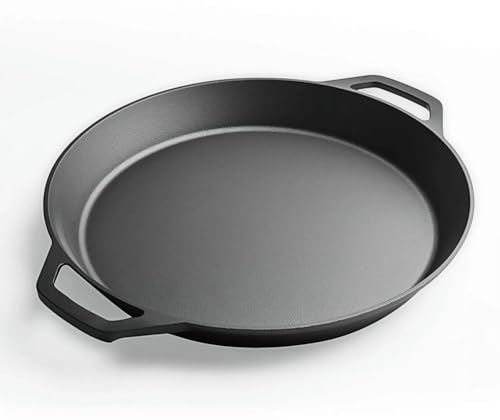
【Durable Nitrided Rust-Resistant Surface】 Experience superior rust resistance without the hassle. Our cast iron pan undergoes a special nitriding treatment, creating a hardened, long-lasting surface that stands up to moisture and heavy use, making it easier to maintain than traditional cast iron.
Community Insights on Cooking Surface Quality
Community insights reveal a clear divide in opinions about the quality of cooking surfaces in modern cast iron skillets. Many home cooks express a preference for vintage skillets due to their smooth surfaces. These older pans provide superior food release and better cooking performance. Users often find that the textured surfaces of modern pans pose challenges when cooking delicate items, such as eggs or pancakes. The rough textures can hinder food handling, leading to frustration. Community discussions highlight that smooth surfaces allow for enhanced food presentation and overall experience. Many cooks believe that the shift in manufacturing techniques has compromised the quality of modern cast iron, making vintage cookware a more desirable choice for serious cooking. In contrast, some heavy-gauge materials used in nonstick loaf pans contribute to better heat retention and distribution, showcasing advancements in other types of cookware.
Frequently Asked Questions
What Pans Should I Stay Away From?
They should avoid non-stick options with rough surfaces and any pans made from heavy materials that lack proper machining. Such pans can complicate cooking, leading to sticking, uneven cooking, and difficult cleaning experiences.
Why Do Some Pans Have Ridges?
Some pans possess ridges due to their benefits in cooking performance. These grooves help elevate food, enhance heat distribution, and promote better caramelization, resulting in improved texture and presentation, although they may complicate cleaning and seasoning.
Is It Better to Have a Smooth or Rough Cast Iron Skillet?
When it comes to smooth versus rough cast iron skillets, the smoother options often outshine, providing better heat retention and easier food release without non-stick coatings, leading to enhanced cooking experiences and satisfaction overall.
What Is the Downside of Ceramic Pans?
Ceramic pans exhibit durability concerns, often chipping and scratching over time. They also struggle with heat retention compared to cast iron, leading to suboptimal cooking performance, especially for high-heat applications where consistent temperature is critical.