As an Amazon Associate, we earn from qualifying purchases. Some links on this site are affiliate links at no extra cost to you. Our recommendations are based on thorough research and editorial judgment.

How Different Cultures Developed Unique Cookware

Different cultures developed unique cookware by adapting to their cooking needs and available resources. Ancient Egyptians used durable metal for efficient cooking. Romans improved cookware with frying pans and multifunctional designs. Asian cuisine features woks that allow rapid heat distribution. Traditional Indian pots, like handi and tawa, enhance communal cooking. Middle Eastern tagines use clay for flavor enhancement. Modern adaptations reflect these traditions while incorporating new materials and technologies. Further exploration reveals additional insights into this culinary evolution.
Key Takeaways
- Unique cookware designs evolved from local materials and climate, reflecting the available resources and cooking practices of each culture.
- Progress in metallurgy and cooking techniques influenced cookware development, as seen with ancient Egyptians pioneering durable metal pots.
- Cultural cooking methods led to specific cookware types, like Indian handi and tawa for communal cooking and Asian woks for high-heat techniques.
- Mediterranean countries favor terracotta for slow cooking, while Scandinavian designs emphasize simplicity and functionality in their cookware.
- Traditional cookware reflects social customs, such as Middle Eastern tagines emphasizing communal dining and promoting flavor enhancement in shared meals.
The Role of Metal in Ancient Egyptian Cooking
You may be interested

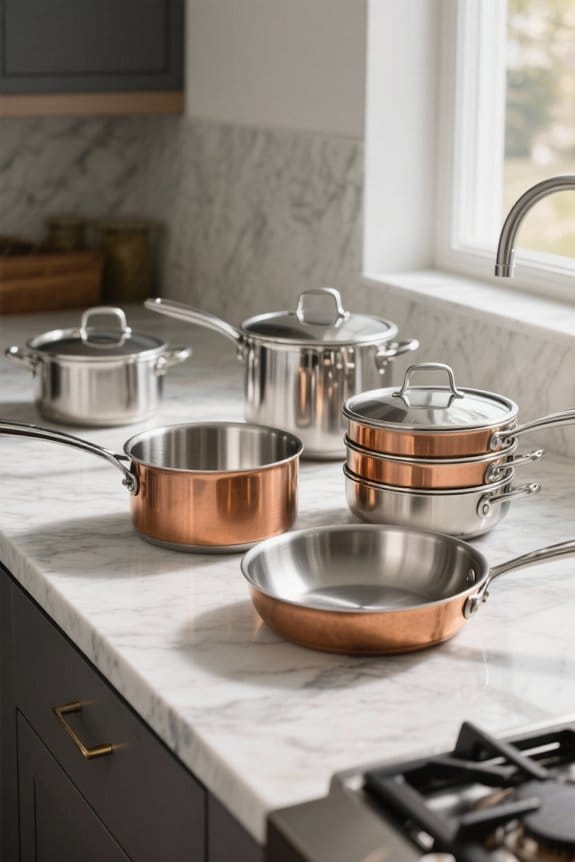
How did metal transform cooking in ancient Egypt? The ancient Egyptians were pioneers in utilizing metal cookware. They primarily used copper and bronze for their durability and excellent heat conduction. This advancement occurred during the Bronze Age, allowing them to cast pots and pans in diverse shapes. Metal cookware was essential for precise temperature control, particularly when making delicate pastries and rich stews. The introduction of metal vessels greatly improved their cooking techniques. It enabled the development of specialized cooking tools. These enhancements allowed ancient Egyptians to bake and prepare various dishes central to their culture. Additionally, their innovative methods using metal cookware laid a foundation for culinary practices in future civilizations, influencing cuisines in Greece and Rome. Many modern cookware items, such as stainless steel roasting pans, are also designed with durability and heat resistance in mind, echoing the ancient Egyptians’ focus on long-lasting and efficient cookware.
Recommended Products

Made in France. Mauviel is the leading cookware manufacturer for professional and household chefs throughout the world. The 16-piece set includes 1.8-qt Saucepan with lid, 2.6 qt. Saucepan with lid, 3.3-qt Saucepan with lid, 3.3-qt. Sauté pan with lid, 3.6-qt Curved splayed Sautepan, 7.87" Frying pan, 10.24" Frying pan, 3.2-qt Rondeau with lid, 6.1-qt Stew pan with lid and 0.2-qt Copperbrill

Made in France. Mauviel is the leading cookware manufacturer for professional and household chefs throughout the world. The 12-piece set includes 1.8-qt Saucepan with lid, 2.6 qt. Saucepan with lid, 3.4-qt Saucepan with lid, 3.2-qt. Sauté pan, 3.4-qt Curved splayed Saute pan, 7.87" Frying pan, 10.24” Frying pan, and a 6.2 qt Stew Pan with lid

100% PURE COPPER - Copper has many beneficial properties for our health and shared environments. Check out the Oligodynamic Effect if you would like to learn more.
Roman Innovations in Metal Cookware
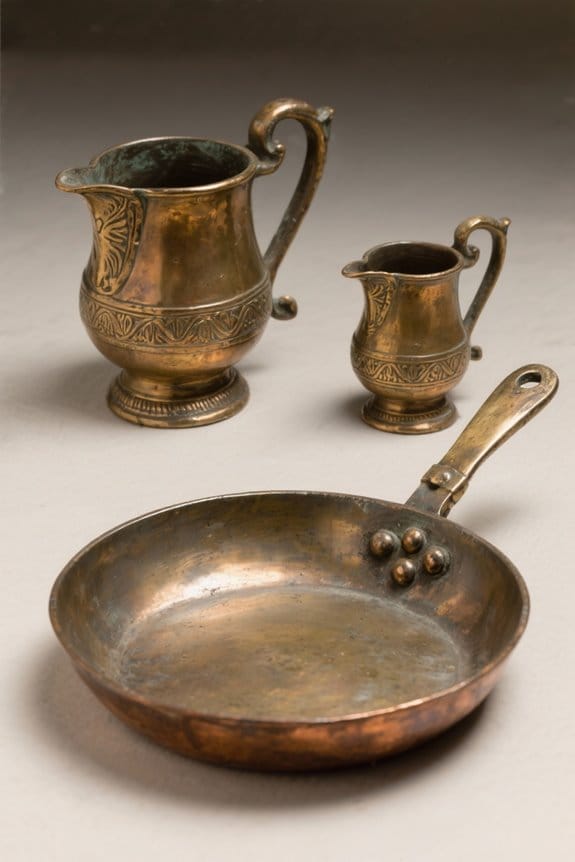
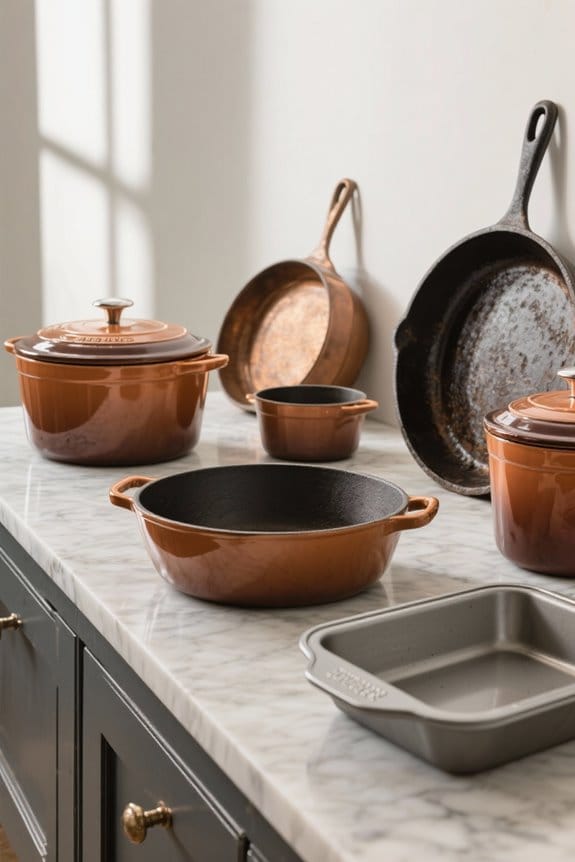
Metal cookware made significant strides during the Roman era. The Romans extensively utilized bronze and iron to create efficient cooking tools. They introduced innovative instruments such as frying pans and colanders. These tools allowed for various culinary techniques and enhanced overall cooking practices. Roman cooking pots often featured elaborate designs, reflecting the household’s social status. The importance of quality metal cookware is evident in texts like those of Apicius, which emphasize its role in preparing delicate dishes. Additionally, the concept of multifunctional cooking pots emerged during this time. The advancements made by the Romans in metal cookware remain influential in modern culinary practices, demonstrating the lasting impact of their innovations on cooking. Durable aluminum stock pots used in modern kitchens draw inspiration from these ancient designs, emphasizing longevity and heat distribution.
Recommended Products

COMPLETE CAST IRON SET: Includes a 10.5” skillet, matching grill pan, 3.5 qt braiser pan, and 6.5 qt cast iron Dutch oven with lid, perfect for frying, searing, baking, grilling, braising, and simmering with steady, even heat.

COMPLETE 18-PIECE CAST IRON SET — What comes in the box? Six-inch, 8-inch, 10-inch, and 12-inch pre-seasoned skillets, a grill pan with lid, flat griddle, pizza pan, dutch oven with pan cover, pan rack organizer, silicone handle covers for every pan, and a pan scraper — every cast iron cooking surface you need in one kit.
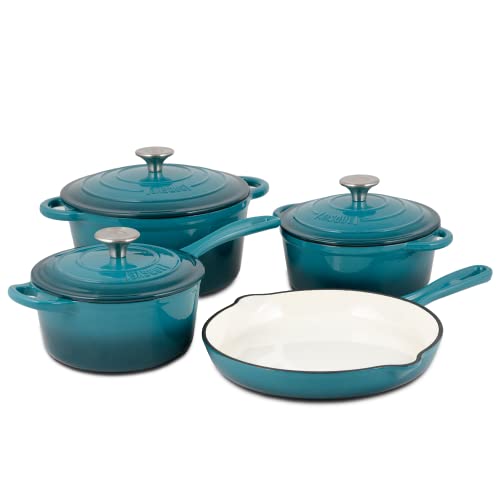
CAST IRON COOKWARE SET – Basque’s 7-piece cookware set is made of long-lasting cast iron which provides superior heat distribution and retention, so your food cooks evenly. The 7-piece set includes everything you need with a skillet, sauce pan and two dutch ovens!
The Versatility of Woks in Asian Cuisine
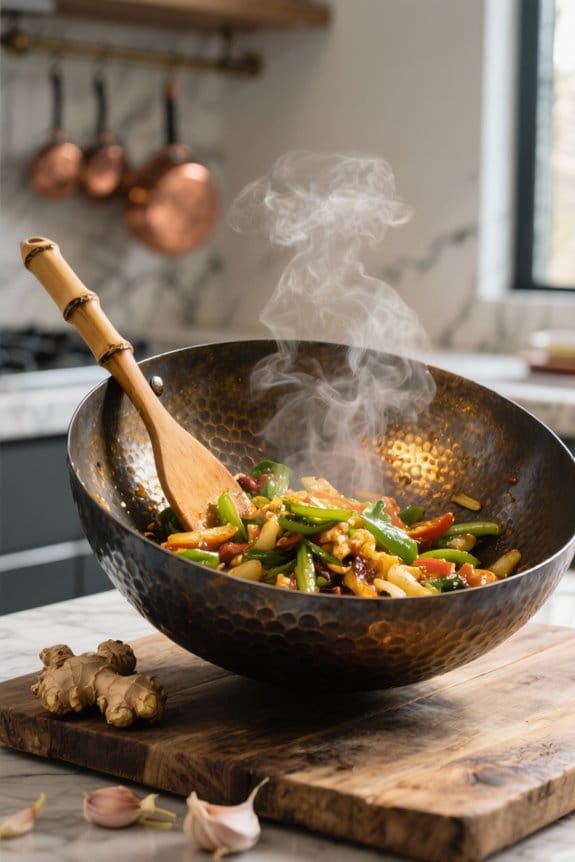
Woks serve as essential tools in Asian kitchens, showcasing remarkable versatility. The round bottom and high sides enable rapid heat distribution. This design supports various cooking methods such as stir-frying, steaming, and deep-frying. Traditional woks are made from cast iron or carbon steel, which develop a natural non-stick surface when seasoned. This enhances flavor and texture in meals. Woks use less oil, promoting healthier cooking practices. They also retain heat well, conserving fuel during meal preparation. In addition, woks are known for preserving the flavors and textures of ingredients, aligning with the values of Asian cuisine. Moreover, they hold cultural significance by being central to communal cooking and family gatherings across diverse Asian cultures. Carbon steel woks require regular seasoning and hand washing to maintain surface integrity, ensuring their longevity and effectiveness in cooking.
Recommended Products

THE COMPLETE SET: Anolon Ascend pots and pans set includes a 1.5-quart sauce pan with lid, 3-quart sauce pan with lid, 8-quart stockpot with lid, 3.5-quart sauté pan with lid, and 8.25-inch and 10-inch frying pans.

HIGH-HEAT PERFORMANCE: 50,000 BTU propane wok burner with cast iron collar and electronic ignition delivers true wok hei flavor and restaurant-quality stir fry.

QUALITY MATERIALS: Made of thick stainless steel with a steel-aluminum-steel sandwich bottom
Traditional Indian Cookware and Its Culinary Significance
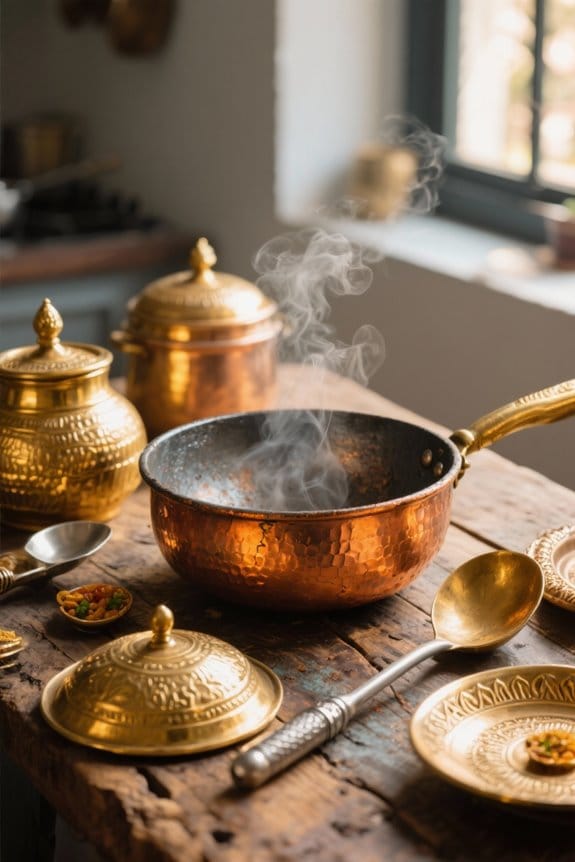
Indian cuisine is deeply intertwined with its traditional cookware, which enhances the cooking experience. One prominent cooking vessel is the handi, crafted from clay or copper. Its unique shape promotes slow, even cooking, perfect for dishes like biryani and korma. The kansa, an alloy of bronze, is valued for its supposed health benefits, particularly for digestion. The tawa, a flat griddle, is vital for making various breads, including roti and dosa. Additionally, the chatti, a round-bottomed pot of clay or brass, is essential for rice and curries, allowing flavors to meld effectively. Indian metal utensils, particularly stainless steel and copper, are important in communal cooking, underscoring their cultural significance while serving practical cooking needs. Cast iron cookware, like the Victoria 10-Inch Cast Iron Comal Pizza Pan, is also appreciated for its excellent heat retention and versatility in preparing various dishes.
Recommended Products
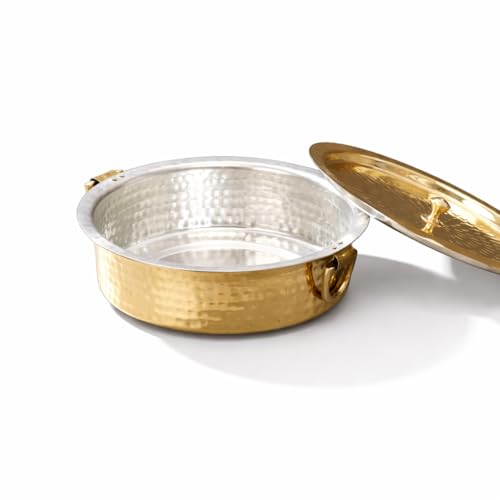
🥘 100% PURE BRASS WITH FOOD-SAFE TIN COATING (KALAI) — RETAINS 90%+ NUTRIENTS – This handcrafted 4 Liter brass lagaan is made from 100% pure brass with a traditional kalai (tin coating) on the inside that retains more than 90% of essential nutrients in food during cooking — the thick heavy-gauge brass body with stunning hammered golden exterior delivers superior cooking performance while the food-safe kalai lining preserves the natural flavor, aroma, and nutritional integrity of every dish; measuring 33cm x 33cm x 10.2cm

HANDMADE BLACK CLAY POT WITH LID: Elevate your cooking with this exquisite 8-Quart Extra Large Pot handmade earthenware pot from Toque Blanche. Crafted by skilled artisans in Central Colombia, this versatile clay pot for cooking is designed with handles and a lid, perfect for preparing and serving dishes like soups, stews, and more.

An ideal roaster for a household with up to 6 people. The volume of 3.7 quarts (3.5 liters) allows you to prepare great roasts, casseroles and stews. It is also perfect for baking bread.
The Influence of Middle Eastern Cookware on Global Cuisines
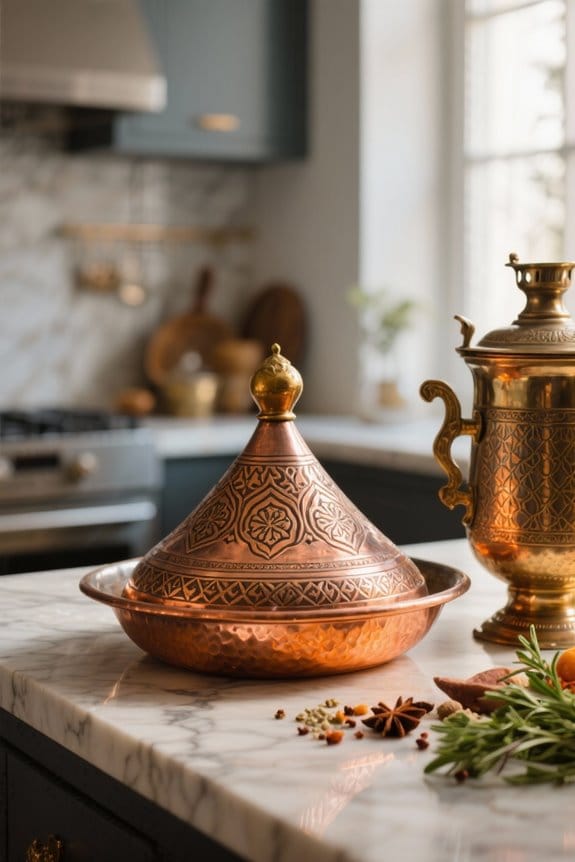
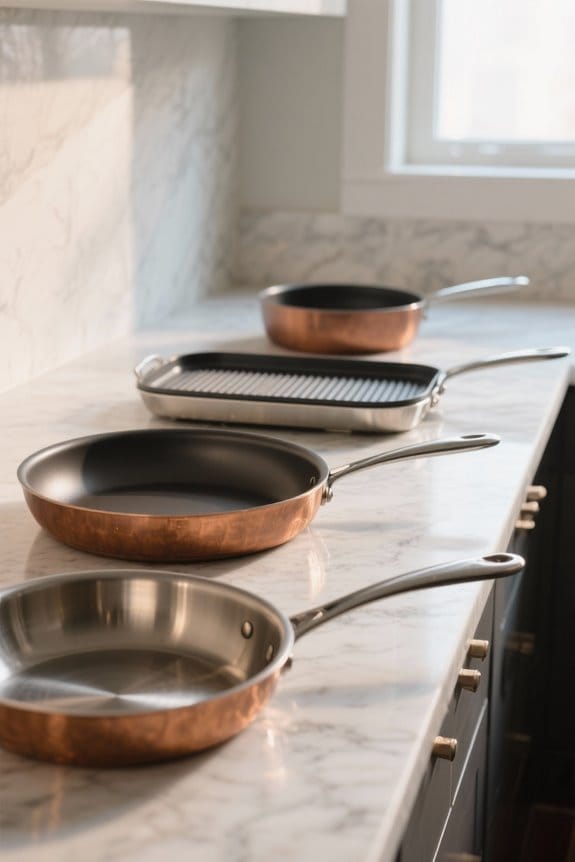
What makes Middle Eastern cookware essential in global cuisines? Middle Eastern cookware reflects rich culinary traditions. The tagine, with its conical lid, concentrates heat and moisture, enhancing flavors in slow-cooked dishes. Clay vessels, like those used in tandirs, impart an earthy taste to food. These methods have markedly influenced cooking practices worldwide. Middle Eastern cookware is also known for its communal style of dining. Dishes such as couscous and stews showcase this aspect. Metal cookware, particularly copper pots, is valued for excellent heat conductivity. This design has inspired cookware in various regions. The adaptability of these techniques showcases the profound impact of Middle Eastern culinary practices on Mediterranean and Asian cuisines, solidifying their global significance. Stainless steel options, known for their non-toxic surfaces, enhance food safety practices and have been widely adopted in modern cooking techniques.
Modern Adaptations of Traditional Cookware
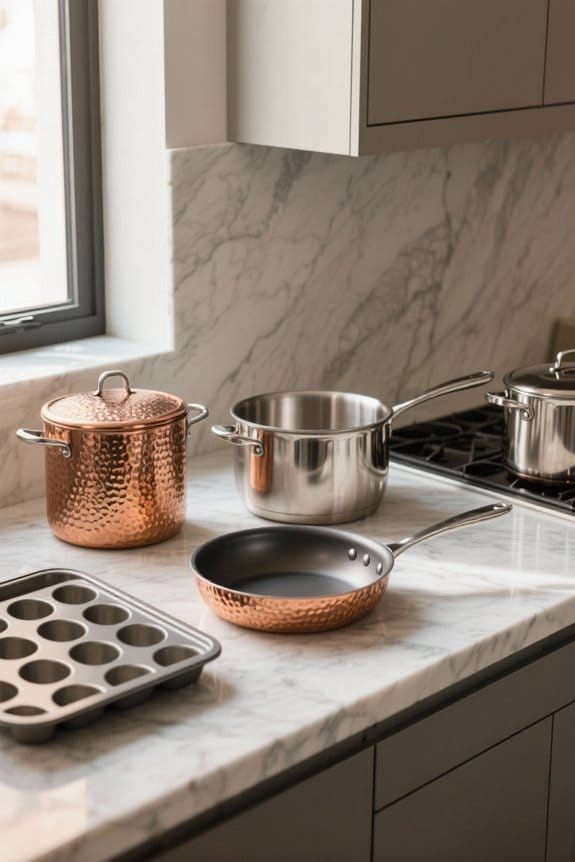
As traditional cookware evolves, modern adaptations have become increasingly relevant in kitchens today. Modern cookware often utilizes stainless steel and non-toxic ceramic. These materials blend historical designs with safety and usability standards. The revival of cast iron skillets showcases heritage craftsmanship, providing heavy-duty functionality and aesthetic appeal. Innovative versions of the traditional wok now feature non-stick surfaces and ergonomic designs. This allows for diverse cooking styles while preserving cultural authenticity. Many cultures have updated clay pots, such as the Japanese donabe. They now use thermal-shock resistant materials for versatile cooking. Electric and stovetop pressure cookers combine time-honored methods with modern technology. This fusion enables quicker cooking times while retaining traditional flavors. Together, these adaptations enhance culinary artistry in today’s kitchens. A notable example is the Cuisinart 17-Piece Set, praised for its durability and excellent heat distribution, reflecting modern enhancements in cookware design.
Recommended Products

Authentic-style wok made of enameled cast iron

Chinese wok, made in China. Our woks have been through 12 processes, 36,000 times of hand-hammering. It shines like a mirror. You can see all the hammer prints but hardly feel them. Mirror surface allows ingredients to slide smoothly inside the wok.

Lightweight Design: The Oven-Safe Skillet weighs less than half the weight of similarly sized cast iron pans, making it easy to maneuver with just one hand.
The Intersection of Culinary Heritage and Contemporary Cooking Practices
Culinary heritage plays an essential role in shaping contemporary cooking practices. Different cultures utilize unique cookware that enhances their culinary techniques. The African tagine, with its conical lid, retains moisture and flavor during slow cooking. The Asian wok supports rapid cooking methods like stir-frying while preserving the integrity of ingredients. In India, the handi is ideal for blending flavors in slow-cooked dishes, such as biryanis. Brazil’s clay caçarola adds earthy depth to communal meals like feijoada. Modern cooking increasingly adopts historical metal cookware like brass and bronze. This blend of past and present promotes sustainability while recognizing traditional craftsmanship. Overall, the connection between cultural cookware and modern cooking enriches diverse culinary experiences worldwide. Additionally, stainless steel options in cookware are valued for their durability and rust resistance, highlighting how material quality continues to influence cookware choices in modern kitchens.
Frequently Asked Questions
Which Three Ancient Cultures Influenced Cooking and Cuisine as We Know It Today?
Ancient Egyptian pottery, Greek clay cookware, and Chinese bronze vessels greatly influenced contemporary cooking and cuisine. Each culture’s innovations shaped culinary practices, creating lasting legacies that continue to inform global cooking techniques and traditions today.
What Did Native Americans Use for Cooking Pots?
What materials best suited ancient cooking needs? Native Americans utilized clay vessels, stone bowls, and various natural materials to create durable pots. These tools facilitated essential cooking methods, embodying both practicality and cultural significance in their daily lives.
In What Ways Have Cultural Exchanges Impacted Cooking Techniques Globally?
Cultural exchanges have fostered culinary innovations by blending cross-cultural flavors and techniques, influencing global cuisines. Shared ingredients across regions created diverse recipes, enriching culinary heritage and encouraging the evolution of cooking practices worldwide.
Why Is It Important to Learn Cooking Techniques From Various Cultures?
Learning cooking techniques from various cultures enhances appreciation of culinary diversity, fosters respect for cultural heritage, and promotes global diplomacy through shared culinary experiences, ultimately enriching individual culinary skills and encouraging deeper connections among people.