As an Amazon Associate, we earn from qualifying purchases. Some links on this site are affiliate links at no extra cost to you. Our recommendations are based on thorough research and editorial judgment.

Understanding Convection Vs Traditional Baking Methods

Convection ovens circulate hot air using a fan, ensuring even cooking and reducing baking time by about 25%. They are efficient for browning meats and crisping vegetables. Traditional ovens excel in temperature control, making them ideal for delicate items like soufflés. Adjusting baking times and temperatures is necessary; reduce convection settings by 25°F and start checking for doneness 10 minutes earlier. Understanding these attributes aids in selecting the right oven for specific baking needs. More insights await.
Key Takeaways
- Convection ovens circulate hot air with a fan, ensuring more even cooking and reducing cooking time by about 25%.
- Traditional ovens rely on bottom heat, providing gentle heating that is ideal for delicate baked goods like soufflés and custards.
- Baking temperature should be lowered by 25°F when using convection ovens to prevent overbaking and maintain desired texture.
- Baked goods in convection ovens brown and crisp more effectively, making them better for roasting meats and vegetables.
- For best results in convection baking, check for doneness earlier and use low-sided dishes to enhance air circulation.
Overview of Convection and Traditional Ovens
You may be interested



Convection and traditional ovens serve distinct purposes in the kitchen. Convection ovens use a fan and exhaust system to create air circulation, ensuring even heat distribution. This feature enhances baking efficiency by reducing cooking times by approximately 25%. Traditional ovens typically rely on a single heat source located at the bottom. They are ideal for delicate recipes as they provide slower, gentler heating, preserving the moisture in baked goods. When using convection ovens, temperature adjustments are necessary; it is recommended to lower the temperature by 25°F. Furthermore, cooking times should be checked 10 minutes earlier than traditional recipes. Both types have their advantages, making them suitable for different cooking techniques and preferences. For optimal baking results, consider using stoneware casserole dishes to take advantage of their superior heat distribution and durability.
Benefits of Using a Convection Oven
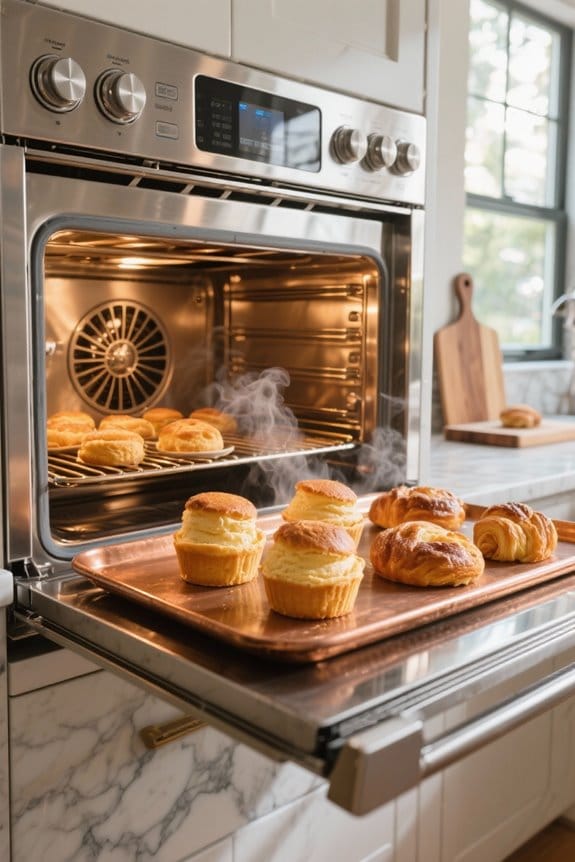
The benefits of a convection oven are clear for both novice and experienced cooks. A convection oven uses a fan system to circulate hot air around the food. This results in even cooking and reduces hot or cold spots, unlike traditional ovens. Cooking time in convection ovens is typically about 25% shorter, enhancing efficiency. Foods often achieve superior browning and crisping, making them ideal for meats and vegetables. Additionally, convection ovens are energy-efficient, with quicker preheating times and less total energy use required for baking. Many models offer the versatility to cook with or without the fan, accommodating delicate baked goods as well as robust meals. This adaptability makes convection baking a smart choice for diverse culinary needs. For a healthier kitchen, consider using toxic-free cookware options that are compatible with convection ovens, ensuring safe and efficient cooking.
When to Choose Traditional Baking Methods
When deciding on a baking method, traditional techniques are often best for delicate baked goods. These methods guarantee even heating, which is essential for items like soufflés and custards. Conventional ovens excel in temperature control, allowing bakers to maintain the ideal oven temperature without the risk of drying out. Cakes and quick breads benefit from this, as the absence of air circulation promotes even rising and minimizes uneven cooking. Additionally, traditional baking methods are effective when using multiple racks, as they provide more consistent results. Foods requiring slow baking, such as brownies and casseroles, achieve peak flavor and texture with this method. Overall, traditional baking is preferable for maintaining moisture and achieving desired outcomes. Nonstick pans, known for easy food release, can also complement traditional baking by ensuring minimal fuss when removing baked goods.
Adjusting Baking Times and Temperatures
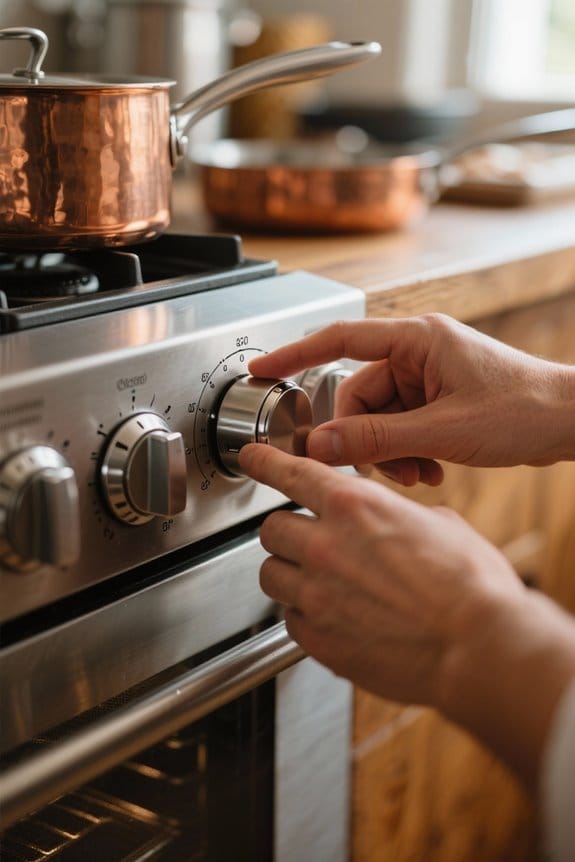
Adjusting baking times and temperatures is essential for achieving ideal results in convection ovens. When using a convection oven, it is important to reduce the baking temperature by 25°F compared to what is specified for conventional ovens. This adjustment allows the food to cook properly without drying out. Additionally, check the baking time about 10 minutes earlier than the traditional recipe suggests. For more precise adjustments, multiply the original baking time by 0.9. Typically, convection ovens require smaller batches or more space between items for adequate air circulation, which can further impact cooking time. Monitoring the cooking process closely is vital to prevent overcooking, especially with recipes sensitive to texture and moisture. Using PFOA-free cookware can offer enhanced cooking performance and healthier meals by reducing harmful chemical exposure.
Tips for Achieving Optimal Results in Baking
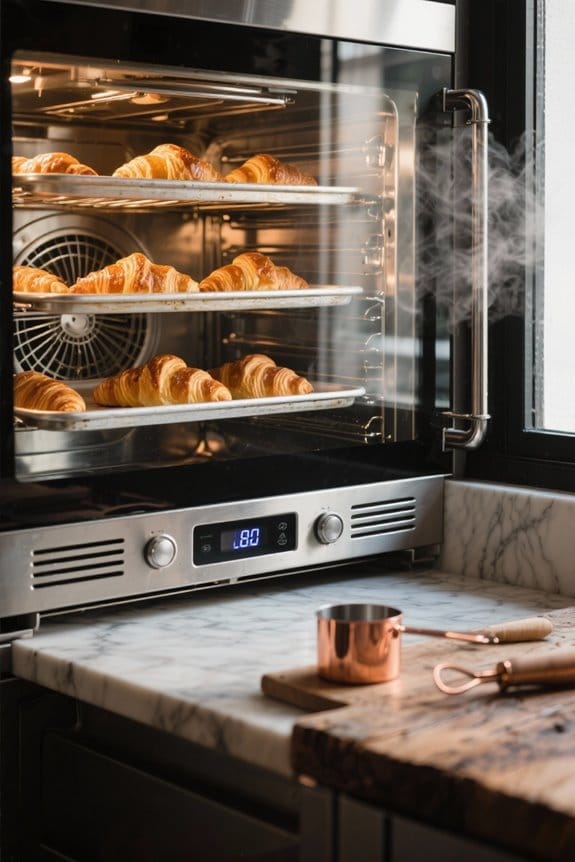
Achieving ideal baking results requires attention to detail and a few key strategies. When using convection ovens, reduce the baking temperature by 25°F. This adjustment helps prevent overbaking. It is also wise to check for doneness 10 minutes earlier than the recipe suggests. Utilizing low-sided baking dishes enhances air circulation, promoting even cooking and browning. While convection cooking, monitor baked goods closely. The intensified heat can lead to quicker cooking times. Professional-grade carbon steel loaf pans provide excellent heat distribution, ensuring consistent baking results. For delicate items like custards, use traditional oven settings. To adjust baking times, multiply the original amount by 0.9 when switching to convection settings. By following these straightforward tips, bakers can achieve exceptional results with their ovens and make the most of convection features.
Frequently Asked Questions
What Is the Difference Between Convection Baking and Regular Baking?
Like a whirlwind on a culinary stage, convection baking excels in air circulation and heat distribution, enhancing time efficiency and food texture. Recipe adjustments and lower oven settings yield superior baking results compared to traditional techniques.
Is 350 Convection the Same as 350 Bake?
No, 350 convection differs from 350 bake. Convection ovens enhance baking efficiency through improved heat distribution, reducing cooking time while affecting food texture, moisture retention, and browning effects, necessitating recipe adjustments across various oven types and energy consumption levels.
Do Professional Bakers Use Convection Ovens?
In the bustling world of commercial kitchens, professional bakers primarily favor convection ovens for their superior heat distribution, baking efficiency, and ability to streamline pastry preparation, all while making necessary recipe adjustments in temperature settings.
What Is the Equivalent of 350 in a Convection Oven?
In convection ovens, the equivalent of 350°F should be set to 325°F for ideal heat distribution. Baking tips include adjusting cooking times and ensuring food texture and flavor retention through careful recipe adjustments and oven calibration.