As an Amazon Associate, we earn from qualifying purchases. Some links on this site are affiliate links at no extra cost to you. Our recommendations are based on thorough research and editorial judgment.

Why Thickness Matters in Griddle Performance

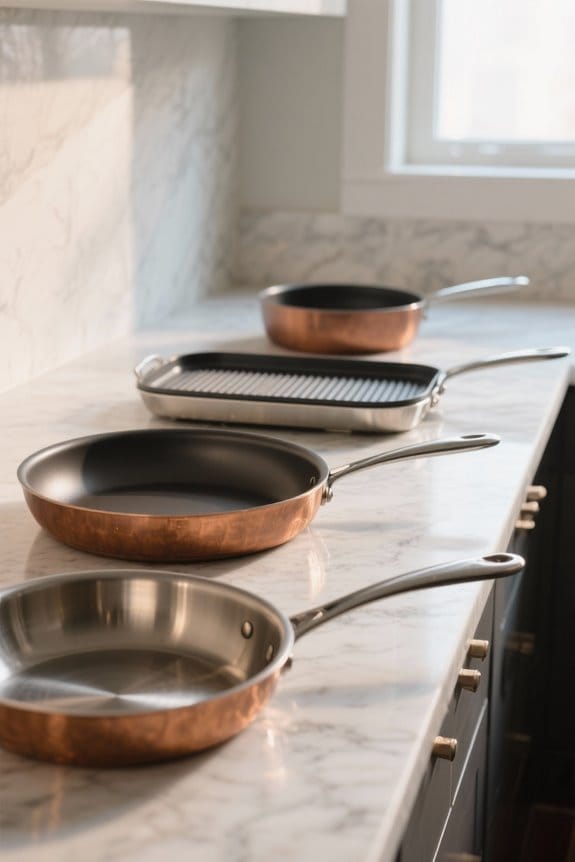
Griddle plate thickness considerably impacts cooking performance. Thicker plates retain heat better, ensuring stable temperatures during cooking. They experience less temperature sag under load, providing consistent results, especially with frozen foods. Additionally, thicker griddles recover quickly post-cooking, minimizing fluctuations. Materials like cast iron or robust stainless steel enhance durability and lifespan. When selecting a griddle, consider these factors to improve your cooking experience. More insights on these topics are available for further exploration.
Key Takeaways
- Thicker griddles, like a 25 mm plate, retain heat more effectively, ensuring consistent cooking and reduced temperature fluctuations.
- Increased thermal mass in thicker plates results in better temperature stability under load, preventing significant drops during cooking.
- Greater thickness enhances durability, reducing the risk of warping and prolonging the griddle’s lifespan with proper maintenance.
- Thicker surfaces distribute heat more evenly, minimizing hot spots and improving overall cooking quality across various food types.
- Nonstick coatings on thicker griddles can optimize cooking efficiency, reducing food sticking and facilitating easier cleanup.
Understanding Griddle Plate Thickness
You may be interested



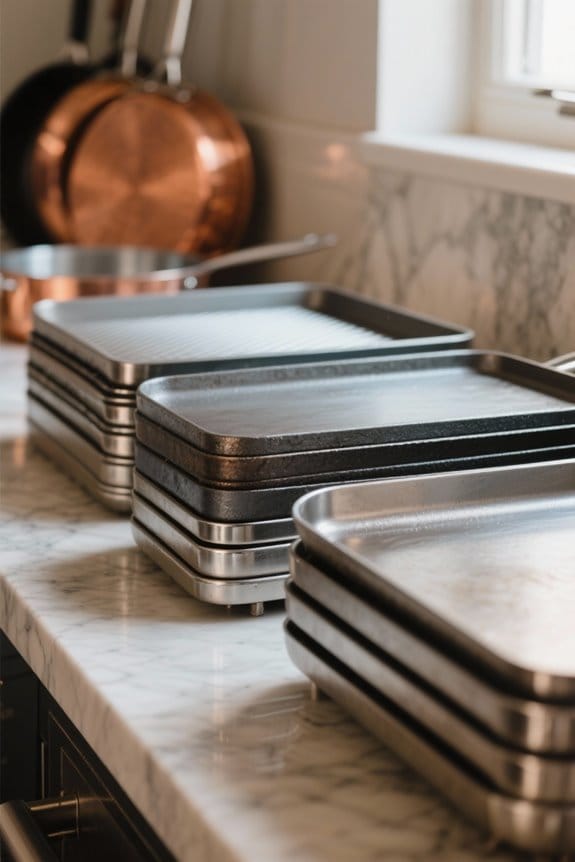
When choosing a griddle, understanding the plate thickness is crucial. Thicker plates, such as the 25 mm cast iron version, offer superior heat retention. They hold more thermal mass, approximately 25% more than the 20 mm plates. This increased mass means less temperature sag when cooking, especially with frozen foods. A 25 mm plate experiences around 25% less temperature drop during cooking. This results in more stable cooking temperatures, which can enhance food quality. While the preheat time is longer for the thicker plate, its ability to recover quickly and maintain heat fluctuation is advantageous. Nonstick properties significantly influence efficiency, making them an important consideration in selecting the right griddle. Overall, a thicker griddle plate positively influences cooking performance and consistency, making it a better choice for precision cooking.
Thermal Mass and Heat Retention
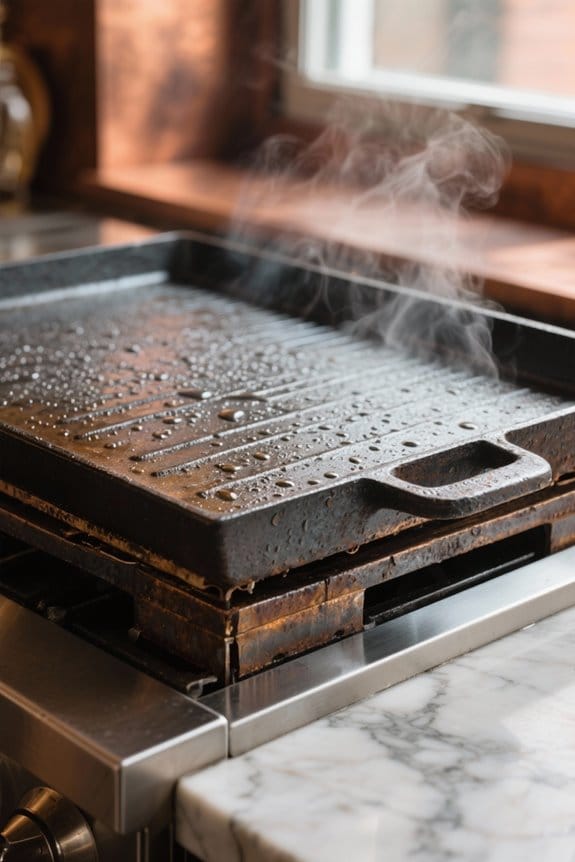
Thermal mass plays a significant role in the performance of a griddle. A thicker griddle plate, like a 25 mm option, has more thermal mass than a 20 mm plate. This added mass helps retain heat better and reduces the occurrence of hot spots. When food is added, the thicker plate exhibits less temperature sag, offering consistent cooking results. Additionally, grates provide a surface that helps distribute heat evenly across the cooking area. This feature becomes vital when grilling frozen or chilled foods, as the thicker plate maintains a more stable temperature. However, thicker griddles require longer preheating. As a result, understanding thermal mass is essential for achieving effective cooking performance in griddles. A tri-ply construction enhances heat conductivity, further contributing to more consistent temperature distribution across the griddle’s surface.
Temperature Stability Under Load
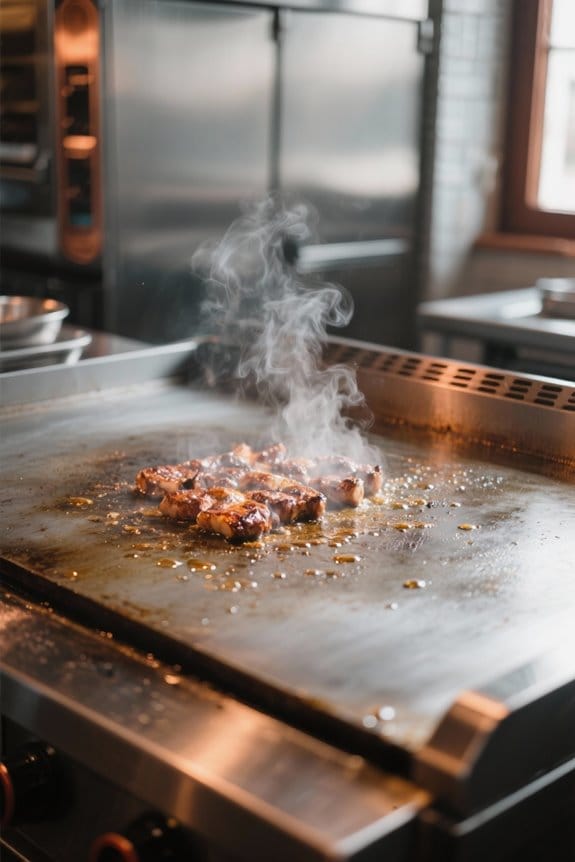
Temperature stability under load is a critical factor in griddle performance. A thicker griddle plate, such as one measuring 25 mm, holds more thermal mass than a 20 mm plate. This increased mass improves temperature retention techniques across cooking tasks. When loaded with frozen or chilled foods, the thicker plate experiences about 25% less temperature sag than its thinner counterpart. This is essential because thinner griddles tend to show deeper temperature drops under load. Such drops can negatively impact consistency in results. The thicker griddle maintains more stable heat, which is particularly beneficial during heavy cooking. Overall, the choice of thickness directly affects the impacts of cooking load and the overall quality of food prepared. Additionally, non-stick coatings on griddles can aid in reducing the need for scrubbing and allow for easy wipe-downs, contributing to overall maintenance.
Recovery Times After Cooking
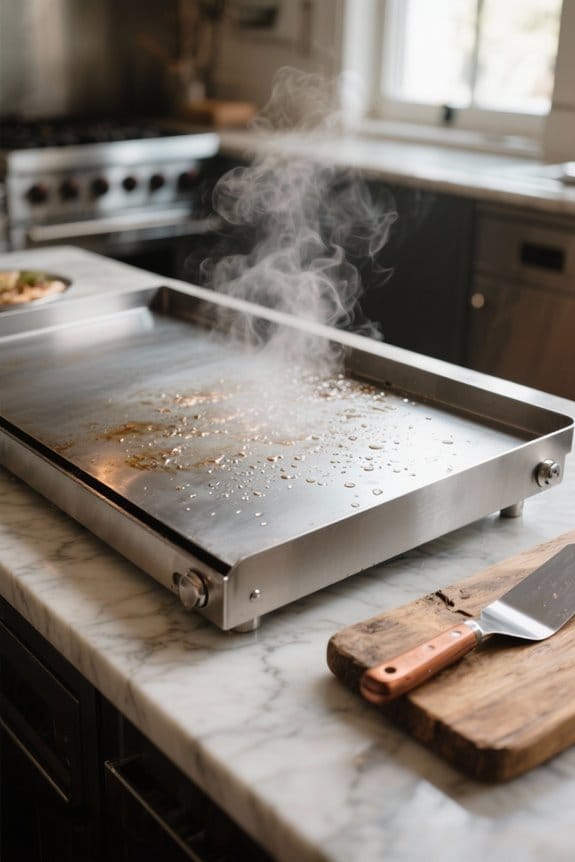
Recovery times after cooking are essential for maintaining consistent food quality. Thicker griddle plates, such as 25 mm options, provide better recovery efficiency. These plates experience less temperature sag under load. Consequently, they offer more stable recovery after cooking compared to thinner 20 mm plates. While thinner plates require less energy to reheat, they drop deeper in temperature. This makes load management more challenging. Thicker plates, with their greater thermal mass, reduce overall temperature fluctuations. They stabilize recovery times effectively, which is critical for cooking heavier or frozen items. A 25 mm plate offers about 25% more stability during recovery, making it the preferred choice for maintaining consistent cooking performance. Stackable cookware sets are ideal for small kitchens and offer space-saving solutions, making them a great addition alongside thicker griddle plates for efficient cooking setups.
Preheat Times and Response to Adjustments
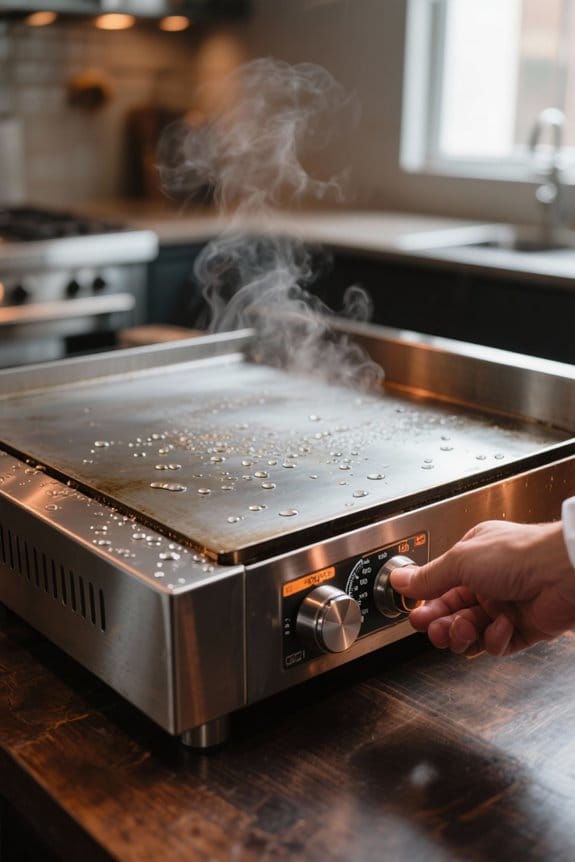
How quickly does a griddle heat up and respond to adjustments? Preheat efficiency analysis shows that a 25 mm griddle plate takes about 25% longer to reach temperature compared to a 20 mm plate. This is due to the heavier thermal mass of the thicker plate. In high-variation cooking environments, the 20 mm plate is advantageous because it responds faster to temperature adjustment techniques. Although thicker plates maintain heat more steadily, they are slower to adjust when setpoints change. This can hinder cooking time optimization. Energy restoration is more stable with a thicker plate after loading, even though it requires more energy to achieve desired temperatures. Overall, the choice of thickness impacts preheat times and response flexibility. Non-stick coatings prevent sticking and ensure easy food release, which is a beneficial feature in various cooking tools, including griddle plates.
Impact on Cooking Performance and Consistency
When considering griddle performance, the thickness of the plate plays an essential role in cooking outcomes. Thicker plates, like those measuring 25 mm, offer increased thermal mass, which leads to better heat distribution patterns. This stability results in less temperature sag when cooking frozen foods, contributing to consistent performance. A thicker griddle maintains steady temperatures, reducing the risk of hot spots. Unlike thinner options, thicker plates recover steadily after loading, which is vital for even cooking. Though they require longer preheating times, their advantages are evident in high-demand settings. The choice of griddle surface materials and cooking oil types can further enhance performance. Overall, thicker griddles are more reliable for achieving uniform cooking results. Additionally, tempered glass baking pans are recommended for their temperature durability and nonporous nature, similar to the benefits of thicker griddles in maintaining consistent cooking environments.
Durability Considerations for Griddles
Thickness contributes considerably to the durability of griddles. Thicker griddles, typically ranging from 1/4 inch to 1/2 inch, resist warping and bending. This feature is essential during high-heat cooking sessions. A thickness of 25 mm provides approximately 25% more thermal mass, enhancing endurance against heavy usage. Griddles made from robust materials, such as 8mm to 9mm stainless steel, minimize sagging and rust issues, thereby improving longevity. Regular maintenance practices, like oiling and proper cleaning, further extend the lifespan of these durable units. Investing in thicker griddles offers material advantages that yield better long-term value. With fewer replacements required, they guarantee consistent and reliable cooking performance in demanding environments, making them a sound long-term investment. Additionally, adhering to nonstick properties can enhance food release and ease of cleaning, further contributing to the griddle’s durability.
Recommended Products

✅ Blaze 40 Inch 5-Burner LTE Gas Grill with Rear Burner and Built-in Lighting System | Overall Dimensions: 21 1/4"H x 39 1/2"W x 25 3/4"D | Cut-Out Dimensions: 8 1/2"H x 38 3/8"W x 21 1/4"D | Grill has 5 commercial quality 304 cast stainless steel burners | 14,000 BTUs of cooking power per burner, for a total cooking surface of 70,000 BTUs | 10,000 BTU infrared rear rotisserie burner | 915 square inches of total cooking space. BLZ-5LTE2

Powerful 96,000 BTU Gas Grill Performance This gas grill features 6 high-efficiency stainless steel burners, a rear infrared grill burner, and a side burner delivering up to 96,000 BTUs, making it ideal for outdoor cooking, BBQ grilling, and high-heat searing.

ISLAND FEATURES - The MAi805-D90BEV Mont Alpi 805 deluxe series 94" x 88" L-shaped premium outdoor kitchen island with 44" gas grill arrives almost fully assembled (modular attachment required) and is made from 304 stainless steel. The 90 degree corner (MA90C) cart comes in a flat pack and requires assembly. The beverage center refrigerator module comes standard with this model together with the faucet and sink. You also get large soft closing drawers right underneath your grill for extra storage and easy access, plus a fully covered back with vents. Your outdoor kitchen also comes with gliding castor wheels for smooth and easy-to-maneuver movement and increased stability.
Comparing Griddle Options Available
Several options are available for consumers looking to purchase a griddle. The Little Griddle SQ180 is a budget-friendly choice. However, it often falls short when compared to dedicated griddles like Blackstone. Many users report better cooking performance with Blackstone models. Price differences can be significant, but the functionality justifies the cost for some buyers. Stainless steel griddles should have a thickness of at least 1/8 inch for even cooking. Custom-built griddles, often made from plate steel, provide excellent heat retention with around 1/4 inch thickness. User experiences highlight that larger setups like Blackstone cater to multiple items at once. Proper use includes avoiding sudden temperature changes to maintain the longevity of your griddle. Consequently, brand comparisons indicate that investing in well-regarded options can lead to better overall satisfaction.
Choosing the Right Thickness for Your Needs
Selecting the right griddle thickness is essential for achieving ideal cooking performance. A 25 mm plate offers 25% more thermal mass than a 20 mm plate. This feature helps reduce temperature sag when cooking frozen foods. Thicker plates require longer preheat times but guarantee stable temperatures during continuous cooking. A 20 mm plate allows for quicker temperature adjustments, which is useful in high-variation cooking settings. Material choices also affect performance. When choosing cookware, nonstick coatings like PFOA-free options are safer and enhance cooking efficiency. Thicker surfaces provide better heat distribution, minimizing hot spots. For longevity, opt for a thicker griddle to reduce warping. Maintenance tips include regular cleaning and avoiding extreme temperature changes. Evaluating thickness based on your cooking techniques will assure the best results for your culinary needs.
Recommended Products

COMMERCIAL: 4-row automatic function; All-in-one forming, frying, flipping & counting; ideal for high-demand donut businesses

【SAFE AND EFFORTLESS MANUAL USE】 Ditch bulky electric machines! This folding dough sheeter machine eliminates the need for electricity—folding dough rolling machine is perfect for family baking sessions, camping adventures, or cozy kitchen nights. Assembles in a flash (10 seconds flat!) and weighs just 5/7kg, so even kids and grandparents can wield it like pro pastry chefs

🔥Dimensions & Compatibility: Upgrade your grilling experience with our 23" L x 16" W x 2.6" H Enameled Cast Iron Griddle, fit virtually any gas grill, charcoal grill and 4 burner range oven. this universal griddle is perfect for camping, tailgating, family gatherings, backyard BBQs and home kitchens.
Frequently Asked Questions
What Is the Thickness of a Blackstone Griddle?
The thickness of a Blackstone griddle measures 1/4 inch, which is considered ideal griddle thickness. This thickness positively impacts cooking performance and enhances griddle durability factors, ensuring consistent heat distribution and effective cooking results.
What Are Professional Griddles Made Of?
Most professional griddles are constructed from either stainless steel or heavy-duty carbon steel. These griddle materials options guarantee ideal cooking surface durability and performance across various professional griddle types, catering to diverse culinary needs.
How to Tell if a Griddle Is Hot Enough?
To determine griddle temperature indicators, one can check the surface temperature by observing water droplets or sprinkling flour. Optimizing cooking time requires achieving the appropriate temperature for specific foods, ensuring even cooking and desired results.
How Thick Is a Commercial Griddle?
Commercial griddles typically range from 1/4 inch to 1/2 inch in thickness. Evaluating griddle thickness benefits is essential when measuring griddle dimensions, alongside considering appropriate materials for ideal cooking performance and durability.