As an Amazon Associate, we earn from qualifying purchases. Some links on this site are affiliate links at no extra cost to you. Our recommendations are based on thorough research and editorial judgment.

Why Certain Pan Shapes Became Regional Standards

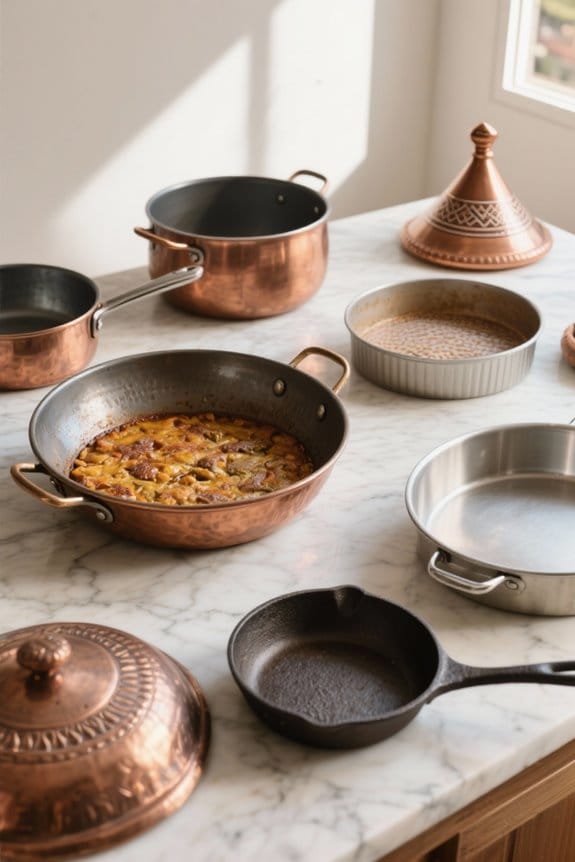
Certain pan shapes became regional standards due to practical cooking needs and available materials. For example, woks are designed for quick stir-frying in Asian cuisine. Southern cooking often requires deep, wide pots for frying. Round pans are preferred for baking cakes in Western cultures. The materials also important; cast iron is favored in Europe for durability, while lighter aluminum is popular for convenience. Understanding these factors provides insight into the different standards used globally. Exploring further reveals even more about these unique designs.
Key Takeaways
- Historical cooking methods and regional ingredients influenced the design and standardization of specific pan shapes across various cultures.
- Unique culinary practices, such as deep frying in Southern cuisine, required wider and deeper pots for effective cooking.
- Regional cooking techniques, like baking cakes in round pans or stir-frying in woks, led to the creation of standardized pan shapes.
- The availability of materials like aluminum, cast iron, and copper shaped regional preferences for specific cookware designs and functionalities.
- Modern trends focus on usability, safety, and performance, leading to the evolution of standard pan shapes that cater to contemporary cooking needs.
Historical Influence on Pan Shapes
You may be interested



Throughout history, the shape of cooking pans has evolved markedly due to various influences. Historical cooking methods and regional ingredients shaped specific pan designs that fit local practices. Metal and non-stick materials changed the dynamics of cooking, allowing for more versatile pan shapes. Different oven designs and rack dimensions also influenced standardization, ensuring compatibility for both home cooks and professional bakers. Global travel introduced diverse techniques and recipes, prompting adaptations in regional pan shapes to meet local tastes. In the 20th century, the rise of specialized cuisines and cooking shows reinforced standard shapes that became widely accepted. These developments illustrate how practical needs and cultural exchanges guided the evolution of cooking pan designs over time. Additionally, the importance of even heat distribution in baking sheets has influenced the choice of materials and designs, leading to regional preferences for specific types of baking pans.
Cultural Cooking Techniques and Their Impact
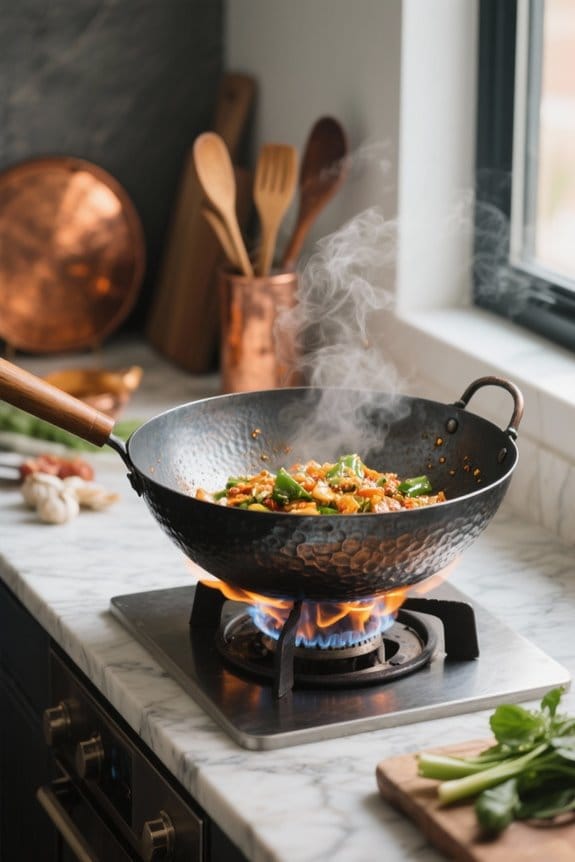
Cultural cooking techniques greatly shape the design and function of cookware. Different regions have unique methods of preparation that require specific pan shapes. For example, deep frying in Southern cuisine has led to the development of wider, deeper pots. In contrast, round pans are essential for baking cakes in Western cultures. Asian stir-frying techniques necessitate the use of woks, which are designed for quick cooking over high heat. The cast iron skillet emerged from American cooking needs for durability and versatility. Additionally, dishes like Spanish paella require wide, shallow pans for proper cooking. These cultural cooking techniques not only dictate the design of cookware but also influence how meals are prepared across various culinary traditions. Many baking stones are suitable for various culinary tasks beyond pizza, allowing experimentation with a wide range of baked goods.
Regional Ingredients and Culinary Practices
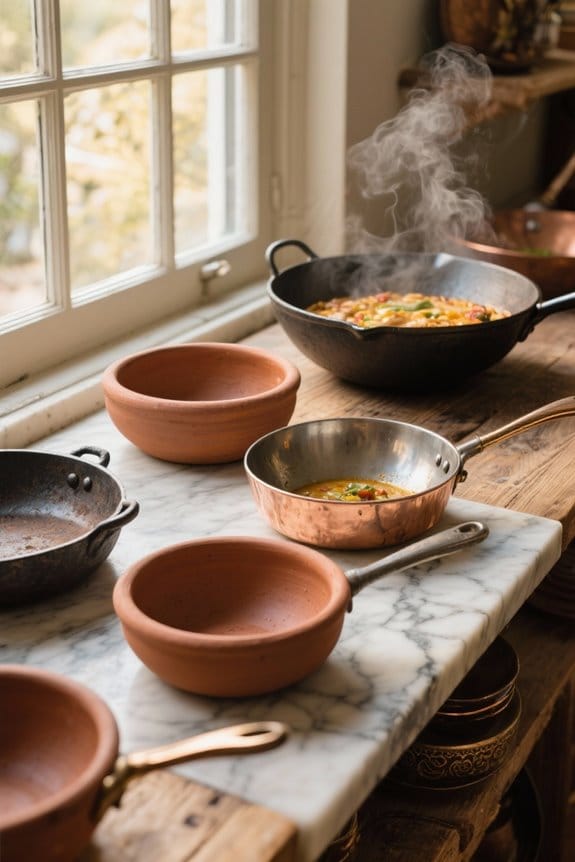
Regional ingredients heavily influence the shapes of cooking pans used in various culinary practices. Different dishes require specific cooking methods, which dictate pan design. For example, Mediterranean cultures often use round or rectangular pans for making flatbreads. This shape accommodates doughs traditionally shaped in these regions. Deeper pans are preferred for casseroles in some cultures, supporting layered recipes. In French cuisine, stews are commonly prepared in rounded cocotte-style pans, reinforcing that shape’s popularity elsewhere. Each regional ingredient drives the need for these specific shapes to optimize cooking methods. As culinary practices become standardized, specific pan designs emerge to effectively utilize local ingredients, making them essential tools in any regional kitchen. A new sentence with excellent heat distribution and the rest of the sentence.
The Role of Available Materials in Pan Design
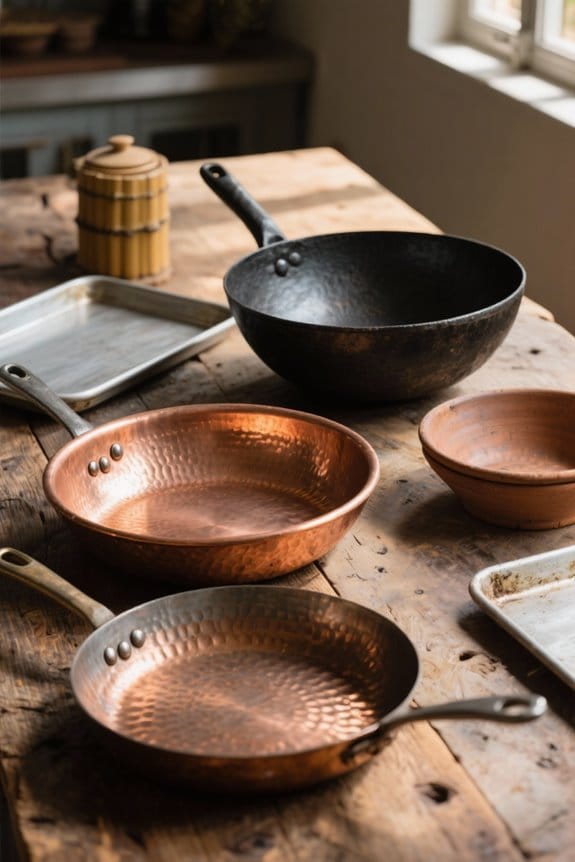
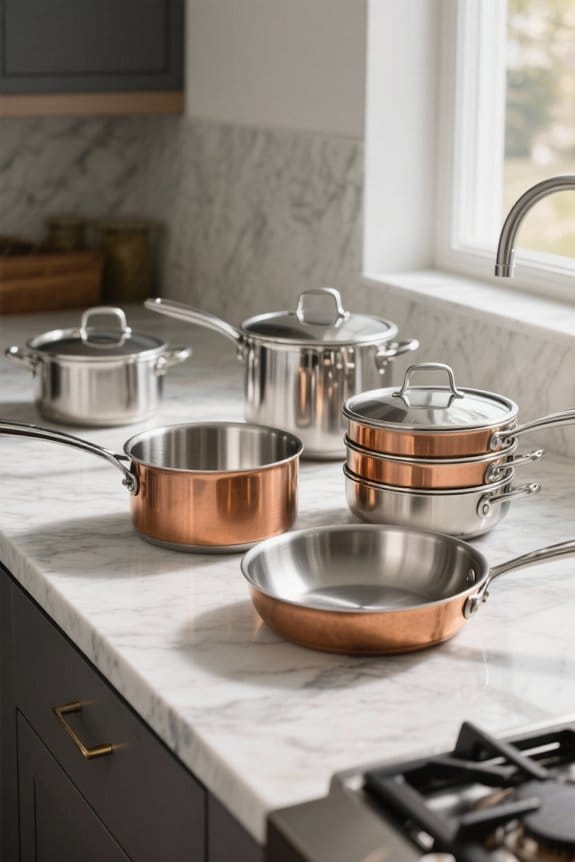
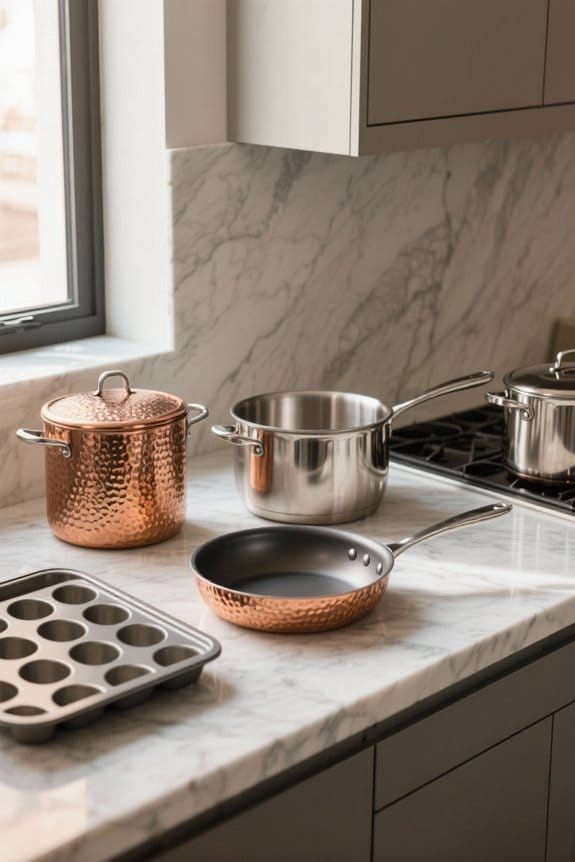
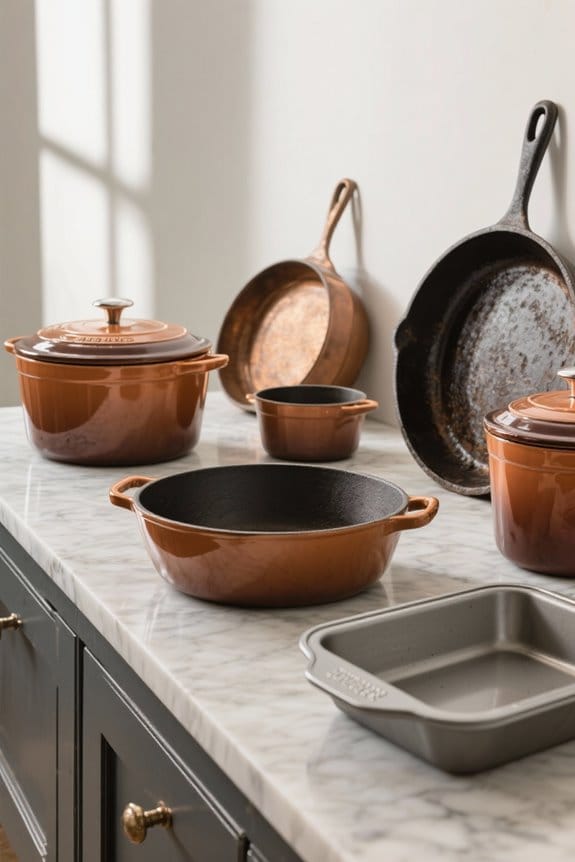
Cooking pans are shaped and designed based on the materials available in a region. The choice of materials like aluminum, copper, and cast iron has a profound impact on pan design. Aluminum gained popularity in the 20th century for its lightweight nature and superior heat conduction. Regions with abundant cast iron, such as Europe, produced heavy, durable pans. Conversely, Mediterranean cultures embraced copper for its excellent conductivity. The emergence of stainless steel offered a modern, non-reactive option, revolutionizing pan shape towards sleek designs. Local culinary practices also influenced pan forms. Flat, wide designs suited areas with grain, while deeper pots were preferred for stewing. Overall, available materials dictate the functionality and aesthetics of pans in diverse cooking environments. Interestingly, stoneware baking dishes have become essential tools in kitchens due to their durability and ability to provide uniform cooking, further showcasing how material choice influences cookware design.
Standardization of Cookware Across Cultures
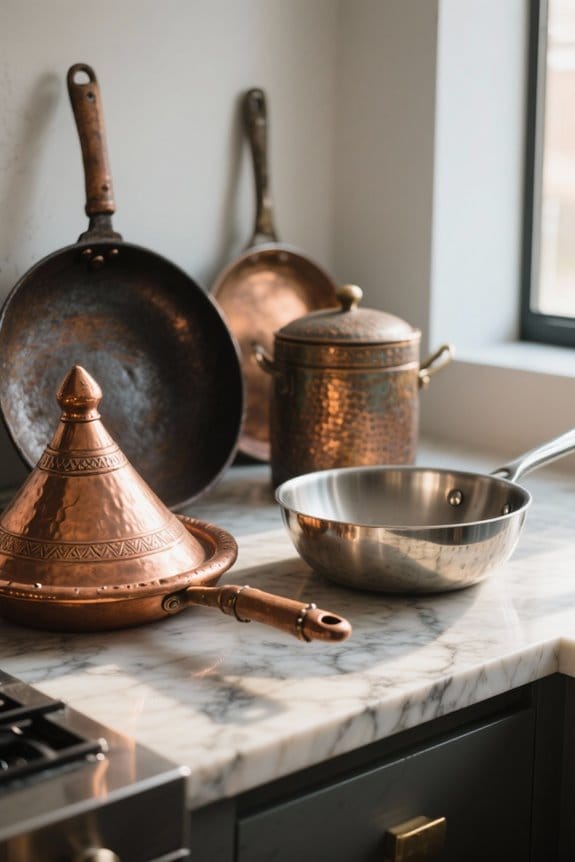
Standardization of cookware shapes has greatly impacted the way meals are prepared across different cultures. These standardized shapes emerged from local cooking practices and specific cuisines. Round pans became essential for baking cakes, while rectangular pans were favored for roasting. The standardization of cookware improved heat distribution, making cooking more efficient. Geographic factors and material availability determined popular shapes. Regions rich in clay pottery tended to favor round pans due to easier manufacturing processes. In the mid-20th century, American home baking culture led to the rise of common sizes like sheet and loaf pans. This further solidified the standardization of cookware, shaping how meals are cooked across diverse cultural settings. Standard shapes enhance functionality and adaptability in various culinary traditions. The importance of selecting durable and functional bakeware sets is crucial for maintaining these standardized shapes, ensuring efficiency and versatility in baking practices.
The Evolution of Cooking Appliances and Their Influence
Throughout history, the evolution of cooking appliances has regularly influenced the design and functionality of cookware. The shift from open fires to electric ranges and gas ovens required new pan shapes and sizes. Early commercial ovens established specific dimensions for pans, guaranteeing they fit within racks. In the 1930s, the popularity of cake mixes led to standardized pan sizes for efficient baking. The introduction of rotary rack ovens in 1964 reinforced this standardization, enabling consistent baking results. Manufacturers like Wear-Ever responded to consumer demands by producing common sizes for bun and sheet pans. The Nordic Ware Naturals Half Sheet Baking Pan, for instance, is a testament to this evolution with its aluminum construction that ensures superior heat conductivity and even browning. These developments assure that cookware aligns with modern cooking appliances, optimizing performance and enhancing the overall cooking experience in both commercial and home kitchens.
Modern Trends and Innovations in Pan Design
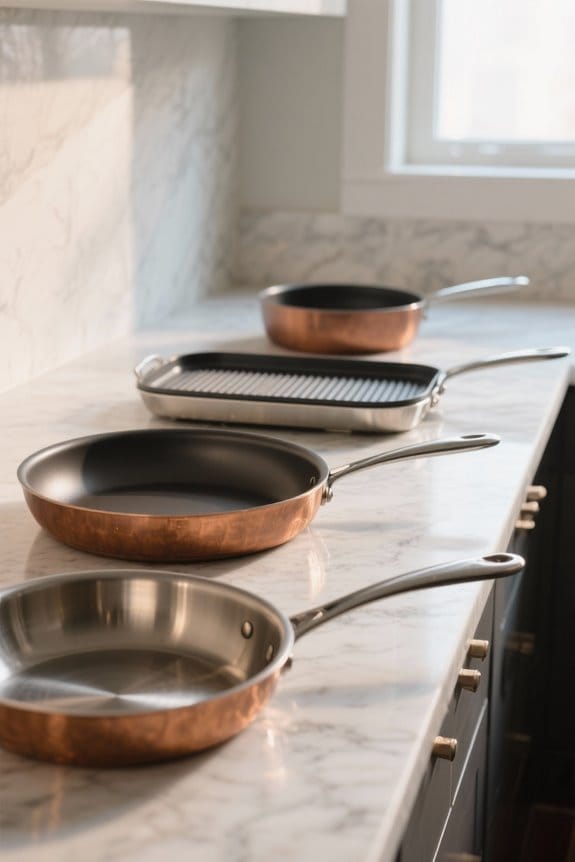
The evolution of cookware has led to modern trends that prioritize usability and performance. Innovations in pan design now emphasize ergonomics and user-friendly features. Heat-resistant handles are commonly found in contemporary pans, ensuring safer cooking. Lightweight materials are becoming more popular, making pans easier to handle. Advances in non-stick and ceramic coatings improve cooking performance and simplify cleaning. Multi-functional pans cater to various cooking methods, adding versatility to kitchens. Sustainability plays a significant role, with manufacturers using eco-friendly materials to attract conscious consumers. Additionally, smart cookware is emerging, featuring sensors for improved cooking precision. Porcelain baking dishes are also gaining popularity for their durability and aesthetic appeal. Overall, these modern trends represent a shift towards enhancing user experience while meeting contemporary cooking needs.
Frequently Asked Questions
Which Type of Frying Pan Is Best?
Like a painter’s canvas, the best frying pan varies with technique; non-stick offers easy release, cast iron excels in heat retention, and stainless steel creates fond, each chosen for their unique frying pan features.
What Is the History of Pans?
The history of pans reflects culinary evolution, beginning with primitive materials and methods. Advancements from copper to cast iron and the Industrial Revolution’s influences led to the standardization of shapes and sizes for modern cooking.
Why Are Pans Round?
Pans are round due to culinary evolution, promoting efficient heat distribution and reducing hot spots. This shape enhances various cooking techniques, facilitating movements like stirring and flipping, while catering to specific recipe requirements such as pizzas and pies.
Which Pan Is Best Prepared for Pan Tossing the Ingredients?
The wok, with its rounded, high-sided design, effortlessly cradles ingredients, inviting a dance of tossing. Meanwhile, skillets, with their raised edges, and griddles, with expansive surfaces, offer similar freedom, celebrating diverse pans’ design for cooking mastery.