As an Amazon Associate, we earn from qualifying purchases. Some links on this site are affiliate links at no extra cost to you. Our recommendations are based on thorough research and editorial judgment.


The Science Behind Removing Baked-On Grease

Baked-on grease is tough due to its polymerized composition. Effective removal relies on strong alkaline cleaners, which alter the chemical structure of grease. Sodium hydroxide is a common ingredient that aids saponification, breaking grease down into soap-like compounds. For less severe grease, baking soda works as a mild abrasive. Safety precautions are essential when handling these chemicals to prevent harm. Exploring advanced cleaning techniques and eco-friendly alternatives can reveal more effective methods for maintaining oven performance.
Key Takeaways
- Baked-on grease is comprised of triglycerides that bond to surfaces, forming a stubborn layer requiring specialized cleaning methods for removal.
- Alkaline substances, like sodium hydroxide, react with fats through saponification, effectively breaking down grease.
- High pH levels of alkaline cleaners disrupt molecular bonds in fats, facilitating grease emulsification and removal.
- Safety precautions, including protective gear and proper ventilation, are essential when using chemical cleaners due to their corrosive nature.
- Eco-friendly options like baking soda and vinegar can effectively dissolve grease and enhance shine without toxic impacts on the environment.
Understanding Baked-On Grease
You may be interested



Baked-on grease is a common challenge in kitchens. This stubborn residue is made up of triglycerides that bond to surfaces when heated. As temperatures increase, the grease undergoes polymerization, creating a hard layer. This makes it considerably tougher to clean. Conventional cleaning methods often fall short against such thick grease. To effectively tackle baked-on grease, one may need stronger alkaline substances. These substances break down the resilient structure of the grease during oven cleaning. Understanding the nature of baked-on grease aids in selecting the right cleaning strategies and materials. An effective approach can save time and effort while ensuring surfaces are not damaged in the process. Knowing what works best is key to a successful cleaning outcome. Stoneware baking pans offer chip-resistant surfaces that can withstand harsh cleaning methods, making them a robust option for those dealing with stubborn baked-on grease.
The Role of Chemistry in Grease Removal
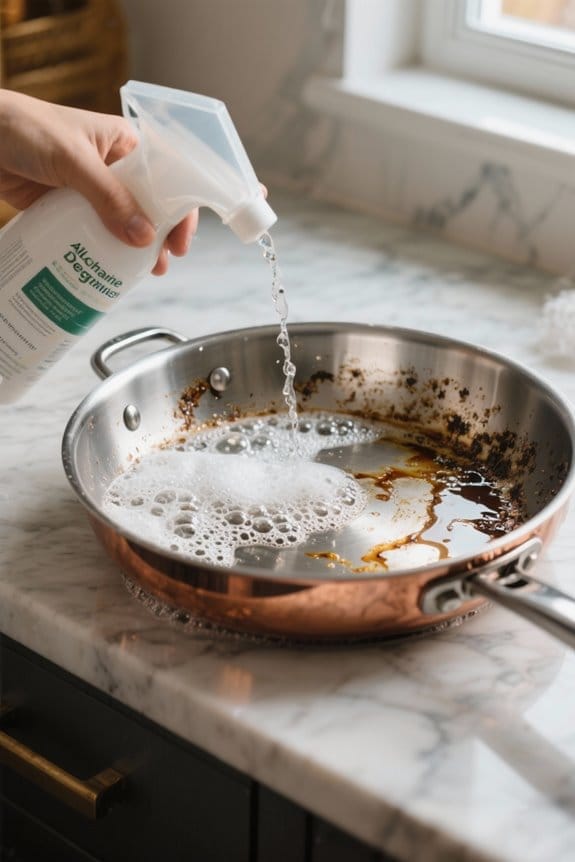
Chemistry plays an essential role in the effective removal of grease. The process of saponification is fundamental. Here, alkaline substances react with fatty acids to form soap-like compounds. This reaction helps break down tough grease. Sodium hydroxide is a common ingredient in many oven cleaners. It has a high pH, making it very effective for cleaning. These alkaline oven cleaners can strip away grease and grime efficiently. Nonstick pans enhance the baking experience by ensuring easy food release and minimal fuss. Natural alternatives, like a baking soda and vinegar mix, also employ chemical reactions, but are less effective on heavy grease. Creating a baking soda paste can be useful for a gentle cleaning method. It acts as a mild abrasive. Understanding the chemical interactions is critical for maintaining a clean oven while protecting surfaces.
Components of Effective Oven Cleaners
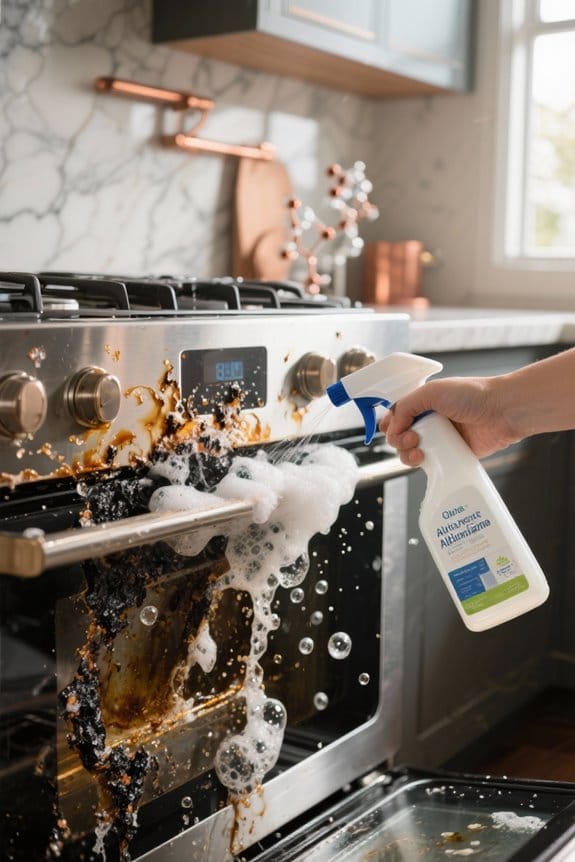
Oven cleaners are designed with specific components that enhance their effectiveness. Many effective formulations contain strong alkaline ingredients like sodium hydroxide and potassium hydroxide. These ingredients have a high pH, allowing them to effectively break down grease and organic matter. Caustic soda, or sodium hydroxide, is especially known for emulsifying fats. Some oven cleaners include solvents such as ethers and ethylene glycol, which help dissolve stubborn oils. However, these substances can pose inhalation risks. Methylene chloride is an additional ingredient in certain products, providing effective grease removal but requiring careful handling due to its carcinogenic properties. The combination of these components allows oven cleaners to tackle tough baked-on grease while necessitating safety precautions due to their corrosive nature. A porous material absorbs excess moisture for ideal crusts and can be favored for producing brick-oven quality results.
Recommended Products

Membrane-Grade Purity: High-purity 50% liquid NaOH solution for critical industrial cleaning and sensitive manufacturing. Reliable and consistent.
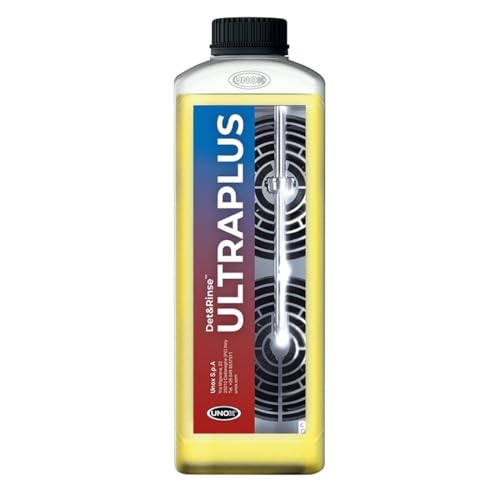
Designed for use with CHEFTOP MIND.MAPs, SPEED-X, and CHEFTOP-X ovens
How Alkalinity Affects Grease Breakdown
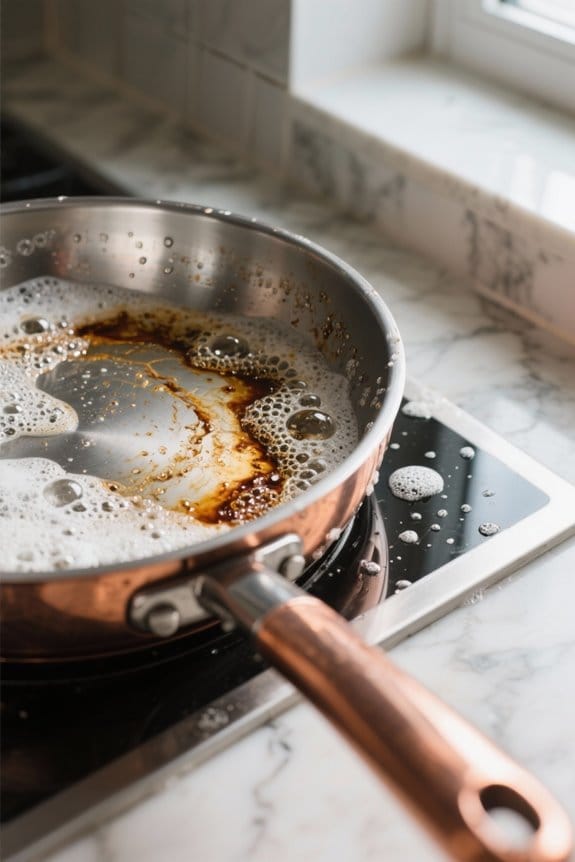
Alkalinity plays an essential role in breaking down grease. High pH levels in alkaline cleaners, typically ranging from 11 to 14, can disrupt the molecular bonds of fats and oils. This disruption is critical for effective cleaning. Alkaline substances, through a process called saponification, interact with fatty acids to create soap-like compounds. This transformation makes grease easier to rinse away. Baking soda, with a pH of about 9, helps remove light grease through gentle abrasiveness. For tougher residues, stronger alkaline cleaners like sodium hydroxide are recommended. Unlike acidic cleaners, alkaline options are safer for metal surfaces. They facilitate grease removal without damaging the material underneath, making them an effective choice for maintaining kitchen cleanliness. Carbon steel pans offer excellent heat responsiveness and distribution, making them ideal for high-heat cooking tasks such as searing meats.
Safety Precautions With Chemical Cleaners
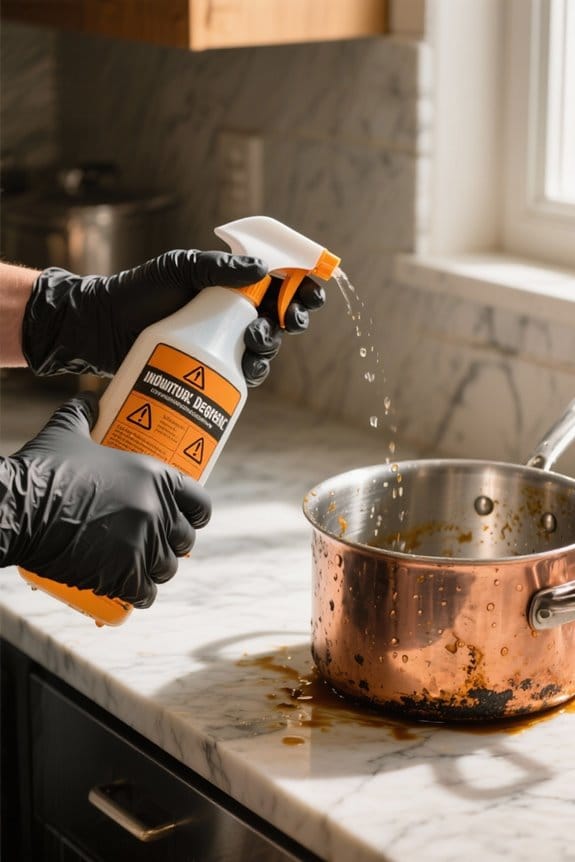
When using chemical cleaners, what measures should be taken to guarantee safety? First, wearing protective gear such as gloves and masks is essential. This helps prevent skin irritation and respiratory issues from harmful fumes. Proper ventilation is also vital. Many ingredients can cause irritation if inhaled. The caustic nature of products like oven cleaner, which may contain sodium or potassium hydroxide, can lead to severe burns upon contact with your skin or eyes. Always follow the manufacturer’s instructions regarding dilution and safety protocols. Additionally, it is recommended to thoroughly rinse surfaces with water after cleaning. This step helps remove any residual chemicals that may pose health risks if absorbed or ingested later. Taking these precautions guarantees a safer cleaning experience. It’s also important to consider the durability and warping resistance of your baking pans when cleaning, as harsh chemicals can sometimes affect these properties.
Common Misconceptions About Baking Soda and Vinegar
Baking soda and vinegar are often praised as natural cleaning agents, particularly for tackling tough grease. However, misconceptions abound regarding their effectiveness. The fizzy reaction they produce can mislead many into believing they excel at removing baked-on grease. Research shows that while baking soda and vinegar can assist in routine cleaning and deodorizing, they fall short compared to specialized degreasing soaps. Experts, such as Dr. Amanda Morris, highlight that the acid-base reaction does not sufficiently dissolve grease. Additionally, nostalgia and social media often inflate their cleaning capabilities. Users may experience psychological satisfaction when using these homemade solutions, but their results on stubborn grease stains are often limited. Understanding these facts can lead to more effective cleaning choices. When choosing cleaning tools, consider using gentle, non-abrasive tools like soft sponges or cloths to avoid damaging surfaces.
Pros and Cons of Natural Cleaning Solutions
Natural cleaning solutions offer a variety of benefits and drawbacks. Baking soda and vinegar are non-toxic alternatives to harsh chemical cleaners. They create a safer cleaning environment for families and pets. Baking soda acts as a mild abrasive that effectively removes light grease. Vinegar serves as a deodorizer and helps dissolve mineral deposits. Their combination can create a fizzing reaction, assisting in loosening stuck-on residues. However, these solutions are less effective against heavy grease compared to commercial degreasers. They may also require more scrubbing and longer application times. Additionally, natural cleaners can still leave behind tough stains. Overall, while natural cleaning solutions are effective for routine maintenance, they may fall short for severe baked-on grease removal. Ceramic bakeware is lead-free and non-toxic, making it a safe choice for those who prioritize health safety in their kitchen.
Recommended Products

Dining Set Dimensions: This patio dining table and chairs set includes 12 dining chairs and 1 rectangle table. Table size: 154.33"L x 37.4"W x 29.92"H. Chair size: 23.62"D x 22.44"W x 31.5"H. Chair capacity: 300lbs.

All-Weather Durability: Elegant cross-weaving design, crafted with breathable handwoven Textilene rope, resistant to rust, fade, crack, and quick-drying.

Recommended Bar Height: This bar height stool measures 21.65"D x 19.29"W x 41.73"H, with a seat height of 30.31 inches, suitable for bar heights ranging from 40 to 44 inches.
Effectiveness of Baking Soda as a Cleaning Agent
A significant number of households rely on baking soda as an effective cleaning agent. Baking soda is a mild alkaline substance that helps dissolve grease by reacting with acidic residues. It works best on light grease and stuck-on food particles rather than heavy baked-on grease. Moreover, it serves as a gentle abrasive that effectively dislodges food and grease when applied dry or as a paste with water. The fizzing reaction created between baking soda and acids can also assist in loosening grime. For best results, applying a baking soda paste and letting it sit for several hours allows it to penetrate stubborn residues. However, research indicates it may not be as effective as commercial degreasers for significant grease build-up. Durability is essential for long-term use and performance when selecting baking sheets for easy maintenance and cleaning.
The Power of Vinegar in Cleaning Applications
Vinegar serves as a powerful cleaning agent that effectively tackles various household messes. This mild acid, known as acetic acid, works by breaking down the grease on surfaces. Its acidic nature helps dissolve mineral deposits and sticky residues. For tougher grime, a mixture of baking soda and vinegar produces a fizzy reaction, aiding in loosening debris. While this combination may not remove thicker layers of grease entirely, it can be beneficial for lighter residues. Additionally, vinegar is excellent at deodorizing, making it ideal for cleaning microwaves and refrigerators. Regular use of vinegar solutions also enhances the shine on surfaces like glass and stainless steel, contributing to a polished appearance in the home. Some nonstick frying pans, such as those with diamond-infused surfaces, offer enhanced durability and quick heat distribution, making them an excellent choice for efficient cooking.
Advanced Techniques for Heavy Duty Cleaning
Effectively combatting baked-on grease requires a multi-faceted approach. A powerful technique involves creating a paste of 1 pound of baking soda, 1 tablespoon of salt, and 2 tablespoons of water. This mixture can be applied to dirty surfaces overnight to loosen grime. Enhancing the process with baking soda and vinegar can yield even better results. The reaction between these ingredients produces bubbles that help lift tough stains. For severe grease, using specialized gels or creams is advisable as their thicker consistency aids longer contact with residues. Regular use of alkaline-based cleaners helps break down fats through saponification. Finally, employing non-scratch plastic scrapers guarantees safe removal of any remaining residues without damaging oven surfaces. Many nonstick surfaces reduce scrubbing and residue buildup, simplifying maintenance and ensuring longevity.
Recommended Products
Model Size: 34 in. D x 48 in. W x 2 3/4 in. H

Durable and Profound: Durable High-Quality Cast-Iron Material Retains Heat Well and Distributes it Evenly

【Self-adhesive Design】:0.08" (thickness) x 6" (width) x 60 feet (length) Color: Black.Made from premium vinyl, this vinyl wall base has a superb peel-and-stick backing and is perfect for use in your home, garage or work area.The self-adhesive design is a great solution for the non-professional, and you don't need to buy additional glue.Please read our installation instructions for best results.
Alternatives to Conventional Oven Cleaners
Finding effective alternatives to conventional oven cleaners is essential for those seeking safer cleaning methods. Eco-friendly alternatives like baking soda and vinegar offer a non-toxic solution. Baking soda’s mild alkaline nature acts as a gentle abrasive, making it ideal for clean ovens. A paste of 1 pound of baking soda, 1 tablespoon of salt, and 2 tablespoons of water can target tough baked-on grease when left overnight. The fizzing reaction between baking soda and vinegar can lift stains and food residue. Although it may not tackle heavy grease as effectively as commercial products, it reduces exposure to harmful chemicals. This makes these eco-friendly alternatives suitable for households with children and pets, ensuring a safer cleaning environment.
Recommended Products

✅ DURABLE MATERIAL: Patented SILGRANIT material is heat, scratch, stain, chip and impact resistant

Included: 4 Pan Kids Baking Set by hatch & wander | Kids Apron & Chef Hat by hatch & wander | Oven | 1 Mix (included mix may vary from photo)

Easily cuts through baked-on grease and carbon in ovens, oven racks, grills and deep fryers
Maintaining a Clean Oven for Optimal Performance
A clean oven is crucial for ideal cooking performance. Regular cleaning guarantees even heat distribution, which enhances cooking efficiency. It also prevents burnt flavors from lingering food residues. Moreover, maintaining a clean oven reduces fire hazards since built-up grease can ignite during high temperatures. An effective oven operates more efficiently, leading to lower energy consumption. Routine cleaning minimizes the risk of harmful bacteria growing in the cooking environment. This practice is fundamental for promoting food safety. In addition, consistent maintenance can extend the oven’s lifespan. It helps avoid costly repairs or replacements down the line. Emphasizing the science of cleaning illustrates the importance of regular upkeep for superior oven performance.
Recommended Products

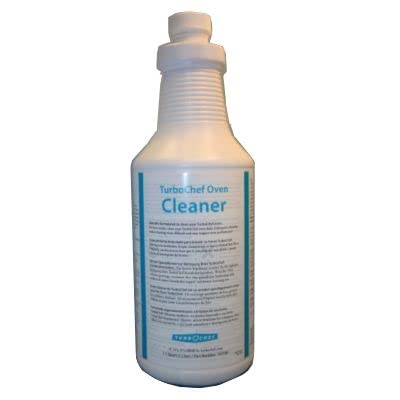
Turbochef oven cleaner

The information below is per-pack only

✅ MADE IN USA - Our Quality Chemical Oven Cleaner & Grill Cleaner is proudly manufactured in the USA. It's a heavy-duty, fast acting cleaner that's easy to use and perfect for removing grease and grime from ovens, grills, fryers, and other surfaces.
Frequently Asked Questions
What Will Dissolve Baked Grease?
Effective grease dissolvers include strong alkaline cleaners or caustic substances. Cleaning techniques utilizing natural cleaners like baking soda and vinegar can assist but are generally less effective for tough, baked grease without additional scrubbing.
How Do You Remove Years of Grease Buildup?
To remove years of grease buildup, one can utilize effective cleaning products like commercial oven cleaners, along with home remedy solutions such as baking soda and vinegar. Employing grease cleaning techniques guarantees thorough removal and maintenance.
How to Get a Bunch of Caked on Grease and Food off an Oven Pan?
To tackle caked-on grease, employ effective scrubbing methods, apply grease removal agents like baking soda paste, and utilize various oven cleaning techniques. Persistence and time enhance results, ensuring a cleaner oven pan ultimately emerges.
Does Vinegar Remove Baked Grease?
Vinegar’s effectiveness in removing baked grease is limited. While it can aid in cleaning techniques and serve as a natural alternative, stronger degreasers are recommended for tough, baked-on residues to achieve ideal results.