As an Amazon Associate, we earn from qualifying purchases. Some links on this site are affiliate links at no extra cost to you. Our recommendations are based on thorough research and editorial judgment.

Why Some Bakeware Develops Dark Spots Over Time

Bakeware develops dark spots over time due to high heat exposure and chemical reactions. Stainless steel can react with acidic foods, causing discoloration. Cooking at elevated temperatures promotes the buildup of food residues, intensifying dark spots. The material of the bakeware affects its performance. Regular cleaning with hot, soapy water is essential to maintain appearance. Preventive measures, like avoiding acidic ingredients, can help minimize these issues. More insights on maintaining bakeware effectiveness are available.
Key Takeaways
- Dark spots on bakeware often result from cooking at high temperatures, leading to chemical reactions with oils and food residues.
- Acidic ingredients intensify discoloration in stainless steel and other materials, promoting dark spot formation over time.
- Polymerization from frequent oil use creates a dark patina, contributing to the buildup of dark spots on bakeware.
- Hard water can leave mineral deposits on bakeware, which may manifest as dark spots if not cleaned properly.
- Regular cleaning and avoiding high heat can help prevent the development of dark spots on bakeware.
Understanding the Causes of Dark Spots
You may be interested



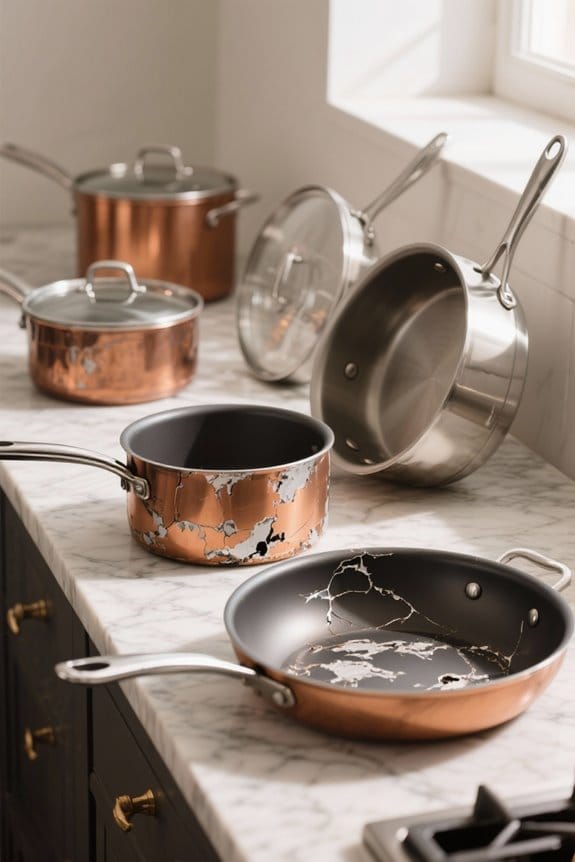
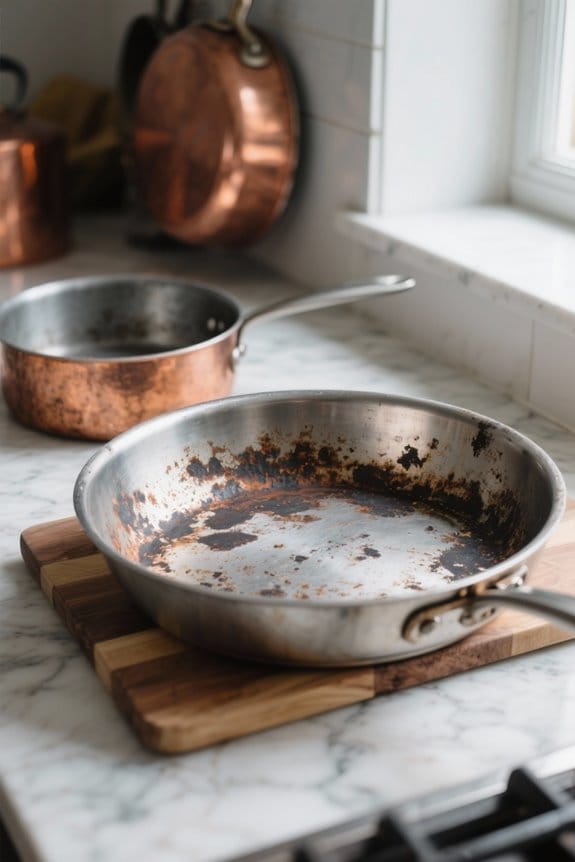
Dark spots on bakeware occur due to various chemical reactions and cooking practices. When using a pan, particularly stainless steel, high heat can cause reactions between the pan’s surface and food or cooking oils. This often leads to black spots that may develop over time. Additionally, regular use of oils can promote polymerization. This process creates a dark patina that enhances non-stick properties but can also appear as discoloration. In acidic cooking environments, stainless steel may show more pronounced dark spots. Non-stick pans, especially those with lower-quality coatings, can develop dark stains due to heat exposure. Moreover, hard water can leave mineral deposits on the bakeware, contributing to undesirable dark spots. It is important to select nonstick cake pans that are free from harmful chemicals like PFAS and PFOA to ensure both health safety and durability.
The Role of Cooking Temperature and Food Residues
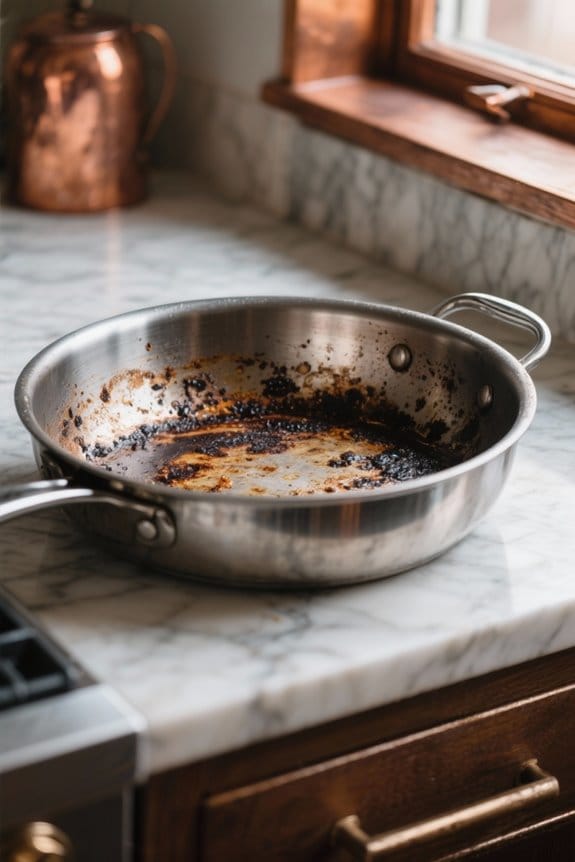
Cooking temperature plays an essential role in the formation of dark spots on bakeware. When baking sheets are exposed to high heat, food residues can polymerize. This process creates a layer of buildup on the surface. Oils and fats used during cooking can form a non-stick patina. However, if this layer accumulates too much, it may darken. Additionally, cooking acidic foods at elevated temperatures can lead to spotting or discoloration. Frequent exposure to high heat accelerates these issues, resulting in thicker residue layers that manifest as dark spots. The material of the bakeware itself influences how these dark spots develop. Non-stick coatings and certain metals can produce more pronounced spotting based on usage and cooking techniques. An important factor in bakeware maintenance is ensuring that nonstick coating safety is prioritized to prevent chemical leaching, which can affect the integrity of the surface over time.
How Different Materials Influence Baking Results
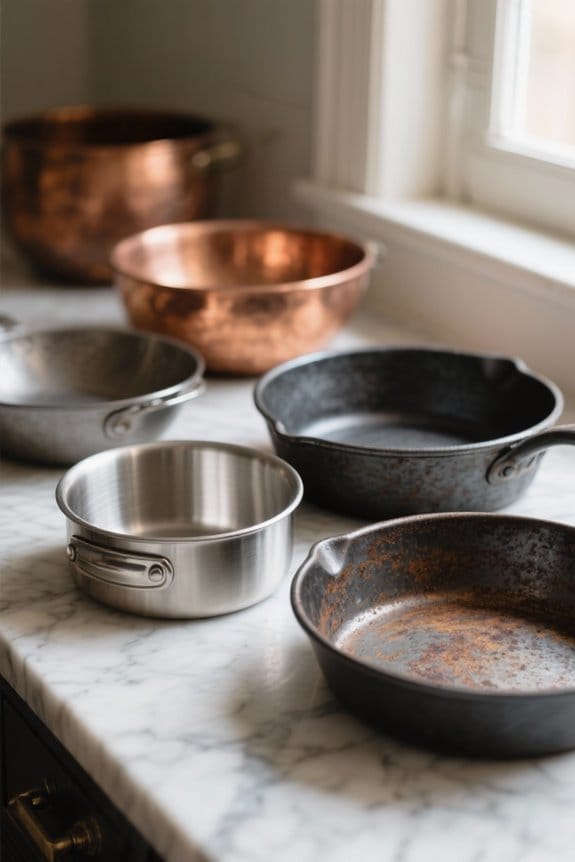
Bakeware materials often greatly influence baking results. Stainless steel bakeware can react with acidic ingredients, causing black spots. Non-stick and Teflon surfaces may discolor with high heat. In contrast, darker baking sheets heat more efficiently, allowing for better browning. Aluminum bakeware often requires less oil, developing a smooth surface over time, which helps to prevent dark spots. The choice of bakeware material also affects thermal conductivity. Heavier materials, such as cast iron, provide better heat retention, ensuring food cooks evenly. Lined bakeware or those with non-stick coatings can minimize the risk of black spots by preventing direct food contact with metal. Stainless steel sheets, known for their excellent heat conductivity, provide even baking results and reduce hot spots. Consequently, selecting the right bakeware material is essential for ideal baking results.
Recommended Products
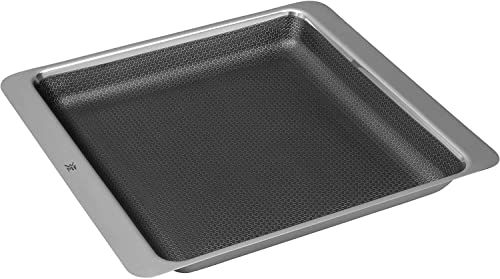
Contents: 1x baking tray (42 x 40 x 4 cm) suitable for ovens with an inner dimensions of at least 40 x 42 cm - item number: 1756356411

SUPERIOR PERFORMANCE: Triple-bonded, 18/10 stainless steel ovenware set features an aluminum core for greater, even heat conductivity

CARAWAY NOW LIVE ON AMAZON: It's official! We have launched our beautifully designed and consciously crafted bakeware sets on Amazon for everyone to enjoy. It's time to step up your baking game and spruce up your kitchen decor!
Effective Cleaning Techniques for Bakeware
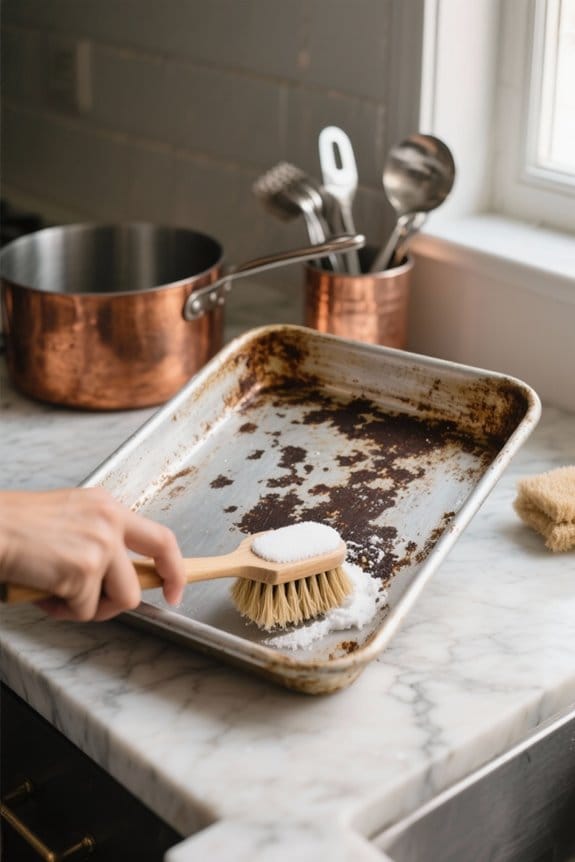
To maintain the quality and longevity of bakeware, effective cleaning techniques are essential. Regular hand washing with hot water and dish soap is recommended for light grease. This practice helps prevent darkening from acidic dishwashing environments. For tough, stuck-on messes, soaking bakeware in hot, soapy water for 30 minutes can make scrubbing easier. For stubborn buildup, Bar Keeper’s Friend or baking soda can effectively strip away residue but may require more scrubbing time. It is vital to avoid abrasive materials on non-stick surfaces to protect their coating. After cleaning, wash it thoroughly and rinse to eliminate any remaining cleaning agents. This step is necessary to avoid future buildup and extend the life of the bakeware. To further preserve your bakeware, consider using tempered glass options for their durability against high temperatures and resistance to stains and odors.
Recommended Products

Five layers with copper core for controlled, even heating

Makes 2 extra-deep Belgian waffles – 1-Inch thick
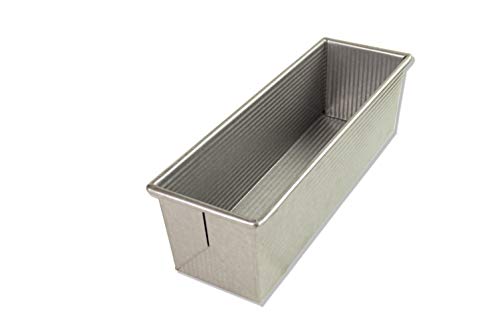
Large Pullman loaf pan bakes beautiful bread; commercial grade and heavy gauge aluminized steel with a Limited Lifetime
Preventing Dark Spot Development on Your Bakeware
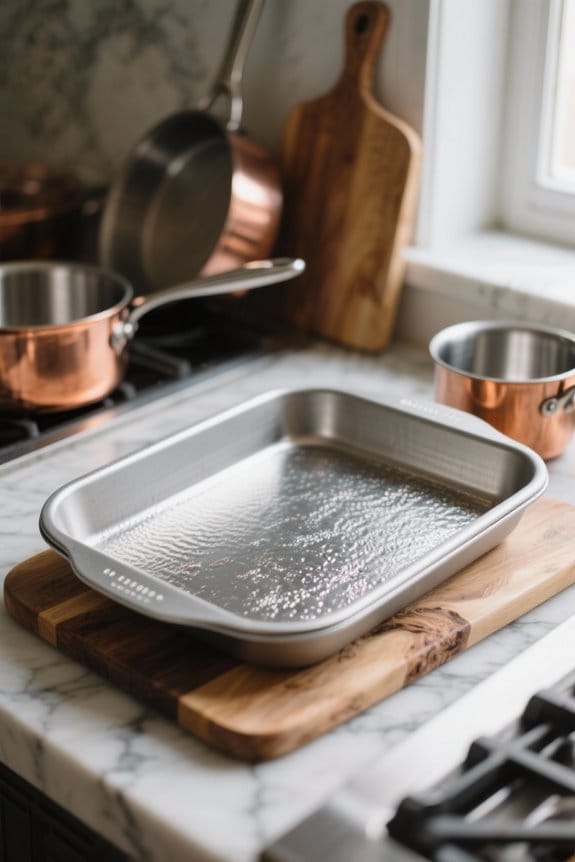
Maintaining the appearance of bakeware is essential for its usability and longevity. To prevent dark spots, individuals should regularly clean their bakeware with warm water and dish soap immediately after use. This practice prevents grease and debris buildup. Avoid cooking acidic foods, as they can interact negatively with certain materials and cause discoloration. Additionally, it is advisable to store baking sheets upright on edges, which helps avoid scratches that may lead to dark spot development. Using parchment paper or silicone baking mats creates a barrier between food and bakeware, reducing exposure. Ultimately, maintaining a consistent cooking temperature and avoiding excessive high heat can also help prevent the polymerization of oils on the surface, minimizing dark patina formation. Furthermore, using nonstick baking pans can facilitate easy food release and cleaning, reducing the likelihood of residue buildup that contributes to dark spots.
Recommended Products
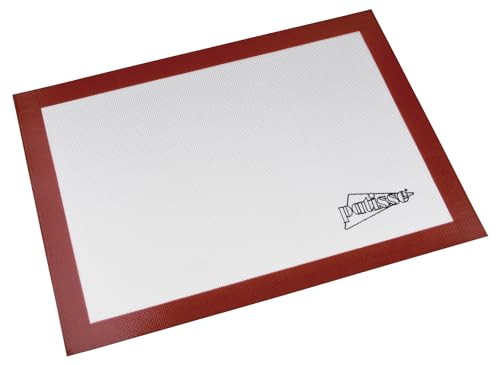
One rectangular fiberglass and silicone non-slip baking mat measuring 23 1/4 inches by 15 3/8 inches

Heat resistant from -40 to +300 degrees C

Contents: 1 x silicone baking mat, 55 x 45 x 0.1 cm, item number: 2300669465
Frequently Asked Questions
How to Get Rid of Black Marks on a Baking Tray?
To remove black marks on a baking tray, one could apply a baking soda paste, using effective cleaning techniques alongside preventive measures like regular hand washing, while ensuring proper surface treatments to maintain longevity and appearance.
Is Black Residue on Pans Harmful?
Black residue on pans is not harmful; it results from polymerized oil. Health concerns are unfounded, and maintenance tips include using mild dish soap to preserve the natural non-stick surface and enhance baking performance.
Are Oxidized Aluminum Pans Safe to Use?
Approximately 80% of users find oxidized aluminum pans safe to use. The oxidation process enhances aluminum safety and baking durability, ensuring these pans remain effective for cooking without leaching harmful substances, despite their altered appearance.
When to Throw Out Baking Pans?
Baking pans should be discarded when signs of wear appear, such as deep scratches, rust, or significant warping. Following these guidelines helps guarantee safety and maximizes the baking pan lifespan through proper disposal methods.