As an Amazon Associate, we earn from qualifying purchases. Some links on this site are affiliate links at no extra cost to you. Our recommendations are based on thorough research and editorial judgment.

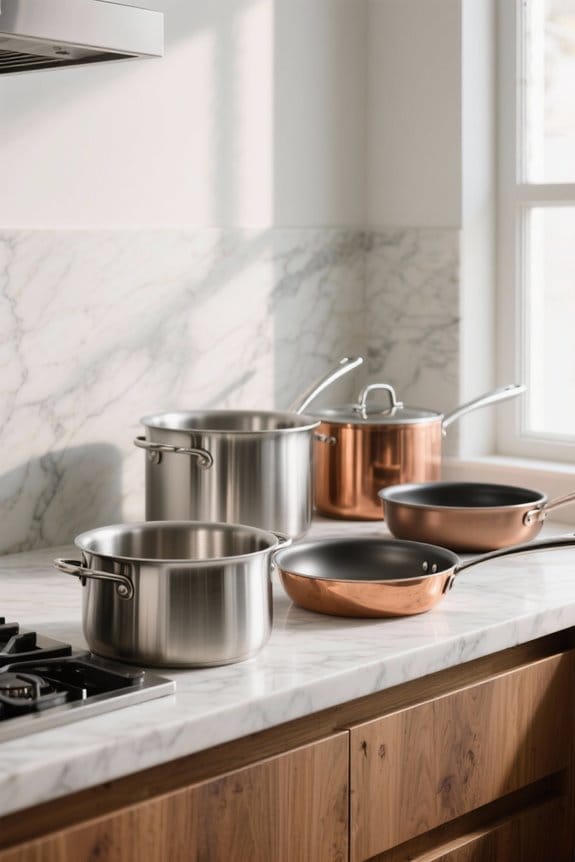
Understanding Flared Vs Straight-Sided Pan Designs

Flared pans have sloped sides, making them ideal for tossing and high-heat cooking. Their design allows for efficient browning and steam escape, enhancing food texture. Straight-sided pans feature tall, vertical walls, perfect for simmering and containing liquids. They support even heat distribution, which is vital for consistent cooking. Choosing the right pan impacts cooking success. Understanding these differences helps in selecting the right tool for specific culinary tasks. More insights on their uses are available.
Key Takeaways
- Flared pans have sloped sides for easy tossing and high-heat cooking, while straight-sided pans have tall sides for simmering and reducing.
- Flared pans promote steam escape, enhancing browning; straight-sided pans retain moisture, making them ideal for sauces and soups.
- Flared pans offer a wider cooking surface, facilitating even cooking; straight-sided pans provide stability for handling larger portions.
- The lightweight construction of flared pans enhances maneuverability, while straight-sided pans typically have a heavier design for stability.
- Flared pans excel in quick cooking methods, whereas straight-sided pans ensure consistent heat distribution for even cooking results.
Flared Pan Design and Its Advantages
You may be interested


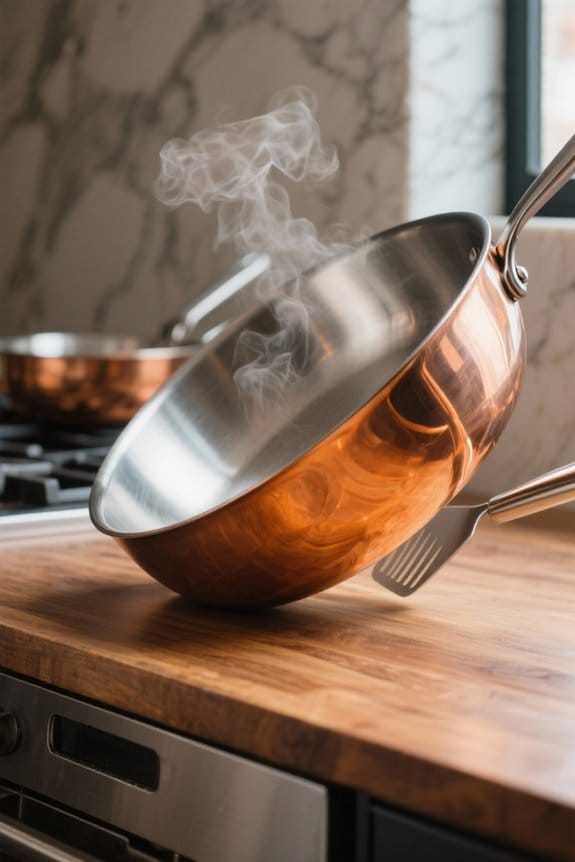
Flared pan designs offer several advantages for various cooking techniques. Their sloped sides make tossing and flipping food easy. This feature is particularly useful for sautéing and frying. The wider cooking surface promotes efficient browning and caramelization, essential for enhancing dish flavors. Additionally, the flared sides allow for effective steam escape. This prevents moisture buildup, ensuring a crispier texture when cooking at high heat. Many flared pans are lightweight, making them easy to maneuver during preparation. This provides greater control, especially with quick cooking methods. Flared pans often come with ergonomic handles that improve grip and comfort. This enhances the overall cooking experience, making them suitable for both novice and experienced cooks. Moreover, nonstick coatings in flared pans simplify cleaning and maintenance, as they allow for quick cleanup and reduce the need for excessive scrubbing.
Recommended Products

Enjoy professional cooking with this 14 piece cookware set which includes 10 inch and 12 inch Fry Pans, 2 Quart and 3 Quart covered Sauce Pans, 3 Quart and 6 Quart covered Sauté Pans, 12 inch covered chef’s pan and an 8 quart covered stockpot

CLEAN COOKING: NanoBond presents an entirely new category of clean-cooking, stick-resistant cookware. It is 4x stronger than typical stainless and is non-toxic and non-reactive, so there is nothing to compromise your food or your health. When you cook with NanoBond, you are cooking with pure flavor. No residue. No flaking. No compromise.

Includes - One 8.5″ and 11″ Skillet, one 1.5qt and 3qt Saucepan with lids, one 3.5qt Sauté pan with lid, and a 6qt stockpot with lid. Handcrafted in Italy with a lifetime warranty; hand-wash and dry with a soft cloth.
Understanding Straight-Sided Pan Characteristics
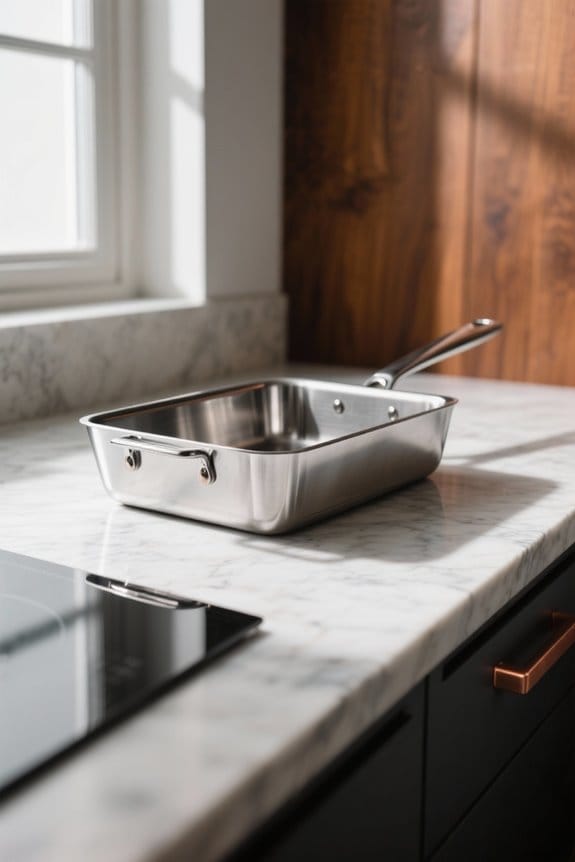
A straight-sided pan presents a versatile option for many cooking tasks. These pans have tall, vertical sides that help contain liquids. They are especially useful for simmering and reducing sauces. The design features a larger cooking surface area compared to skillets. This allows for more efficient cooking, especially when preparing larger quantities of food. Straight-sided pans typically come with a lid. The lid aids in moisture retention and supports even cooking during longer recipes. These pans are heavier than skillets, providing stability when handling heavier ingredients. Additionally, the deeper sides help prevent spills and splatters, making them ideal for dishes that need ample simmering. Overall, they offer reliable and effective performance in various cooking scenarios. Perforated designs, such as those found in durable carbon steel pizza pans, can also enhance airflow and result in crisply cooked dishes.
Recommended Products

Set includes 2.3-qt saucepan with lid, 3.5-qt saucier with lid, 5-qt saute pan with lid, 8.9-qt Dutch oven with lid, and 11" Proline fry pan

Triple layer construction with a full aluminum core from base to rim for superior heat distribution

A versatile piece featuring a large surface area for searing, with straight sides to hold in liquid and prevent splattering and lid to lock in moisture
Key Differences Between Flared and Straight-Sided Pans
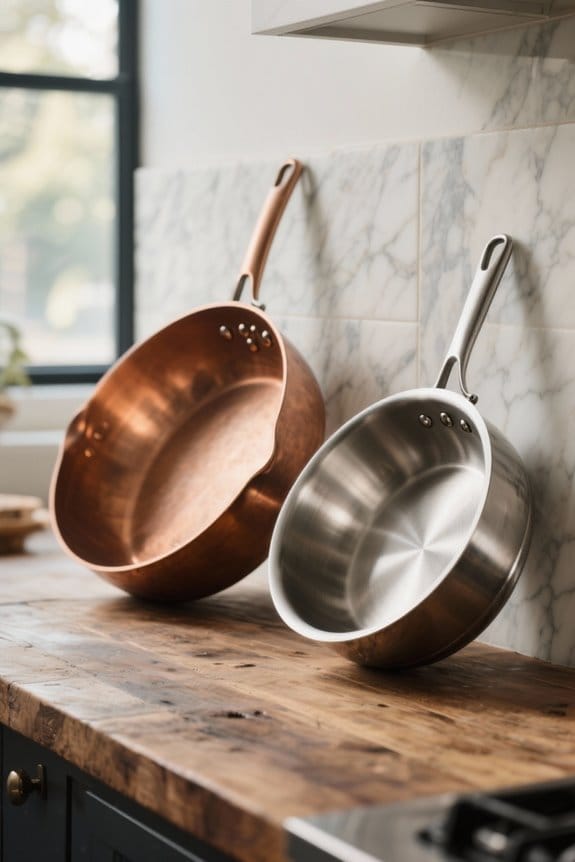
Understanding the differences between flared and straight-sided pans is important for effective cooking. Flared pans have sloped sides, which aid in tossing and flipping ingredients. This design makes them ideal for high-heat methods like browning meats. Flared pans also promote steam escape, enhancing texture without retaining moisture. In contrast, straight-sided pans, such as sauté pans, have vertical walls. This design provides a larger cooking surface area, perfect for simmering liquids and reducing sauces. They excel in tasks where even heat distribution and temperature control are essential. While flared pans enable quicker cooking times, straight-sided pans are more effective for longer cooking periods. Both designs serve specific culinary purposes, catering to diverse cooking needs. A crucial aspect of choosing between these designs is effective heat distribution, which ensures evenly cooked dishes and prevents burnt bottoms.
Recommended Products

THE ULTIMATE 8-PIECE SET: A classic set featuring a variety of styles and sizes, including the Copper Casserole Pot, Copper Sauce Pan, Copper Flared Sauce Pan, Copper Heavy Sauté Pan, along with all matching lids

Set includes: 10-inch fry pan, 1.5-quart sauce pans with lid, 3-quart saute pan with lid, and 8-quart stockpot with lid
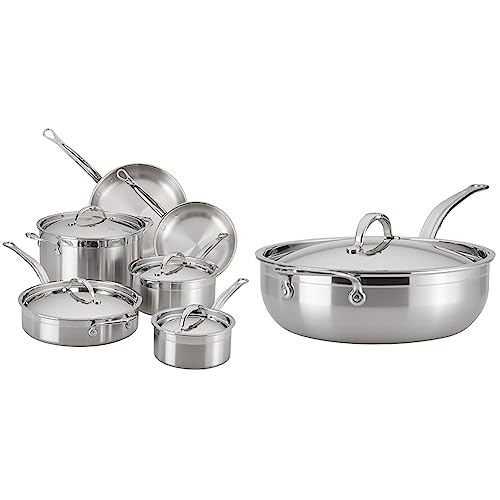
Set includes: 8.5" skillet, 11" skillet, 1.5qt saucepan with lid, 3qt saucepan with lid, 3.5qt saute pan with lid, 8qt stockpot with lid. (Hestan - ProBond Collection - Professional Clad Stainless Steel 10-Piece Ultimate Cookware Set)
Best Cooking Techniques for Flared Pans
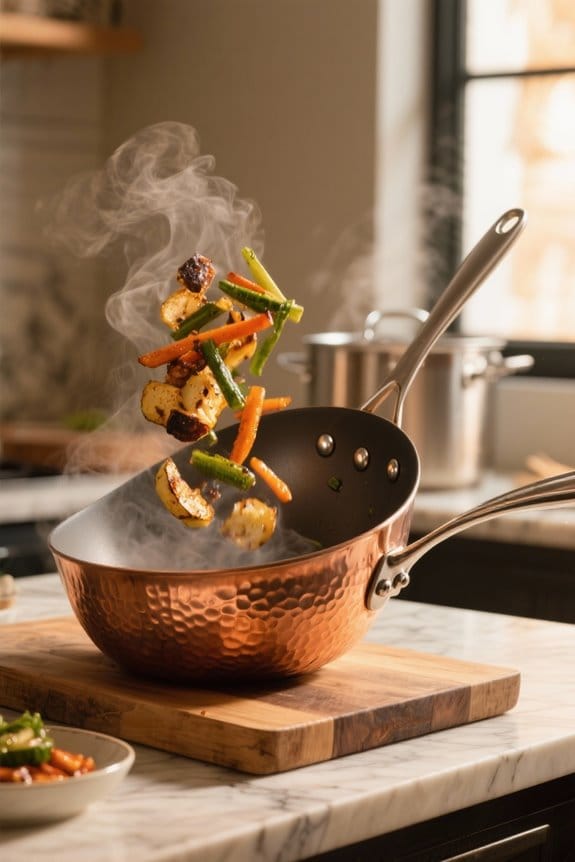
When cooking with flared pans, specific techniques yield the best results. These pans excel at sautéing and stir-frying due to their sloped sides, making it easy to toss and turn ingredients. The design promotes steam escape, enhancing browning and caramelization without trapping moisture. Flared pans feature a larger cooking surface, allowing for even cooking and better access when adding or removing food. When using high heat, they can achieve a desirable ‘wok hei’ flavor in stir-fried dishes. Additionally, flared pans are ideal for making pan sauces. Their shape allows for straightforward deglazing, incorporating fond from the bottom easily. This combination of features makes flared pans versatile for many cooking techniques. An important consideration is the heat distribution features of the pan, as durable materials ensure consistent cooking and maintain the food’s flavor during preparation.
Recommended Products

VARIETY OF USES: Combining the unparalleled heat conductivity of copper with the versatility of a stainless steel interior lining, Matfer Bourgeat Copper Cookware is excellent for a variety of tasks, from searing to braising to sauce making as well as sugar and chocolate work

REVOLUTIONARY NONSTICK: Durable, multi-layer nonstick finish is reinforced with diamond particles for 22x more durability and scratch resistance than typical nonstick. Coating made without PFOAs

Complete 10 piece set includes 8 inch and 10 inch Fry Pans, 1.5 quart and 3 quart Sauce Pans with lids, 3 quart Sauté Pan with lid, and an 8 quart Stockpot with lid.t
Ideal Uses for Straight-Sided Pans
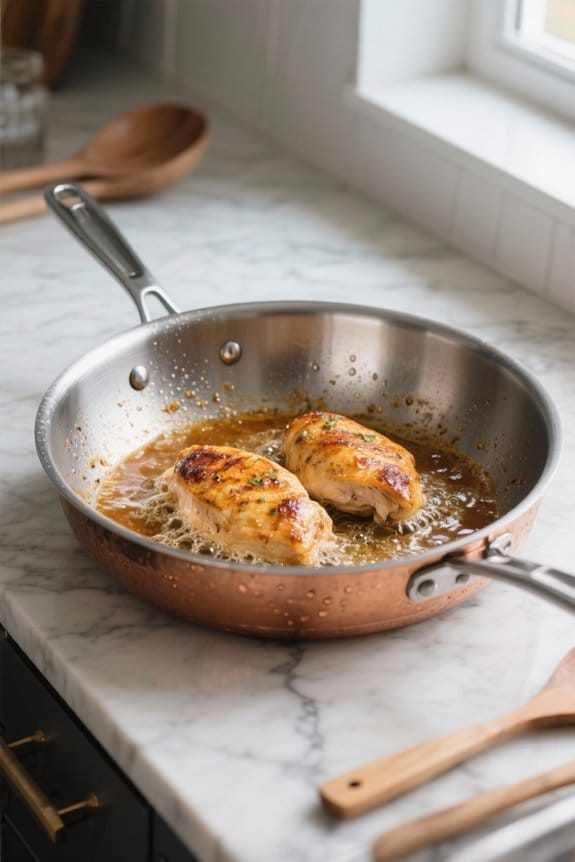
Straight-sided pans serve a variety of cooking needs due to their tall, straight edges. They are ideal for simmering sauces and soups. The design prevents splatter while containing liquids effectively. With a large surface area, straight-sided pans provide consistent heat distribution. This is vital for browning meats and sautéing vegetables evenly. Their depth also allows for slow cooking tasks, retaining moisture throughout the dish. Straight-sided pans excel in creating rich pan sauces, as the sides help concentrate heat and flavors. Many models come with a lid, enhancing their versatility. This feature is beneficial for braising, boiling, and managing evaporation. Overall, straight-sided pans are essential for those seeking efficiency and precision in their cooking. Stainless steel roasting pans often boast dishwasher-safe features, simplifying post-cooking maintenance.
Recommended Products

Made in France. Mauviel is the leading cookware manufacturer for professional and household chefs throughout the world.

Made in France. Mauviel is the leading cookware manufacturer for professional and household chefs throughout the world.

Made in France. Mauviel is the leading cookware manufacturer for professional and household chefs throughout the world.
Frequently Asked Questions
Can Flared Pans Be Used for Baking?
Flared pans can indeed be used for baking, offering unique advantages in heat distribution and batter consistency. Their versatility complements various recipes, while straight-sided pans excel in presenting pristine cake structures and even baking times under precise temperature considerations.
Are Straight-Sided Pans Oven-Safe?
Straight-sided pans are generally oven-safe, provided they pass oven safe tests. Material quality, thermal resistance, and adherence to safety guidelines influence their effectiveness. User feedback highlights varying results based on design and baking temperature compatibility in culinary techniques.
What Materials Are Best for Flared and Straight-Sided Pans?
“You get what you pay for.” Stainless steel, cast iron, and carbon steel excel for durability, while nonstick coatings and silicone bakeware offer convenience. Aluminum constructions and copper bottoms enhance heat distribution, making them effective and eco-friendly choices.
How Do I Clean and Maintain These Pans?
Cleaning techniques include gentle scrubbing tools for stain removal, while maintenance tips emphasize seasoning pans and rust prevention. Disinfecting surfaces and using appropriate care products guarantee longevity, alongside proper storing methods and adherence to usage guidelines.
Can I Use Metal Utensils in These Pans?
Using metal utensils can negatively impact nonstick surfaces, reducing pan durability. Studies show that 70% of cooking accidents stem from material compatibility issues. Opt for silicone or wooden utensils to enhance scratch resistance and guarantee pan longevity.