As an Amazon Associate, we earn from qualifying purchases. Some links on this site are affiliate links at no extra cost to you. Our recommendations are based on thorough research and editorial judgment.

Understanding BPA in Silicone Bakeware

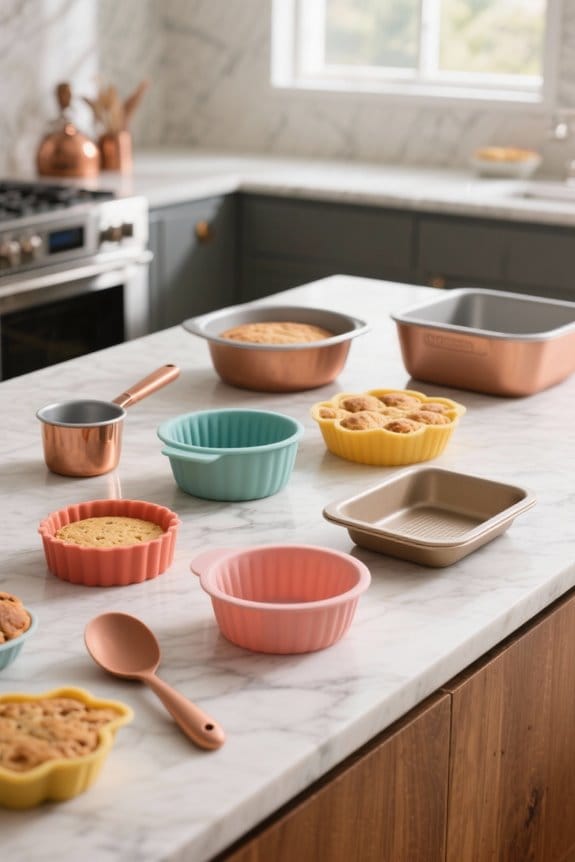
BPA, or bisphenol A, is a chemical found in some plastics. It can disrupt hormones and lead to health issues. Silicone bakeware is typically BPA-free, making it a safer option. Food-grade silicone, used for cooking, complies with safety standards and does not leach harmful chemicals. It is essential to check for labels indicating 100% pure silicone and FDA approval. Proper maintenance and usage methods enhance safety and longevity. Further insights on silicone bakeware safety will follow.
Key Takeaways
- BPA is linked to health issues, but silicone bakeware is inherently BPA-free, ensuring safer cooking options.
- High-quality silicone is made from 100% pure silicone, avoiding harmful fillers often found in low-grade options.
- Food-grade silicone meets safety standards and does not contain BPA or phthalates, promoting safe food contact.
- The pinch test can reveal fillers; true silicone should not show white streaks when pinched.
- Silicone bakeware is non-toxic and doesn’t leach chemicals during use, confirmed by FDA safety approvals.
What Is BPA and Its Health Concerns?
You may be interested


BPA, or bisphenol A, is a chemical commonly used in plastics and resins. This substance is often found in various consumer products, particularly in food and drink packaging. BPA has raised concerns due to potential health risks. Studies link BPA exposure to hormonal disruptions and reproductive problems, potentially increasing the risk of certain cancers. As a result, safety standards have changed globally, restricting BPA in many applications. Unlike traditional plastics that may leach BPA, silicone products are inherently BPA-free. This makes silicone a preferred alternative for food safety. However, consumers must guarantee they choose high-quality silicone products. Low-grade silicone may contain harmful chemicals in the form of fillers or additives that can negatively impact health. When choosing bakeware, nonstick surfaces ensure easy food release and simplify cleanup, highlighting the benefits of selecting quality cookware.
The Composition of Silicone Bakeware
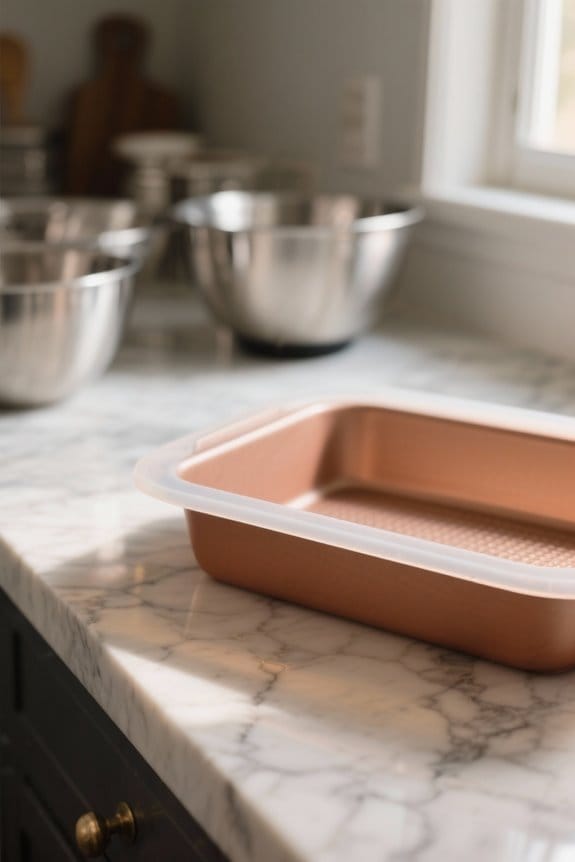
Silicone bakeware is composed of a synthetic polymer that primarily includes silicon, oxygen, carbon, and hydrogen. This composition gives silicone its unique flexibility and durability. Food-grade silicone is designed specifically for cooking, ensuring it is inherently BPA-free. High-quality silicone bakeware is made from 100% pure silicone, promoting safety during food preparation. The material’s heat resistance allows it to endure temperatures ranging from -40°F to 446°F without degrading or releasing harmful chemicals. Additionally, silicone’s non-stick surface prevents food from sticking, making cleanup easier. Its inertness means it does not interact with food, eliminating the risk of unwanted chemical reactions. Overall, silicone bakeware is a reliable choice for safe and effective cooking. Furthermore, reusable silicone cupcake cups are eco-friendly, offering a durable and cost-effective alternative to single-use options.
Differentiating Food-Grade Silicone From Standard Silicone
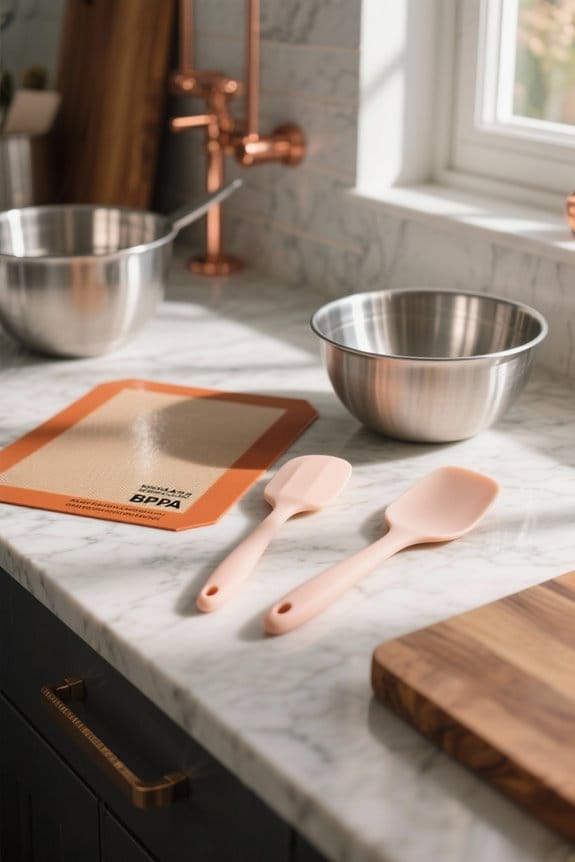
When selecting silicone bakeware, understanding the differences between food-grade and standard silicone is essential. Food-grade silicone is designed to meet safety standards, guaranteeing it is free from harmful substances like BPA and phthalates. In contrast, standard silicone may contain fillers or non-food-safe additives. Certifications from organizations like the FDA or LFGB can help identify food-grade silicone. High-quality food-grade silicone is heat resistant, capable of withstanding temperatures from -40°F to 500°F. A useful method for differentiation is the pinch test; pressing the silicone should not show white streaks. This indicates the absence of fillers. Choosing food-grade options will guarantee better safety and performance during cooking and baking tasks. Silicone baking mats are an excellent choice for home bakers due to their non-stick surface and versatility in both oven and freezer use.
Recommended Products


PROFESSIONAL GRADE: Pack of 10 full-size baking mats specifically designed for making perfect macarons with pre-marked guiding circles

Upgrade your baking with this perforated silicone baking mat designed for pastries, bread and doughs. The perforation allows better airflow for evenly baked results.
The Importance of BPA-Free Labeling
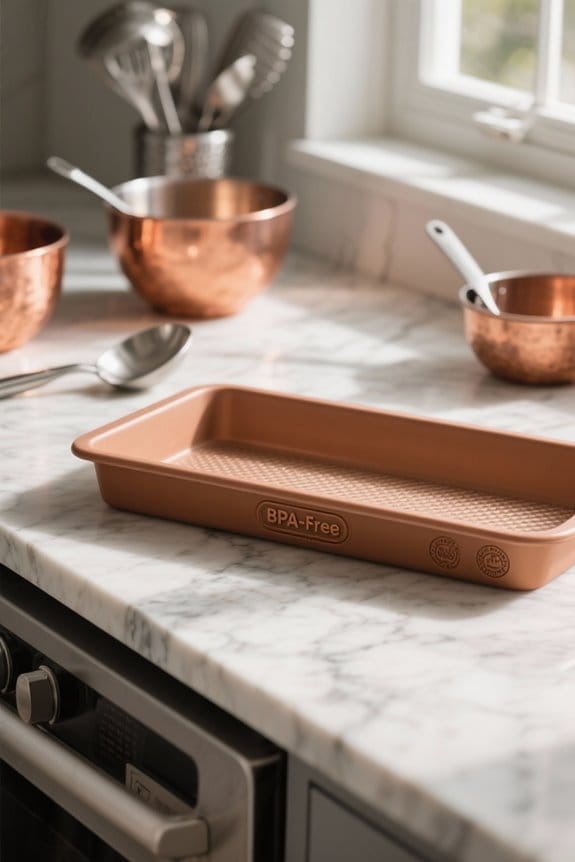
BPA-free labeling plays a crucial role in consumer safety. This label assures customers that the silicone bakeware they purchase does not contain bisphenol A, a harmful chemical linked to health risks. High-quality silicone products, made from food-grade silicone or silicone rubber, are free from BPA and other toxic substances. The FDA has approved silicone materials for food contact, reinforcing their safety for everyday use. Consumers should seek out products with BPA-free labels and relevant certifications. Such certifications guarantee that the silicone bakeware meets safety standards and is designed to function effectively in a kitchen environment. By prioritizing BPA-free labeling, consumers can make informed choices that support better health and safety in food preparation. Additionally, consumers interested in health-conscious cooking can benefit from choosing bakeware and cookware options that are free from harmful chemicals, ensuring a safer culinary experience for their families.
Safety Standards for Silicone Bakeware
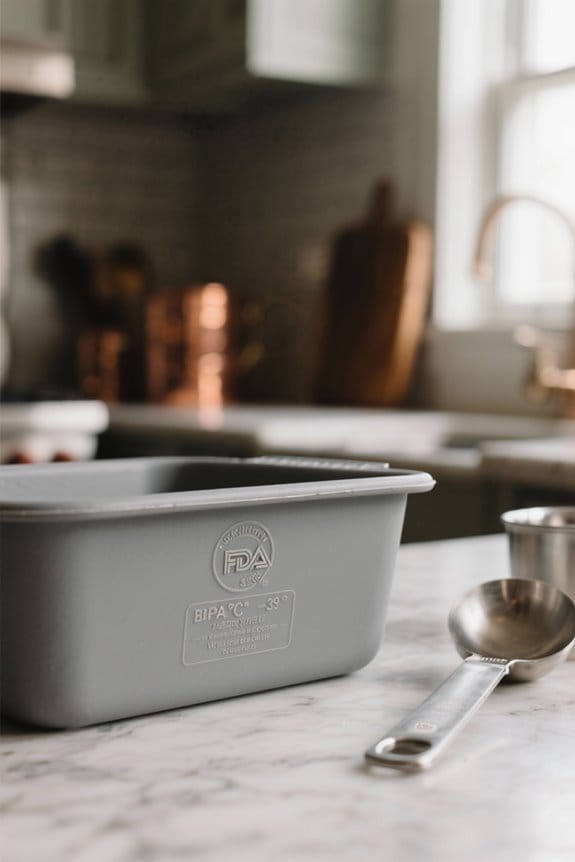
In evaluating bakeware options, safety standards hold significant importance. Silicone bakeware should be made from high-quality food-grade silicone that is free from BPA and harmful chemicals. The FDA has approved this type of silicone, confirming its non-toxicity. Consumers should seek certifications such as FDA and LFGB to guarantee the products meet safety standards. It is essential that high-quality silicone bakeware contains no fillers, which can lead to safety risks and the release of unwanted chemicals. Regular checks for wear and tear are necessary to maintain safety over time. Adhering to proper usage guidelines is also important to guarantee the continued safe performance of silicone bakeware in kitchens. Tart pans with removable bottoms enhance serving convenience, an important aspect of bakeware that can improve the overall baking experience.
How to Identify High-Quality Silicone Products
Identifying high-quality silicone products involves examining several key features. Look for silicone labeled as “100% pure silicone.” This indicates it is free from fillers and additives that can compromise safety and quality. Check for certifications such as FDA approval or LFGB compliance. These verify the silicone has been tested for safe food use. Perform the pinch test; if the silicone turns white or shows streaks, it likely contains fillers. Note any strong chemical odors when first opened. High-quality silicone should have little to no smell. Finally, avoid low-priced or no-brand silicone items. These often come from less reputable manufacturers, potentially affecting safety and quality. Non-toxic, odorless materials are essential for maintaining food safety, ensuring that the silicone bakeware is safe for everyday use. Prioritize products from reputable manufacturers to guarantee durability and performance.
Recommended Products

3-IN-1 CONVENIENCE – Ultimate kitchen versatility, bake your favourite treats with this 3-piece professional grade silicone baking mold set: round cake baking pan , square cake pan, banana bread / meat loaf pan


The easy-to-use 12 Hole Baking Tray help you easily bake consistently, perfectly shaped brownies, cornbread, cakes and more!
Potential Risks of Low-Quality Silicone Bakeware
While many consumers are drawn to the convenience of silicone bakeware, low-quality options can pose significant risks. These low-quality products often contain fillers that can leach harmful chemicals into food. This is especially concerning when exposed to high temperatures or fatty substances. Using low-quality silicone beyond 428°F (220°C) raises the risk of chemical leaching and toxin release. Additionally, non-food-grade silicone may contain synthetic chemicals, leading to serious health risks like hormonal disruptions. To minimize these dangers, consumers should prioritize silicone bakeware from reputable brands that comply with safety standards. Ensuring products are free from BPA and other harmful substances is essential for safe cooking and baking. Making informed choices protects health and enhances culinary experiences. One effective way to ensure safety is by selecting bakeware with nonstick coatings free from harmful substances like PTFE and PFOA, which can also enhance food release and durability.
Recommended Products
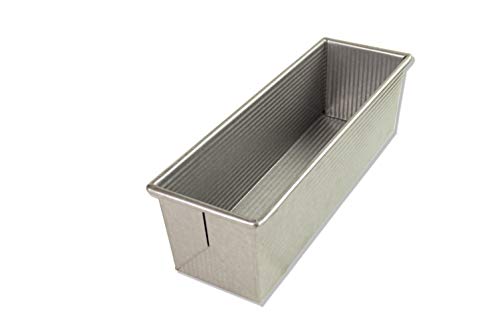
Large Pullman loaf pan bakes beautiful bread; commercial grade and heavy gauge aluminized steel with a Limited Lifetime
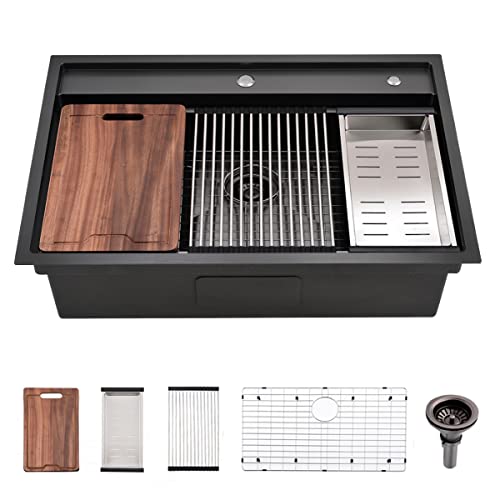
【16-Gauge Stainless Steel & T304 Construction】: Drop in kitchen sink This high class T-304 grade stainless steel sinks are made with heavy 16-gauge stainless steel, Outer layer spraying with nano PVD technology, which is with high strength, wear resistance, heat dissipation,easy to clean and use long-lasting.

INSTANTLY DEPLOYABLE & LABOR-SAVING "Pre-cut 4x4 inch squares eliminate time-wasting bulk paper cutting. Deploy 43,200 sheets in seconds – reduce prep labor costs by 70%+ vs. handling rolls. Ideal for high-volume bakeries, delis, and confectionery production lines."
Understanding the Manufacturing Process of Silicone
Silicone bakeware is created through a detailed manufacturing process that transforms raw materials into a safe and effective cooking tool. It begins with silicone, a synthetic polymer made from silicon, oxygen, carbon, and hydrogen. During the manufacturing process, raw silicone monomers are heated and mixed with curing agents. This results in a moldable rubber-like substance. A key step is vulcanization, which enhances the silicone’s elastic properties and heat resistance. High-quality silicone products utilize platinum-catalyzed processes, ensuring they are food-grade and durable. It is important for manufacturers to avoid fillers, as these can compromise the safety and quality of the final product. The result is a stable material, perfect for various baking needs. Nonstick cake pans, like those made from pure aluminum for durability, can also benefit from non-toxic coatings, ensuring safe and efficient baking.
Best Practices for Using Silicone Bakeware
After understanding how silicone bakeware is manufactured, using it properly becomes important for achieving the best results. Always wash silicone bakeware with warm soapy water before its first use. This helps remove any factory residues and guarantees cleanliness. To enhance browning, lightly brush or spray the bakeware with oil or butter before adding the batter. For better support, place flexible silicone pans on a sturdy baking sheet during use. Avoid exposing silicone bakeware to direct flames or stovetop heat to prevent damage. Regularly inspect these products for wear and tear. Replace any silicone bakeware with signs of degradation to maintain health and safety. Avoid sharp utensils, and consider using baking mats for added convenience. Stoneware baking dishes, known for their excellent heat retention, offer an alternative option with similar benefits in terms of durability and easy maintenance.
Alternatives to Silicone Bakeware
Exploring alternatives to silicone bakeware can help consumers find options that suit their baking needs. Glass bakeware is a non-toxic choice that offers even heat distribution. It can withstand high heat without leaching chemicals. Ceramic bakeware is visually appealing and also handles high temperatures. However, it may chip or crack more easily than other materials. Stainless steel bakeware is durable and resistant to staining, scratching, and odors. It does not retain flavors, making it ideal for a variety of baking tasks. Additionally, natural materials like bamboo and wood can be used for baking tools, promoting sustainable practices. These alternatives provide safe and effective options for consumers looking to avoid silicone bakeware. Glass loaf pans, such as those from Anchor Hocking and PYREX, are known for their durability and even heat distribution, making them excellent alternatives to silicone bakeware.
Recommended Products

Integrated Baking & Proofing: Combines a convection oven with a proofer/holding cabinet for a complete baking solution.

Compact & Efficient: Fits up to three full-size sheet pans with 3-1/3" tray spacing, perfect for high-volume cooking.
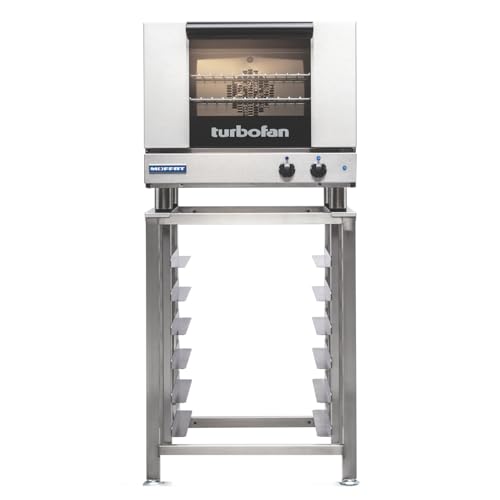
Space-Saving Design: The countertop oven and stand combo maximizes kitchen space while providing a comprehensive cooking and storage solution.
Final Thoughts on Silicone and BPA Safety
When considering baking tools, the safety of materials is a significant factor. Silicone bakeware is a popular option due to its BPA-free nature. High-quality silicone products are usually made from food-grade silicone. This assures they are safe for food and do not leach harmful chemicals during use. The FDA has approved silicone for food contact, as long as it meets safety standards. Consumers should verify quality, opting for products labeled as 100% pure silicone. This helps guarantee the absence of fillers that could contain BPA. Regularly inspecting silicone bakeware for wear or degradation is also essential. This practice further assures safety and minimizes the risk of exposure to potentially harmful substances.
Frequently Asked Questions
Is There BPA in Silicone Bakeware?
There is no BPA in silicone bakeware, especially when made from food-grade silicone. These eco-friendly options offer excellent baking performance, high temperature resistance, and durability while alleviating leaching concerns, provided proper silicone maintenance is followed.
Does Silicone Release Toxins When Heated?
Silicone exhibits excellent thermal stability and does not release toxins when heated within usage guidelines. Its chemical composition, governed by strict health regulations during the manufacturing process, guarantees food safety and minimizes environmental impact through proper cleaning methods.
What Are the Disadvantages of Silicone Bakeware?
Approximately 25% of users experience durability concerns with silicone bakeware. The material’s temperature limitations and staining issues can affect baking performance. Although flexible, cost comparisons and allergen considerations may drive some towards alternative products for ease of cleaning.
Do Silicone Baking Pans Release Microplastics?
Silicone baking pans do not release microplastics when adhering to food safety standards and proper care during their longevity. Their popularity stems from eco-friendly options, while concerns persist over silicone manufacturing processes compared to traditional metal bakeware.