As an Amazon Associate, we earn from qualifying purchases. Some links on this site are affiliate links at no extra cost to you. Our recommendations are based on thorough research and editorial judgment.

Why Some Foods Release From Pans More Easily

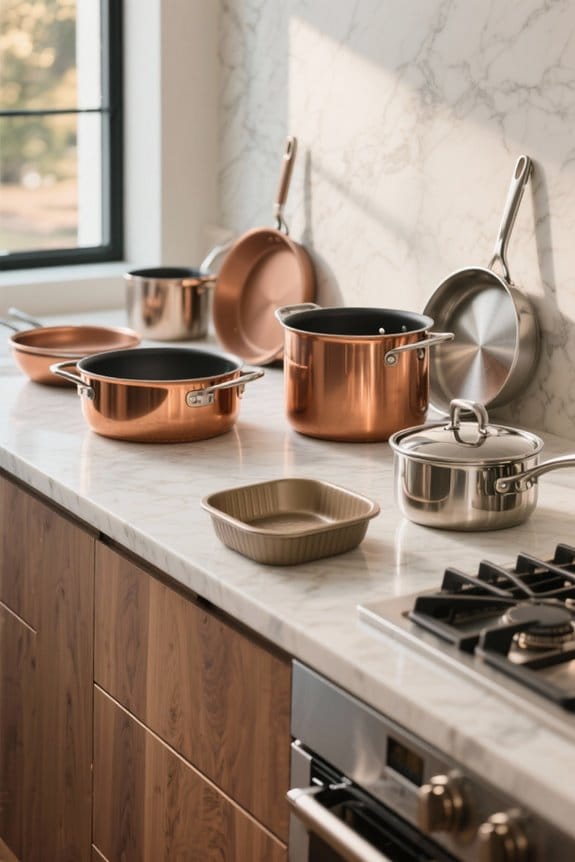
Certain foods release from pans more easily due to their composition and cooking techniques. Foods high in fat, like certain meats, benefit from rendered grease that aids release. Utilizing medium to medium-high heat helps create a caramelized crust, preventing sticking. Adequate cooking time allows proteins to develop a nonstick barrier. Using the right amount of oil enhances food release as well. Proper cookware care and maintenance also play a significant role in overall performance. More insights are available on these topics.
Key Takeaways
- Foods with higher fat content, like fatty meats, naturally release better due to rendered fat acting as lubrication.
- Adequate cooking time allows proteins to develop a crust, serving as a natural barrier against sticking.
- Using the appropriate amount of oil helps create a nonstick layer, especially for lean proteins that need extra fat.
- Cooking at medium to medium-high heat enhances caramelization and the Maillard reaction, both aiding food release.
- Quality cookware, like tri-ply stainless steel, promotes even heating, reducing the chances of food sticking.
Understanding Food Composition and Release
You may be interested



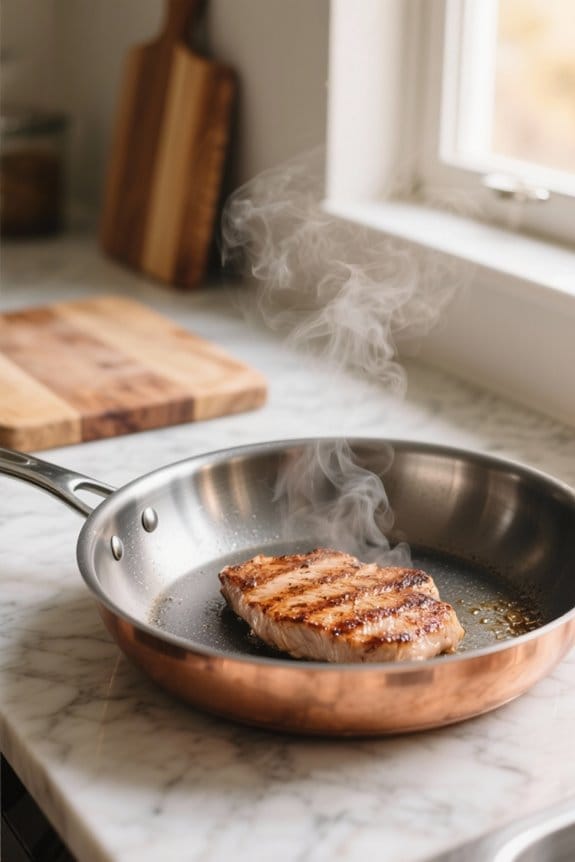
Understanding food composition is key to mastering how different foods behave in pans during cooking. Protein-rich foods, like egg whites and lean fish, often cause food stick in stainless steel pans due to chemical bonds formed at improper temperatures. In contrast, fatty cuts of meat or oily vegetables release easily due to the lubricating effects of rendered fat. The Maillard reaction, occurring at high heat, helps proteins release from pans by forming a crust. Employing techniques like caramelizing can also prevent sticking. Additionally, vegetables must be cooked at the right heat level to evaporate moisture, ensuring they don’t become soggy. Non-toxic ceramic coatings, like those found in Gotham Steel and SENSARTE, promote healthier cooking. Knowing these characteristics allows for better performance with nonstick pans and enhances the cooking experience.
The Role of Heat in Cooking
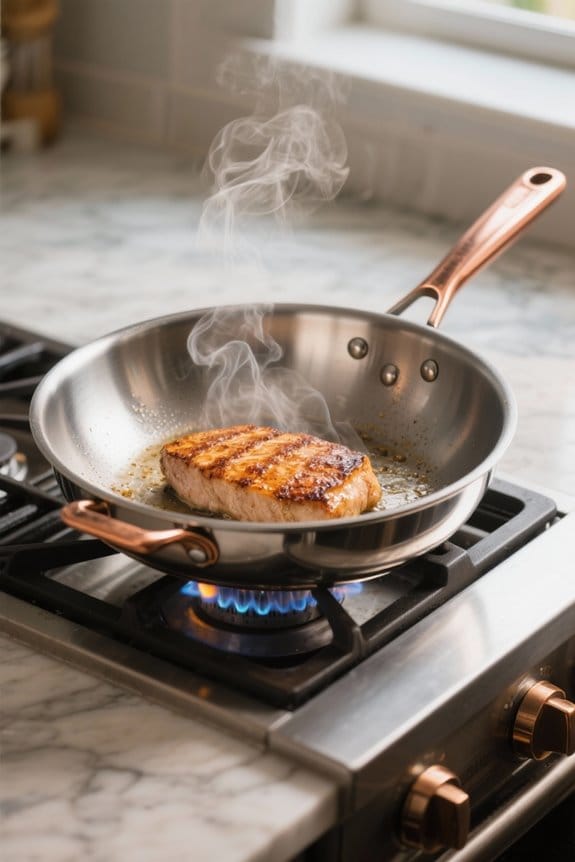
Heat plays a significant role in cooking and affects how food interacts with pans. Proper heat levels, usually between medium to medium-high, promote caramelization. This process creates a crust that helps food release from the pan. Conversely, insufficient heat can lead to food sticking, especially with proteins like chicken or fish. High heat at the beginning boosts flavor through the Maillard reaction and prepares a barrier against sticking. Patience is essential; allowing food to cook undisturbed prevents excessive manipulation that can increase sticking. Monitoring heat throughout the cooking process is important. A consistent temperature helps avoid food adhering to the pan’s surface. Nonstick cooking utensils can aid in release, but heat management remains critical for the best results. Additionally, the use of 4mm thick aluminum pots, such as those from the Winco Heavy-Duty Aluminum Stock Pot series, ensures even heating and durability, further aiding in preventing food from sticking.
Importance of Cooking Time
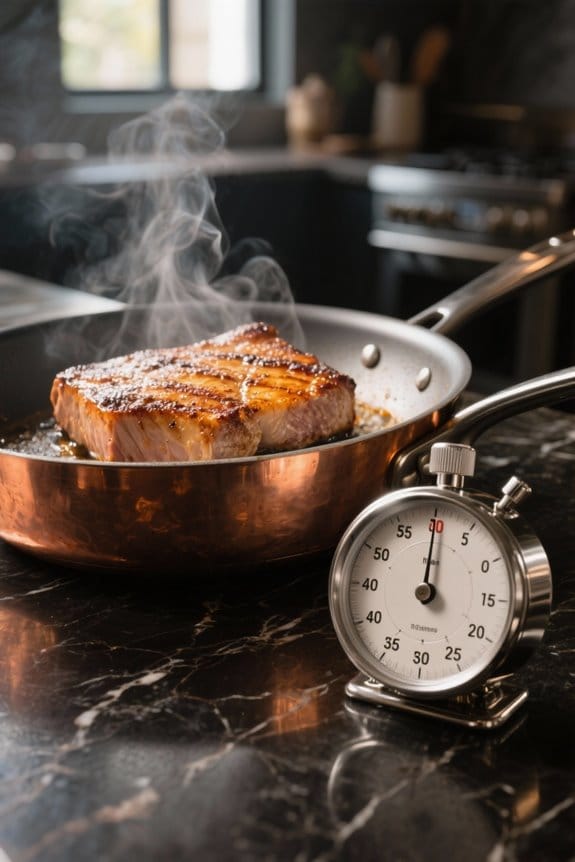
How much time is needed for foods to cook properly? Cooking time is vital for achieving ideal results. Adequate time allows foods to develop a golden brown crust. This crust helps them to release from the pan easily. Insufficient cooking time can cause proteins to bond to the pan, making them stick and tear when lifted. Foods such as skin-on salmon fillets or steak should be allowed to sear properly for the correct duration. Patience is essential; frequently poking or turning foods before they are fully cooked increases the likelihood of sticking. Overall, allowing food to cook until it is ready enhances flavor through caramelization and simplifies removal from the pan. Preheating your cooking surface, similar to preheating pizza stones, is crucial to achieve even cooking and optimal results.
Using the Right Amount of Fat
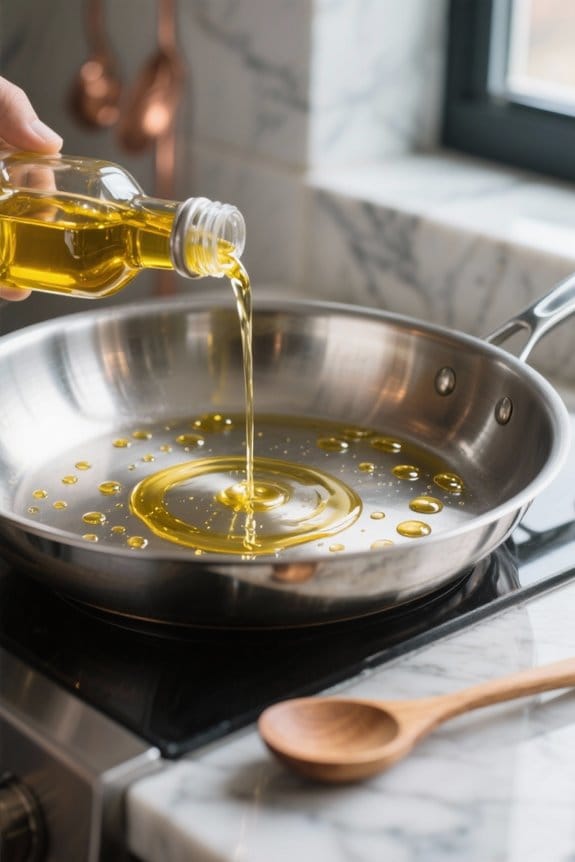
Using the right amount of fat is essential for successful cooking. A sufficient layer of oil forms a barrier, preventing food from sticking to nonstick pots and pans or seasoned cast iron. It is best to use a thin layer of oil. Too much fat can cause splattering and greasiness. Conversely, too little can lead to food adhering to the surface. For high heat cooking, choose oils with high smoking points, like canola or grapeseed oil. Properly heating the oil until it shimmers guarantees even coating. Lean proteins often need more fat since they produce fewer natural oils while cooking. Achieving the right balance will greatly enhance food release and improve overall cooking outcomes. Nonstick pans with diamond-infused surfaces enhance heat conductivity and contribute to more efficient cooking.
Recommended Products
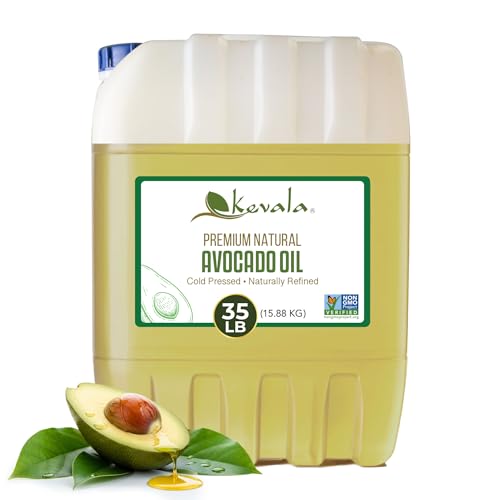
NATURAL AND COLD PRESSED - Cold pressed from select avocados without hexane or solvents. Minimally processed to help retain natural properties. Ideal clean cooking oil option for frequent use.

100% Pure Avocado Oil, Expeller Pressed, All Natural & Hexane-Free

EXTRA VIRGIN AVOCADO OIL, FIRST COLD PRESSED & UNREFINED: Six bottles of single-origin Mexican avocado oil, gently cold pressed in small batches from perfectly ripe avocados with the skin and seed removed. A true unrefined extra virgin avocado oil, bottled just as it's pressed with nothing added.
Techniques for Preventing Sticking
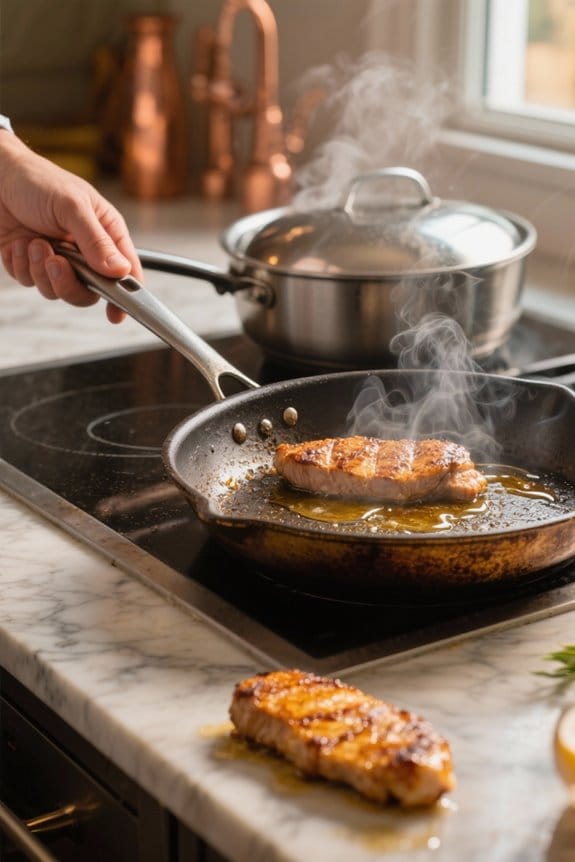
To prevent sticking during cooking, one effective technique is preheating the pan before adding any oil. Preheat the pan for 4 to 5 minutes to create a hot cooking surface. This helps food form a crust and release easily. It is also vital to use enough oil to cover the bottom of the pan. A thin layer of fat reduces sticking and burning. Allow food to cook undisturbed until it releases naturally. Moving food too early can cause tearing and sticking. After adding food, gently shake the pan to loosen any stuck areas. Additionally, experimenting with heat and oil levels based on the food type can improve results and further minimize sticking. Ceramic nonstick pans are effective for making sauces directly in the pan due to easy cleanup.
Preheating Your Cooking Surface
Preheating the cooking surface is a fundamental step in achieving perfect cooking results. This process guarantees even heat distribution, which is essential for creating a crust on foods. When food is seared properly, it tends to release naturally from the pan. It is advisable to check if a stainless steel pan is adequately preheated by sprinkling a few drops of water on it. If the water forms beads and dances, the pan is ready. The perfect preheating time is about 4 to 5 minutes on high heat. Adding oil only after preheating helps create a non-stick barrier. Additionally, overcrowding the pan can reduce its temperature quickly, increasing the risk of food sticking. Cooking in batches can help maintain ideal conditions. For better smoke circulation, some grill pans come with perforated designs, enhancing the cooking experience.
Recommended Products

ISLAND FEATURES - The premium MA-957FC compact 70"W outdoor kitchen island gas grill arrives almost fully assembled and is made from 304 black stainless steel. This material blends seamlessly to the white granite countertop surfaces on each side of the 32"W stainless steel grill with storage cabinets directly below. The 1.7 cubic feet glass door refrigerator comes standard with this model. You also get stainless steel magnetic double access doors right underneath your grill for extra storage and easy access option plus a fully covered back with vents. Your outdoor kitchen will also come with gliding castor wheels for smooth and easy-to-maneuver movement and increased stability.

【Professional Grade Material】 Made of 14 gauge stainless steel, the durable outdoor kitchen grill is resistant to corrosion and rust;
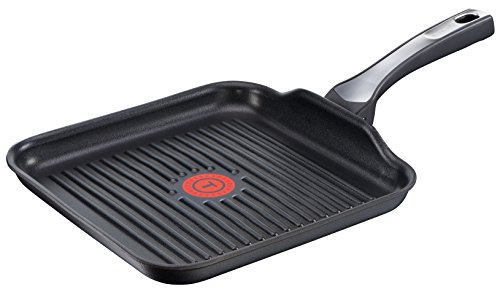
Thermospot lets consumer know when frying pan is at optimum temperature for cooking
Selecting Appropriate Cookware
Selecting the right cookware is essential for achieving ideal food release. Stainless steel pans often require preheating and a thin layer of oil to prevent sticking. This type of pan can deliver even heat when properly used. Cast iron cookware, in contrast, needs seasoning to develop a natural nonstick surface. It also requires careful management of oil and heat levels. Using inadequate oil can lead to food sticking. Nonstick pans may seem convenient but often lose their effectiveness over time. Scratches from metal utensils can worsen sticking. Overall, choosing high-quality pans, such as tri-ply stainless steel, can minimize hot spots and promote better cooking results. Opting for oils with high smoke points further aids in preventing food adhesion. Many cookware sets are dishwasher safe for convenient cleaning and maintenance.
Recommended Products

14 piece cookware set includes 8 and 10-inch fry pans, 2 and 3 quart covered saucepans, 3 quart covered sauté pan, 4 quart covered soup pot, 6 quart covered sauté pan, 12 inch covered chef's pan with lid, and an 8 quart covered stockpot.
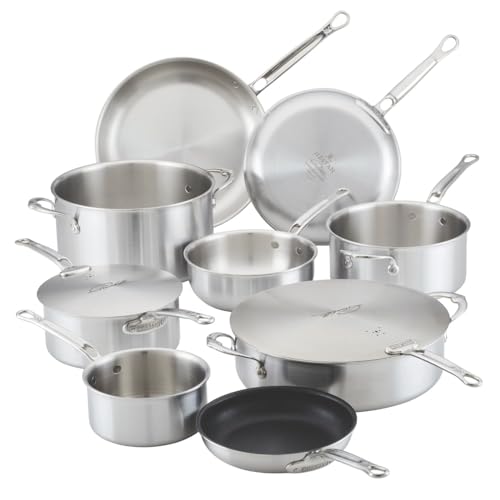
COOKWARE SET INCLUDES - 1.5-quart sauce pot, 3-quart sauce pot, 4-quart sauce pot, 8.5-inch TITUM nonstick sauté pan, 11-inch sauté pan, 12.5-inch sauté pan, 8-quart stockpot, 2-quart saucier, 6-quart rondeau, 8.5-inch universal lid, 12.5-inch universal lid
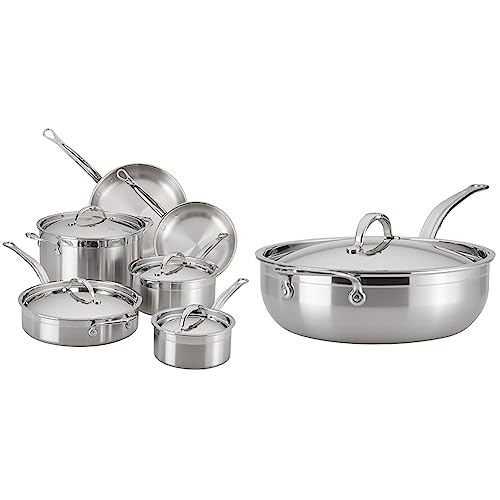
Set includes: 8.5" skillet, 11" skillet, 1.5qt saucepan with lid, 3qt saucepan with lid, 3.5qt saute pan with lid, 8qt stockpot with lid. (Hestan - ProBond Collection - Professional Clad Stainless Steel 10-Piece Ultimate Cookware Set)
Impact of Pan Quality on Food Release
When evaluating the impact of pan quality on food release, several factors come into play. High-quality pans, like stainless steel or well-seasoned cast iron, have smooth surfaces that facilitate easier food release. Newer cookware often features advanced coatings that minimize friction. This makes it simpler for foods to slide off when heated properly. Regular maintenance of the pan enhances its nonstick properties, helping to preserve food release capabilities. Additionally, pans without scratches or dents have fewer places for food to stick. Investing in tri-ply construction or heavy-duty materials improves heat distribution. This allows proteins to sear effectively, promoting natural release when cooked adequately. Overall, pan quality directly influences successful food release during cooking. Tri-ply cookware is compatible with all cooktops, including induction, which further enhances its versatility and effectiveness in achieving optimal cooking results.
The Science of Caramelization
Caramelization plays a significant role in cooking, particularly in enhancing both flavor and food release from pans. This process occurs when sugars in food are heated, typically starting around 320°F (160°C). As temperatures rise, caramelization transforms sugars into complex flavors and a brown crust. This crust serves as a natural nonstick coating, allowing food to detach more easily from the cooking surface. Foods rich in carbohydrates, like onions and certain vegetables, show marked caramelization effects. Adequate cooking time is essential; if food is moved around too early, it risks tearing or sticking, as the necessary crust hasn’t formed yet. Understanding caramelization helps improve cooking techniques and results in easier food release from pans. Using non-stick surfaces can further facilitate easy food release and cleanup.
Common Misconceptions About Nonstick Surfaces
Many individuals hold misconceptions about nonstick surfaces. Many believe that non-stick coatings completely eliminate the chance of food sticking. However, overheating pans can damage the coating, making them more prone to sticking. The quality and condition of the nonstick coating also impact performance. Older or scratched pans often lead to increased sticking issues. Additionally, using metal utensils on nonstick surfaces can scratch the coating, further reducing its effectiveness. It is important to choose toxic-free options for safety and health benefits. It is also important to use nonstick pans at low to medium heat for best results. While these pans generally require less oil, adequate lubrication is still vital to prevent food from sticking. Proper care and maintenance greatly enhance the performance of nonstick cookware.
Cooking Techniques for Different Foods
Understanding cooking techniques is important for achieving the best results with various foods. For stainless steel pans, high heat is essential. Initially allowing proteins to sear without movement promotes a crust. This crust assists in easy release. For delicate items like skin-on salmon, cooking skin-side down until crispy creates a barrier. It reduces sticking effectively. Using the right amount of oil is key as well. Ensuring adequate coverage creates a slippery surface that enhances release. Patience in cooking also matters. Allowing food time to develop a golden brown exterior helps prevent premature lifting. These techniques together optimize the cooking process, enabling better performance and minimizing the likelihood of food sticking to cookware.
Maintenance Tips for Cookware Longevity
Proper care is essential for cookware longevity. Regularly season cast iron pans by applying a thin layer of oil and heating them. This creates a non-stick surface that enhances food release. Never use metal utensils on nonstick pans, as they can cause scratches that compromise their effectiveness. For stainless steel pans, it is vital to clean them with non-abrasive cleaners. Proper storage can prevent scratches and maintain performance. Always wash and dry all pans immediately after use to avoid corrosion and residue buildup. Investing in high-quality cookware, like tri-ply stainless steel, provides even heating. This reduces the chances of food sticking during cooking. Following these maintenance tips will enhance the life of your cookware.
Recommended Products
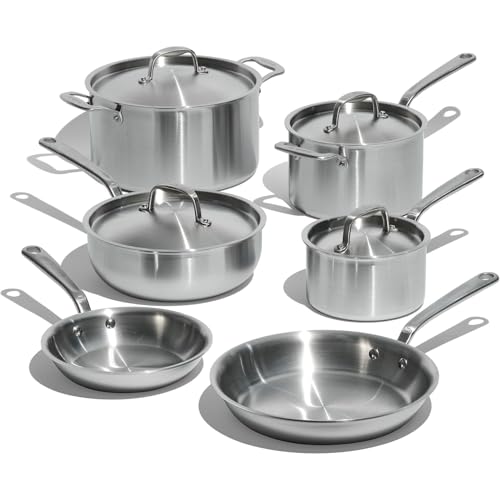
Includes: 10" Stainless Clad Frying Pan | 8" Stainless Clad Frying Pan | 8 QT Stainless Clad Stock Pot with Lid | 4 QT Stainless Clad Saucepan with Lid | 2 QT Stainless Clad Saucepan with Lid | 3 QT Stainless Clad Saucier Pan with Lid
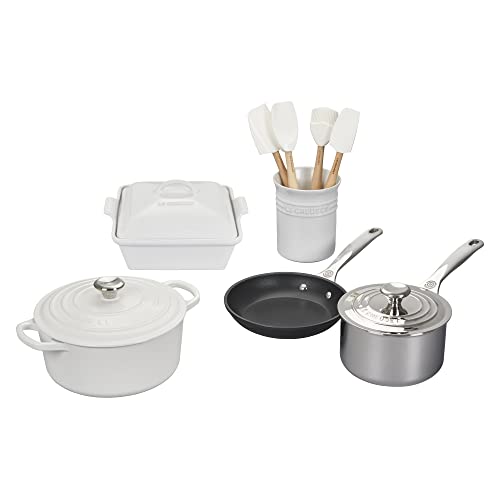
Set includes: Signature Enameled Cast Iron 3.5qt Round Dutch Oven, Stoneware 2.5 qt. Heritage Covered Square Baker

A versatile piece featuring a large surface area for searing, with straight sides to hold in liquid and prevent splattering and lid to lock in moisture
Frequently Asked Questions
Why Does My Pan Burn so Quickly?
A pan can burn quickly due to poor heat distribution from thin materials, inadequate cooking techniques, insufficient oil quality, or using the wrong pan material. Managing these factors guarantees better cooking outcomes and minimizes burning.
Why Does Food Always Stick to My Frying Pan?
Food often sticks to frying pans due to inadequate cooking temperature, insufficient oil types, and the inherent characteristics of pan material. Poor food texture and overcrowding further exacerbate the sticking, hindering effective cooking processes.
Why Are Some Foods Easily Spoiled?
Susceptible foods spoil swiftly due to temperature sensitivity, high moisture content, and varying acidity levels. Storage methods influence longevity; improper sealing exposes perishables to detrimental elements, hastening decay and rendering them more vulnerable to spoilage.
Why Do Chefs Not Use Nonstick Pans?
Chefs often avoid nonstick pans due to preference for durable surface materials that enhance heat distribution. These facilitate superior cooking techniques such as deglazing, essential for developing flavor, which nonstick options can compromise.