As an Amazon Associate, we earn from qualifying purchases. Some links on this site are affiliate links at no extra cost to you. Our recommendations are based on thorough research and editorial judgment.

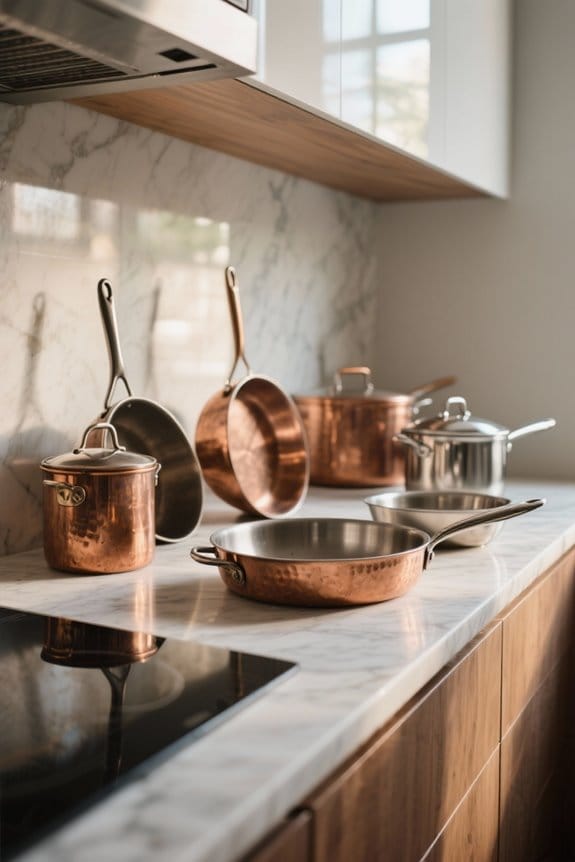
Why Lead Testing Matters for Vintage Cookware

Lead testing is essential for vintage cookware made from the 1940s to 1980s, which often contains lead levels far exceeding safety limits. Lead can leach into food, especially when cooking acidic dishes. Vulnerable groups, like children and pregnant women, face serious health risks from even low lead exposure. Reliable testing methods are important, as many home kits lack accuracy. Practicing thorough testing helps guarantee safe cooking practices and reduces health risks. More insights on vintage cookware safety are available.
Key Takeaways
- Vintage cookware often contains lead levels significantly above the safety threshold, posing health risks, particularly to children and pregnant women.
- Lead can leach into food, especially when cooking acidic dishes, increasing exposure risks during food preparation.
- Home lead testing kits frequently yield unreliable results, failing to quantify lead levels accurately and potentially providing false security.
- Regular professional testing is crucial for identifying lead contamination in vintage cookware before use, helping to ensure cooking safety.
- The FDA warns against using vintage kitchenware for food due to high lead potential, emphasizing the need for proactive testing and awareness.
Understanding Lead Contamination in Vintage Cookware
You may be interested

Vintage cookware poses unique risks due to lead contamination. Many vintage dishes produced from the 1940s to the 1980s contain dangerously high levels of lead. Testing shows lead concentrations typically range from 40,000 to 100,000 PPM. These levels are far above the safety threshold of 90 PPM. Lead often leaches into food or flakes off surfaces, especially when cooking acidic foods. This exposure can lead to serious health issues, including lead poisoning. Swab tests frequently reveal lead presence exceeding 600 PPM in painted vintage dishes. Due to these risks, consumers should avoid using vintage cookware for food preparation. Instead, it is recommended to keep these items for decorative purposes or as collectibles, emphasizing the importance of lead testing for safety. Modern cookware, like the De Buyer MINERAL B, offers a chemical-free cooking surface, providing a safer alternative for culinary use.
Health Risks Associated With Lead Exposure
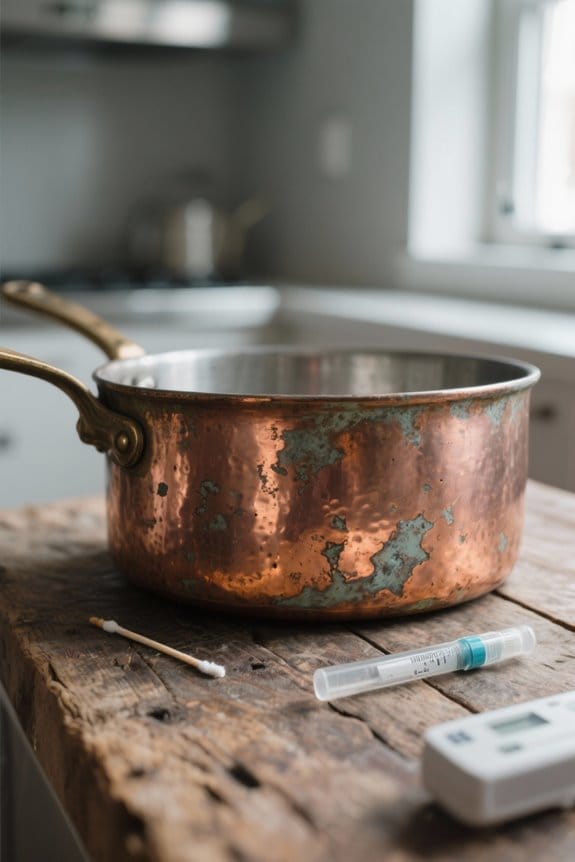
Lead exposure presents significant health risks that can affect anyone, especially vulnerable populations like young children and pregnant women. There is no known safe level of lead ingestion, making it alarming. Even low levels can lead to serious health problems. Children may experience learning difficulties or behavioral changes due to lead exposure. Adults can suffer from fatigue and headaches. Small amounts of lead can accumulate in the body over time, causing irreversible effects, especially for developing children. Regular maintenance, including hand washing, preserves appearance and longevity of cookware, which is crucial in ensuring that cookware remains safe for everyday use. Vintage cookware made before the 1980s often contains lead in decorative paints or glazes. This can result in lead leaching into food. Regular lead testing is crucial to ascertain that cookware is safe for everyday use and protects family health.
The Importance of Testing for Lead in Cookware
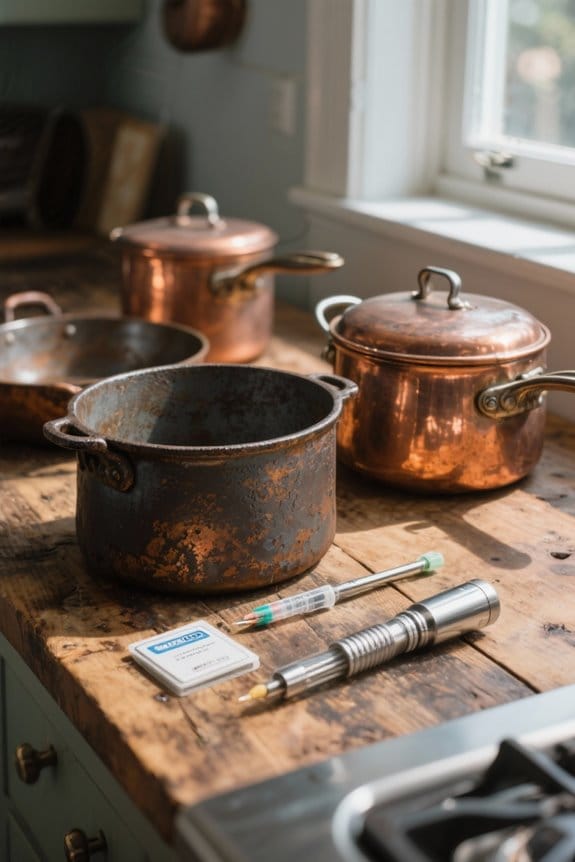
When considering the safety of cookware, testing for lead is essential. Vintage cookware often contains lead levels far exceeding safe limits. Many items can test positive for concentrations over 40,000 PPM, while the safe threshold is just 90 PPM. This poses serious health risks, particularly for young children and pregnant women. Lead can transfer to food, creating direct health concerns for users. While home lead test kits are available, they can yield inaccurate results. Reliable testing methods, including professional evaluations, are recommended for thorough inspections of vintage items. Regularly checking and testing cookware can help consumers avoid potential health risks associated with lead contamination. Awareness and proactive testing are vital for safe cooking practices. A significant advantage of using non-abrasive cleaning materials is that they help maintain the integrity of cookware surfaces, reducing the risk of contaminant transfer.
Recommended Products

BUNDLE & SAVE - Field Skillet No.8 Starter Set includes a No.8 Skillet, Our Cast Iron Care Kit, and the matching No.8 Cast Iron Lid.

At-home lab food testing: SimpleLab's heavy metals in food kit tests for 4 contaminants. This test is intended for 1 single sample.
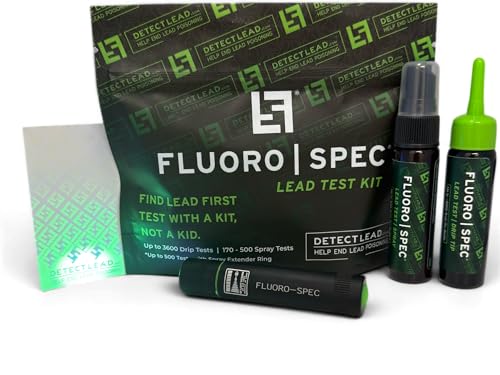
SEES WHAT SWABS MISS – FluoroSpec's UV-reactive reagent makes lead glow bright green on contact — dishes, ceramics, paint, toys, China, jewelry, vintage items. 3,600 tests at $0.02/test vs $0.30/test for disposable swabs. Results in seconds, no vinegar, no guesswork.
Limitations of Home Lead Testing Kits
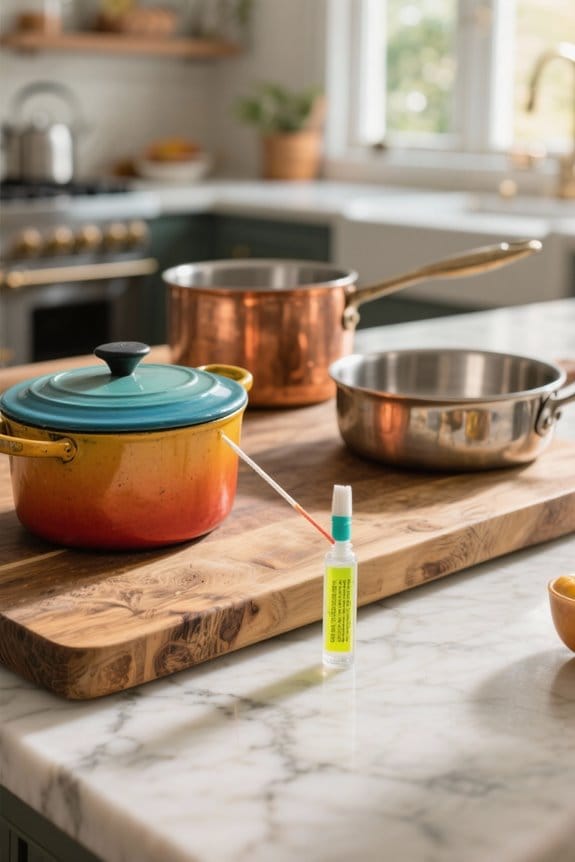
Many consumers rely on home lead testing kits to guarantee their cookware is safe. However, these kits have limitations that users should consider. Most home lead tests only indicate the presence or absence of lead. They do not quantify lead levels or assess health risks. Additionally, many home lead testing kits struggle to detect low lead levels, which can be harmful, especially for vulnerable groups. User error can further compromise the accuracy of results, leading to false positives. Some kits are ineffective on shiny glazes and cannot reliably test for dissolved lead in food or water. With many home lead testing kits lacking EPA recognition, questions about their reliability and effectiveness remain. For those seeking durable cookware options, considering aluminum-clad bases can improve heat efficiency and provide a safer cooking experience.
Overview of the Lumetallix Instant Lead Detection Kit
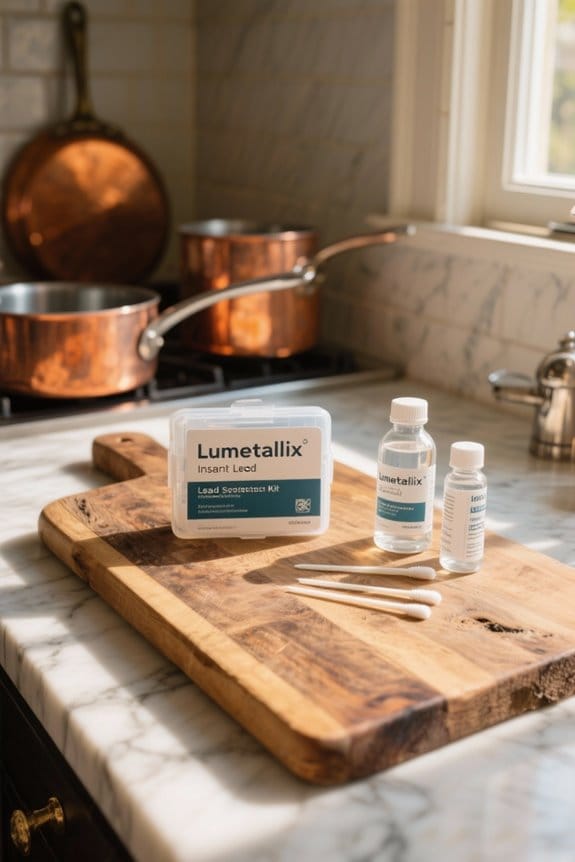
The Lumetallix Instant Lead Detection Kit offers an innovative approach to identifying lead contamination in vintage cookware. This kit can detect lead at very low levels, even as little as a single nanogram. It utilizes methylammonium bromide for testing, which produces a neon-green glow under UV light when lead is present. Although it is not yet recognized by the EPA, the kit claims to have no false positives, making it a reliable choice for home lead testing. The Lumetallix kit includes both spray and drip testing liquids, allowing users to detect lead in various materials. Results are immediate, helping to raise awareness of potential lead contamination risks in vintage and household items. The non-stick coatings used in modern cookware, like those in air fryer grill pans, offer a safe alternative to potentially hazardous vintage options.
How to Identify Vintage Cookware With Potential Lead Risks
Identifying vintage cookware with potential lead risks requires careful observation and knowledge of specific characteristics. Items from the 1940s to 1980s are more likely to contain lead. Cookware with decorative exteriors, such as painted Pyrex dishes, often has higher lead paint content. Be cautious with colorful dishware and glassware, especially from brands like Anchor Hocking. Vintage metal pieces, including brass and aluminum, may also pose lead risks due to outdated manufacturing practices. When testing for lead, keep in mind that home kits typically assess lead paint on porous surfaces. However, they might not effectively test shiny or glass surfaces. Professional testing is advised for a thorough safety evaluation of vintage cookware.
Recommended Practices for Safe Use of Vintage Kitchenware
When using vintage kitchenware, safety must be a priority. Many items produced between the 1940s and 1980s contain dangerous lead levels. It is wise not to use vintage dishes for cooking or serving food. Instead, consider repurposing them for decoration. Regularly test vintage pieces for lead using reliable methods, such as XRF tests or professional lab services. This helps identify lead content and guarantees safe levels. Store vintage kitchenware in closed cabinets to keep them away from children and minimize contamination risks. Additionally, maintain cleanliness in storage areas. Lead dust can settle on surfaces, so regular cleaning is essential. Following these practices minimizes health risks associated with lead exposure from vintage kitchenware. For optimal food safety, consider using chemical-free material baking sheets, such as those made from pure aluminum, which promote safe cooking.
Recommended Products

EXCLUSIVE BRAND of water test kits to earn Good Housekeeping Seal. Named as the #1 Lead in Water Test Kit by Popular Mechanics Magazine. MADE IN THE USA!
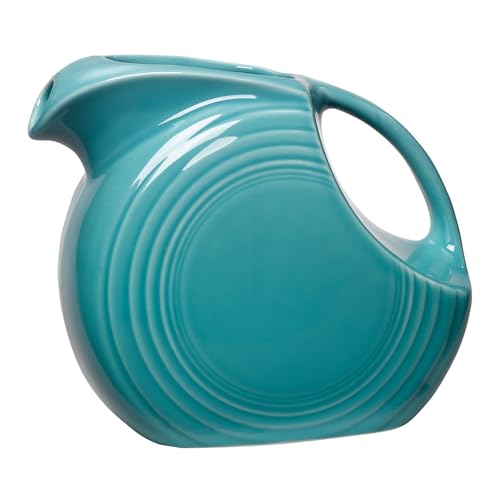
The iconic Large Disc Pitcher is perfect for serving lemonade, iced tea, juices and more. The pitcher is 7-1/4" tall, 8" wide and 4-3/4" deep and holds 67 ounces of your favorite beverage.

Made in the USA
FDA Warnings on Imported Cookware and Lead Leaching
Recent findings have raised alarms regarding imported cookware and its potential to leach harmful lead into food. The FDA has identified certain imported cookware items that pose significant health risks, particularly to young children and pregnant or breastfeeding women. Test results from ongoing surveillance show these products can exceed safe lead levels. The FDA collects and samples cookware to monitor lead content, actively warning consumers against using affected items. Importantly, no regulations allow lead in cookware or surfaces that contact food. Retailers are tasked with ensuring the safety of the cookware they sell. This reinforces the need for consumer awareness and thorough testing to prevent lead contamination in the kitchen, hence protecting public health. Enameled cast iron dutch ovens are a great choice as they offer a chip-resistant outer layer for durability and resist stains, ensuring safer cooking experiences.
Testing Vintage Pyrex: What You Need to Know
Testing vintage Pyrex is essential for ensuring kitchen safety. Many vintage Pyrex items made between the 1940s and 1980s have significant lead levels, especially those with painted designs. The paint commonly contains high concentrations of lead, often exceeding 100,000 PPM. This far surpasses the safety threshold of 90 PPM. Plain designs, like the blue cornflower, are less likely to contain harmful lead. To assess lead presence, consumers can use 3M LeadCheck Swabs, although these are effective primarily for paint and less so on shiny glass surfaces. For more detailed information on specific pieces, Lead Safe Mama offers a catalog of tested vintage Pyrex items. Additionally, using carbon steel woks for cooking provides a non-toxic alternative, as they do not contain harmful substances like lead or chemical coatings. Conduct testing to protect yourself and your family from potential health risks.
Recommended Products

INSTANT LEAD DETECTION – Quickly screens surfaces for lead during renovation or inspection work.

Stay Safe: Regular testing for lead is vital to maintain a safe living environment. Whether you’re a homeowner, contractor, or property manager, Lead Check Swabs provide peace of mind with immediate and accurate results. Detects lead on most surfaces within 30 seconds

Stay Safe: Regular testing for lead is vital to maintain a safe living environment. Whether you’re a homeowner, contractor, or property manager, Lead Check Swabs provide peace of mind with immediate and accurate results. Detects lead on most surfaces within 30 seconds
Proper Disposal and Management of Lead-Containing Cookware
Proper disposal and management of lead-containing cookware is crucial to guarantee safety for both individuals and the community. Vintage cookware that tests positive for lead should be treated as hazardous waste. It is important not to donate or refurbish these items. Instead, they must be properly discarded to prevent exposure and contamination. Community members can display vintage cookware for decorative purposes, but it should be kept out of reach of children and never used for food. When disposing of lead-containing cookware, it is advisable to consult local waste management authorities. Collectors selling such items must disclose the presence of lead and advise against using them for food-related purposes to maintain consumer safety. Additionally, investing in lead-free ceramic options ensures safer cooking and aligns with modern health standards.
Staying Informed: Monitoring for Kitchenware Safety
Monitoring kitchenware safety is an ongoing responsibility for consumers. The FDA conducts lead testing on imported cookware that may leach harmful substances. This is particularly important for households with vulnerable members, such as young children and pregnant women. Consumers should stay informed about cookware safety updates. If an item is reported to contain lead, it should be avoided, as even small amounts can pose health risks. Many vintage household items, like Pyrex bowls, have tested positive for high lead levels. Home lead test kits can be useful for initial screenings, but professional testing is recommended for accurate results. Regular cleaning of kitchen surfaces and careful management of vintage cookware can further reduce the risk of lead contamination in the home. Air fryers can also be utilized for healthier cooking, with non-stick properties ensuring easy maintenance and safety when preparing meals.
Frequently Asked Questions
Does Old Cookware Have Lead?
Old cookware often harbors hidden dangers, with lead hazards lurking in various cookware materials due to historical practices. Many vintage items contain alarming lead levels, raising substantial concerns for health and safety in food preparation.
How Do You Test Vintage Dishes for Lead?
To test vintage dishes for lead, one can use lead testing methods such as swab kits or X-ray fluorescence, addressing pottery material concerns to guarantee vintage dish safety and accurate detection of hazardous lead levels.
Should I Worry About Lead in My Dishes?
Concerns about lead in dishes are valid due to potential health risks associated with vintage collectibles. Ensuring cookware safety may require testing to prevent lead exposure, particularly from older pieces used for food preparation or serving.
Is It Safe to Eat off Vintage Dishes?
Eating off vintage dishes can feel like a trip back in time, but vintage dish safety remains questionable. Heightened lead exposure risks and toxic materials awareness are essential for ensuring health, particularly for vulnerable populations.