As an Amazon Associate, we earn from qualifying purchases. Some links on this site are affiliate links at no extra cost to you. Our recommendations are based on thorough research and editorial judgment.

Understanding PFOA and PTFE in Nonstick Cookware

PFOA is a synthetic chemical used historically in producing PTFE, known as Teflon. PTFE offers excellent nonstick properties at safe cooking temperatures below 500°F. However, overheating can release harmful fumes. Due to health risks linked to PFOA exposure, such as cancer and liver damage, its use has markedly declined since 2006. For safer alternatives, consider ceramic or cast iron cookware. Understanding these elements can help consumers make informed choices about their kitchen products. Further insights await.
Key Takeaways
- PFOA, used historically in PTFE production, raised health concerns, leading to its phase-out by 2015 due to associated risks.
- PTFE is safe for cooking under 500°F, but overheating can release harmful fumes, necessitating caution in use.
- Health risks from PFOA exposure include cancers, liver damage, and metabolic disorders, with significant presence in the U.S. population’s blood.
- Alternatives to PTFE cookware include ceramic, cast iron, and stainless steel, which offer safe nonstick properties without synthetic chemicals.
- Consumer demand is shifting towards PFAS-free and eco-friendly cookware options, reflecting increased awareness of health and environmental impacts.
What Are PFOA and PTFE?
You may be interested



PFOA and PTFE are important chemicals in the context of nonstick cookware. PFOA, or Perfluorooctanoic Acid, is a synthetic chemical once used in making PTFE, which is commonly known as Teflon. PTFE provides high thermal stability and low friction, making it ideal for easy food release. However, PFOA raised significant health concerns, leading to its phase-out. Since 2013, cookware marketed as “PFOA-free” has become standard to mitigate health risks. While PTFE is safe at cooking temperatures below 500°F, overheating can release harmful fumes, particularly above 662°F. Understanding these substances helps consumers make informed choices about nonstick cookware and its safety, promoting better health and environmental practices. In recent years, many nonstick cookware brands have emphasized toxin-free cooking methods to provide safer options for consumers.
The History of PFOA and Its Phase-Out
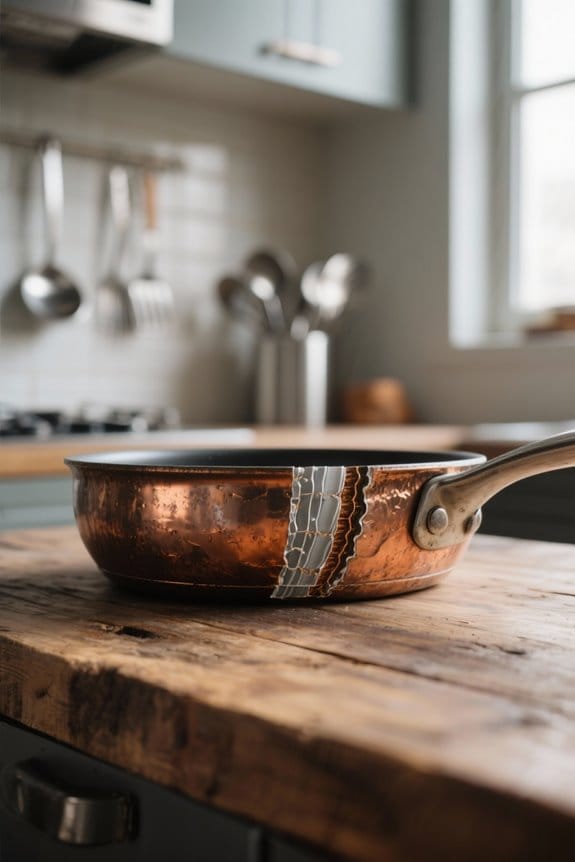
During its long history, PFOA became a common component in the production of nonstick cookware due to its unique properties. It is particularly noted for its ability to resist heat and repel water and oil. However, by 2006, the U.S. Environmental Protection Agency initiated a voluntary phase-out of PFOA, driven by rising health concerns. This phase-out led many cookware brands to reduce PFOA usage markedly. By 2015, most manufacturers successfully eliminated PFOA, resulting in products being labeled as “PFOA-free”. Despite this progress, health issues related to PFOA exposure have prompted ongoing scrutiny of similar PFAS chemicals. Cookware made from natural materials that are free from harmful substances, such as PFOA, PFOS, PTFE, and lead, is now the focus for health-conscious consumers aiming for safer cooking practices. As of 2013, all new nonstick cookware must be PFOA-free, but older products may still contain this harmful substance.
Health Risks Associated With PFOA Exposure
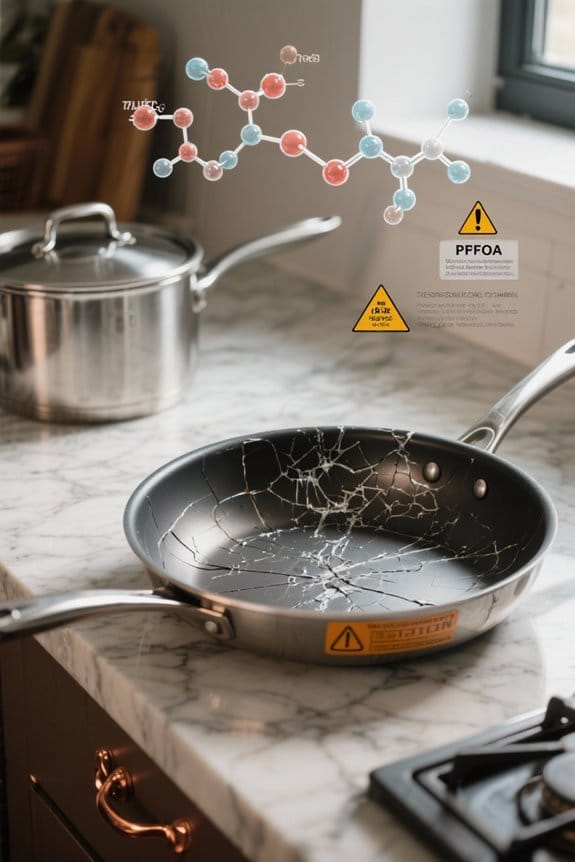
Health risks associated with exposure to PFOA are a significant concern for consumers. PFOA, commonly found in nonstick cookware, has been linked to various health concerns. Research shows that it may increase the risk of certain cancers and cause liver damage. Additionally, PFOA acts as an endocrine disruptor, which can lead to reproductive issues and affect hormonal balance. Long-term exposure has also been associated with metabolic disorders, including higher cholesterol levels and obesity risks. Studies indicate that PFOA can remain in the blood of over 98% of the U.S. population, prompting regulatory measures to phase out its use in consumer products. Even low levels of exposure can result in adverse health effects, warranting consumer caution. PFOA-free pans promote healthier cooking by eliminating harmful chemicals, contributing to safer meal preparation and environmental sustainability.
Understanding PTFE and Its Properties
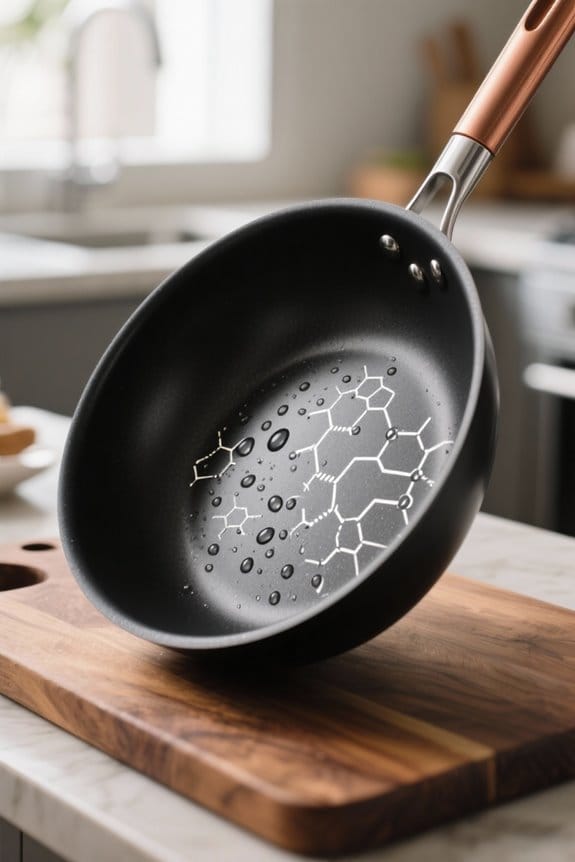
Polytetrafluoroethylene, commonly known as PTFE, is a synthetic material widely recognized for its non-stick capabilities. PTFE is a synthetic fluoropolymer, well-regarded in nonstick cookware branded as Teflon. Its molecular structure features strong carbon-fluorine bonds, providing excellent thermal stability. This allows PTFE to withstand cooking temperatures up to 500°F (260°C) without degrading. However, it may release harmful fumes if heated above 662°F (350°C). Health concerns arose from PFOA, a compound previously used in PTFE production, prompting regulatory changes. Proper care of PTFE cookware is crucial to maintain its integrity. Avoiding metal utensils and high heat can prolong its lifespan. Scratching or flaking are signs that replacement may be necessary to guarantee safety and performance. Many Dutch Oven Pots feature enamel coatings that simplify cleaning processes and eliminate the need for seasoning.
Safety Concerns Related to PTFE Cookware
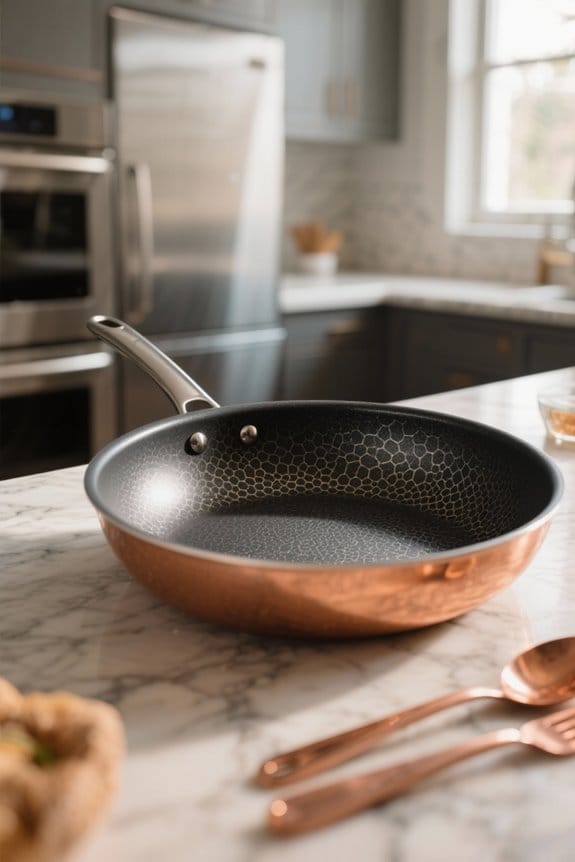
Nonstick cookware, particularly those made with PTFE, raises various safety concerns that consumers should consider. PTFE can safely be used at normal cooking temperatures up to 500°F. However, at temperatures above 662°F, PTFE degradation can occur, releasing harmful fumes. This can cause polymer fume fever, which particularly affects individuals with respiratory sensitivities. PFOA was once used in PTFE production and is known to pose serious health risks. While many nonstick products are marketed as “PFOA-free,” caution is advised as replacement chemicals may also present health risks. Proper care of PTFE cookware is essential. Using non-metal utensils and avoiding abrasive cleaners helps maintain the coating’s integrity, ensuring continued safety during cooking. Nonstick saucepans often utilize PFAS-free and PFOA-free coatings, providing a safer option for health-conscious consumers while maintaining cooking efficiency.
Alternatives to PFOA and PTFE Cookware
For those looking to avoid PFOA and PTFE in cookware, several effective alternatives are available. Ceramic cookware is a popular choice. It provides a natural nonstick surface and has no synthetic chemicals or heavy metals. Cast iron cookware is another option. When seasoned, it develops a naturally nonstick surface and is highly durable. Stainless steel cookware offers resistance to rust and chemical reactions, ensuring safe cooking without health risks. Carbon steel cookware, like cast iron, becomes nonstick when seasoned and is versatile for high temperatures. Additionally, many brands now provide nonstick options that are PFAS-free, such as GreenPan’s Thermolon ceramic coating. These materials create safe alternatives for cooking without harmful substances. SENSARTE skillets are a notable choice for being non-toxic, with a natural ceramic coating that avoids toxic additives.
How to Choose Safe Nonstick Cookware
Choosing safe nonstick cookware is essential for health-conscious consumers. Look for products labeled as PFOA-free or PFAS-free to avoid harmful chemicals. Nonstick ceramic cookware is a good option, offering nonstick performance without toxic coatings. It is important to check the cookware’s maximum temperature rating. Select items designed for high heat, ideally below 500°F (260°C), to guarantee safety. Alternatives like stainless steel or cast iron do not contain chemical coatings and can create their natural nonstick surfaces with proper care. Research brands for transparency regarding materials and production practices. Many nonstick fry pans feature diamond-infused surfaces, which enhance durability and heat conductivity, offering a reliable option for those seeking both safety and performance. Prioritizing cookware safety and environmental responsibility will lead to healthier cooking choices that align with consumers’ values.
Recommended Products

7-piece cookware set.
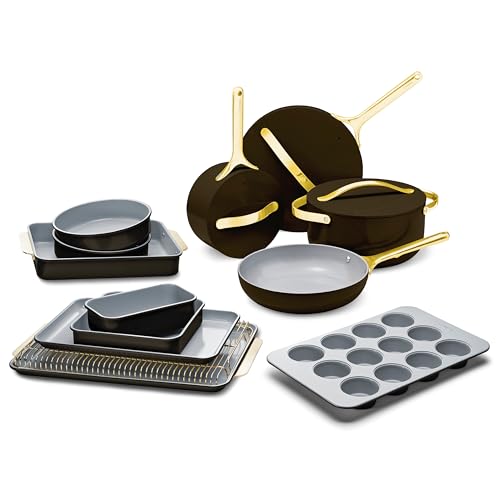
COMPLETE KITCHENWARE SET: Includes 23-piece cookware with 10.5” frying pan, 3 qt saucepan, 6.5 qt Dutch oven, 4.5 qt sauté pan, 3 lids, magnetic pan racks, canvas lid holder, baking sheets, muffin pan, loaf pan, cooling rack, and storage organizers.

Composition: 1 frying pan 24 cm, 1 frying pan 28 cm, 1 saucepan 20 cm, 1 saucepan 24 cm, 1 saucepan 28 cm, 3 saucepans 16 – 18 – 20 cm, 1 grill pan 24 cm, 1 frying pan 28 cm, 1 wok 32 cm, 5 glass lids with anti-fog valve, 7 removable handles, 4 pairs of silicone handles + 1 set of T
Cooking Practices for Minimizing Risks
To minimize risks when using PTFE cookware, proper cooking practices are fundamental. Cooking on medium or low heat reduces the chance of overheating, which can release harmful fumes above 500°F (260°C). Always preheat nonstick cookware with food or oil to avoid empty preheating, which can damage the coating. Using wooden, silicone, or plastic utensils helps prevent scratches that may cause chemical leaching. Regular inspection of the cookware for wear, scratches, or discoloration is vital for safe cooking. When signs of damage appear, it is prudent to replace the cookware. Hand washing PTFE cookware with mild soap and soft sponges guarantees the coating remains intact. Avoid abrasive cleaners to maintain the longevity of nonstick surfaces. For enhanced durability and performance, it is recommended to choose cookware with reinforced die-cast aluminum construction which allows for even heat distribution.
Future Trends in Nonstick Cookware Technology
The landscape of nonstick cookware technology is evolving to meet consumer demand for safer, more sustainable options. Many brands are now offering PFOA-free and PFAS alternatives. Ceramic coatings are gaining popularity for their safety and effectiveness as nonstick surfaces. These coatings use natural materials and eco-friendly practices, aligning with consumer values. Innovations in nonstick cookware focus on increasing durability, making products more resistant to scratches and wear. This prolongs the lifespan and reduces replacements. As consumer awareness increases, brands emphasize transparency about materials. Sustainable products are trending, including traditional cookware like carbon steel and cast iron. These options provide natural nonstick properties without harmful chemicals, addressing health concerns effectively. Such advancements reflect the industry’s commitment to safer cooking. Stoneware baking pans are among the durable options consumers are considering for their heat resistance and longevity.
Frequently Asked Questions
Recommended Products

Enjoy professional cooking with this 14 piece cookware set which includes 10 inch and 12 inch Fry Pans, 2 Quart and 3 Quart covered Sauce Pans, 3 Quart and 6 Quart covered Sauté Pans, 12 inch covered chef’s pan and an 8 quart covered stockpot

HexClad’s patented Hybrid technology features a laser-etched hexagonal nonstick surface that combines both stainless-steel and our TerraBond ceramic coating for the ultimate sear and easy cleaning.

Does PFOA and PTFE Free Mean PFAS Free?
“PFOA and PTFE-free” does not imply “PFAS-free,” as regulations vary; consumers must recognize that alternative chemicals may persist. Awareness of chemical composition impacts public perception, safety evaluations, and cookware alternatives amidst evolving industry standards and environmental concerns.
Should I Throw Away My Teflon Pans?
Deciding to discard Teflon pans hinges on personal priorities regarding kitchen health. Awareness of Teflon safety, long-term effects, and alternatives—like ceramic or stainless steel—encourages informed choices while emphasizing proper cookware maintenance and scrutinizing product labels.
Why Is PTFE Being Banned?
PTFE is facing bans due to significant health concerns, with studies showing 98% of Americans exposed to these compounds. Regulatory changes promote eco-friendly options, addressing durability issues while ensuring safety standards and enhancing cooking performance with safer alternatives.
What Is the Safest Brand of Non-Stick Cookware?
GreenPan is often considered a safe brand for non-stick cookware, praised for eco-friendly options and alternative materials. User reviews highlight cooking performance, longevity, and reasonable price ranges, while warranties and maintenance tips further enhance its appeal.