As an Amazon Associate, we earn from qualifying purchases. Some links on this site are affiliate links at no extra cost to you. Our recommendations are based on thorough research and editorial judgment.

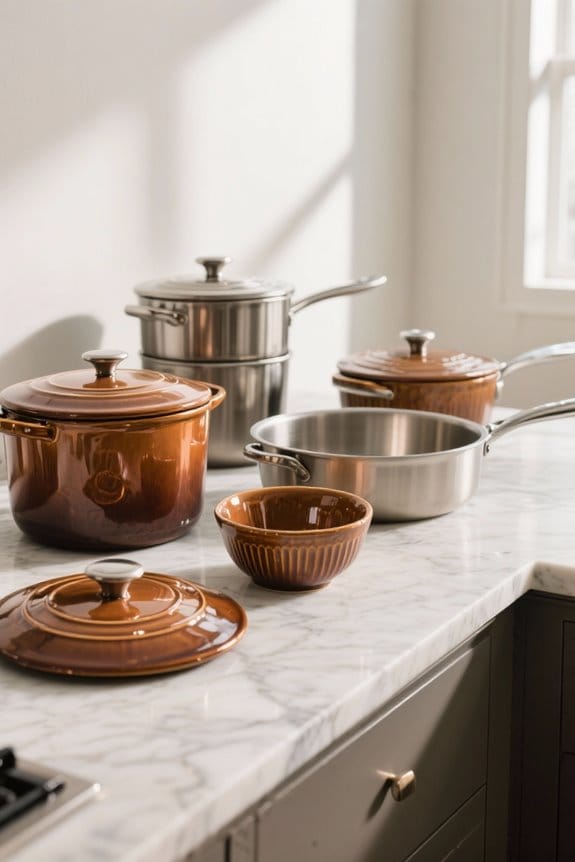
Why Some Glazes Are Not Food-Safe

Some glazes are not food-safe due to toxic materials like lead and cadmium, which can leach into food. Inadequate vitrification creates porous surfaces, allowing harmful substances to seep through. Crazing adds fine cracks that may harbor bacteria, posing health risks. Glazes with high metal oxide content or low silica levels are particularly unstable. It is essential to inspect and test ceramics to guarantee safety. More details on confirming glaze safety can be found through further exploration.
Key Takeaways
- Toxic materials like lead and cadmium can leach into food from improperly formulated glazes.
- Insufficient vitrification leads to porous surfaces that allow harmful substances to seep.
- Crazing creates micro-cracks, promoting bacterial growth and increasing health risks in food.
- High percentages of metal oxides can elevate leaching risks, making glazes unsafe for food contact.
- Low silica levels in glazes contribute to instability, allowing contamination and unhealthy practices.
Understanding the Risks of Toxic Materials in Glazes
You may be interested
Understanding the risks of toxic materials in glazes is essential for ensuring food safety. Certain metal oxides, like lead and cadmium, can leach into food if not properly managed. When glazes contain high percentages of these oxides, particularly above 3%, the risk of leaching increases. Barium is another hazardous component, dissolving easily and releasing toxins upon contact with food. Crazing can create micro-cracks in ceramic glazes, allowing bacteria to thrive and potentially leach toxic materials. Testing glazes is imperative. Home tests, such as the lemon test, can help assess glaze stability and identify any risks associated with acidic foods. Each of these steps is essential for proper glaze chemistry and the safety of food-contact applications. To ensure your kitchen appliances are safe, consider nonstick surfaces for easy cleanup that many modern waffle makers feature, which are designed to prevent unwanted chemical leaching.
The Importance of Proper Vitrification
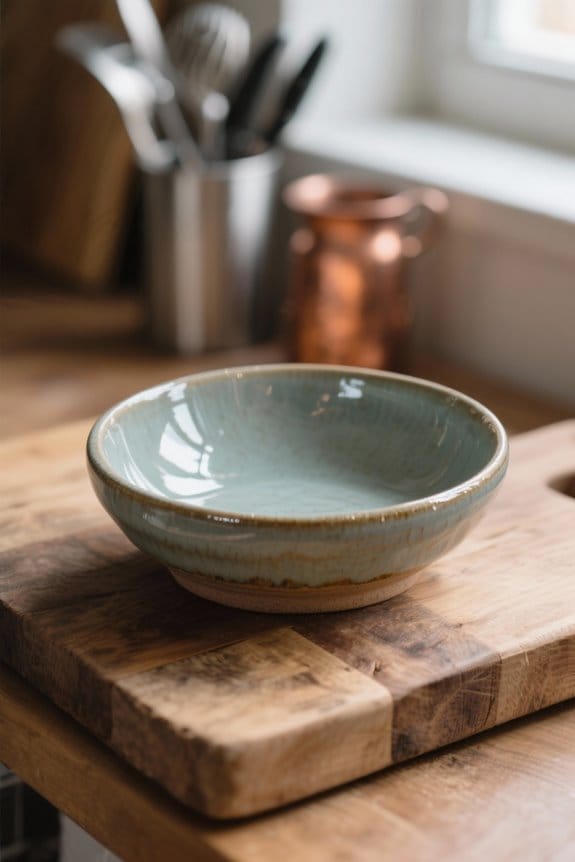
When clay bodies and glazes are fired to the right temperature, proper vitrification occurs, creating a surface that is non-porous and glass-like. This vitrification is essential for food-safe ceramics. A fully matured glaze reduces porosity, preventing harmful bacteria and toxins from seeping into the ceramic. Insufficient vitrification can compromise glaze stability, leading to chemical leaching and potential health risks. High firing temperatures are necessary to achieve this level of vitrification. Without adequate heat, glazes may not develop the hardness needed for safety. The silica content also plays a critical role in creating a stable and effective glaze. Stainless steel pots, with their heavy-gauge construction, offer impressive strength and resistance to staining, a feature that parallels the importance of vitrification in ceramics. Ensuring proper vitrification protects both the integrity of the ceramic piece and the health of consumers using it.
Recognizing Crazing and Its Implications
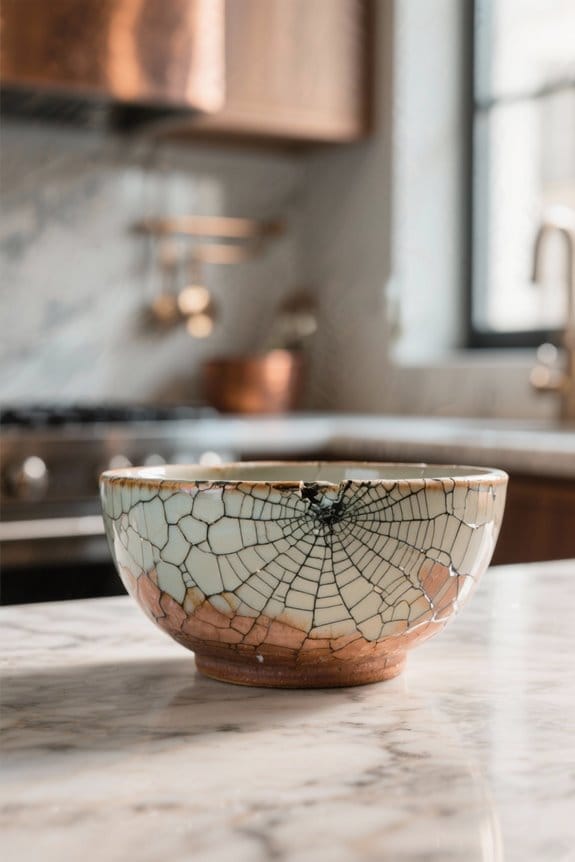
Crazing is a common issue that potters may encounter when working with glazed ceramics. Crazing refers to fine cracks developing in the glaze, often due to thermal shock. These cracks can compromise a glaze’s durability and aesthetics. More importantly, crazed surfaces may harbor bacteria, creating health risks in food contact areas. The moisture that enters through these cracks can promote bacterial growth and increase the risk of chemical leaching. To guarantee food safety, a visual inspection for crazing is essential. Potters should consider applying a clear liner glaze over crazed areas. This technique helps create a barrier that enhances hygiene and minimizes the risk of contamination or leaching, making the ceramic safer for food use. Stackable designs save up to 50% more storage space in kitchens, providing an efficient solution for organizing bakeware and other kitchen items.
Effective Testing Methods for Food Safety

Effective testing methods for food safety are essential for ensuring that glazed ceramics can be safely used in food preparation and service. One method involves the lemon test. This requires placing lemon juice on the glaze overnight and checking for color changes, indicating potential leaching. Another effective test involves microwaving filled ceramic pieces. Evidence of water absorption suggests poor vitrification. Inspections for crazing or cracks are vital since these defects can harbor bacteria, compromising safety. Additionally, subjecting the glaze to cycles of ice water and boiling water reveals thermal stress resistance. Regular kitchen usage tests, such as observing performance after multiple dishwasher cycles, help assess the durability and overall food-safe status of the glaze over time. A consideration for testing can also include observing how aluminum-clad bases in cookware distribute heat efficiently, ensuring that ceramic pieces remain stable under varying temperatures.
Key Ingredients to Avoid in Glaze Formulation
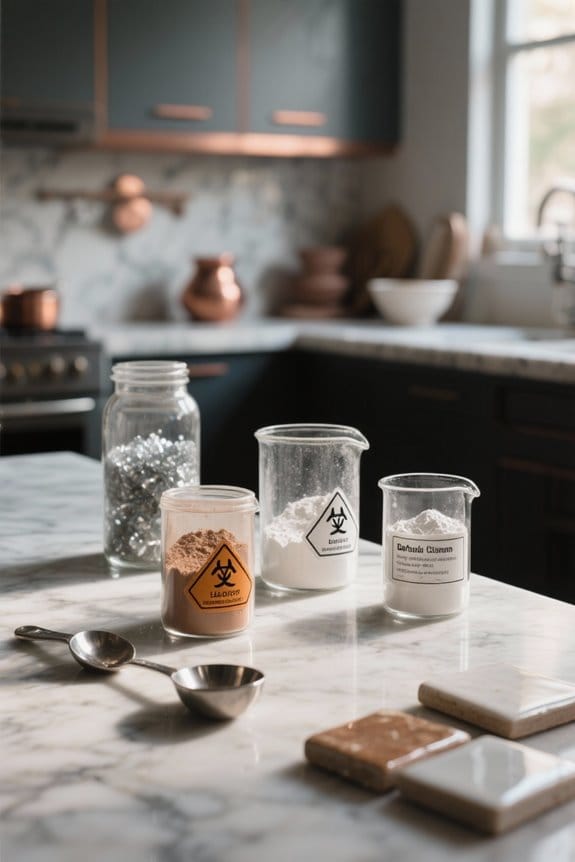
Food-safe glazes require careful consideration of their ingredients. Certain toxic ingredients must be avoided, including lead and cadmium. These substances can leach into food, posing health risks. Barium is another ingredient to steer clear of in any food contact glazes due to its hazards. High percentages of specific metal oxides, like lithium and cobalt, can also increase leaching risks if not handled properly. It is essential to pay attention to silica content in glaze formulation. Low silica levels can lead to instability and a higher chance of contamination. Opt for oxides that create glossy surfaces. Matte or crystalline glazes may harbor bacteria, further compromising food safety. Non-stick coatings in cooking pans are designed to promote easy food release and minimize the risk of harmful chemical exposure, similar to the measures taken in glaze formulation. Prioritize safe materials for functional ceramic glazes.
Recommended Products

45% larger handles that provide a sure grip, even with oven mitts
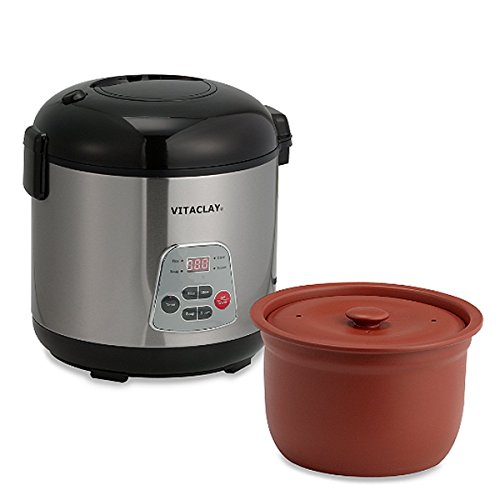
Unglazed organic clay preserves the flavor, texture and nutritions Natural clay promotes uniform cooking Free of toxic metals and non-stick chemicals in your clay pot Pre-programmed functions for “Rice”, “Brown Rice”, “Stew”, “Soup” and "Warm" Slow cooking timer can be set from 30 minutes up to 12 hours with 30-minute increment!

Made in France of Emile Henry's proprietary Flame technology
Frequently Asked Questions
What Makes Glazes Not Food Safe?
Glazes can be unsafe due to glaze composition involving toxic ingredients, heavy metals, or improper firing temperatures, leading to leaching concerns. Additionally, surface texture, application methods, and non-compliance with regulatory standards can exacerbate contamination risks.
How Do You Know if the Glaze Is Toxic?
To determine if a glaze is toxic, one must assess for toxic materials, check for heavy metals, conduct glaze testing for chemical leaching, verify pottery certification, and guarantee compliance with FDA regulations regarding food contact.
What Type of Glaze Is Food Safe?
Approximately 30% of ceramic tiles use food-safe glazes, which often feature a glossy finish and vitreous surface. These glazes prioritize low lead content and utilize artisan techniques, clear coating, and ideal glaze chemistry at appropriate firing temperatures.
How to Tell if Thrifted Pottery Is Food Safe?
To determine if thrifted pottery is food safe, inspect for pottery markings and surface scratches. Conduct DIY testing for lead content and glaze integrity, considering pottery age and the potential restoration risks involved.