As an Amazon Associate, we earn from qualifying purchases. Some links on this site are affiliate links at no extra cost to you. Our recommendations are based on thorough research and editorial judgment.

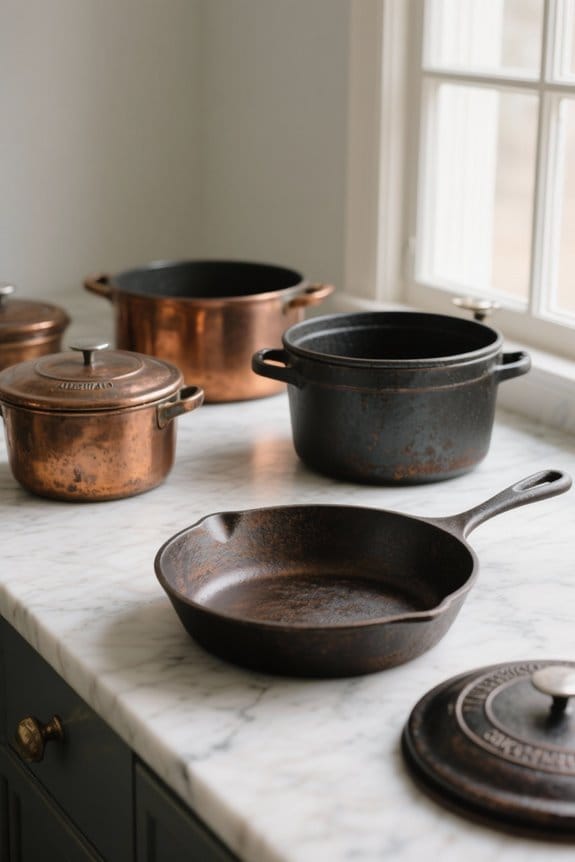
The History of Cast Iron Manufacturing in America

Cast iron manufacturing in America began in the early 17th century, featuring small foundries like Saugus Iron Works. The industry grew considerably due to historical events like the Revolutionary War and the Industrial Revolution. Iconic brands such as Griswold and Lodge emerged, innovating products like pre-seasoned skillets. American cast iron remains valued for durability and craftsmanship. Today, sustainability practices are being adopted, influencing global market trends. More details about the industry’s evolution are available.
Key Takeaways
- Cast iron manufacturing in America began in the 17th century, with the establishment of the Saugus Iron Works in 1646 as the first ironworks.
- The industry grew due to demand from the Revolutionary War and the Industrial Revolution, supplying essential cast iron products.
- Innovations like cupola furnaces and the Bessemer process improved production efficiency and quality in cast iron manufacturing.
- Iconic brands like Griswold, Wagner, and Lodge emerged in the late 19th century, popularizing cast iron cookware, including pre-seasoned options.
- Modern manufacturers focus on sustainability by using recycled materials and eco-friendly practices, expanding the market for American cast iron globally.
Origins of Cast Iron in America
You may be interested



The history of cast iron in America began in the early 17th century. Small iron foundries were established as colonists sought to produce iron goods. Saugus Iron Works in Massachusetts became the first recorded ironworks in 1646. This facility marked a significant step in iron production. By 1718, an iron furnace near Perryville, Maryland began exporting pig iron to Britain. This development boosted the colonies’ iron production capabilities. During the Revolutionary War, cast iron played a crucial role, supplying the Continental Army with weapons and equipment. As the demands of infrastructure grew in the 19th century, so did the need for cast iron products. Foundries adapted, producing essential items that supported America’s expanding economy. Cast iron skillets, with their exceptional heat retention, are a testament to the enduring quality and versatility of cast iron products.
Development of Early American Foundries
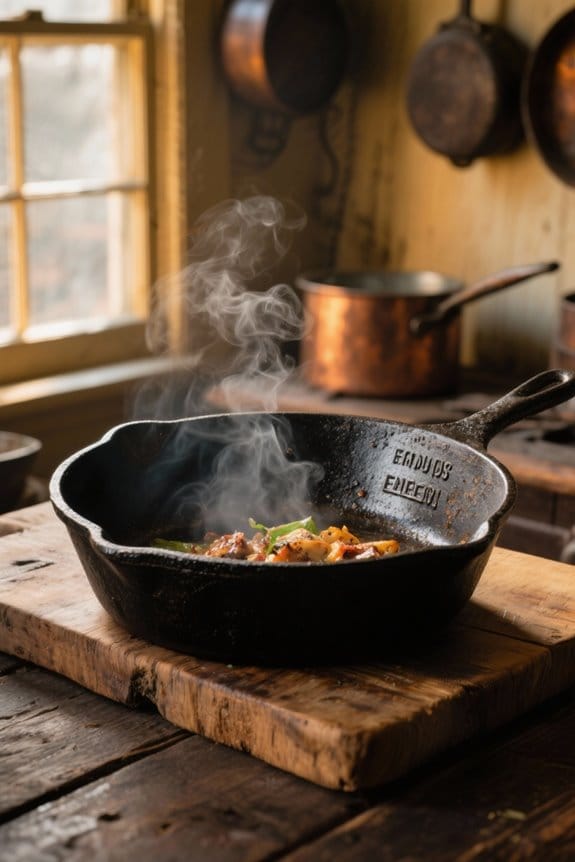
Although several small iron foundries began operating in the early 17th century, they laid the foundation for a larger industry. One notable example was the Saugus Iron Works, established in 1646. This foundry produced cast iron goods such as kettles and tools. The Revolutionary War heightened the need for iron castings, providing the Continental Army with vital weapons and equipment. As the nation entered the Industrial Revolution, the demand for cast iron surged. Foundries began manufacturing essential components for infrastructure, including railway parts. Innovations like cupola furnaces improved melting efficiency. The Bessemer process further transformed steel production, enabling mass production of steel castings. By the early 20th century, foundries diversified to meet demands from the automotive industry and global conflicts. The durability of materials, such as stainless steel and aluminum, has significantly impacted cookware longevity and performance in the modern era.
The Rise of Iconic American Brands
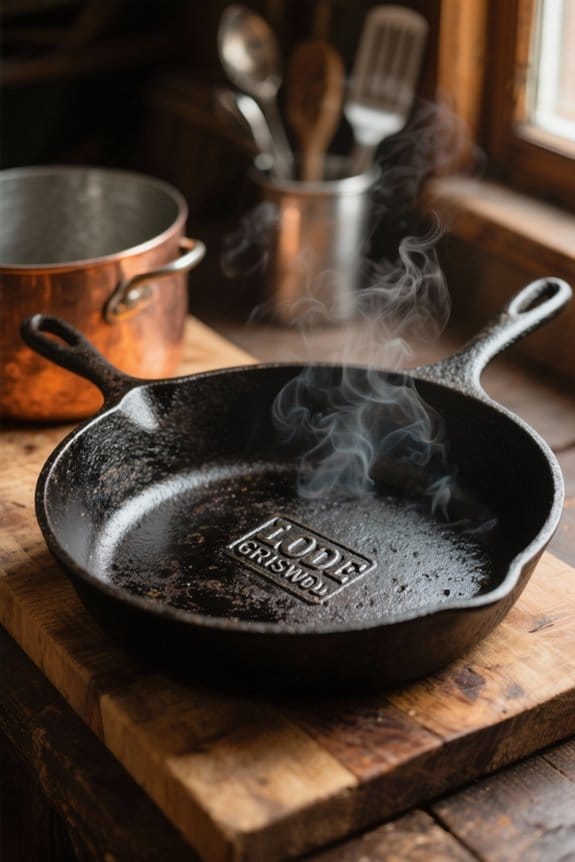
Cast iron cookware gained prominence in the late 19th and early 20th centuries, thanks to iconic American brands that emerged during this time. Griswold Manufacturing, founded in 1865, specialized in cast iron skillets in the 1870s and remains popular among collectors. Wagner Manufacturing, established in 1891, expanded to aluminum cookware and acquired Griswold in 1957. Lodge Manufacturing, founded in 1896, introduced pre-seasoned cast iron cookware in 2002, enhancing ease of use. Smithey Ironware Co. emphasizes reviving traditional American manufacturing methods, creating high-quality skillets from U.S.-sourced materials. These brands reflect a significant shift in consumer demand for durable, reliable cookware. Their unique histories contribute to a rich legacy in American cast iron manufacturing. One of the key factors for the success of these brands is their commitment to durability and performance, which has built customer loyalty over the years.
Recommended Products
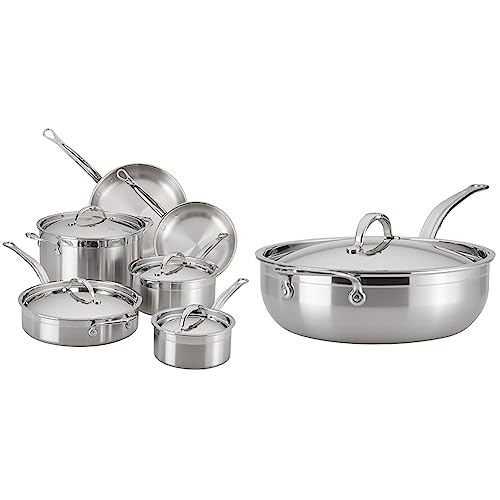
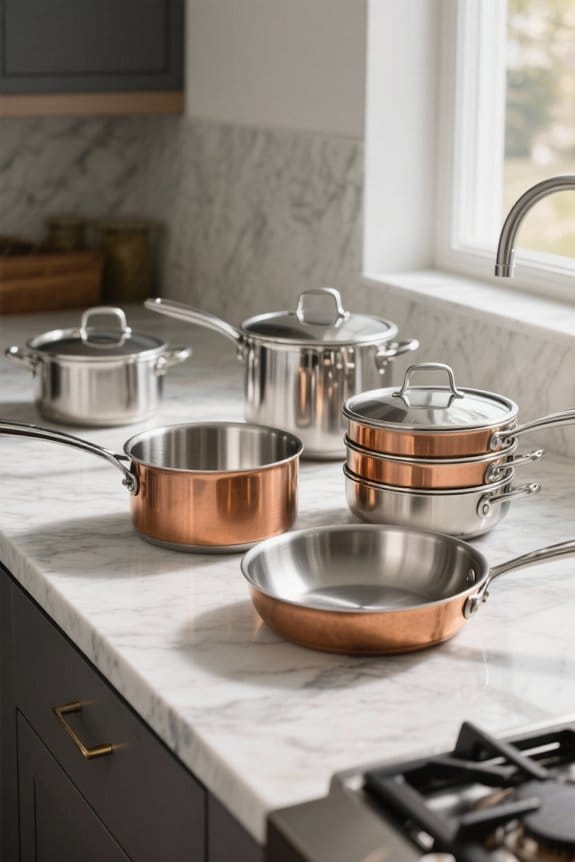
Set includes: 8.5" skillet, 11" skillet, 1.5qt saucepan with lid, 3qt saucepan with lid, 3.5qt saute pan with lid, 8qt stockpot with lid. (Hestan - ProBond Collection - Professional Clad Stainless Steel 10-Piece Ultimate Cookware Set)

Made of copper

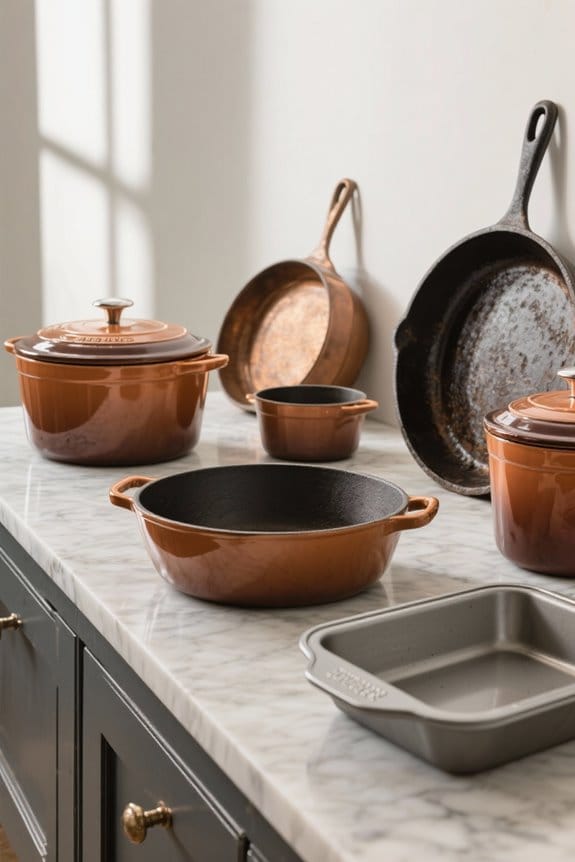
Enameled cast iron delivers superior heat distribution and retention
Consumer Preferences and the Evolution of Cast Iron Cookware
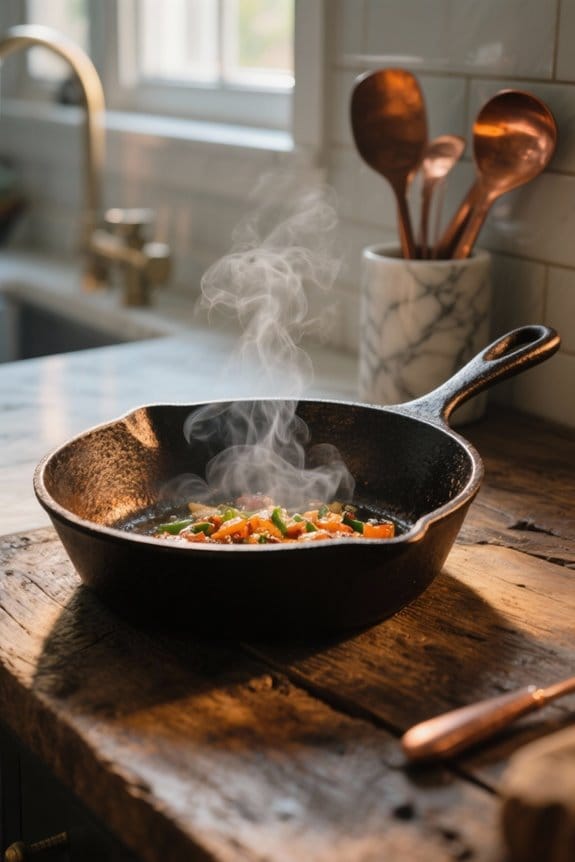
Increasingly, consumers are drawn to pre-seasoned cast iron cookware for its convenience and ease of use. The shift began in the early 2000s, as many sought modern cast iron skillets that offered less maintenance. Brands like Smithey Ironware Co. now deliver smooth, ready-to-use skillets. However, the charm of vintage heirloom pieces remains strong. These older skillets are often polished through DIY methods for improved performance. Popular brands from the past, such as Griswold and Wagner, produced skillets that had distinctive nonstick qualities. As consumer preferences evolve, there is renewed interest in both new and antique cast iron cookware. This trend reflects a growing appreciation for quality and the craftsmanship found in all types of cast iron skillets. With excellent heat retention, cast iron woks and skillets have become favored for high-heat cooking methods, such as stir-frying, showcasing their versatility and durability.
Recommended Products

This is a large cast iron pot with a weight of 20KG/44 pounds
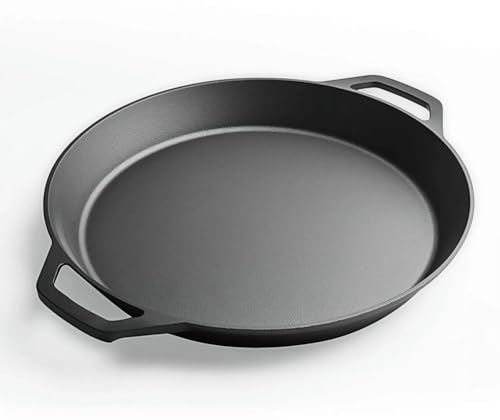
【Durable Nitrided Rust-Resistant Surface】 Experience superior rust resistance without the hassle. Our cast iron pan undergoes a special nitriding treatment, creating a hardened, long-lasting surface that stands up to moisture and heavy use, making it easier to maintain than traditional cast iron.

SMOOTHER & LIGHTER: Field Company cast iron is machine polished using modern methods to replicate the lighter, smoother cast iron pieces produced during the golden age of vintage American cast iron. We dialed in the perfect weight to easily maneuver around the stovetop, oven, and grill, while retaining the heft needed for high-heat searing
Impact of Historical Events on Cast Iron Manufacturing
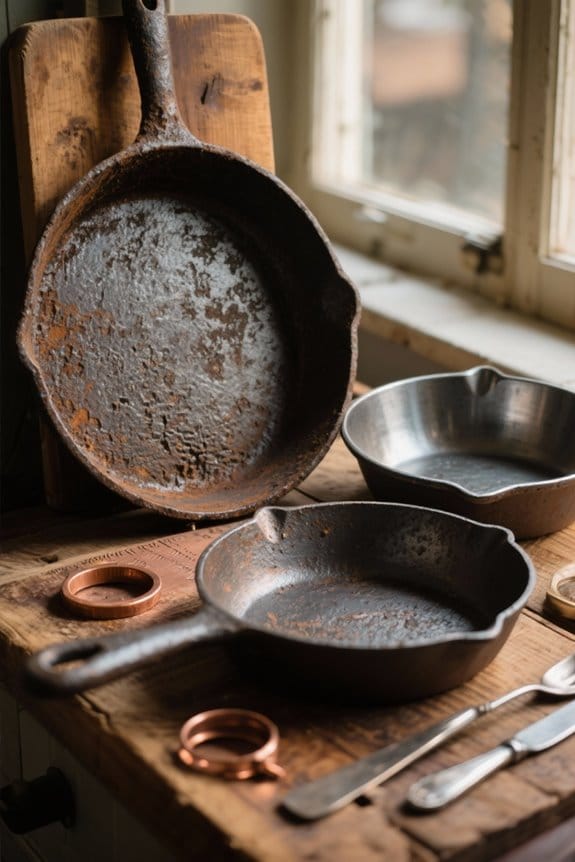
Historical events have greatly shaped the cast iron manufacturing industry in America. The early 17th century saw the establishment of foundries like Saugus Iron Works, producing essential goods. During the Revolutionary War, these foundries shifted focus to support military needs, increasing iron casting demands considerably. The Industrial Revolution further propelled growth, as manufacturers required complex machinery parts, including cast iron rails. In both World Wars, demand surged for military equipment, prompting foundries to experiment with non-ferrous metals, thereby diversifying their output. Following World War II, an economic boom and automation transformed production efficiency. Larger industrial complexes emerged, redefining the landscape of cast iron manufacturing across the country. This history illustrates how external demands shaped the industry’s evolution. The versatility of cast iron allowed various manufacturers to innovate their products, from pizza pans to heavy machinery, showcasing the material’s adaptability and long-term durability.
Innovations in Cast Iron Production Techniques
Innovations in production techniques have transformed the landscape of cast iron manufacturing. The introduction of cupola furnaces in the mid-19th century increased efficiency and production rates quite a bit. This advancement allowed foundries to melt iron more effectively. The Bessemer process, developed in the 1850s, enhanced steel manufacturing and affected cast iron by allowing for intricate steel castings. Improvements in molding techniques, like sandcasting, enabled the creation of lighter and more complex components. Shifting from charcoal to coke in iron smelting by the mid-1800s improved both quality and output. Finally, the introduction of automated techniques in the mid-20th century streamlined production processes. These changes not only lowered labor costs but also boosted overall efficiency in cast iron manufacturing. The versatility in cooking methods of cast iron cookware has further solidified its importance in both historical and modern culinary contexts, allowing it to remain a staple in kitchens.
The Legacy of Cast Iron in Modern Cooking
Cast iron cookware has consistently served as a cornerstone in American kitchens. It connects generations through its reliable performance in frying and baking. Many American brands, such as Griswold, Wagner, and Lodge, have contributed to this legacy, creating cookware that is often passed down as heirlooms. Lodge’s introduction of pre-seasoned cast iron skillets in 2002 made these products appealing and accessible. Modern cooks appreciate enameled cast iron skillets and pots for their versatility. These items improve the iron content of meals and retain heat effectively. The smooth finish of contemporary skillets meets consumer demand for modern usability, blending traditional craftsmanship with current cooking needs. A durable stoneware construction, like that used in CorningWare products, ensures longevity and resistance to wear, making it a valuable addition to any kitchen. This combination guarantees cast iron remains popular in today’s culinary world.
Recommended Products

BUNDLE & SAVE - Field Skillet No.12 Skillet (13 ⅜ inches diameter) and the matching No.12 Cast Iron Lid. Our vintage-style lid design includes self-basting ridges, to ensure even braising and steaming for stovetop and oven cooking.

COMPLETE 18-PIECE CAST IRON SET — What comes in the box? Six-inch, 8-inch, 10-inch, and 12-inch pre-seasoned skillets, a grill pan with lid, flat griddle, pizza pan, dutch oven with pan cover, pan rack organizer, silicone handle covers for every pan, and a pan scraper — every cast iron cooking surface you need in one kit.
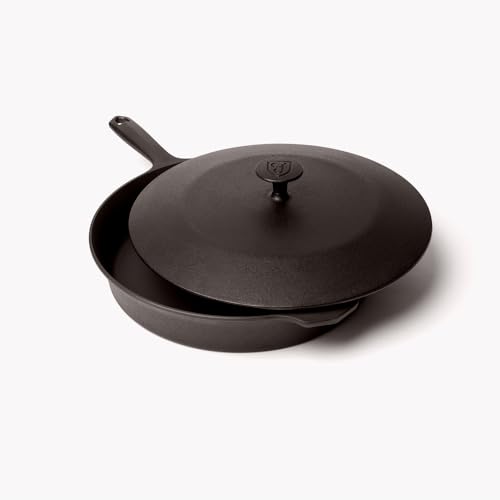
SMOOTHER & LIGHTER: Field Company cast iron is machine polished using modern methods to replicate the lighter, smoother cast iron pieces produced during the golden age of vintage American cast iron. We dialed in the perfect weight to easily maneuver around the stovetop, oven, and grill, while retaining the heft needed for high-heat searing
The Future of American Cast Iron Manufacturing
As consumers focus more on durability and sustainability, the future of American cast iron manufacturing looks promising. Innovations like pre-seasoned and enameled products enhance convenience while appealing to modern buyers. Family-run companies, such as Lodge Manufacturing and Smithey Ironware Co., prioritize handcrafted quality. This commitment reflects a connection to traditional practices. There is a growing appreciation for cast iron skillets as heirloom pieces. They represent a cultural shift toward valuing durability and heritage. The integration of sustainable practices is also significant. Manufacturers are increasingly using recycled materials and eco-friendly methods. High-quality cast iron ensures excellent heat retention and even cooking across various methods. In addition, the international market for high-quality American cast iron cookware continues to grow. This trend showcases the global appeal of American craftsmanship and durability in cooking tools.
Recommended Products

Versatile Cast Iron Skillet: This top-quality cast iron skillet is the most versatile pan you'll ever own—sear, bake, grill, and more with absolute ease

BUNDLE & SAVE - Field Skillet No.8 Starter Set includes a No.8 Skillet, Our Cast Iron Care Kit, and the matching No.8 Cast Iron Lid.

Includes: 8" Seasoned Blue Carbon Steel Frying Pan | 10" Seasoned Blue Carbon Steel Frying Pan | 12" Seasoned Blue Carbon Steel Frying Pan
Frequently Asked Questions
Recommended Products


Caraway 8in + 10in Fry + 12in Fry Set (no lids) + 3Qt+ 4.5Qt Saute Duo Black

One quality comment vendor mail not required
When Was Cast Iron Made in the USA?
As the saying goes, “where there’s a will, there’s a way.” Cast iron was first produced in the USA during the 17th century, utilizing innovative manufacturing techniques for early uses in construction and tools.
What Is the Oldest Cast Iron Cookware Company in the US?
Griswold Manufacturing, the oldest cast iron cookware company in the U.S., remains a favorite brand among enthusiasts. Its design innovations and expert maintenance tips enhance cooking techniques, ensuring quality and tradition persist in culinary practices.
Who Made the First Cast Iron Skillet?
In the grand tapestry of cast iron evolution, Robert Faulkner emerged as a pioneer, crafting the first skillet that forever changed cooking techniques. His work has since captivated antique collectors who cherish exquisite skillet craftsmanship.
What Is the History of Cast Iron?
The history of cast iron dates back to ancient techniques, evolving considerably during the Industrial Revolution. This period introduced cookware innovations, such as better foundry processes, leading to the widespread popularity and diverse applications of cast iron.