As an Amazon Associate, we earn from qualifying purchases. Some links on this site are affiliate links at no extra cost to you. Our recommendations are based on thorough research and editorial judgment.

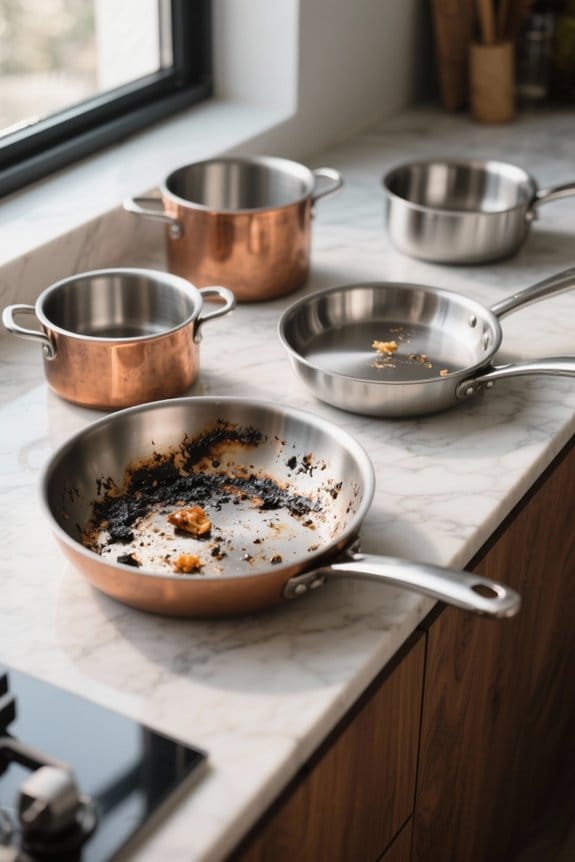
How to Remove Burnt Food From Stainless Steel Pans

To remove burnt food from stainless steel pans, start by scraping off residue while warm. Boil a mixture of water and white vinegar or dish soap for 10-15 minutes to loosen stubborn food. For tough stains, create a baking soda paste and let it sit. Crumpled aluminum foil can be used for additional scrubbing power. Regular cleaning and gentle agents help maintain the pan’s surface. Further techniques for stubborn stains can be discovered with advanced cleaning tips.
Key Takeaways
- Boil a mixture of water and vinegar or dish soap in the pan for 10-15 minutes to loosen burnt food.
- Create a baking soda paste, apply it, and let it sit before scrubbing for tough stains.
- Use crumpled aluminum foil with baking soda for stubborn burnt-on residue.
- Soak the pan overnight with a dryer sheet in water to help lift burnt particles.
- Always scrub along the grain of the stainless steel to prevent scratching during cleaning.
Effective Cleaning Methods for Burnt Stainless Steel Pans
You may be interested


When faced with burnt food on stainless steel pans, several effective cleaning methods can restore their shine. The aluminum foil method proves to be highly efficient, requiring minimal effort. Simply crumple a piece of aluminum foil and scrub the burnt areas. For tougher stains, a paste made from baking soda and water can be used, although this may require more time. Boiling water mixed with white vinegar or baking soda helps loosen burnt residue. This cleaning method is particularly effective for stubborn stains. Additionally, dishwasher tablets act as an effective tool when combined with warm water, providing both detergent and scrubbing power. Nonstick pans, like those from Blue Diamond, offer a durable and toxin-free cooking surface that helps prevent food from sticking and burning. Each of these techniques offers a reliable strategy for tackling burnt food on stainless steel.
Recommended Products

[ You Will Receied ] 1pcs steel wool scrubber and 4pcs steel cleaning pads for replacement, which are easy to scrubbing stains and grease on kitchen appliances, as well as rust on various pot bottoms, making them shiny like new. In addition, you can use it combination with stainless steel cleaner to achieve better cleaning and improve cleaning efficiency

Bar Keepers Friend Cookware Cleanser & Polish is a stainless steel cleaner and degreaser for pots, pans, and bakeware; This product's powerful grease remover cuts through oil, baked on food, mineral deposits, and rust stains; Safe for use on all stainless steel cookware, including All-Clad stainless steel pots and pans, and glass lids; This versatile cleaner is also safe to use for cleaning stainless steel sinks, porcelain sinks, steel grills, and other surfaces

Remove Stains & Tarnish: Bar Keepers Friend Cookware Cleanser & Polish is a kitchen stainless steel cleaner and degreaser for pots, pans and bakeware. This stain remover and glass cleaner cuts through heavy oil, hard baked-on food and rust stains
Essential Tools and Supplies for Cleaning
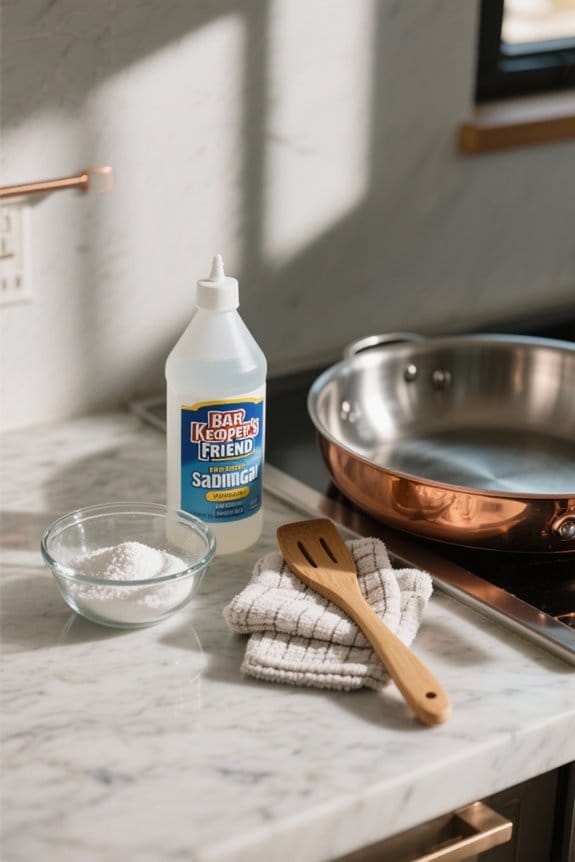
Cleaning burnt stainless steel pans requires specific tools and supplies to achieve the best results. Essential items include a long-handled dish brush and a Scotch-Brite scouring pad. Gentle dish soap, like Seventh Generation Natural Dish Liquid, effectively removes stuck food particles without damaging the surface. For stubborn stains, Bar Keepers Friend or baking soda can scrub residues and enhance the pan’s shine. Coarse salt also aids in this cleaning process. Cleaning gloves protect hands from harsh chemicals and scrubbing. Keep a towel or oven mitts handy for safely handling hot pans. A spatula or paper towels can remove excess oil before starting. Finally, consider using a dryer sheet when soaking to further loosen burnt on residue. For those considering nonstick alternatives, choosing pans with diamond-infused surfaces can enhance longevity and ease of cleaning.
Recommended Products

THREE DISH SCRUBBERS: This pack of Scotch-Brite Stainless Steel Scrubbers includes 3 scrubbers

Powder cleanser for stainless and aluminum cookware

12 oz (340g) Powder Cleaner for Stainless Clad Pots and Pans
Step-by-Step Instructions for Stubborn Stains
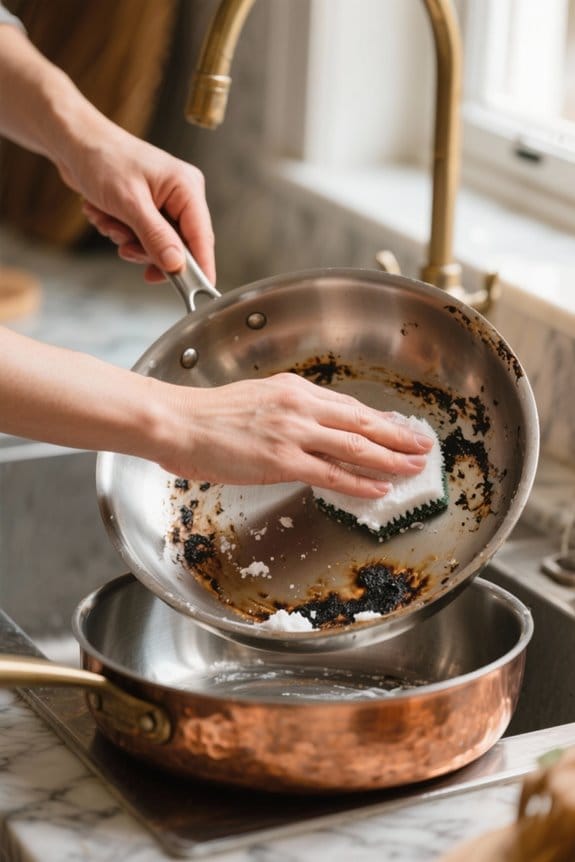
Burnt food can be a common issue with stainless steel pans, requiring a systematic approach for effective removal. Begin by scraping off as much burnt food as possible with a spatula while the pan is still warm. For stubborn stains, boil a mixture of water and vinegar or dish soap in the pan for 10-15 minutes to loosen burnt-on food. Create a paste from baking soda and water, apply it to the stained areas, and let it sit for a few minutes. Then, scrub gently with a non-abrasive pad. For tougher stains, use crumpled aluminum foil with baking soda. Finally, soaking the pan overnight with a dryer sheet and water can help remove remaining stubborn stains, easing the cleaning process. Using pans with 5-ply construction ensures better heat distribution, which can help prevent food from burning in the first place.
Recommended Products

Mrs. Meyer’s Baking Soda Cream Cleaner removes soap scum and grease build-up to make your kitchen sparkle

All Purpose Cleaner for Everyday Cleaning: Concentrated powder cleanser eliminates stubborn rust stains, cuts through heavy baked-on grease, burnt pots and pans, and removes hard water mineral deposits. This oxalic acid formula works without bleach to restore shine to stainless steel, porcelain, ceramic tile, and aluminum - no dilution needed, just sprinkle onto a wet surface
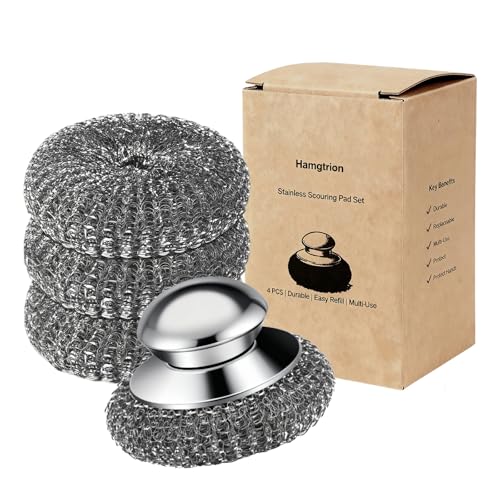
【Upgraded Design with Handle for Safe & Effortless Cleaning】 Say goodbye to messy hands and wasted pads! Our innovative steel wool scrubber features a comfortable handle, offering a secure grip and protecting your hands from grease and debris. This stainless steel scrubber is the ultimate replacement for traditional, unwieldy metal scrubber pads, making tough cleaning tasks simple and hassle-free.
Tips for Maintaining Your Pans
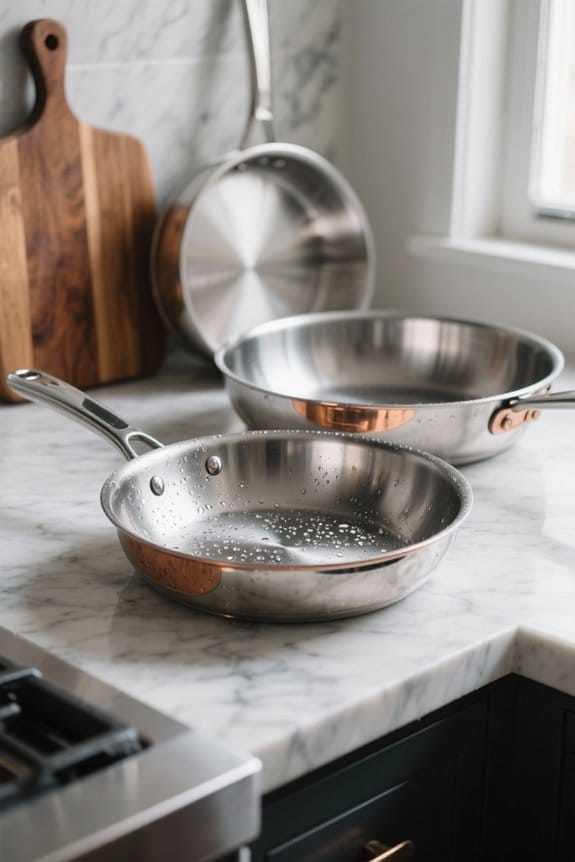
To maintain stainless steel pans effectively, it is critical to prioritize regular cleaning after each use. This prevents food residues from hardening. Use gentle cleaning agents like dish soap to avoid dulling the pan’s surface. After washing, rinse and dry the pans immediately to maintain shine and prevent water spots. Store your pans properly by avoiding stacking whenever possible. If stacking is necessary, place soft cloths between pans to prevent scratches. Additionally, occasionally use a stainless steel cleaner to restore luster and remove minor stains. Heavy-gauge stainless steel provides impressive strength and is resistant to staining and rusting, which contributes to the pans’ durability. Following these tips will guarantee that stainless steel pans remain functional and visually appealing for years to come, enhancing their lifespan and overall performance.
Recommended Products

Effective Multi-Surface Cleaning: The Pink Stuff Cream Cleaner is formulated to tackle dirt, grime, and stains on various surfaces, delivering powerful cleaning results while...
Common Mistakes to Avoid When Cleaning
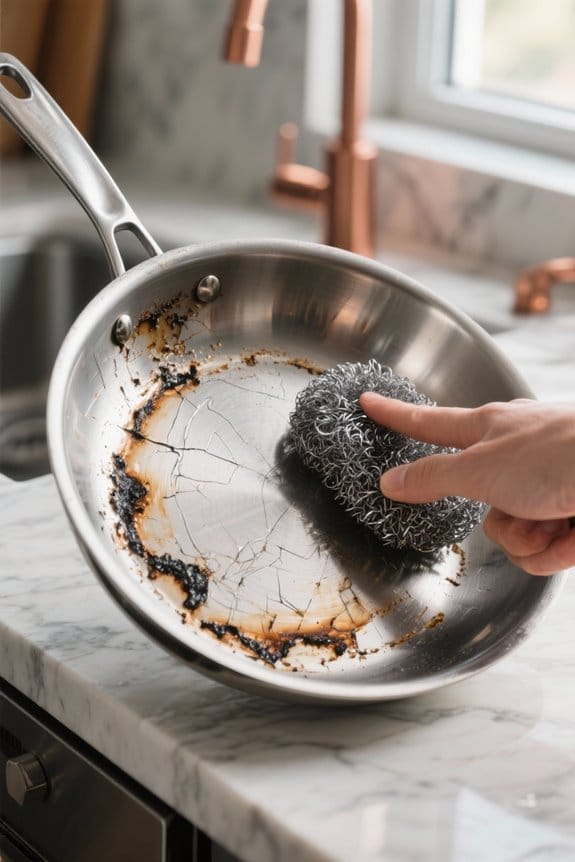
Many individuals make common mistakes when cleaning stainless steel pans that can lead to damage. It is essential to avoid using harsh chemicals, such as bleach or ammonia, as they can weaken the material integrity. Additionally, do not scrub aggressively with metal tools like steel wool, as this can scratch and alter the pan’s finish. Steer clear of leaving abrasive cleaners on the pans for extended periods. These can cause discoloration and dullness. It is also important to refrain from abrupt temperature changes, which can result in lasting damage. Always follow the grain of the stainless steel when scrubbing to minimize scratches and maintain the surface’s appearance while employing effective burn stain removal methods. For those seeking a quality roasting experience, consider using an E-far Stainless Steel Roasting Pan with its heavy gauge construction that resists warping and twisting.
Recommended Products

Roaster Roasting Pan with Racks and Handles Come with 2 Large/Small size 12.7"15.5" Roasting Pans, 2 Large/Small racks for each pan, Contains grip beside, easy to access when take the food out from the oven, also avoid slipping ,while the sturdy handle ensures easy carrying.the thick and firm welding wires and elevated feet for lifting food easily, help the heat completely circulate for even baking.

Safe & Non-Toxic Material: Armorbear roasting pan is crafted from premium, heavy-duty stainless steel that is 100% PFOA and PFAS-free, ensuring a safe, toxic-free cooking environment for your entire family.

EXCEPTIONAL DESIGN: The Cuisinart 16-inch rectangular roaster is made with a high-performance stainless steel exterior and riveted stainless steel handles. The steel rack is large enough to handle a big Thanksgiving turkey and perfect for slow-roasting root vegetables
Frequently Asked Questions
How to Get Stuck Burnt Food off a Stainless Steel Pan?
To remove stuck food from a stainless steel pan, utilize cleaning techniques like boiling water, baking soda paste, or a vinegar solution. Employ gentle scrubbing with scouring pads, and consider oil application or salt scrub for better results.
Do Burn Marks Come off of Stainless Steel?
Yes, burn marks can come off stainless steel with effective cleaning methods. Proper cookware care involves using gentle abrasives and natural solutions to tackle burnt food, ensuring effective stain removal without damaging the cookware surface.
Is a Burnt Stainless Steel Pan Ruined?
A burnt stainless steel pan is not ruined; effective cleaning techniques and safe scrubbing can restore it. Proper pan maintenance enhances cookware longevity, and kitchen hacks guarantee effective appliance care while prioritizing food safety and stainless steel care.
Does Vinegar Damage Stainless Steel Pans?
Vinegar, when diluted, benefits stainless steel care as a safe ingredient in eco-friendly cleaning methods, promoting cookware longevity. However, excessive use risks pitting, emphasizing the importance of proper rinsing for food safety and kitchen maintenance.