As an Amazon Associate, we earn from qualifying purchases. Some links on this site are affiliate links at no extra cost to you. Our recommendations are based on thorough research and editorial judgment.

Understanding Food-Safe Temperature Ratings

Food-safe temperature ratings determine the proper cooking and storage temperatures to prevent foodborne illnesses. Safe minimum internal temperatures vary for different foods. For example, poultry should always reach 165°F (74°C), while ground meats must reach 160°F (71°C). Foods should be kept out of the danger zone, which is between 40°F (4°C) and 140°F (60°C) to limit bacterial growth. Understanding these standards is essential for safe food preparation and consumption. More detailed information follows.
Key Takeaways
- Safe minimum internal temperatures, like 145°F for steaks and 165°F for poultry, prevent foodborne illnesses by eliminating harmful bacteria.
- The danger zone, between 40°F and 140°F, is where bacteria multiply rapidly; foods should not remain in this zone for over two hours.
- Food thermometers are essential for verifying safe cooking temperatures, and the probe should be placed in the thickest part of the food.
- Regular calibration of food thermometers and thorough cleaning after use are crucial to ensure accurate readings and prevent cross-contamination.
- Keeping perishable items below 40°F and hot foods above 140°F is essential for slowing bacterial growth and maintaining food safety.
Importance of Food Safety Temperature Ratings
You may be interested



Food safety temperature ratings are essential in the kitchen, as they guide safe cooking practices. These ratings specify the safe minimum internal temperature needed to eliminate harmful foodborne bacteria. Proper cooking temperatures prevent illnesses that arise from undercooked food. For meats, it is critical to follow these specific temperatures: 145°F (63°C) for steaks and roasts, 160°F (71°C) for ground meats, and 165°F (74°C) for poultry. The danger zone for food is between 40°F (4°C) and 140°F (60°C), where bacteria can grow. Using food thermometers guarantees food has reached the appropriate safe minimum internal temperatures. This practice greatly reduces the risk of foodborne illnesses, making it a crucial step in food safety. It’s important to ensure that your cookware, such as stainless steel, can withstand these temperatures safely to maintain both food safety and the longevity of your kitchen equipment.
Safe Minimum Internal Temperatures for Various Foods
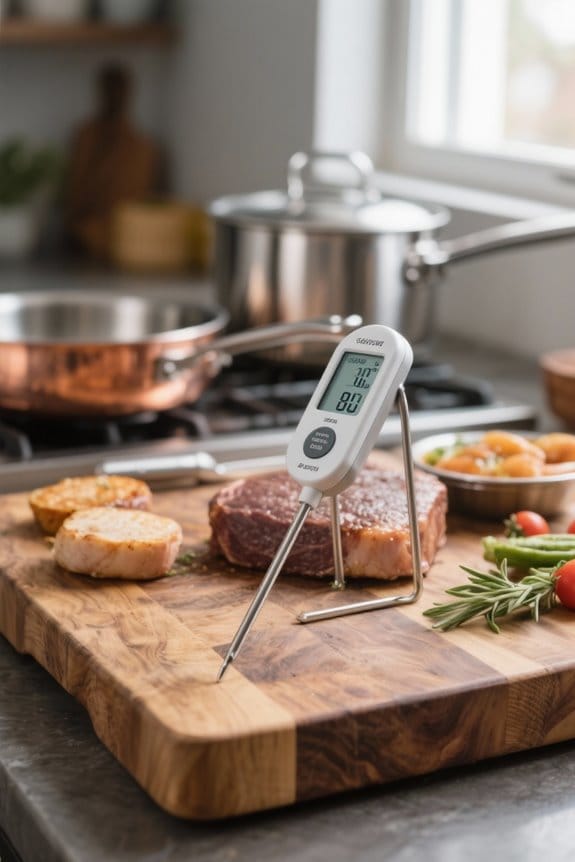
Cooking meat and other foods to safe minimum internal temperatures is essential for health. Steaks, roasts, and chops should be cooked to at least 145°F (63°C) and rested for 3 minutes. Ground meats, like beef and pork, must reach 160°F (71°C) to kill harmful bacteria. Poultry, including whole chickens and ground poultry, requires cooking to 165°F (74°C) for food safety. Fish, whether whole or filleted, should also be cooked to a minimum of 145°F (63°C) until the flesh is opaque. Additionally, casseroles and mixed dishes should achieve an internal temperature of 165°F (74°C) to guarantee that all ingredients are fully cooked. Following these safe minimum internal temperatures reduces the risk of food poisoning. It is important to use tempered glass pie plates, as they provide even heat distribution and can withstand high temperatures, ensuring that baked goods reach the necessary internal temperatures safely.
The Danger Zone and Its Implications
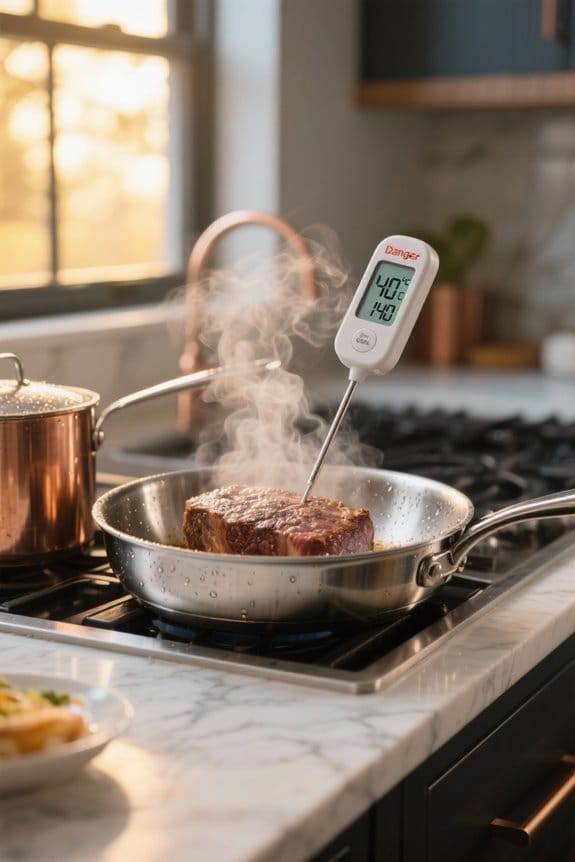
Maintaining food safety requires awareness of the danger zone, a critical temperature range for perishable items. This zone is defined as temperatures between 40°F (4°C) and 140°F (60°C). Within this range, harmful bacteria can thrive and multiply rapidly. Foods should not remain in the danger zone for more than two hours to reduce the risk of foodborne illness. In fact, bacteria can double in number every 20 minutes when food is kept in this temperature range. To guarantee food is safe for consumption, refrigerated items must stay below 40°F (4°C), while hot foods should be kept above 140°F (60°C). Understanding and avoiding the danger zone is essential for both home cooks and food service operations. Proper heat distribution in cooking equipment ensures evenly cooked meals, reducing the risk of undercooked food that could fall into the danger zone.
Recommended Cooking Temperatures for Meat
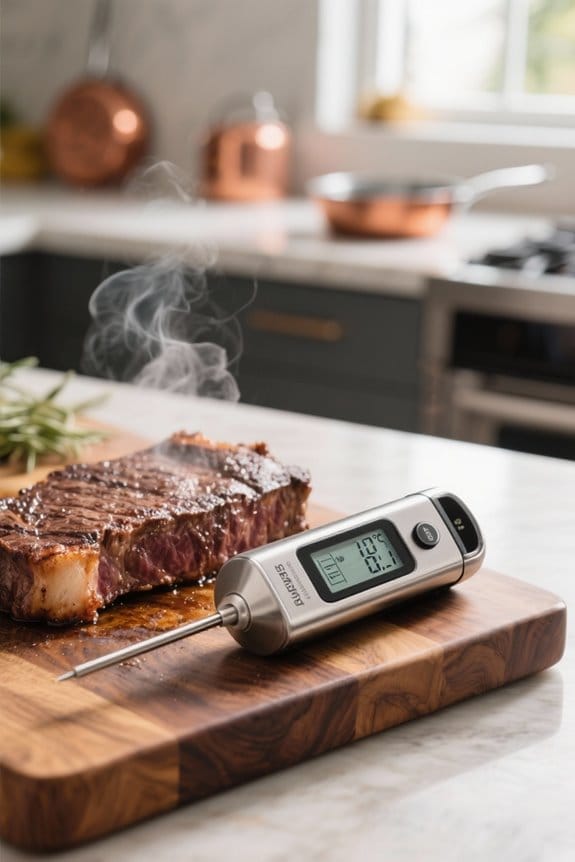
Confirming meat is cooked to the correct temperatures is essential for food safety. Steaks, roasts, and chops should reach an internal temperature of 145°F (63°C) and rest for 3 minutes before serving. Ground meats, including beef and lamb, must be cooked to a minimum of 160°F (71°C) to kill harmful bacteria. Whole chickens, turkeys, and ground poultry require an internal temperature of 165°F (74°C) to prevent foodborne illness. Fish should be cooked to 145°F (63°C), showing opaque flesh that flakes easily with a fork. Casseroles and mixed dishes must also heat to 165°F (74°C) for safe consumption. Using a food thermometer helps confirm these temperatures are accurately reached, promoting the safety of all raw meat preparations. Additionally, double-wall insulation in stainless steel casseroles helps maintain the desired temperature of your dishes, ensuring that your cooked meals stay hot or cold for extended periods.
Recommended Products

Precise Temperature Control: Each oven is equipped with manual controls and a mechanical thermostat, this oven allows you to easily set temperatures from 150°F to 500°F, perfect for a wide range of cooking tasks.

High-Capacity Compact Design: With a 23-7/8" height and stacking capability, this oven offers increased cooking capacity without sacrificing space.

Maximized Cooking Capacity: The stacking kit allows for double stacking of ovens, increasing cooking capacity without occupying additional floor space.
Poultry Cooking Guidelines
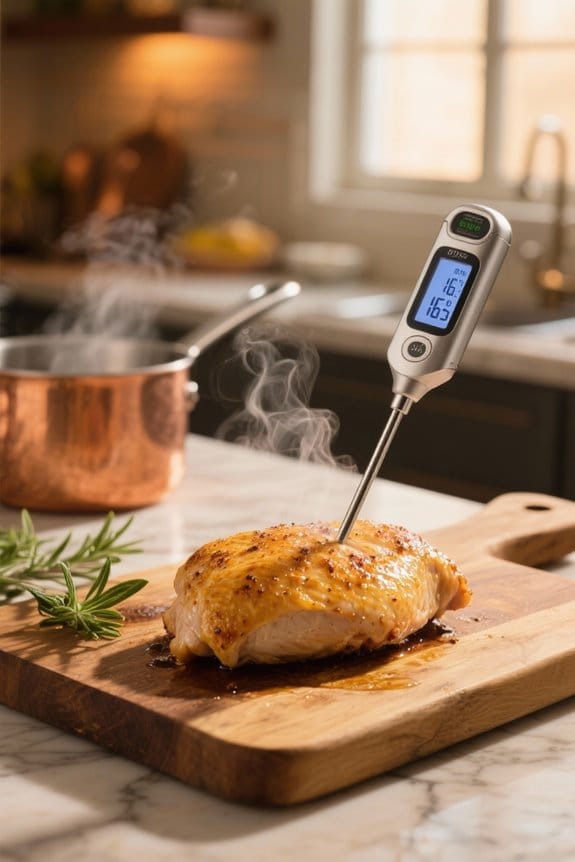
When preparing poultry, it is vital to cook it thoroughly to prevent foodborne illness. Whole chickens and turkeys must reach an internal temperature of 165°F (74°C) to guarantee safety from harmful bacteria. This temperature applies to all parts of poultry, including breasts, legs, thighs, wings, and giblets. Ground poultry also requires cooking to 165°F (74°C) to eliminate risks associated with raw foods. Sausages and stuffing cooked within the poultry should achieve this minimum temperature as well. Using a food thermometer is important for accurately checking the internal temperature of poultry. Nonstick coatings, which are designed for safe high-temperature use, can also be utilized in oven settings when cooking poultry, but it’s crucial to verify the temperature limits specific to each pan to ensure safety. Confirming proper cooking can effectively safeguard against bacteria and make sure that the food served is safe for consumption, minimizing the risk of foodborne illnesses.
Recommended Products

31.5x31.5x53in Stainless Steel Structure: This is 31.5x31.5x53in(800x800x1350mm) large charcoal duck roaster oven and adopt two-double stainless steel as the material. The interlayer is heat preserving asbestos. So duck roasting machine is very durable and good heat preserving effect.

PREMIUM QUALITY BARREL - Built with 304 Stainless Steel: Crafted from high-grade food-safe 304 stainless steel designed to reduce smoke generated by 85%, this vertical smoker barrel delivers unmatched durability, corrosion resistance, and superior heat retention. Elegant wood accents add a premium touch.
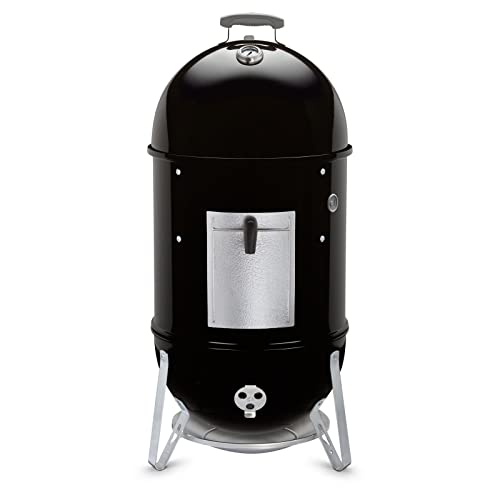
Charcoal smoker for authentic smokehouse flavor at home
Fish and Seafood Temperature Standards
Cooking fish and seafood to the correct temperature is key to ensuring safety and preventing foodborne illnesses. According to the food temperature chart, fish should be cooked to an internal temperature of 145°F (63°C). At this temperature, the flesh becomes opaque and flakes easily when tested with a fork. For shellfish, shrimp, lobster, crab, and scallops are ready when their flesh turns pearly or white. Clams, oysters, and mussels should be cooked until their shells open, indicating they are safe food. Proper cooking of seafood not only enhances its flavor but also considerably reduces the risk of foodborne illness by eliminating harmful bacteria. Following these guidelines is essential for a safe dining experience. Additionally, using heavy-duty materials in cookware can improve heat distribution, ensuring even cooking of seafood.
Recommended Products
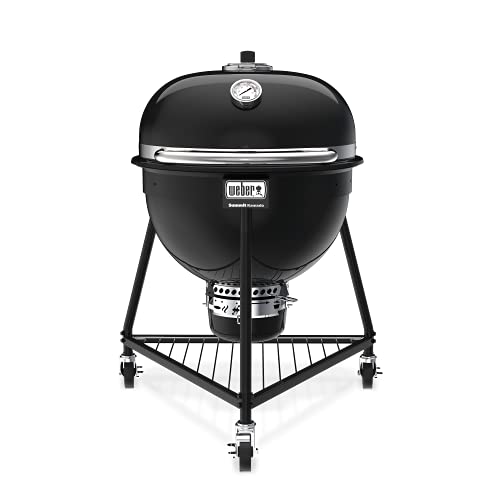
Dual-walled insulation for precise, quick temperature changes
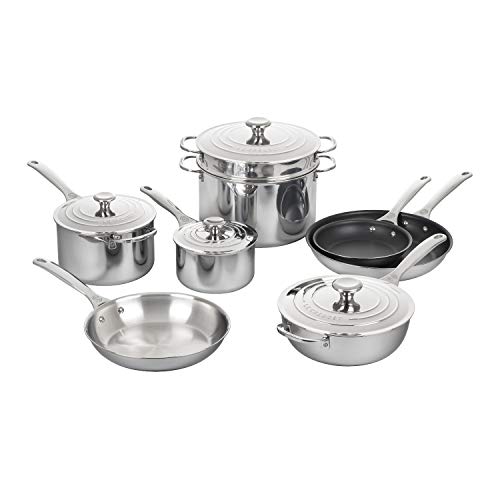
Triple layer construction with a full aluminum core from base to rim for superior heat distribution

Concord Stainless Steel Stockpot with Lid and Basket. Heavy Gauge
Casserole and Mixed Dish Temperature Requirements
Casseroles and mixed dishes must reach an internal temperature of 165°F (74°C) to confirm safety. This temperature is essential for eliminating harmful bacteria that can cause foodborne illness. Using a food thermometer is important for verifying the internal temperature. Casseroles can vary in thickness, which affects how heat penetrates the dish. Proper cooking times as indicated in recipes should be strictly followed. This adherence minimizes the risk of food safety issues. It is also important to allow casseroles to rest after cooking. This resting period helps maintain the appropriate temperature and guarantees even heat distribution. Confirming thorough cooking throughout the dish promotes a safe dining experience and decreases the likelihood of foodborne illness. Additionally, selecting non-toxic and durable materials like ceramic or tempered glass for your casserole baking dish ensures reliable performance and safety.
Recommended Products

4-quart oval roaster for roasting, baking, serving, and storing

Stylish, versatile dish for roasting, baking, braising

Extremely resilient to temperature changes; can be used on stovetop or in the oven, fridge or freezer
Best Practices for Food Safety and Temperature Management
Food safety and temperature management are fundamental aspects of handling and preparing meals. To minimize the risk of foodborne illness, safe cooking temperatures must be adhered to without exception. Ground poultry should reach at least 165°F (74°C) to eliminate harmful bacteria. Casseroles and mixed dishes also need to achieve an internal temperature of 165°F. Properly monitoring food temperatures is essential. Items should not remain in the danger zone, between 40°F and 140°F, for more than two hours. Additionally, food storage is critical; perishable items should be kept below 40°F (4°C) to slow bacterial growth. Using a food thermometer guarantees proteins are cooked thoroughly and enhances overall food safety and quality. Nonstick surfaces on roasting pans are designed to facilitate easy food release and cleanup, thereby maintaining the quality and safety of cooked meals.
Effective Use of Food Thermometers
Using a food thermometer is vital for confirming that meat and other dishes reach safe cooking temperatures. Food thermometers must be calibrated regularly to guarantee accurate readings. The thermometer probe should be inserted into the thickest part of the food while avoiding bone, fat, or gristle. This approach helps verify the true internal temperature. Different types include digital instant-read, dial, and probe thermometers, each suited for specific tasks. For accurate results, insert the thermometer for 15 seconds and wait for the reading to stabilize. After using a food thermometer, it is important to clean it thoroughly with hot, soapy water. This practice prevents cross-contamination and reduces the risk of foodborne illness, confirming safe cooking temperature compliance. A non-stick coating on grill pans can simplify cleaning and prevent food from sticking, enhancing your overall cooking experience.
Recommended Products

The information below is per-pack only

Product 1: Efficient: Over 60 refrigerant profiles, precise pressure and temperature measurements, as well as superheat and subcooling calculation make the testo 550s the tool for every HVAC job

518 Square inches of cooking space
Frequently Asked Questions
What Is the 2 2 4 Rule for Food Safety?
The 2 2 4 rule for food safety insists that cooked food, subjected to the whims of time, should not linger beyond two hours unrefrigerated, ensuring food preparation and temperature monitoring keep bacterial foes at bay during safe storage.
What Is the 2 2 2 Rule for Food?
The 2 2 2 rule for food emphasizes effective food handling by recommending that perishable items not remain at room temperature for over two hours, aiding in temperature monitoring and ensuring safe storage to prevent contamination.
How Long Can Food Sit Out at 70 Degrees?
Food safety guidelines advise that food should not sit out at 70 degrees Fahrenheit for more than two hours. Room temperature precautions are necessary to control bacteria growth rates and guarantee safe food storage practices.
What Are Food Safe Temperatures?
“An ounce of prevention is worth a pound of cure.” Food-safe temperatures prevent bacteria growth and food parasites. Safe cooking requires adhering to specific temperature zones: 165°F for poultry, 145°F for meats, ensuring healthful consumption.