As an Amazon Associate, we earn from qualifying purchases. Some links on this site are affiliate links at no extra cost to you. Our recommendations are based on thorough research and editorial judgment.

How Steam Affects Cooking in Covered Pots

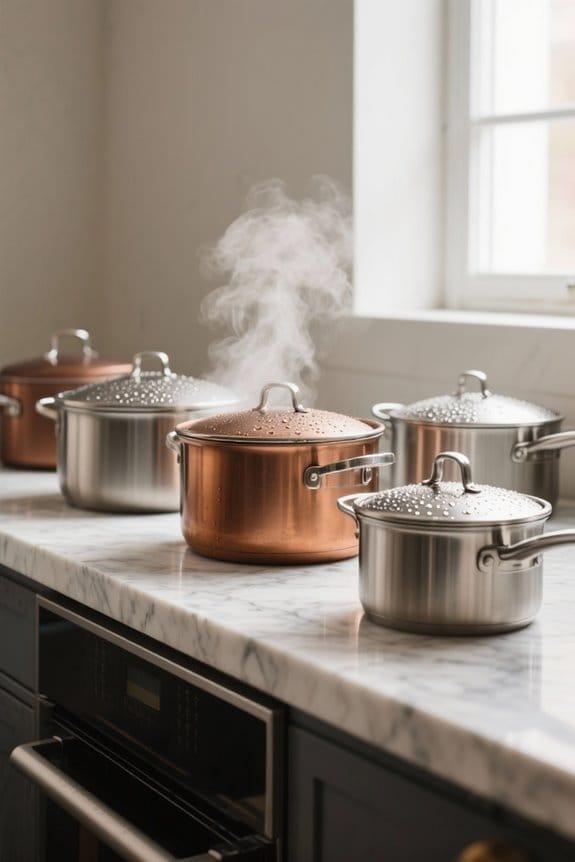
Steam enhances cooking efficiency in covered pots. It promotes even heat distribution and retains moisture, guaranteeing food remains flavorful. The steam generated elevates cooking temperatures, which speeds up the cooking process. Covered pots prevent evaporation and maintain consistent temperatures, ideal for delicate items. They also aid in tenderizing proteins and preserving nutrients. Regular maintenance, like cleaning steam vents, upholds peak performance. For further insights on cooking techniques and tips, more detailed information is available.
Key Takeaways
- Steam enhances heat transfer in covered pots, ensuring even cooking and reducing cooking times significantly.
- Trapping moisture with a lid retains nutrients and flavors, promoting vibrant colors in vegetables and juicy textures in meats.
- Higher steam temperatures help break down tough fibers in meats, yielding tender results quicker than conventional cooking methods.
- Covered pots minimize evaporation, allowing for richer flavors to meld in soups and stews while also conserving energy.
- Regular maintenance of steam vents and pot cleanliness is crucial for optimal steam flow and cooking efficiency.
The Role of Steam in Cooking
You may be interested
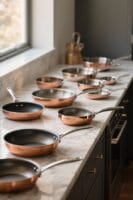
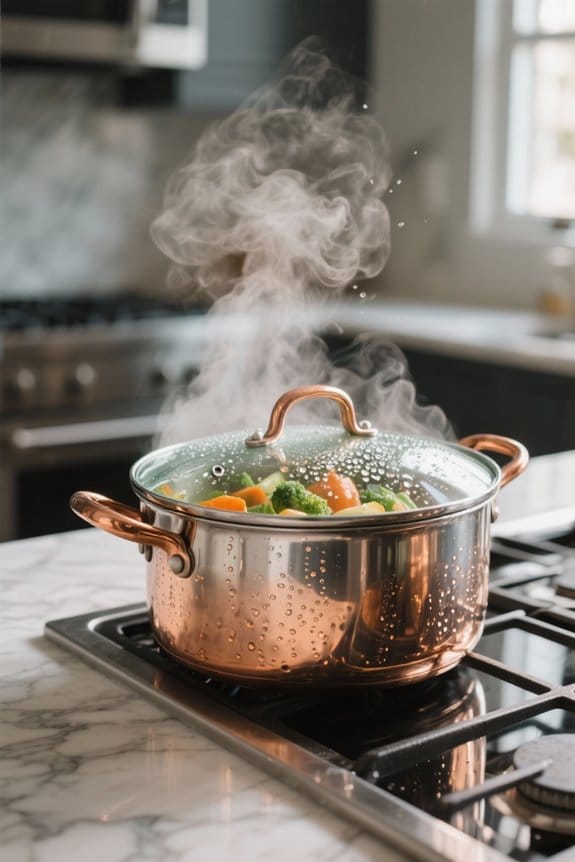
Steam plays an essential role in the cooking process. It acts as a medium for heat transfer, allowing food to cook evenly. When covering pots, steam inside elevates the cooking temperature beyond the standard boiling point. This leads to faster cooking times and better flavor integration among ingredients. The humid environment created by steam is particularly beneficial for breaking down tough fibers in meats during braising. This results in more tender and flavorful dishes. In the case of vegetables, steam softens them while preserving their nutrients and vibrant colors. Additionally, covering pots traps steam, minimizing evaporation. This guarantees that sauces, soups, and stews maintain their intended consistency and rich flavors throughout the cooking process. Enamel-coated cookware, like the Overmont Dutch oven, enhances the retention of steam, ensuring even better cooking results.
Benefits of Using Covered Pots
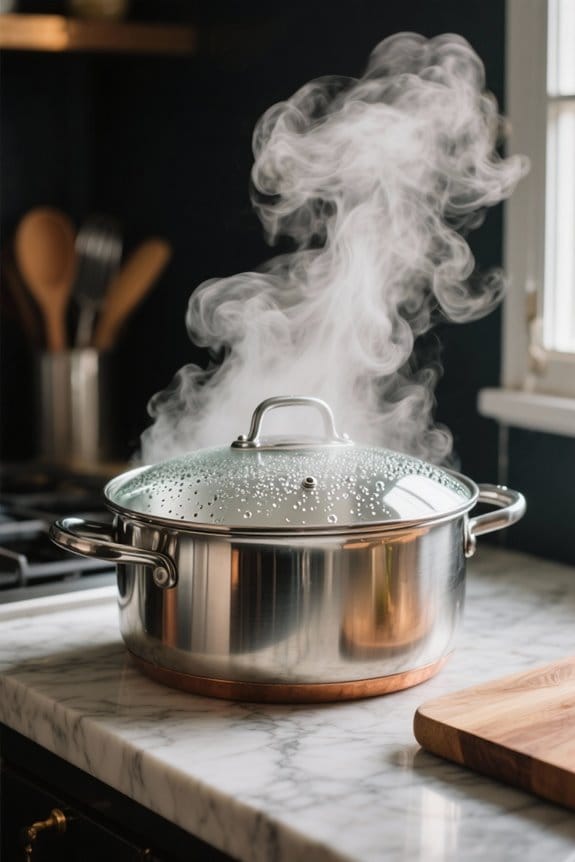
Using covered pots in cooking provides significant advantages that enhance overall meal preparation. Covered pots trap steam and moisture, allowing food to cook more evenly and quickly. This is particularly useful for soups and stews, as it prevents excessive evaporation and helps flavors meld together. The steam also aids in breaking down tougher cuts of meat during braising, enhancing tenderness by using moist heat. In addition, covering pots helps maintain consistent temperatures, which is essential for cooking delicate items like fish or rice. By efficiently trapping heat and moisture, covered pots reduce cooking times and energy consumption, making them an effective choice for energy-efficient meal preparation. These benefits make covered pots a valuable tool in any kitchen. Additionally, using induction-compatible pots can further enhance energy efficiency by heating up faster and using less energy.
Recommended Products

Enjoy professional cooking with this 14 piece cookware set which includes 10 inch and 12 inch Fry Pans, 2 Quart and 3 Quart covered Sauce Pans, 3 Quart and 6 Quart covered Sauté Pans, 12 inch covered chef’s pan and an 8 quart covered stockpot

14 piece cookware set includes 8 and 10-inch fry pans, 2 and 3 quart covered saucepans, 3 quart covered sauté pan, 4 quart covered soup pot, 6 quart covered sauté pan, 12 inch covered chef's pan with lid, and an 8 quart covered stockpot.
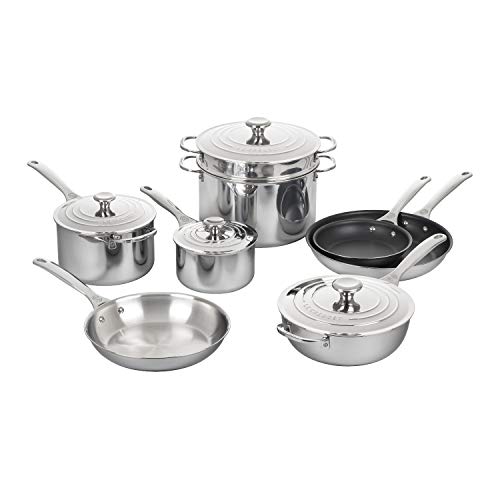
Triple layer construction with a full aluminum core from base to rim for superior heat distribution
Effects of Temperature on Cooking Efficiency
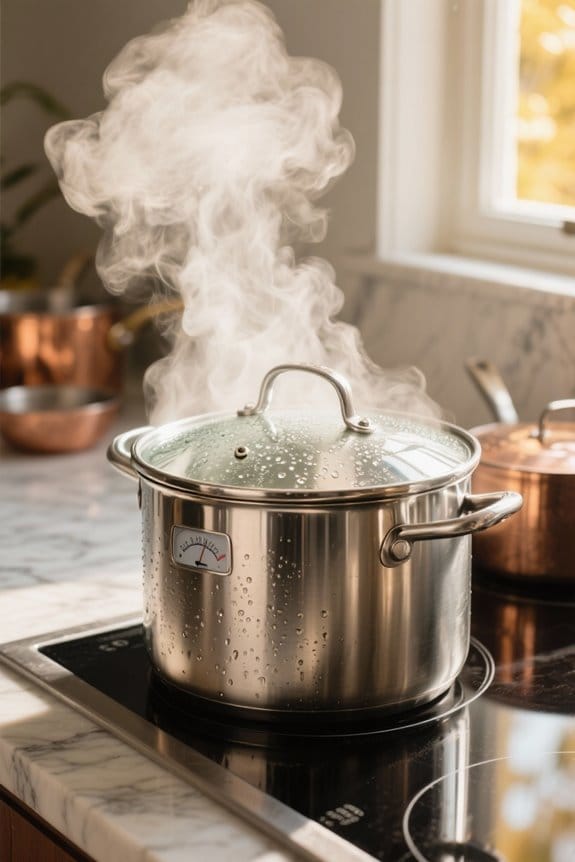
Temperature plays a crucial role in cooking efficiency. Higher temperatures in covered pots generate more steam, enhancing heat distribution. This guarantees food cooks evenly and faster. The moisture retained inside the pot helps prevent drying, improving the texture and flavor of dishes. In a pressure cooker, the temperature can rise considerably above boiling point. This is beneficial for cooking tougher cuts of meat and dense vegetables more thoroughly. Covering the pot minimizes heat loss, requiring less energy to maintain consistent cooking temperatures. As a result, optimal cooking temperatures facilitate faster breakdown of collagen in meats. This process yields tender and flavorful outcomes more quickly than traditional dry cooking methods. Overall, proper temperature management enhances cooking efficiency considerably. Enameled cast iron is known for excellent heat retention, making it ideal for slow cooking dishes that require consistent temperatures for extended periods.
Recommended Products
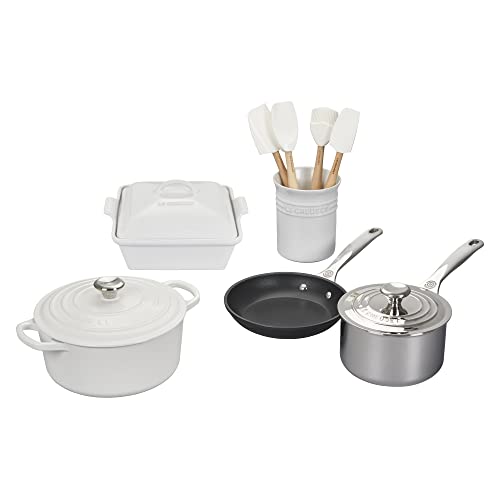
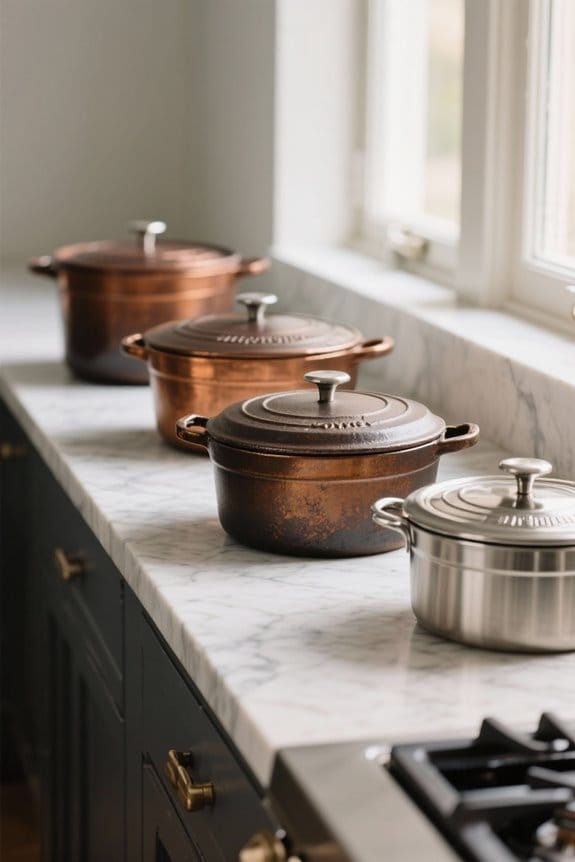
Set includes: Signature Enameled Cast Iron 3.5qt Round Dutch Oven, Stoneware 2.5 qt. Heritage Covered Square Baker

COMPLETE CAST IRON SET: Includes a 10.5” skillet, matching grill pan, 3.5 qt braiser pan, and 6.5 qt cast iron Dutch oven with lid, perfect for frying, searing, baking, grilling, braising, and simmering with steady, even heat.

Enameled cast iron delivers superior heat distribution and retention; Ready to use, requires no seasoning
Comparing Steam Cooking to Other Methods
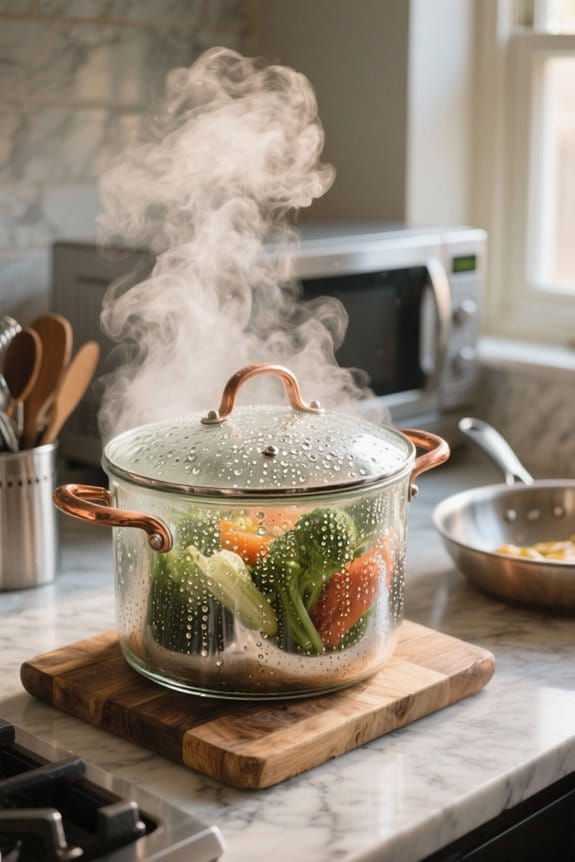
When comparing cooking methods, it is essential to take into account how steam cooking stands apart from frying, boiling, and baking. Steam cooking uses the gentle heat of steam, which cooks food evenly without losing moisture or nutrients. Unlike boiling, steam cooking prevents direct contact with water, preserving flavor intensity. Covered pots enhance this method by creating a moist environment that tenderizes proteins while allowing seasonings to penetrate deeply. Additionally, steam cooking often requires less time than baking or roasting, making it efficient for vegetables and delicate foods. The controlled heat yields a final texture that remains firm and vibrant in color, in contrast to methods that may dry out the food. Nonstick coatings in cookware can further improve the steam cooking process by ensuring easy food release and simplifying cleanup.
Recommended Products
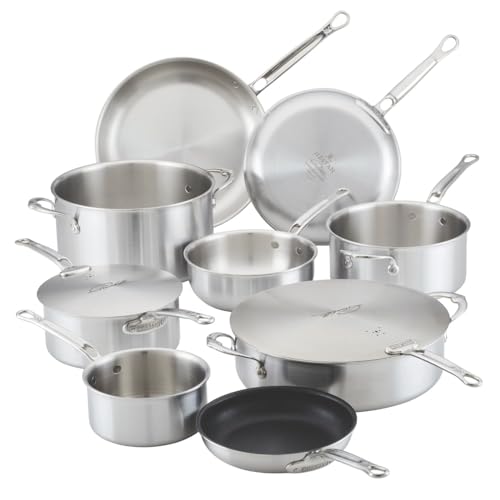
COOKWARE SET INCLUDES - 1.5-quart sauce pot, 3-quart sauce pot, 4-quart sauce pot, 8.5-inch TITUM nonstick sauté pan, 11-inch sauté pan, 12.5-inch sauté pan, 8-quart stockpot, 2-quart saucier, 6-quart rondeau, 8.5-inch universal lid, 12.5-inch universal lid

Exceptionally crafted, our stainless-steel cook-set with a copper core offers versatility, durability and optimal cooking performance to fuel your passion for cooking, for years to come

Viking 3-Ply Pots and Pans Set, 17 Piece Stainless Steel Cookware Glass Lids, Steamer Insert, Silver
17 PIECE COOKWARE SET: Elevate your home kitchen experience with our Viking 17 Piece 3-Ply Stainless Steel Cookware Set! Ideal for both novice chefs and seasoned chefs, this pot and pan set includes 8 inch, 10 inch and 12 inch frying pans, 4 qt soup pot with lid, 2.25 and 3 qt sauce pans with lids, 5.5 qt casserole pan with lid, and a 1.5 qt milk pan with spouts to provide everything you need to create a culinary masterpiece
Maintenance for Optimal Steam Performance
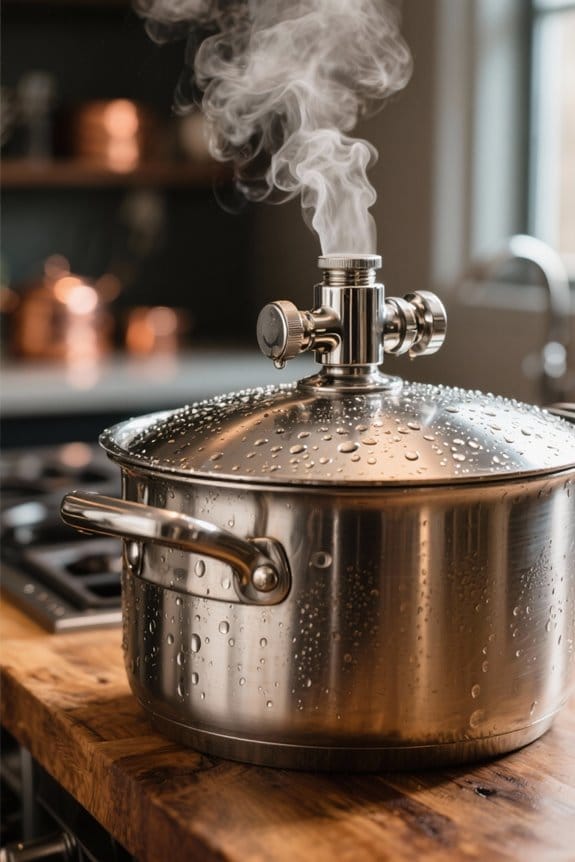
Regular maintenance is essential for ideal steam performance in cooking. Keeping pots and lids clean prevents mineral buildup that obstructs steam flow. Clogged steam vents can affect heat distribution and steaming efficiency, so periodic inspection is necessary. A vinegar solution can effectively dissolve stubborn deposits in steam cookware. This guarantees smooth steam circulation for better cooking results. For pressure cookers, maintaining gaskets and seals is critical. Proper upkeep prevents pressure loss, which enhances steam performance. It is also important to keep cookware free of grease and food residues. This not only promotes better steam circulation but also extends the life of pots. Routine maintenance guarantees optimal performance and helps achieve consistent cooking throughout. Additionally, using stock pots with durable aluminum construction ensures they can withstand regular use and maintain efficiency over time.
Frequently Asked Questions
What Is the Most Common Mistake When Cooking Vegetables With Steam?
The most common mistake when cooking vegetables with steam is inadequate venting, leading to excessive steam retention and vegetable overcooking. Proper techniques can prevent sogginess and guarantee even cooking for a superior texture and flavor.
Should You Simmer Covered or Uncovered?
Simmering covered is like wrapping a gift; it retains steam, preserving moisture and flavors. In contrast, uncovered simmering allows pot ventilation, promoting evaporation. The choice depends on desired thickness and flavor concentration for the dish.
What Are the Disadvantages of Steam Cooking?
The disadvantages of steam cooking include poor steam retention, which can lead to uneven cooking and flavor loss. Additionally, the method often prevents the development of complex flavors and may result in undesirable textures in certain foods.