As an Amazon Associate, we earn from qualifying purchases. Some links on this site are affiliate links at no extra cost to you. Our recommendations are based on thorough research and editorial judgment.


Understanding Weight Considerations for Cabinet Storage

Understanding weight considerations for cabinet storage is vital for safety and efficiency. Cabinets typically support around 30 to 50 pounds per linear foot, depending on their type. Materials like plywood provide better strength compared to MDF. Proper installation is essential for maintaining load capacity. Overloading can lead to creaking or sagging. To optimize storage, place heavier items on lower shelves. Careful selection and reinforcement of cabinets can enhance their weight-bearing performance. More insights on maximizing your cabinet utility follow.
Key Takeaways
- Standard wall cabinets hold 30 to 50 pounds per linear foot, while base cabinets can support 400 to 600 pounds based on construction.
- Proper installation and adherence to manufacturer weight limits are critical for ensuring cabinet safety and performance.
- Solid wood is durable but may warp; plywood is stronger for heavy loads, while MDF is suitable for lighter items due to lower strength.
- Signs of overload include creaking sounds, sagging shelves, loose hardware, and misaligned doors, indicating potential structural failure.
- To optimize storage, distribute weight evenly, place heavier items on lower shelves, and regularly inspect cabinets for signs of distress.
Understanding Kitchen Cabinet Weight Limits
You may be interested



Understanding kitchen cabinet weight limits is essential for effective storage. Standard wall cabinets support 30 to 50 pounds per linear foot. Base cabinets typically handle 400 to 600 pounds, based on construction and installation methods. The average recommended capacity aligns with KCMA standards, requiring cabinets to hold at least 15 pounds per square foot. Solid wood cabinets may not support as much weight as plywood, which excels due to its layered construction. To guarantee proper installation, use wall studs and heavy-duty screws to enhance stability. Signs of overloading include creaking sounds, visible bending in shelves, and sagging doors. Recognizing these indicators helps maintain the integrity of kitchen cabinets and safely meets storage requirements. For added safety, consider the weight of items like heavy stock pots when organizing your kitchen cabinets.
Recommended Products

108000 BTU Total Power | 4+1 Burner Grill + 35000 BTU Pizza Oven: 4 high‑efficiency stainless steel main burners + 1 infrared rear burner (72000 BTU total) deliver steady heat; 35000 BTU pizza oven bakes fresh pies fast. 485 sq.in grill area + 385 sq.in pizza area easily feeds large groups—ideal for backyard parties and patio entertaining

Energy efficient

1. Powerful 72,000 BTU Heat with Integrated Rotisserie At its core lies a powerful 4-Burner Gas Grill delivering a robust 72,000 BTU output.The grill features an integrated Rotisserie Oven with a rear infrared burner, which functions as a dedicated slow-roasting system. This versatile combination effortlessly handles everything from quick searing to slow roasting, while offering a spacious cooking area, creating a fully-equipped, professional-grade Outdoor BBQ Station.
Average Weight Capacity of Cabinets
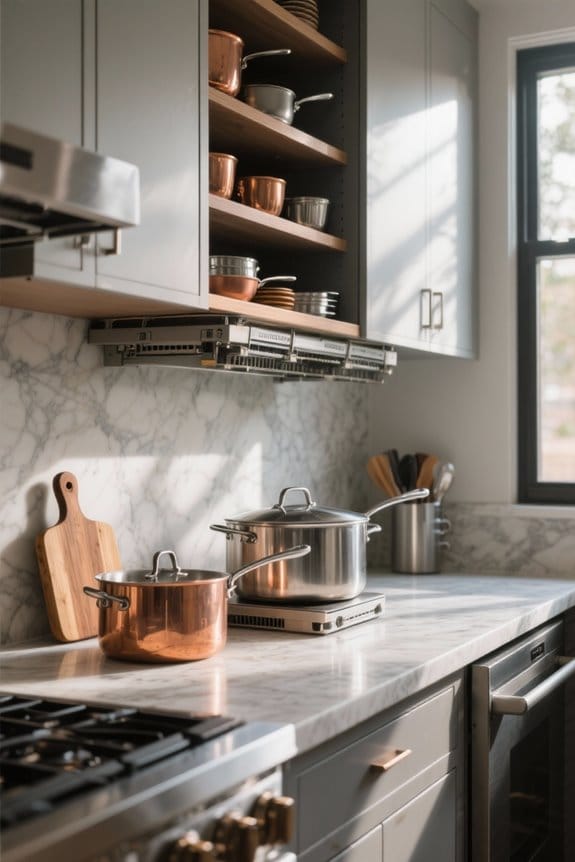
The average weight capacity of cabinets varies greatly based on their type and construction. Standard kitchen wall-mounted cabinets can support between 30 to 50 pounds per linear foot. Base cabinets, which rest on the floor, typically hold between 400 to 600 pounds. This higher weight capacity results from their sturdier construction and support. Factors such as the installation method and the materials can enhance a cabinet’s strength. Plywood often outperforms solid wood in weight distribution. Cabinets with reinforced shelves or heavy-duty hardware are capable of accommodating larger loads. It is essential to adhere to the manufacturer’s specifications. Doing so guarantees the longevity and reliability of the cabinet design, reducing the risk of failure or damage over time. Thicker stones improve heat retention for even cooking, similar to how reinforced shelves enhance a cabinet’s ability to hold weight.
Cabinet Materials and Their Impact on Load Capacity

Cabinet materials play an essential role in determining their load capacity. Solid wood cabinets offer high durability and a classic appeal but may warp in humid conditions. This can reduce their load capacity over time. Plywood, constructed from layered wood, generally provides superior strength and excels in weight distribution. It is often preferred for heavy storage applications. MDF, or Medium-Density Fiberboard, is a more affordable option that delivers a smooth finish. However, it is best for lighter loads due to its lower strength. Additionally, effective construction techniques, such as reinforced back panels and strong face frames, can further enhance the load capacity of cabinets, regardless of the chosen materials. Selecting the right materials is crucial for peak performance. When considering the durability and versatility of cookware sets, it is also important to evaluate materials, such as stainless steel, which offer long-lasting use and compatibility with various cooktops.
Recommended Products

PROFESSIONAL SHOCK FREEZING TECHNOLOGY: Commercial shock freezer that rapidly freezes fresh food in 1-2 hours and hot food in 3-4 hours down to -40°F (-40°C). Professional blast chilling technology with 360-degree air convection locks in food quality and nutrition. Includes food probe to monitor center temperature. Perfect for restaurants, bakeries, hotels needing fast freezing equipment
Exclusive 50-in. commercial XACTA fence II with T-square design

PROFESSIONAL SHOCK FREEZING TECHNOLOGY: Commercial blast chiller rapidly freezes fresh food in 1-2 hours and hot food in 3-4 hours down to -40°C (-40°F). 360-degree cooling air convection locks in food quality and nutrition. Includes food probe to monitor center temperature accurately. Perfect for restaurants, bakeries, hotels, and ice cream shops
Differences Between Wall-Mounted and Base Cabinets
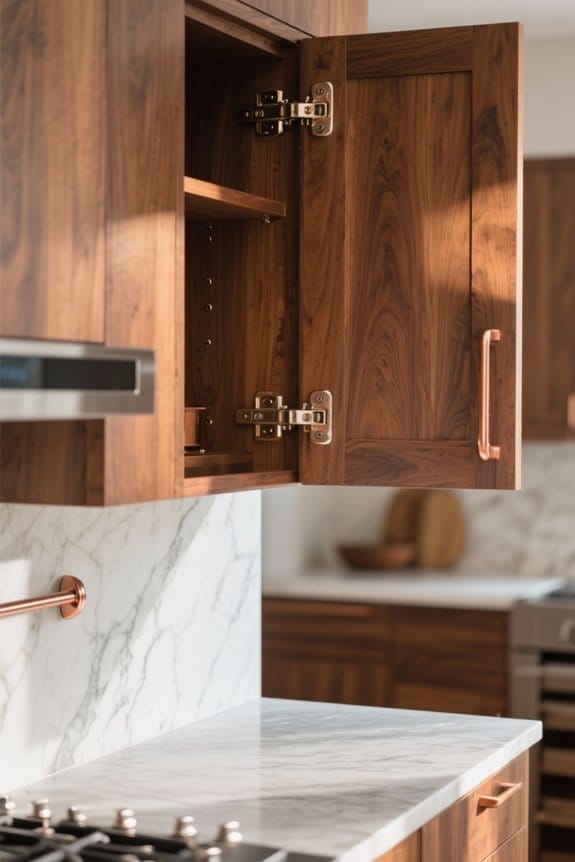
Wall-mounted and base cabinets serve distinct purposes in storage solutions. Wall-mounted cabinets typically support a weight capacity of 30 to 50 pounds per linear foot. They are best suited for lighter items, and proper weight distribution is essential to avoid sagging. These cabinets require secure anchoring to wall studs for adequate support. In contrast, base cabinets rely on floor support and can handle much heavier loads, with capacities ranging from 400 to 600 pounds. The weight distribution in base cabinets can accommodate bulkier items without risk. To enhance the support of wall-mounted cabinets, reinforcements like L-brackets can be added. Understanding these differences is vital for selecting the right cabinet for specific storage needs. When choosing kitchen cookware, it’s important to consider options like tri-ply construction saucepans that offer even heat distribution, enhancing cooking performance.
Recommended Products

All-in-One Garage Storage System: Measuring 130"L x 19"D x 76"H, this complete cabinet set includes 2 lockers, 2 wall cabinets, rolling drawer chests, a 71-inch workbench, 10 metal pegboards and connecting brackets with zero fabric parts. Built for DIY enthusiasts and homeowners, it delivers huge storage space to tidy up scattered tools and seasonal goods. The total load capacity reaches 820 LBS, and tall cabinets can be anchored to the wall for extra stability, helping you turn your messy garage into a neat workshop

[Colors Changeable & Brightness Dimmable] You can easily switch between color temperatures like 3000K for warm light, 4000K for neutral light, and 6000K for white light, adapting to various conditions. You can also adjust the brightness to your comfort level.

IP65 Touchscreen with Full I/O & Wireless - Features an IP65-rated, glove- and wet-touch capable screen. Equipped with dual LAN, 4×USB 3.0, 2×USB 2.0, 6×COM (4×RS232,2×RS485), HDMI, and 8×GPIO, plus built-in Wi-Fi & Bluetooth for seamless industrial and IoT integration.
Importance of Installation Quality and Techniques
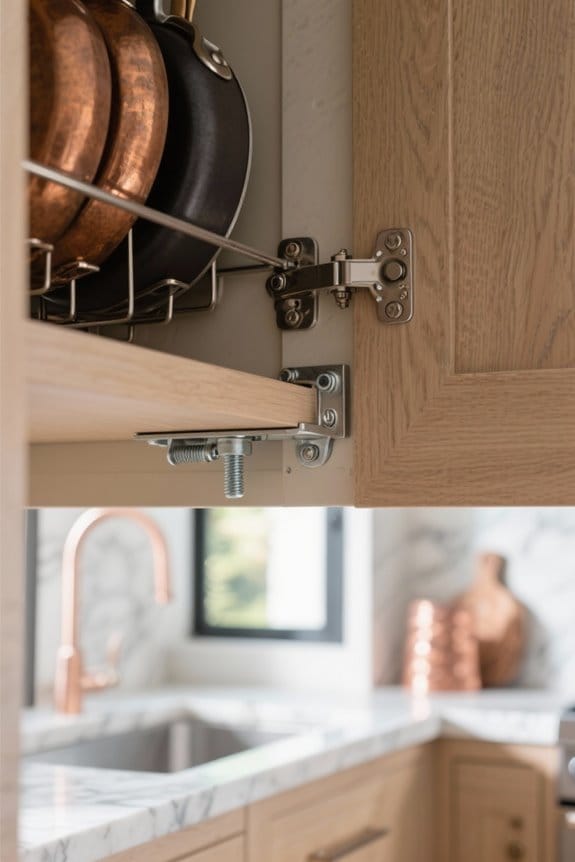
A strong installation is essential for ensuring kitchen cabinets uphold their weight capacity. Proper installation quality directly affects stability and performance. Utilizing wall studs and heavy-duty screws is关键 for reinforcing support. Following manufacturer guidelines guarantees that cabinets can safely bear their designated weight limits. Leveling cabinets properly is crucial for even weight distribution, preventing sagging and maintaining structural integrity over time. High-quality hardware, including heavy-duty hinges and brackets, enhances cabinet strength and stability. Poor installation practices, such as over-relying on wall anchors, can lead to safety hazards and even cabinet collapse under excessive weight. Adhering to these installation techniques will promote durability and functionality in kitchen cabinets. Additionally, selecting high-quality materials such as stainless steel or cast iron for kitchen components can further enhance the durability and longevity of your cabinets.
Signs That Your Cabinets May Be Overloaded
How can homeowners identify if their cabinets are overloaded? Key indicators include creaking or cracking sounds, which suggest potential structural failure due to excessive weight. Visible bending or sagging in shelves is another clear sign that storage weight is exceeding the recommended weight limit. Homeowners should also inspect their cabinets for loose screws or hardware, as these can result from overload. Additionally, cabinet doors that sag or have misaligned hinges often indicate an overload situation, as the added weight disrupts their alignment. Regularly checking for any signs of distress, such as abnormal gaps or shifts, is vital for maintaining cabinet integrity. Proper installation initially helps but monitoring ongoing conditions is essential to prevent serious damage. To ensure long-term durability of your cabinets, taking proactive measures to manage weight load is crucial.
Increasing Weight Capacity Through Reinforcement
Cabinets can benefit from reinforcement to enhance their weight capacity and overall durability. Adding L-brackets beneath wall cabinets can provide essential support. This approach improves their ability to bear heavier loads. Installing corner braces in base cabinets strengthens their stability, allowing for increased weight capacity. Additionally, reinforcing shelves with hardwood or aluminum strips prevents sagging and maintains structural integrity. Choosing thicker shelving boards can further elevate the weight capacity of cabinets, enabling them to hold more without risking damage. Regular assessment and reinforcement of cabinets can extend their lifespan. This approach guarantees they safely accommodate intended weight loads, ultimately improving the functionality and reliability of the storage solution. Proper reinforcement is key for longevity and usability. Additionally, selecting durable materials like aluminized steel in cabinet construction can prevent warping and enhance overall performance.
Recommended Products

Dimensions & Constitute: The size of garage storage cabinet set are 130"L x19"Dx 76"H inches. Garage storage cabinets system includes Locker x2, Wall cabinet x2, 1-drawer roller cabinet x2, 4-drawer roller cabinet x1, 71 in workbench x1, Pegboard x10, Shelf to connect the wall cabinets x4.For stability, high cabinets can optionally be fixed to the wall. Overall weight capability 820 LBS.

AUTHENTIC HAND HEWN BARN BEAM - A unique piece of American history dating from the late 1700s through early 1900s. Each beam was hand-cut with an ax before sawmills were common, creating textures and axe marks that cannot be replicated with modern methods. Certified Reclaimed. The centerpiece your fireplace has been waiting for.

HOME BAR FURNITURE - The Ridgeline redefines bar cabinets for home spaces. A removable stainless-steel ice bin, open and closed bar cabinets, a stemware rack, and a spacious liquor bar surface make it perfect as a wine bar or coffee station cabinet.
Industry Standards for Cabinet Load Ratings
Understanding industry standards for cabinet load ratings is important for effective kitchen design. The Kitchen Cabinet Manufacturers Association (KCMA) sets these standards. Cabinets must support at least 15 pounds per square foot. Certified cabinets undergo testing to guarantee they meet these load ratings. Typical weight capacities for kitchen cabinets range from 300 to 500 pounds. This range depends on construction techniques and high-quality materials. The maximum allowable deflection for shelves is 1/4 inch, with an additional 1/16 inch for each linear foot. Adhering to manufacturer specifications for weight limits is essential to avoid structural failure. Proper installation is also critical for safety and performance. Following these guidelines encourages durability and reliability in kitchen cabinet choices. In addition to weight considerations, selecting non-toxic coatings for cookware can contribute to a healthier kitchen environment.
Choosing the Right Cabinets for Your Needs
Selecting the right cabinets requires careful consideration of various factors. In a kitchen, the material is vital for durability and weight-bearing capacity. Plywood is a strong choice compared to MDF or particleboard. Reinforced back panels increase structural integrity and support heavier storage. It is important to check the load ratings, as wall cabinets usually hold 30 to 50 pounds per linear foot. Look for cabinets with construction techniques like dovetail joints. These enhance strength and resist warping. Additionally, high-quality hardware, such as heavy-duty hinges and brackets, can maximize a cabinet’s weight capacity. Selecting cabinets with these features guarantees that your storage solutions are both functional and lasting, meeting your needs effectively. Ensure that the material quality of your cabinet’s construction offers durability and enhances performance, similar to the considerations when selecting tri-ply stainless steel cookware.
Recommended Products

Endless Customization with a Modular System - Design Your Dream Outdoor Kitchen Layout. VESTIVIUM 3-piece modular outdoor kitchen is designed for ultimate flexibility. Start with this all-in-one set to transform your patio, deck, or backyard into a complete grilling station. The independent modules can be arranged to fit any layout. Plus, you have the option to expand with additional modules like a pizza oven cabinet, trash bin storage modules, or additional grill islands later. Perfect for the DIY enthusiast, it allows your outdoor culinary station to evolve from a simple weekend grilling setup to a comprehensive professional outdoor cooking station tailored exactly to your needs.

Powerful Heating Performance: With four cast stainless steel burners (21,000 BTU each) and a 15,000 BTU infrared back burner, this grill offers an impressive 99,000 BTU total output. Perfect for backyard chefs who need high heat for searing steaks or slow-cooking vegetables with consistent results

Set includes: one 3-Drawer Cabinet, 1 Bar Cabinet, one 33 in. Insert Grill Cabinet, one 64 in. Countertop, and all-season Covers
Tips for Optimizing Storage Without Exceeding Weight Limits
Effective storage optimization involves balancing the weight distribution within cabinets to enhance their longevity and stability. To optimize storage, it is vital to distribute weight evenly across shelves. Place heavier items on lower shelves to minimize strain on upper cabinets. This practice helps avoid overloading and maintains balance. Using lightweight storage options like baskets can also assist in organization without greatly increasing weight. Regularly evaluating and decluttering cabinet contents is necessary to guarantee cabinets can support the weight limits. Reinforcing shelves with hardwood or aluminum strips can improve their weight capacity, especially for Medium-Density Fiberboard cabinets. Following these tips guarantees safety and extends the life of cabinetry while maintaining structural integrity. When selecting cookware, consider that stainless steel fry pans often have a heavier construction, which may affect how you distribute weight within your cabinets.
Frequently Asked Questions
How Do You Know How Much Weight a Cabinet Can Hold?
To determine a cabinet’s weight capacity, one must consider cabinet materials, installation standards, and design. Proper load distribution and adherence to safety regulations aid in evaluating potential limits and ensuring durability against overloading.
What Is the 1 3 Rule for Cabinets?
The 1 3 Rule for cabinets functions like a balancing act; it dictates that cabinet weight should only reach one-third of total capacity. Proper load distribution, shelf spacing, and material strength guarantee effective and ergonomic storage solutions.
Where Should You Store the Heaviest Materials in a Filing Cabinet?
Heavy items should be placed in the bottom drawers of a filing cabinet. Proper filing cabinet organization emphasizes weight distribution strategies, cabinet stability tips, and drawer reinforcement techniques, adhering to material weight guidelines for ideal support.
How Much Weight Should a Kitchen Cabinet Hold?
A kitchen cabinet should hold between 30 to 50 pounds per linear foot, considering kitchen cabinet materials and cabinet strength ratings. Following storage safety tips guarantees efficient organizing and maximizes storage space while maintaining proper cabinet weight distribution.