As an Amazon Associate, we earn from qualifying purchases. Some links on this site are affiliate links at no extra cost to you. Our recommendations are based on thorough research and editorial judgment.

Why Bundt Pan Shapes Vary So Much

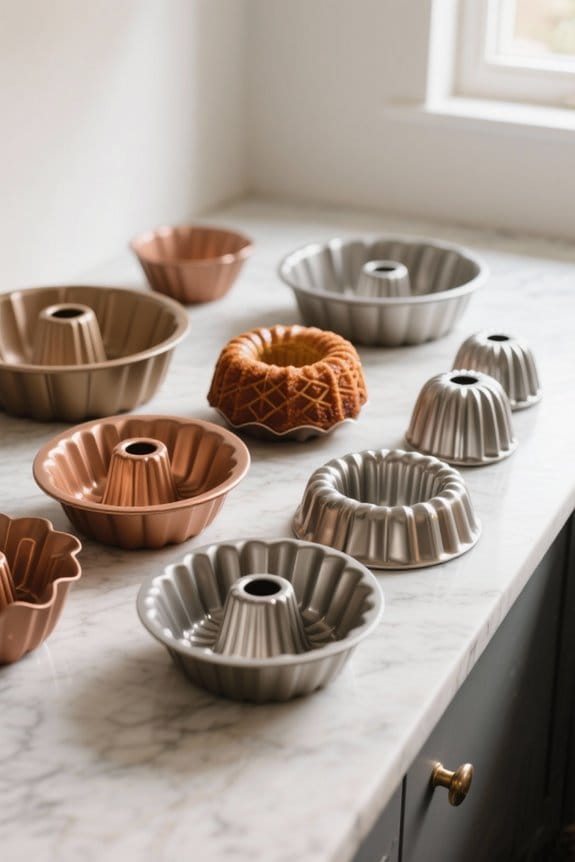
Bundt pan shapes vary due to their design purposes and aesthetic choices. Different fluted patterns enhance visual appeal and influence baking outcomes. The choice of material, like cast aluminum or silicone, affects heat distribution and durability. Deeper crevices may complicate cake release, impacting the ease of cleaning. Specific shapes suit certain batter types, while pan size directly influences cake height and texture. Understanding these factors can improve baking success. More insights on bundt pans await.
Key Takeaways
- Bundt pan shapes vary to create unique decorative designs that enhance the visual appeal of cakes for different occasions.
- Deeper and more complex fluting influences cake texture and moistness, affecting the overall baking experience and presentation.
- Different shapes cater to specific types of cake batters, ensuring even baking and proper cake structure according to recipe requirements.
- Aesthetic preferences among bakers drive the popularity of various designs, reflecting personal style and community baking traditions.
- Material differences between pans affect heat distribution and cooking times, necessitating diverse shapes for optimal baking performance.
Understanding Bundt Pan Design
You may be interested

When exploring Bundt pan design, it is vital to understand their unique features and how these affect baking results. Bundt pans have a hollow center and fluted sides, which provide both decorative shapes and even baking. The depth and style of fluting can notably impact the cake’s appearance and texture. Classic models, such as the Nordic Ware Bundt pan, offer reliable nonstick surfaces and even heat distribution, essential for proper rising and moisture retention. Some shapes, like Blossom or Heritage styles, are ideal for minimal toppings, while others accommodate glazes without hiding the design. Generally, Bundt pans hold 10 to 12 cups, and their design influences the height and structure of the final cake. Cast aluminum construction ensures even heat distribution, preventing undercooking or burning of cakes, and is a preferred choice for achieving consistent baking results.
Aesthetic Considerations in Bundt Pan Shapes
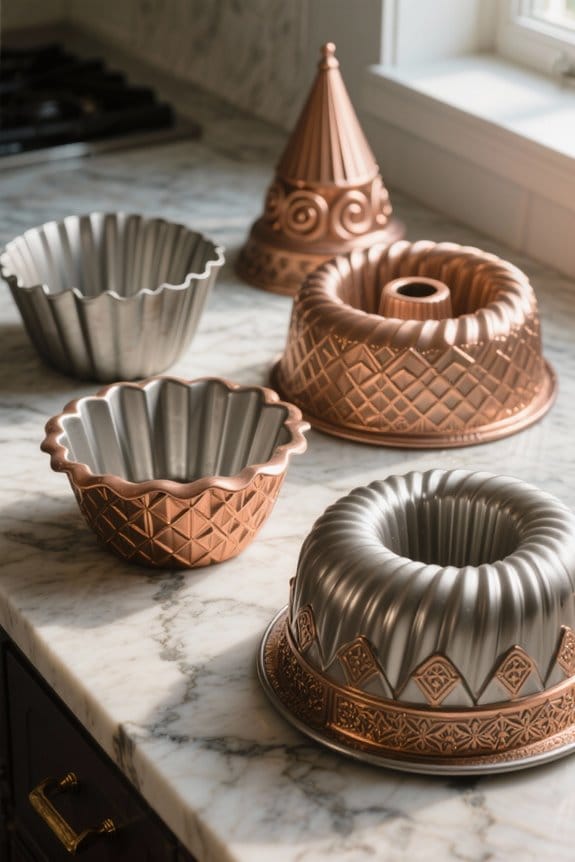
A Bundt pan’s shape plays an essential role in the overall aesthetic of baked goods. The fluted designs enhance visual appeal by creating intricate patterns on the cake surface. These shapes are especially appealing for special occasions. Deeper and more complex shapes, like Heritage or Blossom, add sophistication to cake presentation. Such designs can also influence how toppings and glazes are applied. Bundt pans come in various unique shapes, including classic round, flower, and cathedral forms. This variety allows bakers to choose the best design that complements their event theme. Ultimately, these aesthetic considerations enable bakers to create visually striking desserts that stand out at gatherings and celebrations. A well-chosen shape enhances not only appearance but also the overall experience. Non-stick features aid in easy release of baked goods, ensuring that the intricate designs remain intact during removal.
Functional Aspects of Different Shapes
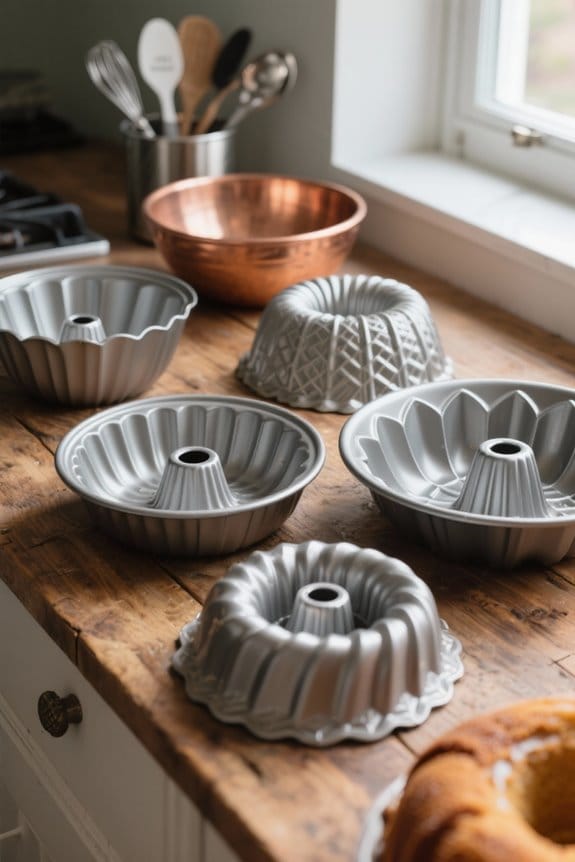
Bundt pan shapes serve specific functions that affect baking performance and ease of use. The design influences heat distribution, which is vital for even cooking. Classic fluted bundt cake pans promote better structure, ensuring that cakes rise properly. Deeper crevices present in some shapes can complicate the removal process, increasing the chance of sticking if the pan is not adequately greased. Additionally, specific shapes accommodate different types of cake batter. For instance, pans with pronounced angles are better suited for denser batters, while flatter designs work well for lighter cakes. These functional aspects directly impact baking time and the overall success of the cake, making the choice of bundt pan an essential consideration for bakers. When selecting a bundt pan, considering material durability and safety can significantly enhance the longevity and effectiveness of your bakeware.
Recommended Products

ELEVATE EVERY BAKE: Turn any bake into a centerpiece with Caraway’s 9.5” Fluted Cake Pan, designed for pull-apart monkey bread and savory loaves, plus frittatas, bundt cakes, mac and cheese rings, or holiday stuffings that hold their shape.

Fluted cake pan. The Lodge legacy Series fluted cake pan is a timeless classic, which is why it has been unveiled once again. With the ability to turn any cake into a one of a kind showstopper, you’ll be showcasing your new pan for every celebration.
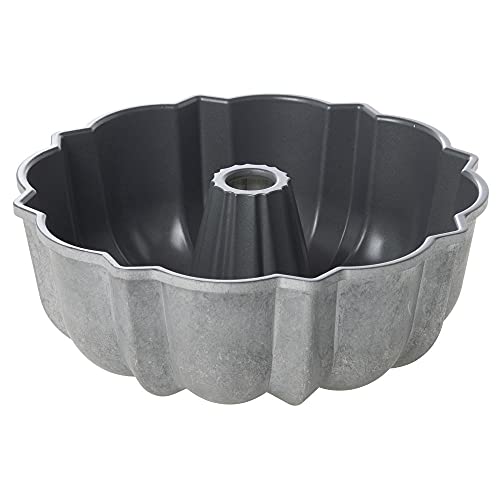
Heavy cast aluminum bakeware
Materials Used in Bundt Pan Construction
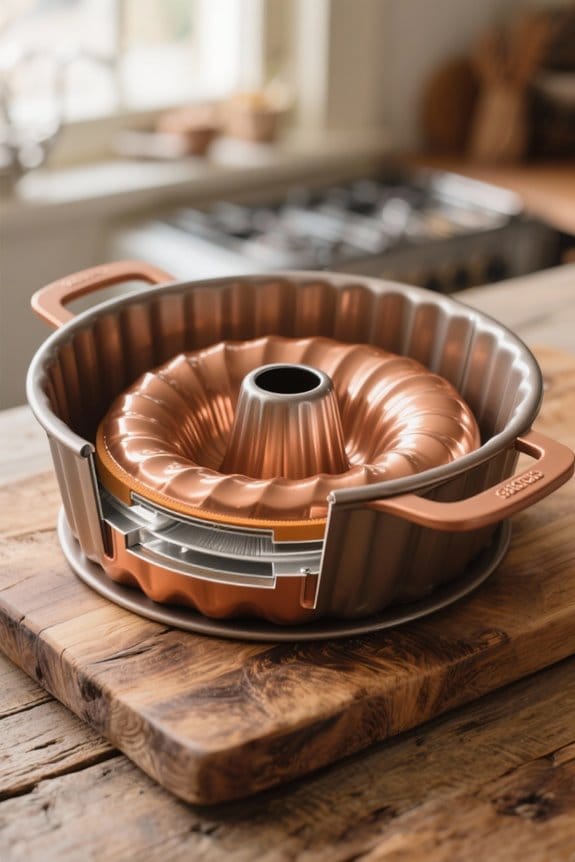
Various materials are used in bundt pan construction, each impacting baking results differently. Aluminum pans are popular due to their lightweight design and excellent heat conduction. They help create evenly baked cakes with minimal sticking. Silicone pans provide flexibility for easy cake release and are available in various shapes. However, they require careful handling to maintain their structure during baking. Cast iron pans are known for durability and heat retention. They produce a crispy crust but are heavier and take longer to heat up. Nonstick metal pans, especially those with high-quality coatings, enhance cake release and simplify cleanup. However, their longevity can vary based on the nonstick surface quality. Each material offers distinct advantages for baking. It is important to consider heat distribution and rust resistance when selecting a bundt pan material, as these factors can significantly affect baking results.
Recommended Products

Finely-detailed cakes: This cake tin is designed inside to create traditional Bundt cakes with defined ridges and a beautifully even browned surface

Make fun and unique individual bundt cakes
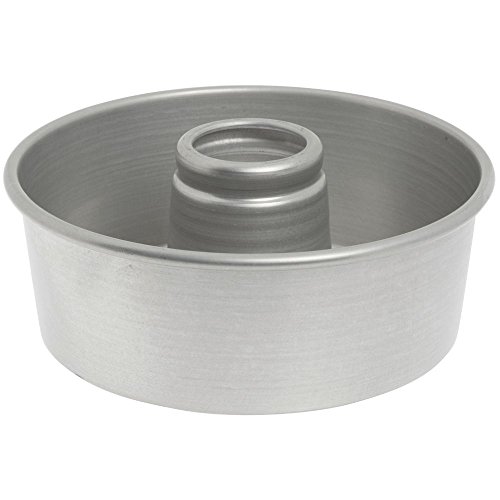
Tube and bundt pans bake bundt and angel food cakes
The Impact of Size on Cake Outcomes
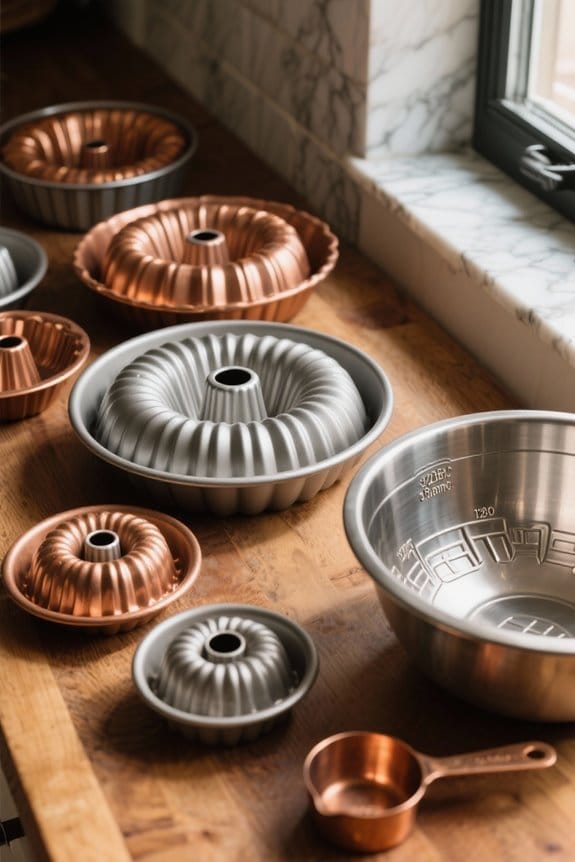
Choosing the right size bundt pan is essential for achieving desired cake outcomes. The size of the pan directly affects the height and shape of the cake. Smaller pans tend to create taller cakes, while larger pans yield flatter results. Common options include 10-cup and 12-cup capacities, impacting the recipes that can be used. Recipes utilizing over 3 cups of flour generally require the larger 12-cup pan to prevent overflow. Additionally, pan size influences baking time. Larger structures need more time in the oven to cook evenly. Proper selection of pan size is important for maintaining cake aesthetics. Inconsistencies in size can lead to uneven baking and undesirable texture, affecting the final result considerably. For successful baking, it’s important to consider heat resistance levels of the pans, which can range up to 450°F or 550°F, ensuring they align with your baking needs.
Popular Bundt Pan Designs and Their Uses
A variety of bundt pan designs can enhance both the appearance and functionality of baked cakes. Popular bundt pan designs include the classic fluted style, which creates elegant ridges. The Heritage design features a swirling pattern that improves presentation and texture. Specialty shapes, such as the Blossom or Cathedral Bundt pans, provide unique aesthetics. The Blossom shape works best for minimal toppings to showcase the cake itself. Deeply ridged pans help glazes and icings adhere better. Smoother designs allow the cake’s natural shine to stand out. Certain designs, like the Decorative Star or Fleur de Lis, add flair for events. Interestingly, the intricacy of these pans may affect baking time and moisture retention during baking. For those with limited storage space, nesting bakeware sets can offer a practical solution by saving up to 50% more storage space in kitchens.
Historical Context of Bundt Pan Development
In the 1950s, the Bundt pan was developed by Nordic Ware for a Jewish women’s group seeking to make traditional Gugelhupf cakes. The name “Bundt” originated from the German word “bund,” which means bond or alliance. This reflects the pan’s community-focused beginnings. The Bundt pan gained popularity for its ability to create visually appealing cake recipes. Over time, various shapes emerged, offering options for different aesthetics and culinary preferences. Innovations in materials and manufacturing led to intricate designs, enhancing the pan’s appeal. Today, the Nordic Ware Anniversary Bundt is a notable example, symbolizing the pan’s evolution. Bundt pans remain staples in modern baking, appreciated for their versatility and style in producing stunning cakes for any occasion. A non-stick surface is often used in modern Bundt pans to promote easy food release and cleanup, enhancing the baking experience.
Comparing Bundt Pans to Other Baking Pans
Bundt pans offer distinct advantages compared to other baking pans. Their fluted sides create decorative shapes that enhance presentation. This contrasts with the straight sides of traditional cake or loaf pans. Bundt pans are ideal for dense cakes, like pound cakes, providing a unique texture. Standard tube pans work better for airy cakes that depend on egg whites. Most bundt pans hold around 12 cups, unlike uniform-sized traditional pans. Their designs also influence how heat distributes through the batter, affecting baking time. To guarantee easy release of the cake from the pan, using baking spray is recommended. This prevents sticking and maintains the intricate details of the bundt shape, showcasing the cake effectively. Nonstick coatings are beneficial not only for easy food release but also for enhancing cooking efficiency and simplifying cleanup.
Recommended Products

For easier portability: Bundt cake pan non sticky with full curl raised rim for easier access.
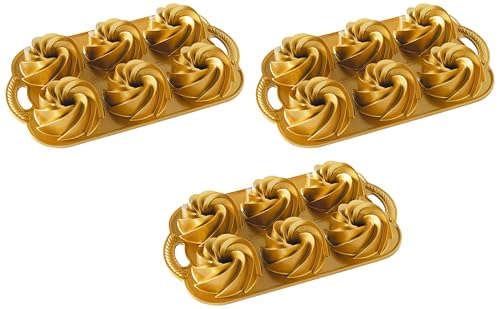
The information below is per-pack only

Expertly handcrafted in Poland by skilled artisans, each piece reflects generations of ceramic tradition, offering exceptional durability, authentic charm, and timeless beauty for your home.
Choosing the Right Bundt Pan for Your Recipe
Selecting the right bundt pan is crucial for achieving the desired results in baking. Bundt pans come in various shapes and sizes, impacting the cake’s final aesthetics. Most standard bundt pans hold 10 to 12 cups of cake mix. Choosing the correct capacity prevents overflow during baking. The fluting in bundt pans not only enhances appearance but also aids in even heat distribution. This feature influences the texture of the cake. Lighter pans promote even baking, while darker pans create a thicker crust. When selecting a pan, consider your recipe’s specific baking time and desired toppings. Some designs suit glazes, while others work better with minimal adornments. Consequently, tailoring your pan choice is essential for successful baking outcomes. For optimal results, consider selecting a pan made from tempered glass for its durability and heat-resistant properties during baking.
Recommended Products

Glass bottom for increased stability and easy handling

Heavy cast aluminum bakeware

Original Bundt design accommodates 10 to 15 Cups
The Role of Color in Bundt Pan Performance
How does the color of a bundt pan influence baking outcomes? The color of the pan plays a significant role in how cakes bake. Dark color pans absorb more heat. This results in a darker, more intense crust. However, they may require shorter baking times to avoid over-browning. Lighter-colored pans promote even baking. They are less likely to overbake and work well for recipes with longer baking times. For best results, the choice of pan color should match the recipe’s requirements. Dark pans excel in recipes needing quick baking. Conversely, lighter pans are recommended for those that demand extended baking. Understanding these dynamics allows bakers to achieve the desired texture and color in their baked goods. Additionally, selecting a pan with heavy-duty materials such as carbon steel or aluminum can enhance the baking experience by ensuring even heat distribution and durability.
Care and Maintenance of Bundt Pans
Maintaining bundt pans requires careful attention to their care to guarantee peak performance. Proper maintenance involves hand washing the pans with mild soap and a soft sponge. Many bundt pans are not dishwasher safe and can be damaged by harsh cleaning methods. Greasing the pans generously with butter or oil, followed by dusting with flour guarantees easy cake release. Avoid metal utensils and abrasive cleaners, as these can scratch the nonstick surface. Store bundt pans without stacking them directly on top of each other to prevent scratches and deformation. It is important to regularly check the condition of the nonstick coating. Replace the pan if significant wear, peeling, or rusting is observed to promote ideal baking results.
Community Perspectives on Bundt Pan Preferences
When considering bundt pan shapes, bakers frequently weigh their options based on both performance and aesthetic appeal. Community discussions reveal that preferences often stem from personal taste and desired ease of use. Simple bundt pan shapes are often chosen as they enhance a cake’s appearance without requiring elaborate decorations. More ornate shapes, like floral or cathedral designs, can complicate glaze application. The deep crevices in these intricate pans may also affect cleaning and cake release. Bakers often reference past experiences with different pan shapes when selecting the best option for specific cake batters. The discussion emphasizes how bundt pan shapes influence both the visual presentation and the practicality of the cakes they bake.
Frequently Asked Questions
What Is the Best Bundt Pan to Buy?
The best Bundt pan to buy varies, depending on preferences for nonstick coatings, material types, and size options. For versatility, both Calphalon and Nordic Ware offer excellent choices catering to different baking needs and cake sizes.
Are All Bundt Cake Pans the Same Size?
Not all bundt cake pans are the same size; they typically range from 10 to 15 cups. Bundt pan sizes, shapes, and materials all contribute to the cake’s height and baking characteristics.
Why Are Bundt Cakes Shaped Like That?
Bundt cakes are shaped with a hollow center and fluted sides for even baking. Their design reflects Bundt cake history and unique Bundt designs influenced by cultural baking traditions, enhancing aesthetics and maximizing flavor development.
What Are Common Bundt Cake Mistakes?
Like a painter without proper brushes, bakers often face common challenges: insufficient greasing techniques, errors in baking temperature, and overzealous mixing time, each leading to disappointing, messy outcomes with their delightful bundt creations.